Asep Darmawan
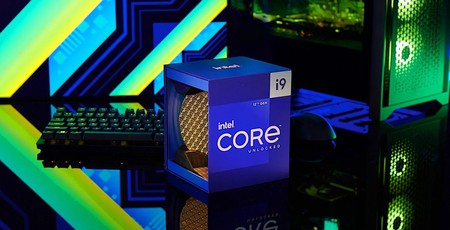
In a move that marks the most significant architectural shift for the company in over a decade, Intel officially unveiled its 12th Generation "Alder Lake-S" desktop processors this week. The launch represents the debut of Intel’s "Intel 7" process node and introduces a hybrid architecture that fundamentally changes how desktop computing tasks are prioritized and executed.
With the announcement of six initial SKUs—ranging from the high-octane Core i9-12900K to the value-oriented Core i5-12600K—Intel is making a clear, aggressive play to reclaim the performance crown in both gaming and professional content creation.
The Core Lineup: Defining the 12th Gen Ecosystem
The initial wave of processors targets the enthusiast market, featuring unlocked multipliers for overclocking potential. The lineup includes:
- Intel Core i9-12900K/KF: The flagship powerhouse featuring 16 cores (8 Performance-cores and 8 Efficient-cores) and 24 threads, boasting boost frequencies up to 5.2GHz.
- Intel Core i7-12700K/KF: A formidable mid-to-high-end option with 12 cores (8 P-cores and 4 E-cores) and 20 threads.
- Intel Core i5-12600K/KF: The entry-point for the enthusiast tier, offering 10 cores (6 P-cores and 4 E-cores) and 16 threads.
For those unfamiliar with Intel’s current nomenclature, the "K" suffix denotes unlocked processors, while the "KF" variants mirror these specs but lack active integrated graphics, making them a popular choice for users who intend to utilize dedicated discrete GPUs.
Chronology: From Architecture Day to Global Launch
The journey to this launch has been meticulously paced. Intel first piqued industry interest during the "Architecture Day" event in August 2021. At that time, the company provided a roadmap for Alder Lake and its Xe-HPG graphics architecture, but remained tight-lipped regarding specific SKU pricing, power profiles, and exact launch dates.
Following that initial teaser, rumors circulated regarding the stability of the new hybrid architecture and the integration of Windows 11’s "Thread Director" technology. The formal announcement this week serves as the culmination of that development cycle. Intel has set a strict embargo on third-party performance benchmarks, which will be lifted on November 4th, the same day these processors—and the accompanying Z690-based motherboards—become widely available to the public.
Supporting Data: Understanding the Hybrid Architecture
The hallmark of Alder Lake is the "Performance-core" (P-core) and "Efficient-core" (E-core) dichotomy. By separating tasks based on workload intensity, Intel aims to achieve higher single-threaded performance while simultaneously improving multi-threaded efficiency.
Power Profiles and Performance
One of the most critical aspects of this launch is the transition in power management. Intel has moved away from a singular TDP figure, introducing "Processor Base Power" and "Maximum Turbo Power."
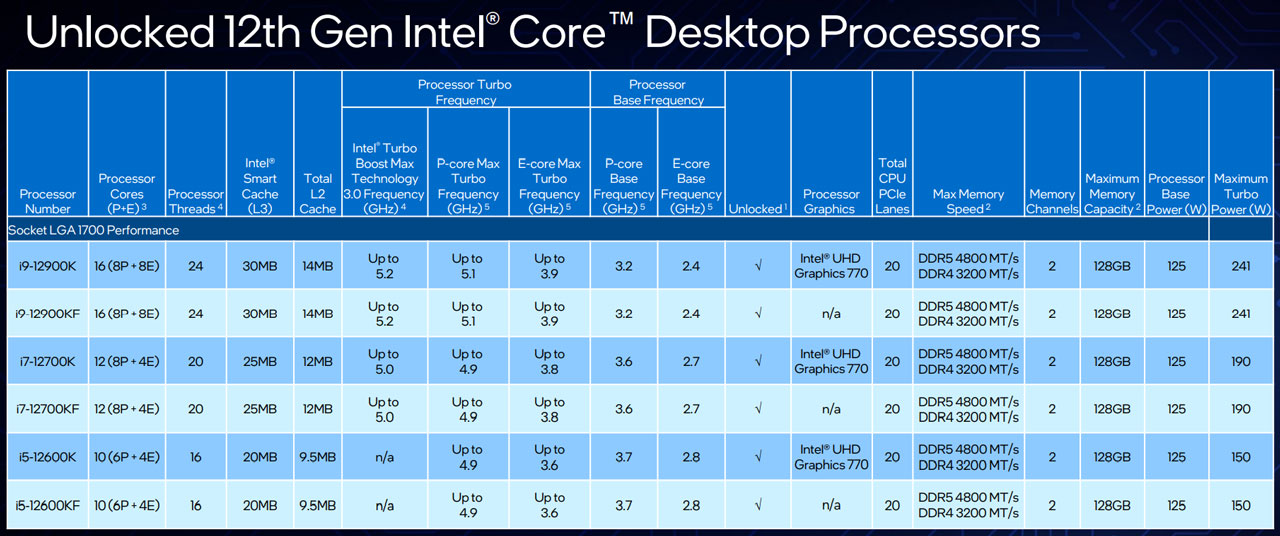
For the Core i9-12900K, while the base power is standard, the maximum turbo power can exceed 240W under sustained heavy loads. Intel acknowledges that enthusiast-grade motherboards will likely be configured to allow these chips to run at their maximum power limits indefinitely to ensure peak performance, necessitating robust liquid cooling solutions for any serious enthusiast.
The Gaming Performance Claim
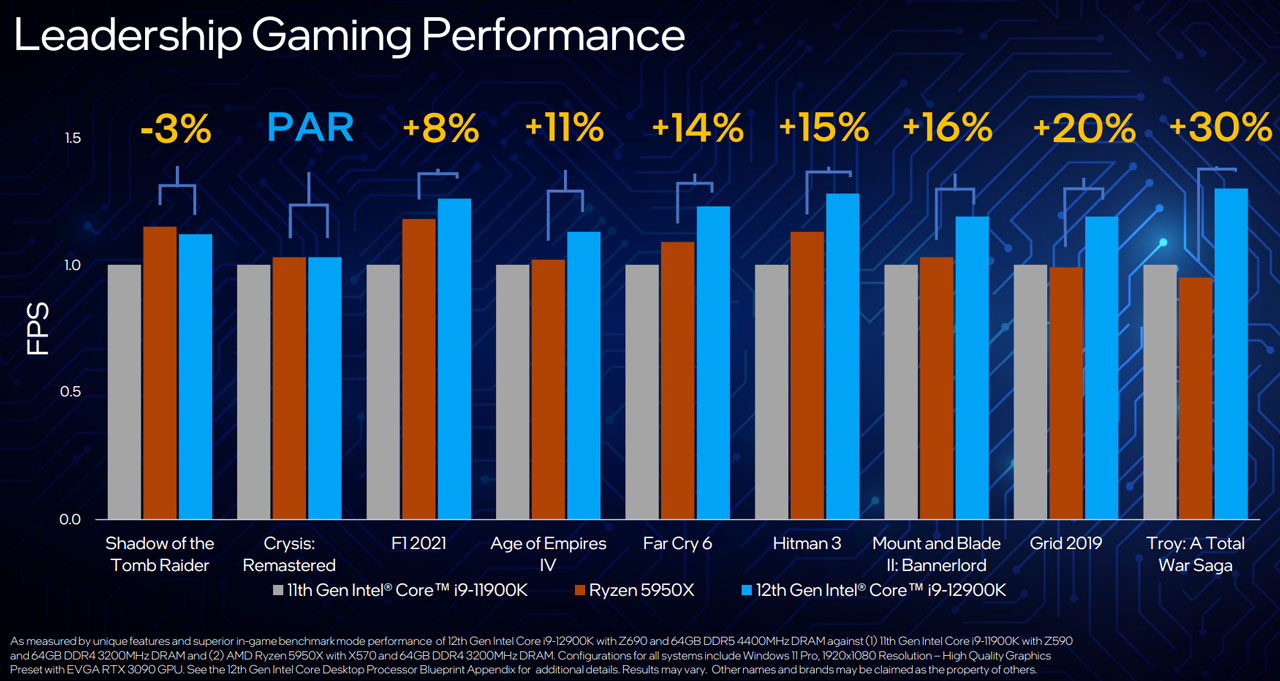
Intel’s internal testing paints a picture of dominance. The company claims the i9-12900K is the "world’s best gaming processor," touting a 12 percent performance lead over the AMD Ryzen 9 5950X. However, it is essential to contextualize these claims. Industry observers have noted that Intel’s testing environment may have been conducted prior to critical Windows 11 updates designed to fix latency issues with AMD’s L3 cache and "preferred core" technology. As these issues have been known to impact AMD performance by up to 15 percent, the final verdict on the "gaming king" title will remain contested until independent reviewers can run parity tests on fully patched systems.
Content Creation Uplift
Beyond gaming, Intel highlights a massive leap in creative workflows. In processor-intensive tasks—such as video rendering, 3D modeling, and code compilation—the 12th Gen architecture is purportedly at least 33 percent faster than its 11th Gen predecessor. This gain is largely attributed to the increased core count and the efficiency of the E-cores handling background tasks, allowing P-cores to focus entirely on the primary application.
The Ecosystem: Z690 and the DDR5 Transition
The processor launch is only one half of the story. The introduction of the 600-series chipset, led by the Z690 platform, is equally significant. This new chipset brings several long-awaited features to the mainstream desktop:
- PCIe 5.0 Support: Offering double the bandwidth of PCIe 4.0, this ensures the platform is ready for the next generation of high-speed NVMe storage and future-proofed for GPUs.
- DDR5 Integration: Alder Lake is the first mainstream desktop platform to support DDR5 memory, promising significantly higher bandwidth and lower power consumption compared to the aging DDR4 standard.
- Expanded Connectivity: The Z690 chipset allows for more robust wired and wireless networking options, with many manufacturers opting for integrated Wi-Fi 6E and 2.5GbE or 10GbE LAN ports as standard.
The motherboard ecosystem is expansive at launch. Manufacturers such as Asus, Gigabyte, and MSI have already unveiled dozens of options. Asus alone has announced nineteen distinct Z690 models, catering to everything from massive E-ATX workstation builds to compact mini-ITX gaming rigs. Memory manufacturers like G.Skill are also pushing the envelope, already demonstrating DDR5 kits capable of speeds reaching 6800MHz.
Implications: A New Era for Desktop Computing
The release of Alder Lake is not merely a speed bump; it is a fundamental shift in the desktop paradigm. By successfully integrating a hybrid architecture into the desktop space, Intel is effectively mirroring the efficiency trends seen in mobile silicon while maintaining the raw, unbridled power required by desktop enthusiasts.
Challenges and Considerations
However, the shift to hybrid computing is not without its complexities. The reliance on the Windows 11 "Thread Director"—a hardware-software mechanism that tells the OS which tasks to assign to P-cores vs. E-cores—means that Intel’s performance is now inextricably linked to OS-level optimization. Users running older versions of Windows may not see the full potential of the 12th Gen processors, creating a subtle but important barrier to entry for users resistant to upgrading their software.
Furthermore, the thermal and power requirements of the flagship i9-12900K suggest that the era of "low power" desktop computing is firmly in the rearview mirror. To extract the advertised performance, users must be prepared to invest in high-end cooling and power supply units capable of handling substantial transient power spikes.
The Competitive Landscape
The pricing strategy—with the i9-12900K at $590, the i7-12700K at $410, and the i5-12600K at $290—shows that Intel is aggressive on pricing to regain market share. This puts immense pressure on AMD, which has held the performance lead with its Zen 3 architecture for some time.
As we approach the November 4th release date, the industry is poised for a showdown. While Intel’s presentation is compelling, the true measure of success will be found in the real-world experiences of end-users and the rigorous, independent testing of the hardware. The 12th Generation Core launch is a bold statement, signaling that Intel is no longer content to iterate—they are intent on redefining the high-performance desktop.
For the average consumer, this launch offers a reason to be excited about PC building again. Whether you are a content creator looking for multi-threaded dominance or a gamer seeking the absolute highest frame rates, the 12th Gen Alder Lake lineup provides a technological leap that justifies the buzz. The next few weeks will undoubtedly be a frantic period of analysis, benchmarking, and, for many, the planning of their next great system build.

 Nana Wu
 Layla Zulfa