Nana Wu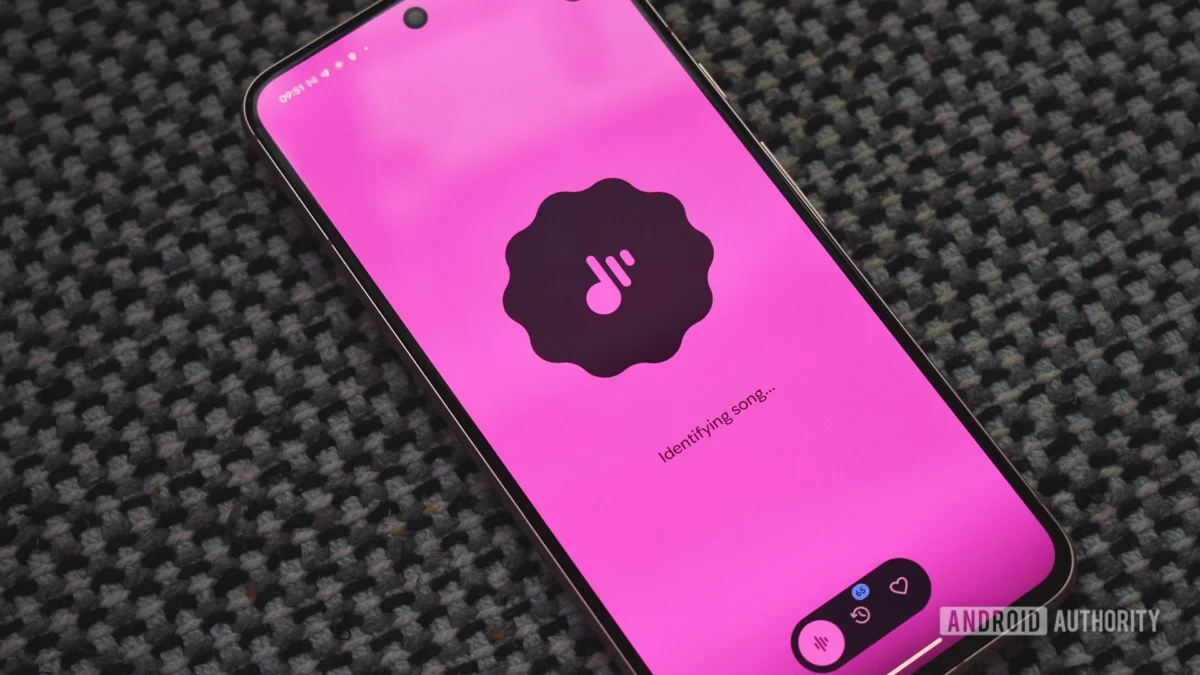
For years, Pixel users have enjoyed the seamless, low-friction convenience of "Now Playing," a feature that quietly identifies the music playing in their environment without requiring a manual search or a button press. It has long been a staple of the Google Pixel experience—a "set it and forget it" tool that populates a lock-screen notification whenever a song is recognized. However, recent findings from an APK teardown suggest that Google is not content with simply naming tunes.
The tech giant appears to be laying the groundwork for a significant pivot, moving from a specialized music recognition tool to a comprehensive, system-wide utility currently codenamed "Audio Memory" (internal codename: "blueflax"). This potential evolution, uncovered within the latest Android System Intelligence updates, suggests that Google’s ambient audio capabilities are about to get significantly more ambitious, potentially bridging the gap between passive music discovery and active, AI-driven conversation logging.
The Core Revelation: What is Audio Memory?
At its heart, "Audio Memory" seems to be a structural evolution of the existing Now Playing framework. By migrating the underlying architecture into a broader category, Google appears to be consolidating how the Android operating system processes, identifies, and catalogues audio information.
Based on the code strings extracted from the recent Android System Intelligence update, the feature is designed to perform two primary functions: tracking music playing in your physical environment and identifying audio content originating from within other apps on your device.
The onboarding text for the feature is particularly revealing. It tells users: "Keep track of what you hear throughout your day, from the music around you to your important conversations." This phrase is the primary catalyst for the current speculation, as it marks the first time such an explicit reference to "conversations" has been linked to the system-level audio recognition technology previously reserved for music.
A Chronology of Google’s Audio Recognition Evolution
To understand where "Audio Memory" is heading, one must look at the path Google has traveled to get here.
- 2017: The Introduction of Now Playing: Debuting with the Pixel 2, Now Playing changed the game by utilizing a low-power, always-on chip to compare ambient audio against a local database of digital fingerprints. It was a privacy-first approach that kept the processing local, only reaching out to the cloud when a match couldn’t be found.
- 2020–2023: Feature Maturation: Over the next several years, Google expanded the database, improved offline accuracy, and introduced "Now Playing History," allowing users to view a list of songs identified throughout their day.
- 2025: The Standalone App: Google recently pivoted to make Now Playing a dedicated, standalone app, signaling a move toward more granular user control and perhaps prepping the UI for the more complex "Audio Memory" interface.
- 2026 (The Current Horizon): The appearance of "blueflax" code strings suggests the next iteration is currently in active development. By shifting the branding from a music-specific tool to "Audio Memory," Google is essentially signaling a change in scope—from identifying entertainment to capturing "contextual life logs."
Supporting Data: Analyzing the "Blueflax" Strings
The code strings provided in the recent teardown offer a granular look at the feature’s planned onboarding process. Key elements include:
- Privacy Assurance: The disclaimer explicitly states, "Background conversations and audio are never sent to Google." This is a critical distinction that Google is clearly emphasizing to mitigate privacy concerns—a necessary step if they intend to move into the territory of recording or transcribing conversations.
- Expanded Functionality: The text confirms that the feature will distinguish between "music around you" and "music on your device." This suggests a more robust integration with the Android OS, where the system is aware of audio output streams from other installed applications.
- The "Conversation" Hook: While the current code highlights music, the inclusion of "important conversations" as a primary value proposition for the user indicates that this tool will eventually incorporate some form of audio-to-text processing or semantic indexing.
The Implications: A New Era of Personal AI?
The jump from identifying a catchy pop song to logging "important conversations" is significant. If Google intends for Audio Memory to act as a personal note-taker, the implications for productivity and privacy are profound.
1. The Productivity Shift
If Audio Memory can effectively index conversations, it could serve as a powerful competitor to dedicated AI note-taking apps like Otter.ai or Samsung’s Voice Recorder. Imagine a scenario where a user leaves a meeting, and their phone, having been granted permission by the user, has already summarized the key talking points of the discussion. This turns the phone from a passive device into an active participant in the user’s professional life.
2. The Privacy Paradox
Google is clearly aware of the "creepiness" factor. By emphasizing "privacy-preserving analytics" and local processing in the onboarding text, they are attempting to build trust before the feature even launches. However, the prospect of an always-listening device—even if the processing is local—will inevitably trigger a debate regarding user consent, data retention, and the potential for secondary use of that data by third-party advertisers.
3. Integration with Gemini
It is impossible to discuss this development without considering Google’s broader AI strategy. "Audio Memory" feels like the perfect companion to Gemini. If the audio is processed locally, it could be fed directly into a local Large Language Model (LLM) on the device, allowing users to query their own history: "What did Sarah say about the project timeline during our meeting at lunch?"
Official Responses and Industry Context
As of this writing, Google has not released an official statement regarding the "Audio Memory" codename or the specific functionality of "blueflax." Such features are often tested in controlled environments, and there is no guarantee that the "conversation" aspect of the code will make it to the final, consumer-facing product.
In the industry, there is a clear trend toward "Ambient Computing." Apple, Samsung, and Microsoft are all aggressively pursuing AI-driven features that blur the lines between device activity and user context. Google’s potential move here is a defensive and offensive play: they are doubling down on the Pixel’s identity as the "smartest" phone while simultaneously creating a moat around their ecosystem by making the phone an indispensable memory aid.
Looking Ahead: The Future of "Blueflax"
We are likely looking at a phased rollout. It is highly probable that the first iteration of "Audio Memory" will focus exclusively on the expanded music recognition capabilities—handling both environmental audio and in-app media. The conversation-tracking element may arrive later as a "Gemini-powered" add-on, likely gated behind specific hardware requirements (such as the latest Tensor chips) to ensure the necessary NPU (Neural Processing Unit) performance is available for local transcription.
For now, the tech community is watching the development builds of Android System Intelligence closely. Whether this ends up being a revolutionary tool for memory management or simply a rebranded, slightly more capable version of the music-ID tool we already know, one thing is clear: the way our devices listen to our world is fundamentally changing.
The "Audio Memory" initiative is a bold attempt by Google to redefine the role of the smartphone. By shifting the focus from "what is playing?" to "what was said?", Google is betting that the most valuable data a phone can provide is not a link to a Spotify stream, but the context of our daily lives. Whether users are ready to grant their devices that level of access remains the most important question of all.


 Asep Darmawan
 Nana Muazin