Nana Muazin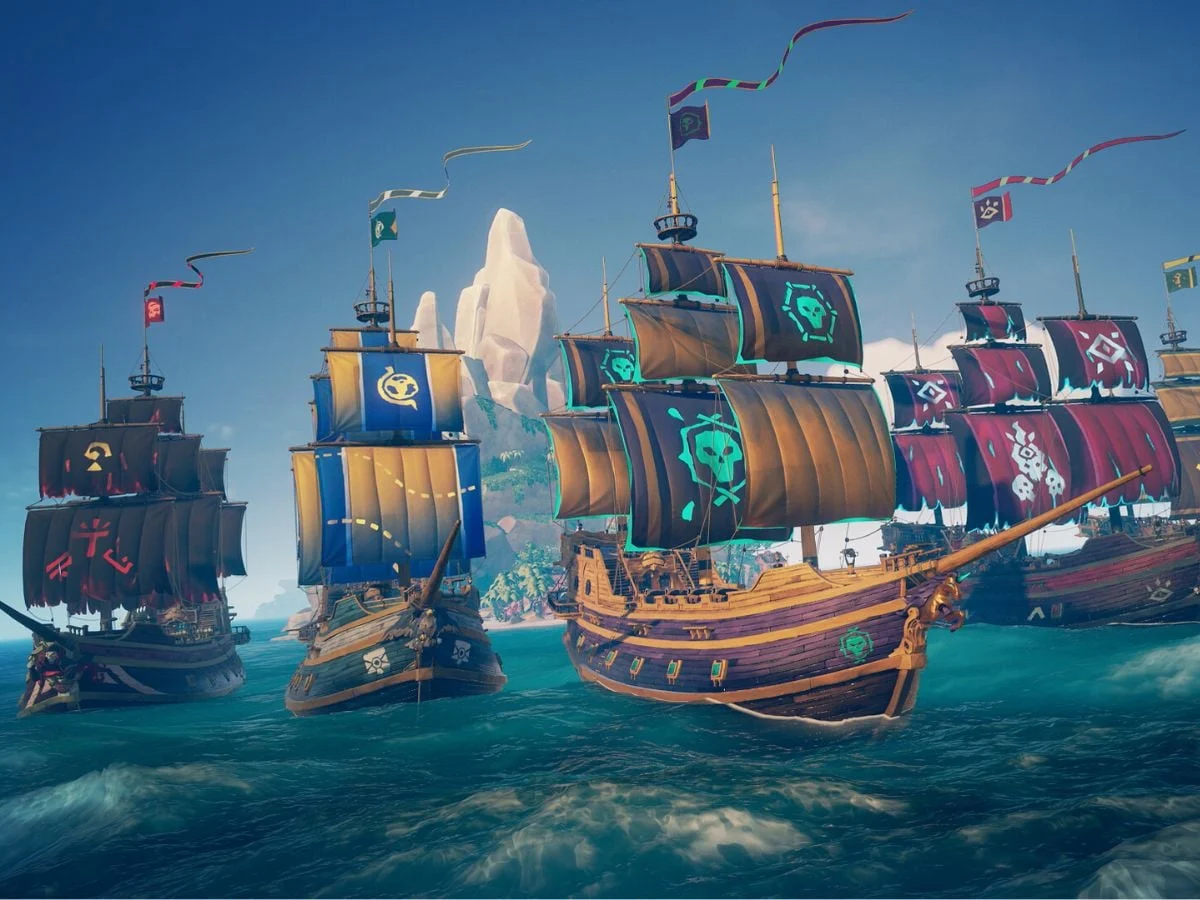
The landscape of modern cinema is currently undergoing a radical transformation, as intellectual property from the interactive world of video games becomes the primary fuel for Hollywood’s blockbuster engine. Following the seismic success of projects like HBO’s The Last of Us and the recent box-office dominance of The Super Mario Bros. Movie, Xbox is aggressively pivoting to bring its own stable of heavy-hitting franchises to the silver screen. The latest title to set sail for the horizon is Rare’s beloved open-world sandbox, Sea of Thieves.
As Xbox continues to deepen its commitment to multimedia expansion, the confirmation of a Sea of Thieves live-action film has sent ripples through both the gaming and film industries. With Destin Daniel Cretton, the visionary behind Marvel’s Shang-Chi and the Legend of the Ten Rings, attached to produce, the project is positioning itself as a high-stakes endeavor that seeks to translate the "pirate sandbox" experience into a cohesive narrative structure.
The Genesis: From Digital Sandbox to Cinematic Waters
Sea of Thieves, released in 2018 by Rare, was never designed as a traditional, linear narrative game. It was built on the ethos of player agency, emergent gameplay, and the unpredictability of a shared, open ocean. For years, the title has been celebrated not for its campaign, but for the stories that players generate organically: the tense ship-to-ship combat, the serendipitous alliances formed at taverns, and the quiet, atmospheric beauty of sailing under a virtual sun.
The announcement of a live-action film marks a significant departure from the game’s core identity. Unlike traditional adaptations that rely on pre-established protagonists like Nathan Drake or Joel Miller, Sea of Thieves offers a blank slate. This presents both a golden opportunity for creative freedom and a daunting hurdle for screenwriters tasked with translating a community-driven experience into a traditional three-act structure.
Chronology: The Evolution of the Xbox Adaptation Strategy
To understand why a Sea of Thieves movie is happening now, one must look at the recent, rapid acceleration of Xbox’s entertainment strategy.
- The Early Days (2018-2020): Following the initial launch of Sea of Thieves, the game grew steadily, cultivating a massive, dedicated community. During this period, Rare focused exclusively on iterative updates, transforming the game from a sparse sandbox into a rich, lore-filled ecosystem.
- The Shift Toward Multimedia (2021-2023): As competitors like Sony (via PlayStation Productions) began to find massive success with adaptations, Microsoft began realigning its internal focus. The success of the Halo series on Paramount+—despite its mixed critical reception—demonstrated that there was a hungry audience for Xbox’s flagship IP.
- The Current Era (2024-Present): With A Minecraft Movie looming on the horizon and the cultural phenomenon of Fallout on Prime Video, the green light for Sea of Thieves appears to be the next logical step. The addition of Destin Daniel Cretton as a producer signals that Xbox is looking for high-caliber creative talent to steer this ship.
Official Perspectives: The Challenge of the "Community-Driven" Narrative
The most pressing question regarding the adaptation remains: How do you turn a game that has no main character into a blockbuster film? Matt Booty, the Executive Vice President and Chief Content Officer at Xbox, recently addressed these concerns in an interview with Entertainment Weekly.
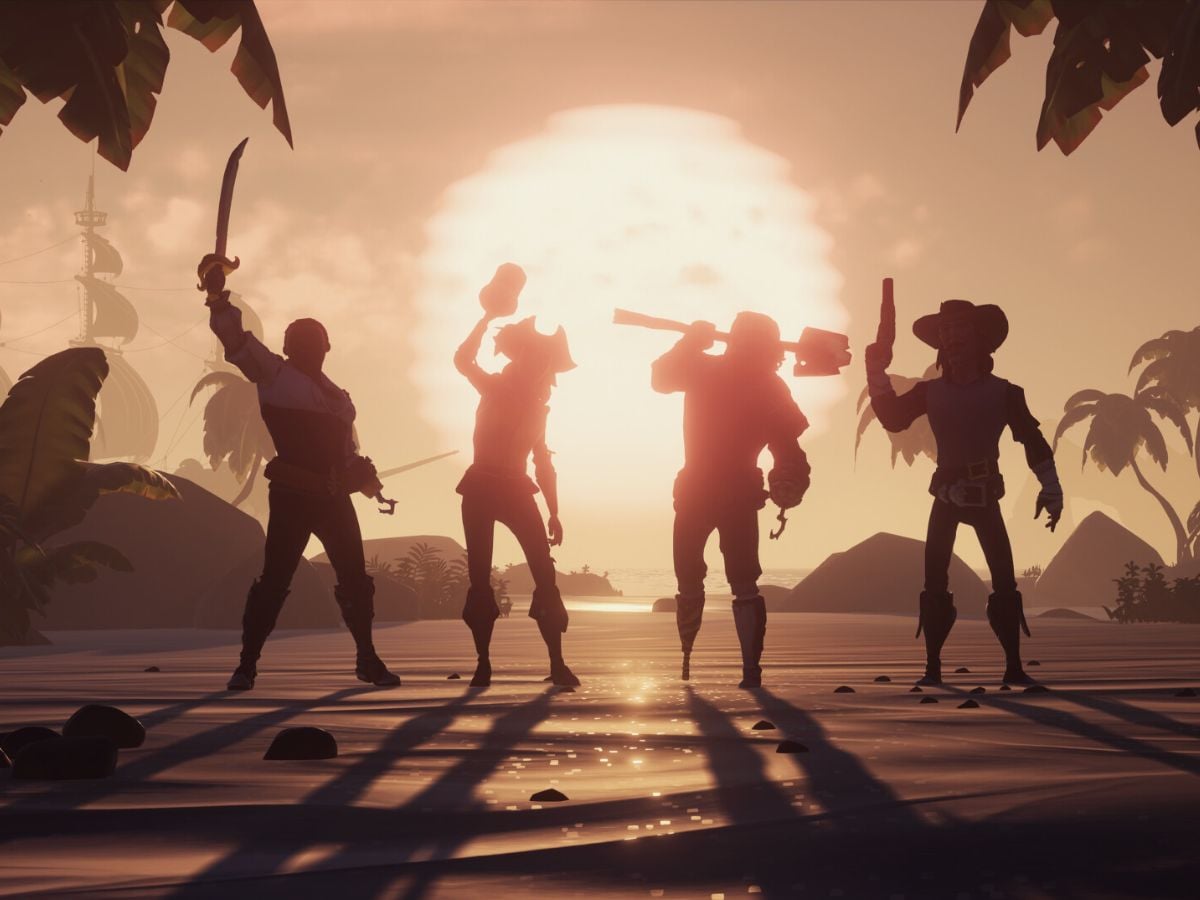
"The main character of a Sea of Thieves game is actually the player and the community," Booty noted. He highlighted that the film is not attempting to adapt a specific questline or historical event from the game, but rather the feeling of the game. "So if you sit down to think about Sea of Thieves, it’s not, ‘Who are the main characters? What’s the plot?’ It’s a super social game, but there’s a tone to Sea of Thieves. It’s built on a very cooperative community, so you can start to sense what that’s going to be like."
This perspective suggests that the film may lean into an ensemble approach, focusing on the camaraderie and the chaotic, high-seas antics that define the player experience. By prioritizing the tone—a mix of swashbuckling adventure, lighthearted humor, and the existential dread of the open ocean—the production team may be able to capture the essence of the game without being tethered to a rigid, pre-existing protagonist.
Supporting Data: Why ‘Sea of Thieves’ is Prime for Adaptation
Despite the narrative challenges, the data suggests that Sea of Thieves is a remarkably stable and valuable asset for an adaptation.
- Longevity and Retention: Since its 2018 launch, the game has maintained a consistent player base, recently bolstered by its expansion onto the PlayStation 5 platform. This multi-platform reach ensures that the film has a built-in global audience.
- Visual Identity: The game’s unique, stylized art direction—featuring lush, saturated color palettes and some of the most impressive water-rendering technology in the industry—provides a ready-made visual language for a film. A Sea of Thieves movie promises a aesthetic that differentiates itself from the gritty, grounded realism of many modern pirate films.
- Cultural "Hook": The pirate genre has long been a staple of cinema, but it has remained dormant for several years following the saturation of the Pirates of the Caribbean franchise. Sea of Thieves offers a fresh, vibrant, and slightly more whimsical take on the genre that could appeal to younger audiences who grew up with the game.
The Implications: What This Means for the Industry
The decision to produce a Sea of Thieves film carries significant weight for the broader entertainment industry. It signals that we are moving past the era of "safe" adaptations—where studios only picked games with deep, novelistic scripts—into an era of "experience" adaptations.
1. The Death of the "Narrative Requirement"
If a Sea of Thieves movie succeeds, it will prove that Hollywood can build compelling cinematic universes out of almost any interactive property, provided the "tone" is consistent. This opens the door for other sandbox games, such as Roblox or No Man’s Sky, to receive similar treatments.
2. The Rise of the Producer-Visionary
By attaching a director and producer of Destin Daniel Cretton’s stature, Xbox is showing that they intend to protect the quality of their IP. Rather than simply licensing the name, they are integrating veteran filmmakers into the creative process early, a strategy that has become the gold standard for successful video game adaptations.
3. The Xbox Cinematic Universe
With Halo, Fallout, Minecraft, and now Sea of Thieves, Microsoft is effectively building a "Game Pass for Movies." The goal is clear: to ensure that the Xbox brand is synonymous with entertainment, whether the user is holding a controller or sitting in a theater seat.
Challenges Ahead: The "Stormy" Horizon
While the project has significant backing, the road to production will not be without its storms. The lack of a confirmed director or screenwriter is a glaring void in the current announcement. Crafting a script that balances the chaotic, non-linear nature of the game with the demands of a narrative film is a massive creative undertaking.
Moreover, the film will face the inevitable comparison to the Pirates of the Caribbean franchise. To succeed, the Sea of Thieves film must avoid simply copying Jack Sparrow’s antics. It must lean into what makes the game special: the community. Whether that means focusing on a crew of unlikely friends, the pursuit of legendary loot, or the supernatural threats of the deep, the film must feel like a love letter to the players who have spent hundreds of hours in Rare’s digital ocean.
Conclusion
The announcement of a Sea of Thieves movie is more than just a press release; it is a declaration of intent from Microsoft. They are no longer content with being a gaming giant; they are aiming to be a cultural powerhouse. As the project moves from the initial development phase into pre-production, the industry will be watching closely.
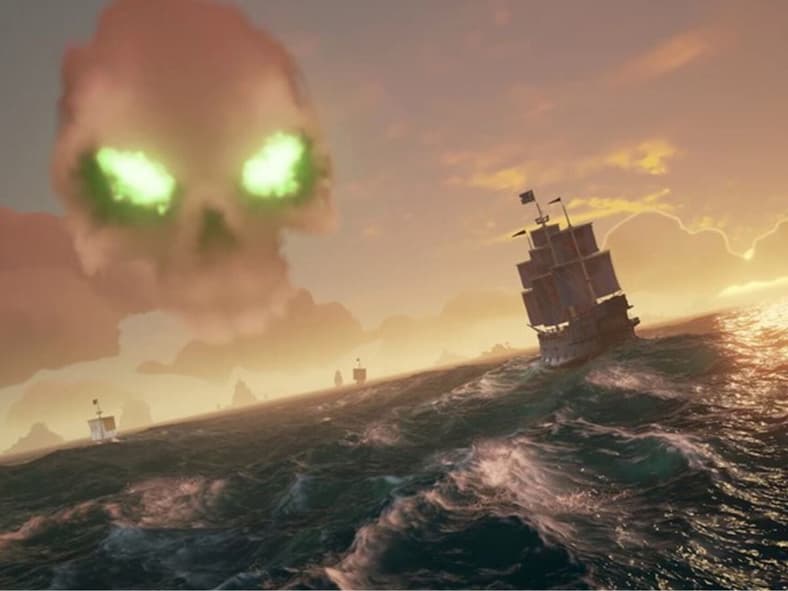
Can a game defined by player freedom and community chaos be distilled into a linear, cinematic experience? If anyone can pull it off, it will be the team that manages to harness the same spirit of adventure that has kept millions of pirates sailing the virtual seas for over half a decade. For now, the sails are hoisted, the anchor is raised, and the industry waits to see if this voyage will lead to buried treasure or a shipwreck on the rocks of Hollywood’s unforgiving standards.

 Sagoh
Sagoh
 Ammar Sabilarrohman