Lina Hope
In a move that signals a seismic shift in the international anime landscape, streaming giant Netflix and the acclaimed animation studio MAPPA have officially entered into a "strategic partnership." Announced on January 21, this collaboration marks a deepening of ties between the Silicon Valley titan and one of Japan’s most prolific and prestigious production houses. The agreement is designed to streamline the creation, distribution, and commercialization of anime, potentially altering the traditional "production committee" model that has governed the industry for decades.
While the partnership promises a steady stream of high-quality content for Netflix’s global subscriber base, it has also sparked intense speculation regarding the future of MAPPA’s most valuable intellectual properties, including Jujutsu Kaisen and Chainsaw Man. As Netflix seeks to solidify its position as the premier destination for adult-oriented animation, the industry is watching closely to see how this alliance will influence the creative and business standards of the medium.
The Landmark Agreement: Exclusivity and Global Co-Development
The core of the January 21 announcement centers on a collaborative framework that extends far beyond simple licensing. According to official statements from both parties, Netflix and MAPPA will work together on new projects with a "global perspective," involving themselves in every stage of the lifecycle—from initial story development and character design to global marketing and merchandise.

A key pillar of this deal is exclusivity. Moving forward, a designated slate of original MAPPA-produced anime titles will premiere exclusively and simultaneously on Netflix in over 190 countries. This "simulcast" approach is intended to synchronize the viewing experience for fans worldwide, eliminating the months-long delays that often plague international releases. By integrating MAPPA’s technical prowess with Netflix’s massive distribution infrastructure, the partnership aims to maximize the cultural impact of new releases from day one.
Chronology: From Vendor to Strategic Partner
The relationship between Netflix and MAPPA has evolved through several distinct phases over the last decade, mirroring the broader growth of anime on streaming platforms.
- The Licensing Era (2018–2020): Netflix initially acted as a secondary distributor for MAPPA projects. Titles like Kakegurui and Dorohedoro were acquired after their domestic Japanese broadcasts, often appearing on the platform as "Netflix Originals" despite Netflix having little involvement in their production.
- The Co-Production Phase (2021–2023): The relationship matured with the release of Yasuke, an original series produced by MAPPA and created by LeSean Thomas, which was built specifically for Netflix. This was followed by the acquisition of global streaming rights for Vinland Saga Season 2 and Hell’s Paradise: Jigokuraku, indicating a preference for MAPPA’s grittier, high-fidelity aesthetic.
- The Strategic Partnership (2025): The current announcement represents the third and most significant phase. Unlike previous one-off deals, this is a long-term structural alliance. It transitions MAPPA from a "studio-for-hire" or a "licensor" into a core strategic pillar of Netflix’s content strategy.
Supporting Data: The Exponential Growth of Anime Viewership
The logic behind Netflix’s aggressive pursuit of MAPPA is rooted in compelling internal data. During the announcement, Netflix revealed that anime viewership on the service has tripled over the past five years. This surge is not limited to Japan; more than half of Netflix’s global members—approximately 130 million households—now consume anime regularly.
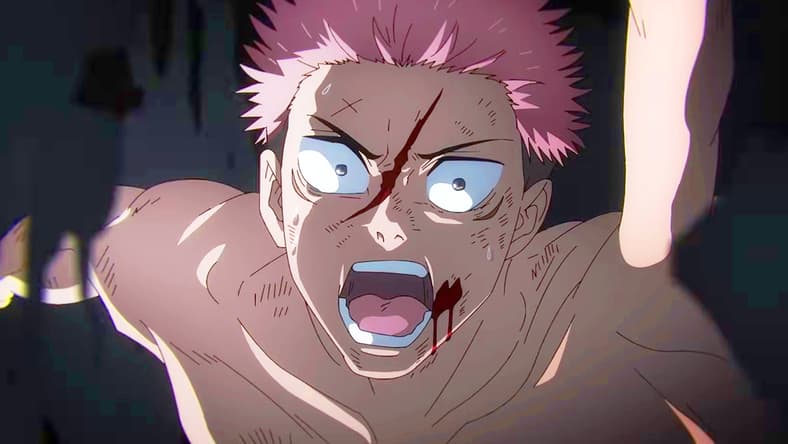
For Netflix, anime represents a high-retention genre. Unlike live-action series that may suffer from "one-and-done" binge-watching, anime often fosters dedicated fanbases that engage with the content through re-watches and merchandise. MAPPA, in particular, has become a "prestige brand" within this ecosystem. The studio’s involvement in Attack on Titan: The Final Season and Jujutsu Kaisen has elevated its status to the point where the studio’s name alone acts as a marketing draw, similar to how Pixar or Marvel operates in the West.
Official Responses: Leadership Visions
The leadership of both organizations has framed the deal as a "win-win" that addresses the evolving needs of the global market.
Manabu Otsuka, President and CEO of MAPPA, emphasized the need for Japanese studios to take a more proactive role in the business side of the industry. "Japanese animation studios must proactively lead every stage, from understanding global audience needs and developing projects to reaching viewers and expanding related businesses," Otsuka stated. He further noted that the partnership aligns with MAPPA’s core belief in remaining "independent creatively and in business," suggesting that the Netflix deal provides the financial security necessary to maintain high production standards without being beholden to traditional domestic committees.

Kaata Sakamoto, Vice President of Content for Netflix Japan, echoed this sentiment, praising MAPPA’s willingness to take risks. "MAPPA is a remarkable studio that has continuously taken on bold challenges and achieved unprecedented forms of expression," Sakamoto said. He highlighted that the partnership is built on a shared "courage to take risks," which he believes is essential for creating compelling content that resonates across different cultures.
Implications: The Live-Action Shadow and Industry Disruption
While the official press release focused on animation, the "strategic" nature of the partnership has raised a terrifying—or exciting, depending on the fan—possibility: live-action adaptations of MAPPA’s flagship hits.
The Specter of Live-Action Chainsaw Man
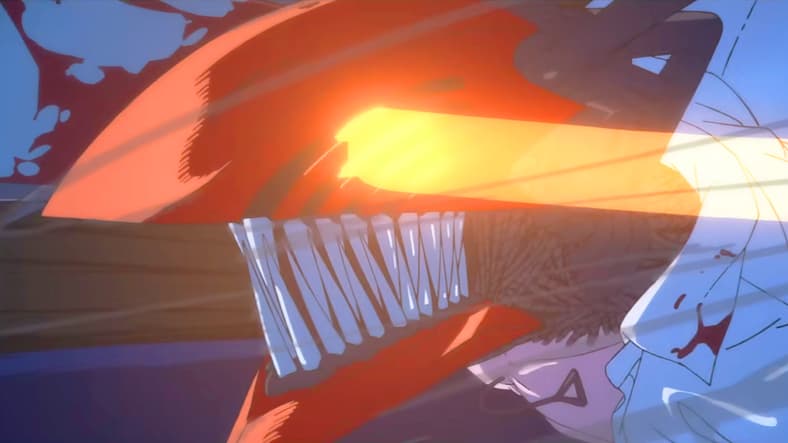
Netflix has a well-documented history of attempting to translate popular anime into live-action. While the 2023 One Piece series was a resounding success, previous attempts like Death Note and Cowboy Bebop were met with critical derision. The expanded partnership with MAPPA lowers the barrier of entry for Netflix to propose live-action versions of Chainsaw Man or Jujutsu Kaisen.

However, a significant legal hurdle remains: Shueisha. As the publisher of the Weekly Shonen Jump magazine, Shueisha holds the primary rights to these IPs. MAPPA is currently the animation license holder, not the owner of the characters. For a live-action project to move forward, Netflix would need to navigate a complex three-way negotiation between themselves, MAPPA, and Shueisha. Given Shueisha’s recent willingness to experiment with Western live-action (as seen with Saint Seiya and One Piece), industry analysts believe such a deal is no longer "if," but "when."
Disrupting the "Production Committee" Model
Historically, anime is produced by a committee of stakeholders (publishers, record labels, toy companies). While this spreads risk, it also dilutes profits for the animation studio itself. By partnering directly with Netflix, MAPPA may be attempting to bypass this model. If Netflix provides the bulk of the funding in exchange for exclusive rights, MAPPA retains more creative control and a larger share of the backend revenue, particularly in merchandising.
The Quality vs. Quantity Debate
MAPPA has frequently faced criticism from within the industry regarding its intense production schedules and the workload placed on animators. Critics worry that a "strategic partnership" with a high-volume platform like Netflix might exacerbate these issues. However, supporters of the deal argue that the influx of Netflix capital could allow MAPPA to expand its staff and improve infrastructure, potentially leading to a more sustainable working environment if managed correctly.
Conclusion: A New Frontier for the Medium
The Netflix-MAPPA partnership is more than just a content deal; it is a declaration of intent. For Netflix, it is a move to secure the "HBO of Anime" to its platform, ensuring that the next global phenomenon happens under its roof. For MAPPA, it is a bid for global autonomy, leveraging its creative reputation to secure a seat at the table with the world’s largest media distributors.
As "multiple new anime projects" enter planning and production under this new banner, the focus remains on whether this alliance will prioritize the artistic integrity that made MAPPA famous or the algorithmic demands of a global streaming service. Regardless of the outcome, the January 21 announcement marks the beginning of a new chapter where the lines between Japanese creativity and Western distribution are permanently blurred.


 Raul Delapena Setiawan
 Laily UPN