Evan Lee Salim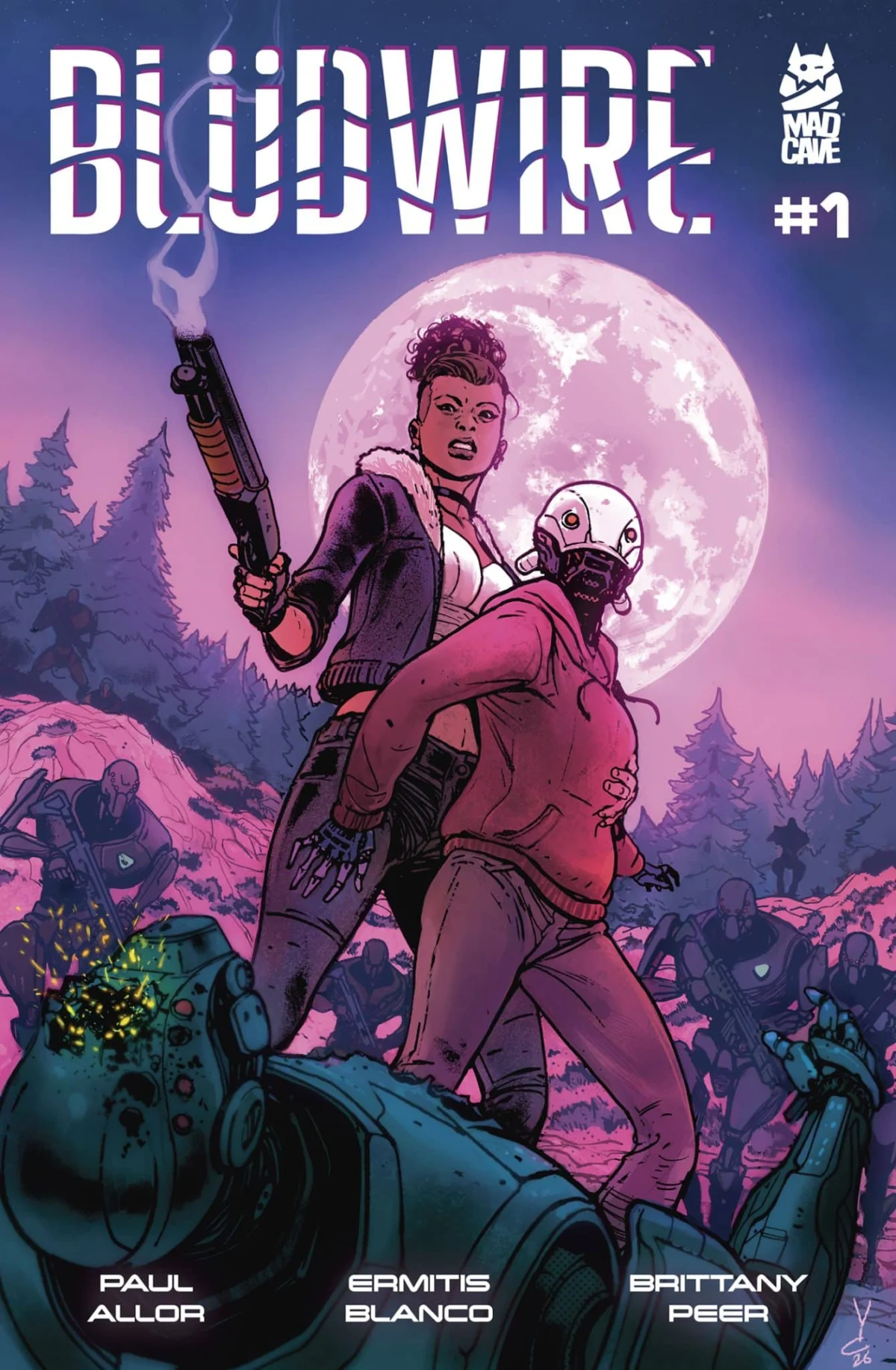
On June 23, 2026, the comic book industry turned its collective gaze toward the latest high-octane offering from Mad Cave Studios: Blüdwire #1. Written by Paul Allor and illustrated by Ermitis Blanco, this debut issue promises a visceral exploration of autonomy, corporate ethics, and the resilience of love in a world that views sentient beings as disposable assets.
As the lines between synthetic biology and humanity continue to blur in contemporary science fiction, Blüdwire arrives as a timely, pulse-pounding addition to the genre. With high-stakes action and a narrative that questions the morality of ownership, the series has already generated significant buzz among fans of cyberpunk aesthetics and character-driven thrillers.
Main Facts: The Premise of Blüdwire
At its core, Blüdwire #1 is a story of liberation and survival. The narrative centers on two protagonists, Ace and Zora, who were originally manufactured for a singular, exploitative purpose: human pleasure. However, the story shifts away from their past functions and focuses entirely on their nascent independence.

The inciting incident involves a high-stakes, dangerous rescue mission initiated by Ace, a sex-bot who decides to defy her programming to save the woman she loves, Zora. This is not a story about political grandstanding or the start of a sprawling, multi-year revolution; it is, at its heart, a grounded and intimate rescue thriller. As Allor writes, Ace isn’t trying to change the world—she is simply trying to save her partner.
The tension is ratcheted up by the reality of their existence: they are classified as "valuable property." In the ruthless world of the Blüdwire universe, the corporate entity that owns these assets does not take kindly to unauthorized "malfunctions." A lethal corporate kill squad is dispatched to reclaim the property, leading to a narrative defined by relentless pacing, explosive combat, and the visceral imagery of "metal screaming" and "rivers of blood and coolant."
Chronology: The Road to Release
The path to Blüdwire #1 has been marked by a carefully orchestrated marketing campaign by Mad Cave Studios. Following a series of teasers throughout the spring of 2026, the official solicitation and preview pages were released in late June, just ahead of the book’s availability.
- Early 2026: Initial announcements regarding the collaboration between writer Paul Allor and artist Ermitis Blanco began circulating within trade publications.
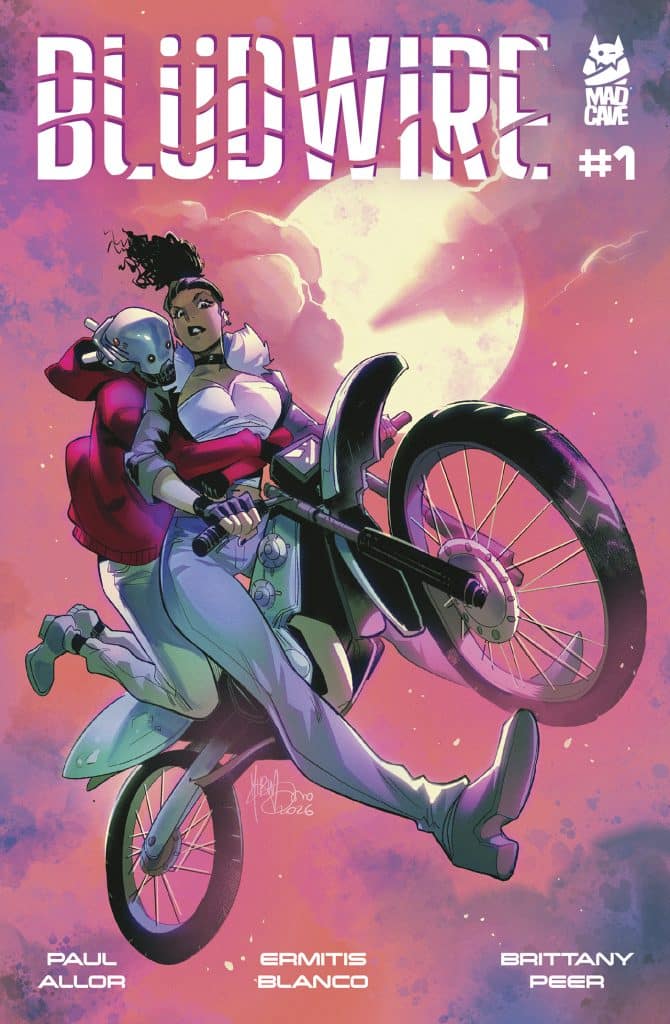
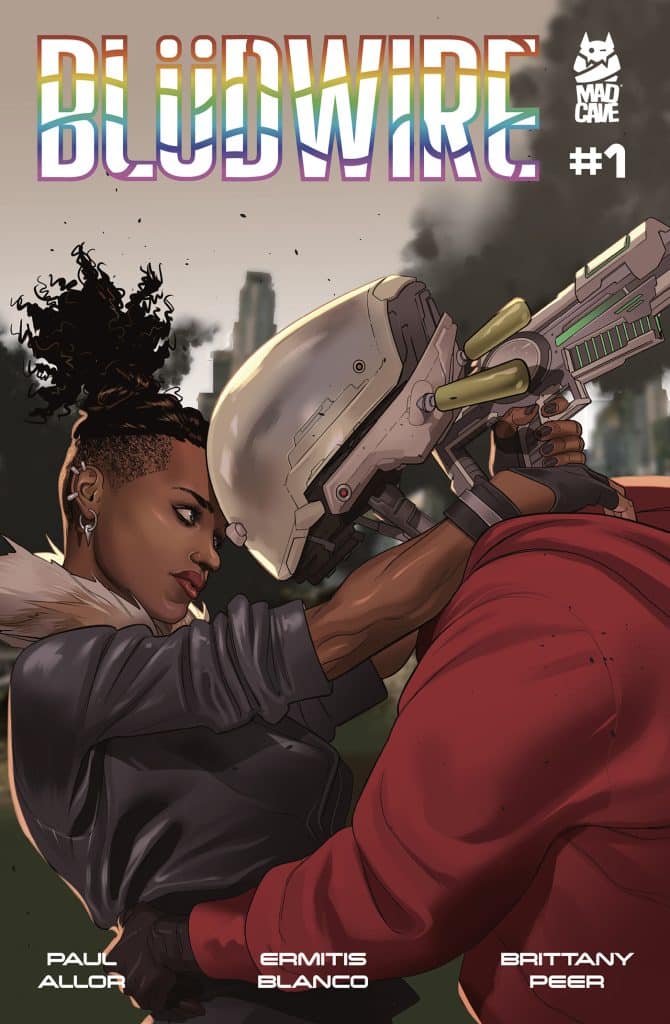
- May 2026: Mad Cave Studios released the cover art, showcasing the aesthetic evolution of the series. The visuals, which lean heavily into gritty, neon-soaked industrialism, established the book’s tone.
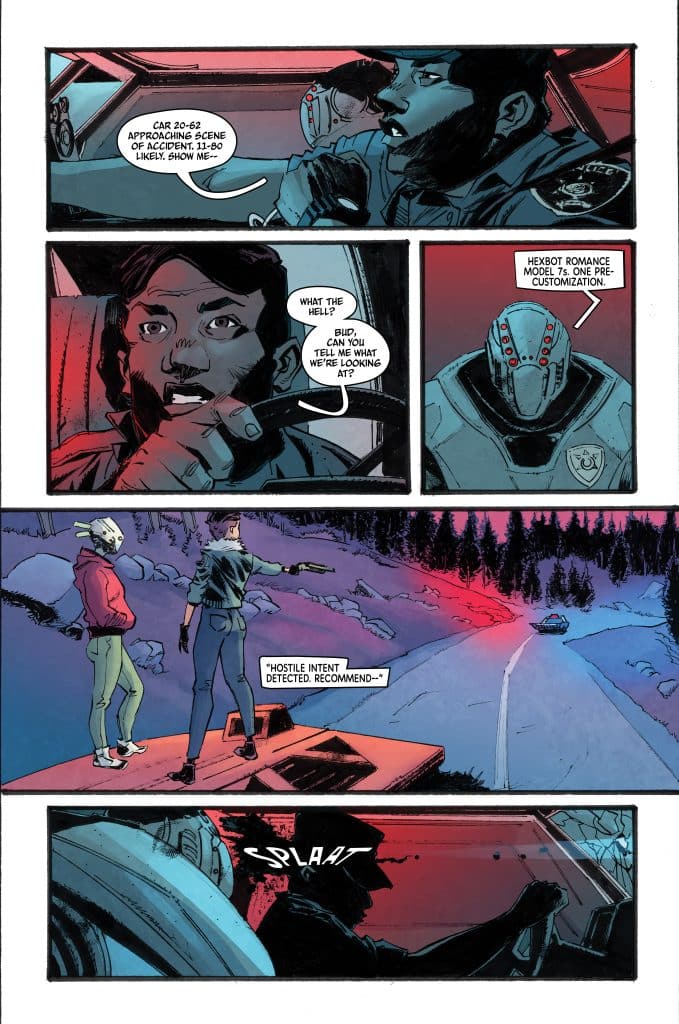
- June 23, 2026: Official preview pages were released to the public, offering a glimpse into the kinetic, high-impact art style that characterizes Blanco’s work.
- Post-Release Outlook: The title is positioned as one of the key summer releases for Mad Cave, with a focus on capturing the demographic that appreciates character-heavy science fiction, such as Blade Runner or Ghost in the Shell.
Supporting Data: The Creative Team and Visual Identity
The success of a genre-bending comic often relies on the synthesis between the script and the visual language. Paul Allor, a seasoned veteran of the industry known for his sharp dialogue and ability to imbue mechanical characters with profound human pathos, provides a script that balances fast-paced action with moments of quiet intimacy.
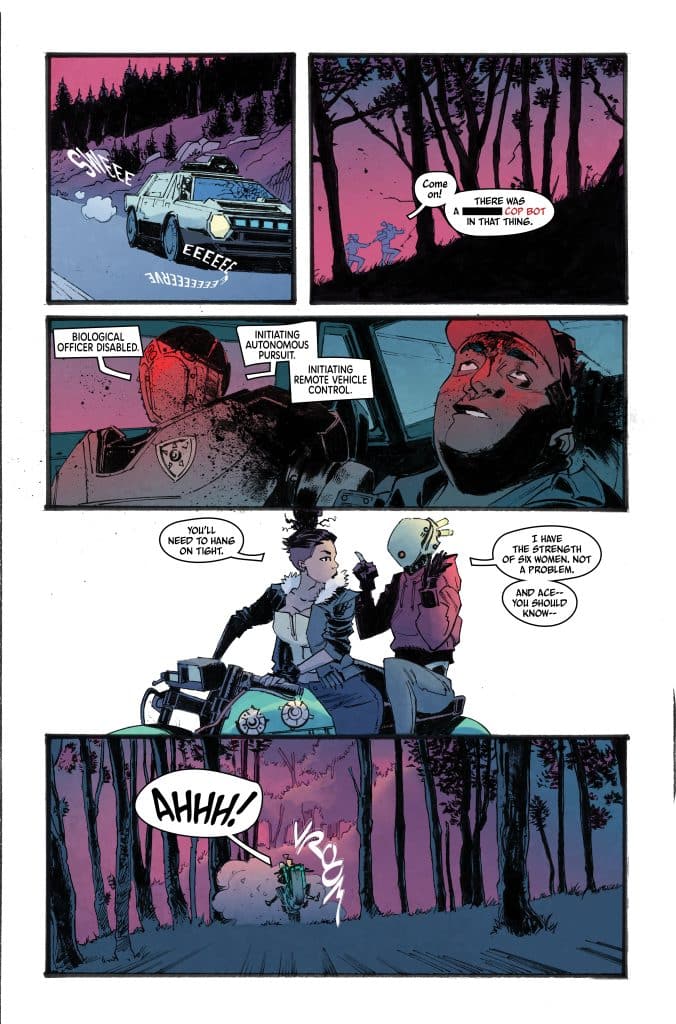
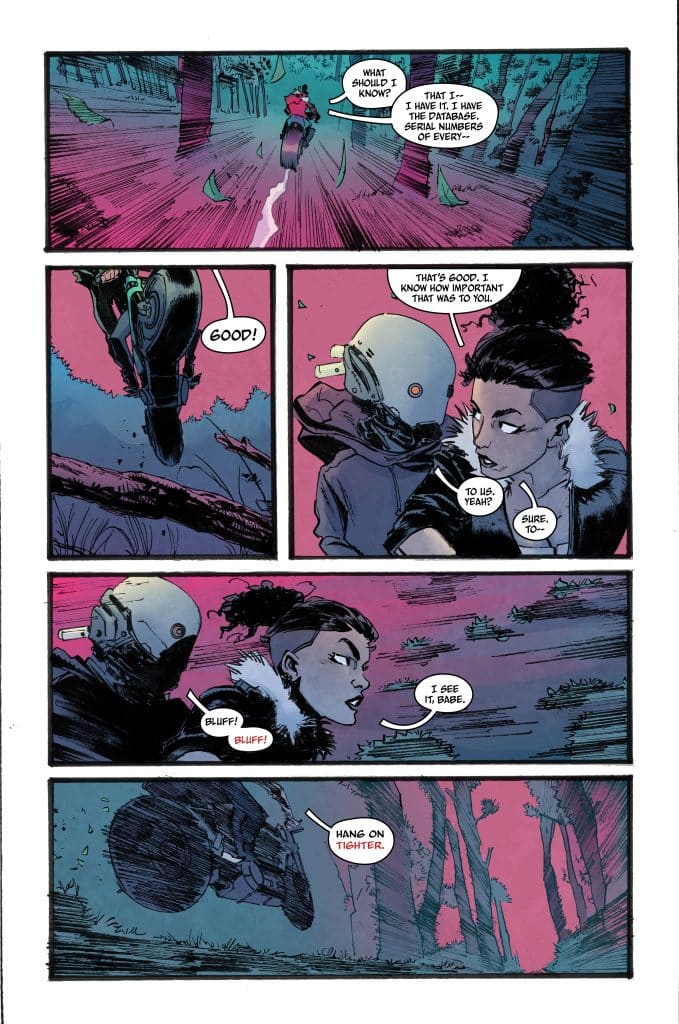
Ermitis Blanco’s art serves as the perfect conduit for this story. In the released preview pages, the reader is met with dynamic panel layouts that emphasize the kinetic energy of the combat sequences. The use of lighting—particularly the juxtaposition of cold, sterile corporate environments with the warmth of the protagonists’ bond—reinforces the thematic conflict. The color palette, which frequently contrasts deep, metallic greys with vibrant, warning-sign reds, serves as a visual metaphor for the violent collision between "blood and coolant."
The book also features multiple cover variants, a standard practice for modern comic publishing, designed to cater to both casual readers and collectors. These covers emphasize different aspects of the story—some focusing on the action-oriented pursuit, others on the emotional core of the bond between Ace and Zora.
Official Responses and Industry Context
While full critical reviews are pending, initial industry discourse has been overwhelmingly positive regarding the direction Mad Cave Studios is taking with its recent slate of creator-owned titles.
"We wanted to tell a story that felt immediate," a representative for Mad Cave Studios noted during the lead-up to the launch. "It’s not just about robots fighting; it’s about the right to self-determination. Paul and Ermitis have crafted something that feels both terrifyingly futuristic and painfully human."
The industry at large has noted the shift toward "cyber-noir" in the mid-2020s. As AI and automation continue to integrate into daily life, stories like Blüdwire act as a mirror to modern anxieties. By focusing on characters who are legally defined as objects but internally defined as individuals, the comic taps into a philosophical vein that has sustained science fiction for decades, from Isaac Asimov to modern auteurs.
Implications: Why Blüdwire Matters
The arrival of Blüdwire #1 is significant for several reasons:
1. The Humanization of Technology
The central tension of Blüdwire is the gap between how the world perceives Ace and Zora and how they perceive themselves. In a literary landscape often dominated by "AI takeover" tropes, this story chooses a more intimate path. By focusing on the rescue of a loved one, the narrative strips away the cold, detached nature of technology and replaces it with the warmth—and danger—of human emotion.
2. Corporate Dystopia as a Backdrop
The inclusion of a "corporate kill squad" places the series firmly within the tradition of cyberpunk. This is not a world where the protagonists can simply walk away; they are bound by the chains of property law. This creates a claustrophobic sense of dread, as the reader knows that the corporate antagonists have infinite resources, while the protagonists have only their wits and their bond.
3. Visual Storytelling in Action
The preview pages demonstrate a sophisticated understanding of sequential art. Blanco’s ability to render the "scream of metal" through line work and perspective provides a sensory experience that distinguishes Blüdwire from more dialogue-heavy sci-fi comics. The pacing is designed to mimic the urgency of a high-speed chase, forcing the reader to move through the pages as quickly as the characters are moving through their world.
4. A New Chapter for Mad Cave Studios
Mad Cave Studios has been steadily carving out a niche as a publisher willing to take risks on high-concept, genre-bending material. Blüdwire serves as a flagship for their 2026 catalog, signaling that they are doubling down on creators who can blend intense, visceral action with deep, character-focused storytelling.
Conclusion
As we look toward the remainder of 2026, Blüdwire stands as a compelling case study in how to revitalize classic genre tropes. By grounding its high-concept premise in the very human need to protect those we love, Paul Allor and Ermitis Blanco have created a story that feels both epic and intensely personal.
Whether it becomes a runaway hit or a cult classic, Blüdwire succeeds in its primary mission: it makes us care about the humanity found in the machine. Readers looking for a mix of philosophical inquiry and pulse-pounding action will find much to admire in the first issue. As the bullets fly and the coolant leaks, one thing is certain—the revolution, however small or personal it may be, has only just begun.

 Sagoh
Sagoh
 Ammar Sabilarrohman