Nila Kartika Wati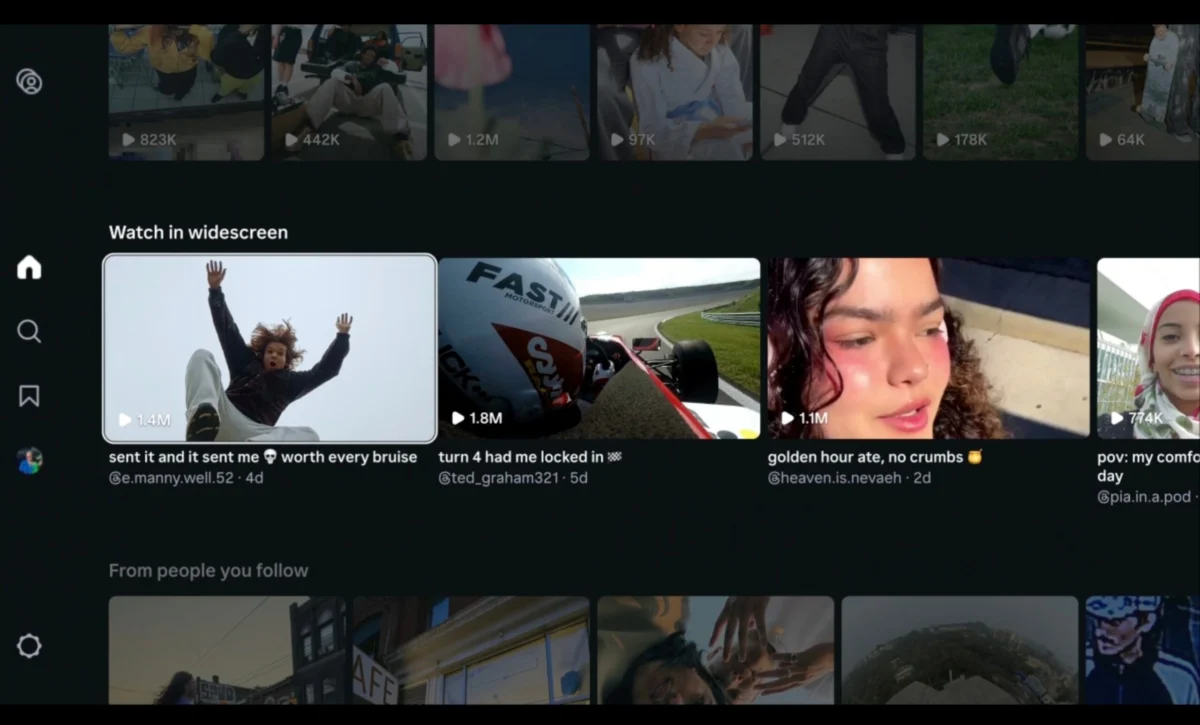
In a strategic shift that marks a major departure from its mobile-first roots, Meta has officially expanded its "Instagram for TV" application to Samsung Smart TVs across the United States. This move completes a triumvirate of major platform integrations, positioning Instagram to dominate the living room alongside Amazon Fire TV and Google TV. By transforming a platform synonymous with "doomscrolling" on a five-inch screen into a shared, communal experience on a 65-inch display, Meta is signaling a profound change in how we consume social content.
The Main Facts: Instagram Hits the Big Screen
The deployment of the Instagram for TV application to Samsung devices—covering models from 2020 to the present—represents a significant milestone in Meta’s ecosystem expansion. The application is designed to be more than just a mirrored feed; it is a curated, lean-back experience intended to facilitate group viewing.
Key features currently rolling out include:

- Interest-Based Channels: Users can now navigate content grouped by categories such as comedy, sports, and creator-specific feeds, removing the need for aimless scrolling.
- Enhanced Casting Capabilities: Users can cast Reels directly from their mobile devices to the television. This includes seamless access to the "Saved" tab, allowing users to queue up curated content for friends and family to view together.
- Horizontal Content Optimization: Recognizing that vertical mobile video often suffers on landscape television displays, Meta is testing a dedicated home interface specifically designed for wide-form content.
A Chronology of Integration
The path to the living room has been a calculated, multi-year progression for the social media giant. While Instagram has long experimented with video formats, the push for television integration began in earnest during the latter half of 2025.
- December 2025: Instagram for TV makes its official debut on Amazon Fire TV. This launch served as the "beta test" for the platform, allowing developers to observe how users engaged with short-form content in a stationary, living room environment.
- February 2026: Following a successful pilot, the application expands to the Google TV ecosystem, further legitimizing the platform as a viable alternative to traditional streaming services.
- June 2026: The Samsung Smart TV rollout commences. With Samsung holding a massive share of the North American television market, this move is widely seen as the tipping point for Instagram’s transition into a mainstream living room utility.
- Mid-2026 and Beyond: Meta has confirmed it is currently in the testing phase for "Live on TV" and "Episodic Series," marking the next logical evolution in the platform’s roadmap.
Supporting Data: Changing Consumption Habits
The pivot toward television is not merely an aesthetic choice; it is driven by shifting user behaviors. According to industry data, the "social-to-streaming" pipeline is accelerating. Users are increasingly turning to platforms like Instagram, TikTok, and YouTube to discover their next favorite shows, rather than relying solely on traditional cable or subscription video-on-demand (SVOD) catalogs.
The integration of "Saved" tab casting is particularly telling. Data suggests that the majority of engagement on social platforms is highly personal, but a growing subset of users curates content specifically to share with partners or roommates. By removing the friction of passing a phone around the couch, Instagram is positioning itself to compete directly with services like Netflix or Hulu for "prime time" attention.

Furthermore, the introduction of interest-based channels is a direct response to the "paradox of choice." When users are presented with a bottomless feed, they often suffer from decision fatigue. By organizing content into channels, Meta is mimicking the familiar, comforting structure of traditional linear television, making it easier for users to commit to a 20-minute session rather than a three-minute distraction.
Official Responses and Strategic Vision
In a statement released via the Meta Newsroom, company representatives emphasized that the goal is "connecting people around what they’re watching." The company is currently working in close coordination with a select group of creators to determine which formats resonate most in a communal setting.
"We are still learning what works on a TV screen versus a phone," a Meta spokesperson noted. The ambiguity of the current rollout is intentional. By treating the TV application as a living laboratory, Meta is avoiding the pitfalls of previous social-media-on-TV attempts, which often failed by simply porting a mobile interface to a remote-controlled device.

The focus now is on "Series"—a feature that allows creators to group Reels into cohesive, sequential stories. By moving away from the ephemeral nature of a single, looping video and toward an episodic model, Meta is attempting to build the retention metrics that define successful long-form streaming platforms.
The Implications: Is Social Media Becoming Cable?
The implications of this move are significant for both creators and the broader media landscape.
1. The Death of the Vertical-Only Aesthetic
For years, the "9:16" vertical aspect ratio was the holy grail of mobile engagement. However, as Instagram moves to the TV, creators are being forced to reconsider their cinematography. We are likely to see a surge in "hybrid" content: videos shot in 4K that look professional on a large screen but remain punchy enough to grab attention in a mobile feed. This will inevitably change the aesthetics of influencer marketing.

2. Competition for the "Living Room Share"
Instagram is no longer just competing with TikTok; it is now competing with HBO, Disney+, and live sports broadcasts. If a user spends an hour watching an "Instagram Series" on their Samsung TV, that is an hour of lost time for traditional streaming giants. This puts pressure on legacy media companies to either partner with Meta or find ways to make their own content more "socially" interactive.
3. The Future of Live Broadcasting
Perhaps the most ambitious aspect of the update is the promise of "Live on TV." Historically, Instagram Live has been a handheld, raw, and often chaotic experience. If Meta successfully optimizes this for the television, it could revolutionize the "second screen" experience. Imagine watching a major sporting event or a political debate while simultaneously accessing a creator’s live reaction on the same screen. It bridges the gap between the passive consumption of broadcast TV and the active, chaotic participation of social media.
4. Challenges and Potential Hurdles
Despite the excitement, significant hurdles remain. The "AI slop" problem—where platforms are flooded with low-quality, AI-generated content—is a growing concern. If the living room experience is marred by low-effort, algorithmically generated filler, users may quickly revert to established, high-quality streaming services. Meta will need to refine its recommendation algorithms to ensure that the "TV experience" feels premium, not like a bottom-of-the-barrel content farm.

Furthermore, the user experience (UX) challenge of navigation remains. A TV remote is not a touchscreen; navigating thousands of short clips with a D-pad can be frustrating. Meta’s success will ultimately hinge on how well they can translate the "swipe" gesture into a seamless, intuitive remote-control experience.
Conclusion: The New Frontier
The expansion of Instagram to Samsung Smart TVs is a clear indicator that the boundaries between social media and traditional television are dissolving. We are moving toward a future where the distinction between a "show" and a "post" is entirely artificial.
Whether this transition will result in a more enriched viewing experience or simply a larger, more intrusive window into the world of "doomscrolling" remains to be seen. However, one thing is certain: the couch is no longer a sanctuary from the feed. As Meta continues to iterate on episodic content and live broadcasting, the television is rapidly becoming the ultimate destination for the next generation of social media consumption. For creators, the challenge is clear: it’s time to stop thinking in seconds and start thinking in series.

 Raul Delapena Setiawan
 Asep Darmawan