Asep Darmawan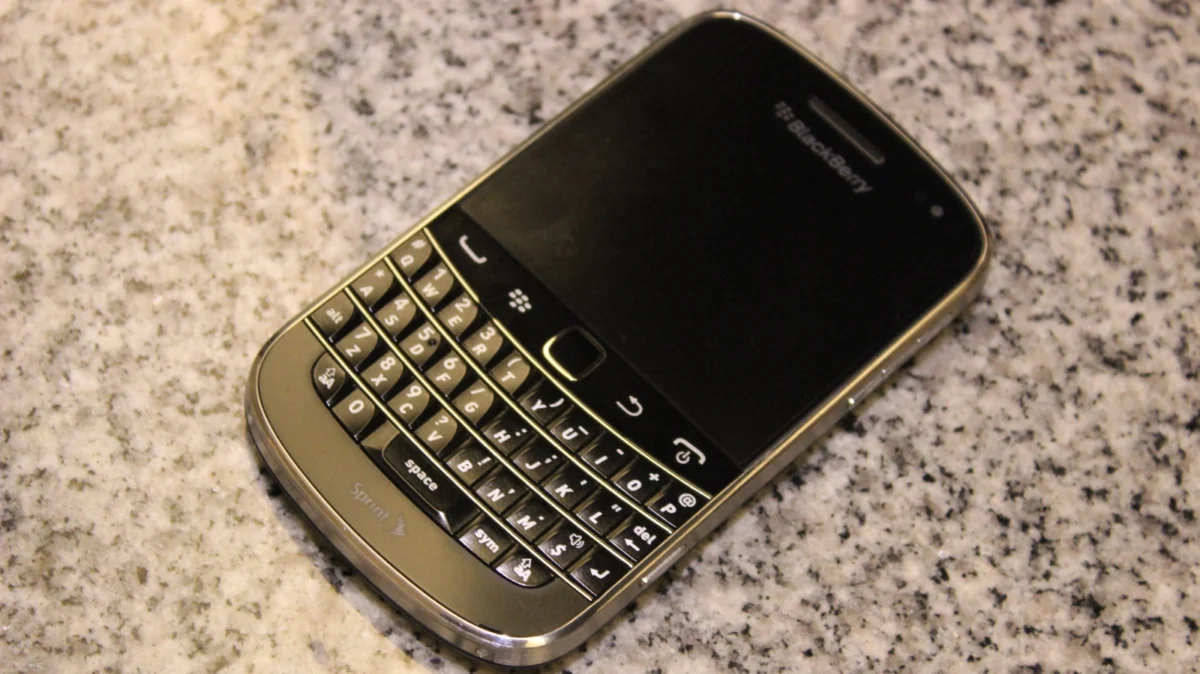
The smartphone industry has spent over a decade in a state of homogeneity. Since the triumph of the iPhone and the subsequent standardization of the "glass slab" design, the tactile joy of physical keys has been largely relegated to the history books. For many, the transition from the BlackBerry era—defined by the satisfying click of a QWERTY keyboard—to the all-touchscreen paradigm was a loss of character and utility. However, as 2026 dawns, a surprising trend is emerging: the physical keyboard is making a comeback.
Driven by a mix of digital minimalism, a craving for tactile feedback, and a rejection of the "AI-everything" status quo, several manufacturers are betting that consumers are ready to trade screen real estate for the precision of physical buttons.
The Chronology: From BlackBerry Dominance to Niche Resurgence
To understand the current appetite for "BlackBerry-like" devices, one must look at the trajectory of the mobile market.
- 2000–2010: The Golden Age of the BlackBerry. During this decade, the physical keyboard was the industry standard for business professionals. The "CrackBerry" phenomenon was defined by the speed at which users could fire off emails.
- 2010–2015: The Great Shift. As capacitive touchscreens matured, the "slab" design proved superior for media consumption. BlackBerry’s attempt to pivot—most notably the 2015 BlackBerry Priv—attempted to bridge the gap with a slide-out keyboard, but the market had already shifted.
- 2016–2023: The Era of the Glass Slab. Physical keyboards became an extreme rarity, confined to ruggedized devices or niche hobbyist gadgets.
- 2024–2026: The Minimalist Rebellion. Growing concerns regarding screen addiction and the "AI-fatigue" generated by mainstream devices have created a vacuum. Startups and boutique hardware firms are now filling this gap with devices that prioritize focus over infinite scrolling.
The Philosophy of Minimalism: The Minimal Phone
At the forefront of this movement is the Minimal Phone. In an era where tech giants are aggressively integrating AI features into every corner of the operating system, the Minimal Phone takes a hard pivot toward simplicity.
Featuring a monochromatic E-ink display and a dedicated physical keyboard, the device is designed to be a tool rather than a distraction. The E-ink screen is a strategic choice; it is excellent for reading and text-based productivity but intentionally ill-suited for the high-frame-rate video consumption that keeps users glued to traditional smartphones.
From a technical standpoint, the device offers 6GB of RAM and 128GB of storage, which, while modest, is more than sufficient for its utilitarian mission. Early reviews, such as those from PCMag, have praised the "clicky" nature of the keys, noting that the inclusion of per-key backlighting makes it a legitimate contender for low-light environments. At a $500 price point, the Minimal Phone asks a significant question of the consumer: Are you willing to pay for a "dumbed-down" experience to reclaim your attention?
Innovation via Modularity: The Ikko Mind One Pro
While the Minimal Phone leans into the "dumb phone" aesthetic, the Ikko Mind One Pro approaches the problem from a modular perspective. Branded as an "AI companion," the device avoids the pitfalls of previous, poorly received AI-only gadgets like the Humane AI Pin or Rabbit R1 by functioning as a legitimate, standalone smartphone.
The device features a 4-inch square AMOLED display with a 90Hz refresh rate. However, the true "BlackBerry-killer" feature is its snap-in case. By connecting to the USB-C port, this case provides a full QWERTY keyboard and a Hi-Fi DAC for audiophiles.
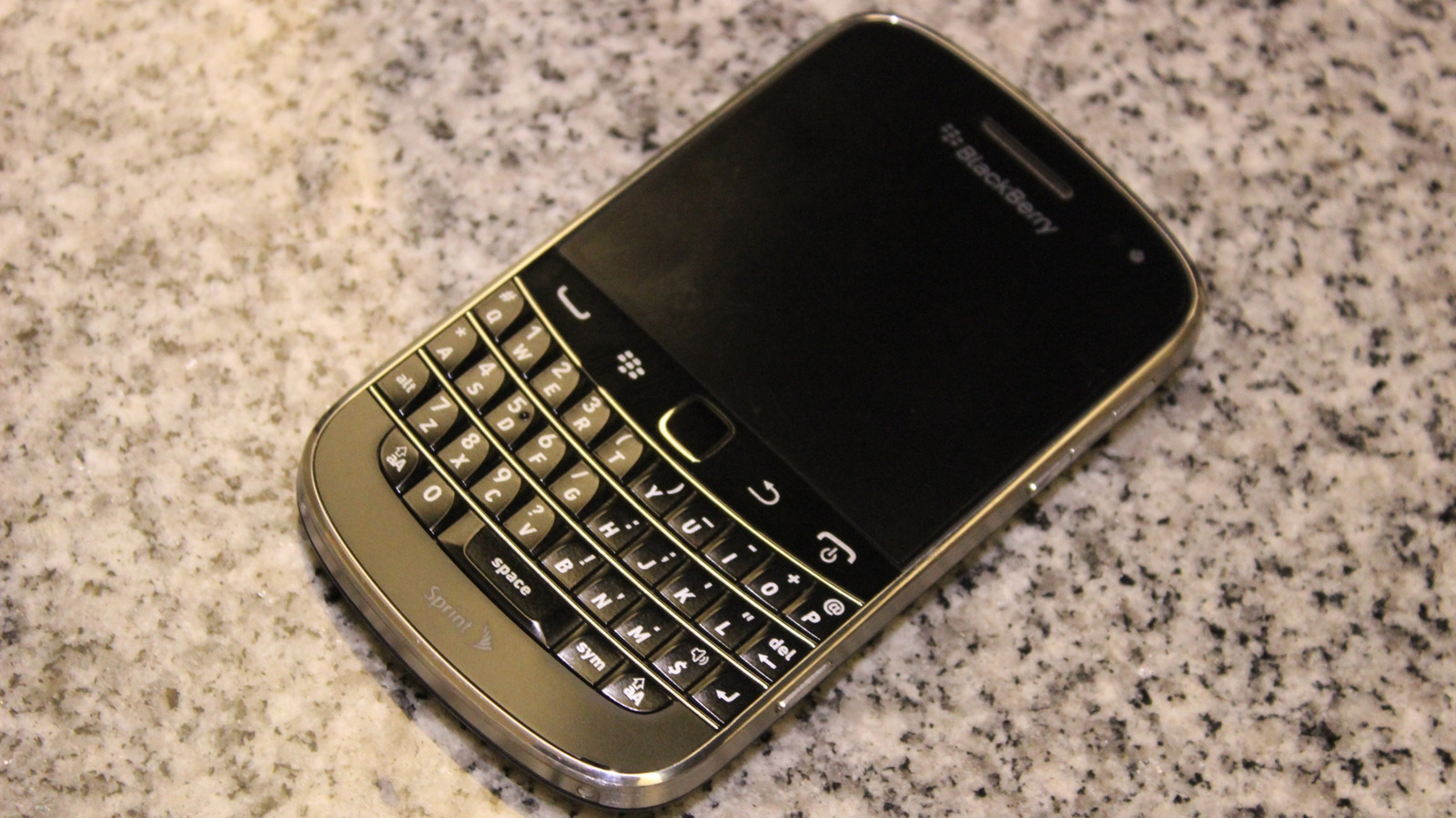
The strategy here is flexibility. By decoupling the keyboard from the phone, Ikko allows users to maintain a slim, modern profile when they don’t need to type, while providing a professional-grade typing experience when they do. With its 50-megapixel camera and $500 base price (plus an $80 investment for the keyboard case), it sits in a unique middle ground for the modern professional.
The Rugged Professional: Unihertz Titan 2 Elite
Unihertz has carved out a reputation for creating devices that ignore mainstream design trends. The Unihertz Titan 2 Elite is the spiritual successor to the BlackBerry devices of the mid-2010s, combining a 4-inch 120Hz AMOLED display with a permanent, physical keyboard.
Unlike the Minimal Phone, the Titan 2 Elite is a powerhouse. It features a Dimensity 7400 chipset, 12GB of RAM, and 256GB of storage. Perhaps most impressively, Unihertz has promised five years of Android updates, signaling that this device is intended for long-term ownership rather than disposable consumption.
The keyboard on the Titan 2 Elite is capacitive, meaning it supports gesture inputs—a direct nod to the BlackBerry Priv. While the square aspect ratio of the screen remains a hurdle for modern social media apps, for those who use their device primarily for email, secure communication, and task management, it is arguably the most "BlackBerry-like" experience available in 2026.
The Legacy of Clicks: Bringing BlackBerry DNA to the Masses
Perhaps the most significant development in this space is the Clicks ecosystem. Founded with the help of Joseph Hofer—a former lead designer at BlackBerry—the company has brought authentic design pedigree to the market.
The Clicks Power Keyboard is a versatile accessory compatible with devices featuring MagSafe or Qi2, while also offering Bluetooth connectivity. It allows iPhone users to transform their existing handsets into keyboard-equipped devices, effectively turning a modern smartphone into a hybrid machine.
However, the upcoming Clicks Communicator is the true headline. It is a standalone, purpose-built smartphone that integrates the keyboard directly into the chassis. Early impressions suggest it brings back features that modern flagship phones have abandoned, including a 3.5mm headphone jack, an SD card slot, and a classic notification LED. By focusing on these "lost" hardware features, Clicks is effectively targeting the nostalgia and utility-driven market segments simultaneously.
Supporting Data and Technical Implications
The shift toward these devices is supported by shifting consumer demographics. Market analysis indicates that while the "Generalist" consumer remains tethered to the 6.7-inch, all-touchscreen flagship, a growing sub-segment of "Power Users" and "Digital Minimalists" are actively seeking hardware differentiation.
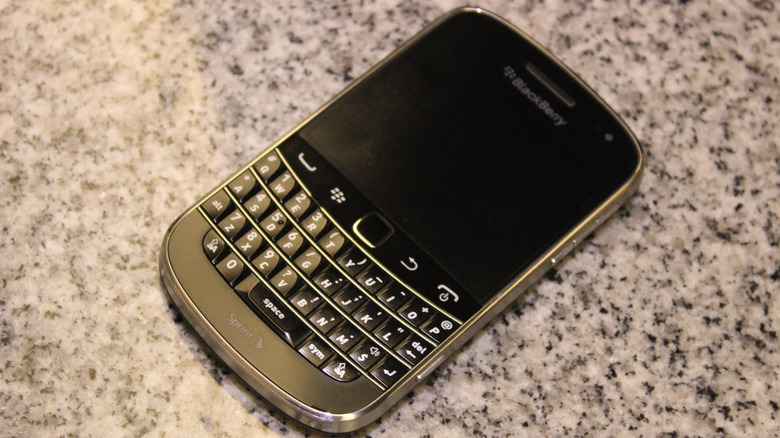
| Device | Keyboard Type | Display | Key Target Audience |
|---|---|---|---|
| Minimal Phone | Fixed | E-ink | Digital Minimalists |
| Ikko Mind One Pro | Modular (Snap-on) | 4-inch AMOLED | Productivity/Audiophiles |
| Unihertz Titan 2 Elite | Fixed (Capacitive) | 4-inch AMOLED | Business/Rugged Users |
| Clicks Communicator | Fixed (Integrated) | 4-inch AMOLED | Former BlackBerry Loyalists |
The technical implication of these devices is the re-introduction of the 1:1 or 4:3 aspect ratio. While modern apps are optimized for tall, narrow screens, the industry is seeing a secondary market demand for square-display optimization. This poses a challenge for developers, yet it also presents an opportunity for a cleaner, more focused UI design.
Official Responses and Industry Outlook
Manufacturers remain optimistic. In recent press statements, spokespeople from Clicks and Unihertz have emphasized that they are not competing with Apple or Samsung for the mass market. Instead, they are providing a necessary "corrective" to the industry.
"We aren’t trying to replace the phone you use to watch Netflix," a representative for one of these firms noted during a recent trade show. "We are trying to replace the phone you use to work, to think, and to communicate without the constant, high-frequency interruptions of a modern, attention-economy-optimized device."
Implications for the Future of Mobile
The revival of the QWERTY keyboard is more than just a nostalgic trend; it is a rejection of the "one-size-fits-all" model of mobile computing. As mobile operating systems become increasingly bloated with generative AI and background tracking, the appeal of a physical, "dumbed-down" interface becomes clearer.
If these devices continue to gain traction, we may see a bifurcation in the smartphone market. We will likely continue to have the "Entertainment Slab" for media consumption, but alongside it, the "Tactile Tool"—a dedicated device for writing, managing, and connecting.
For the BlackBerry faithful, the era of compromise is over. Whether through the minimalist approach of the Minimal Phone, the rugged endurance of the Unihertz Titan, or the design-forward innovation of Clicks, the tactile experience is finally back where it belongs: in the palm of your hand. 2026 may be remembered as the year we finally started typing again.

 Raul Delapena Setiawan