Nila Kartika Wati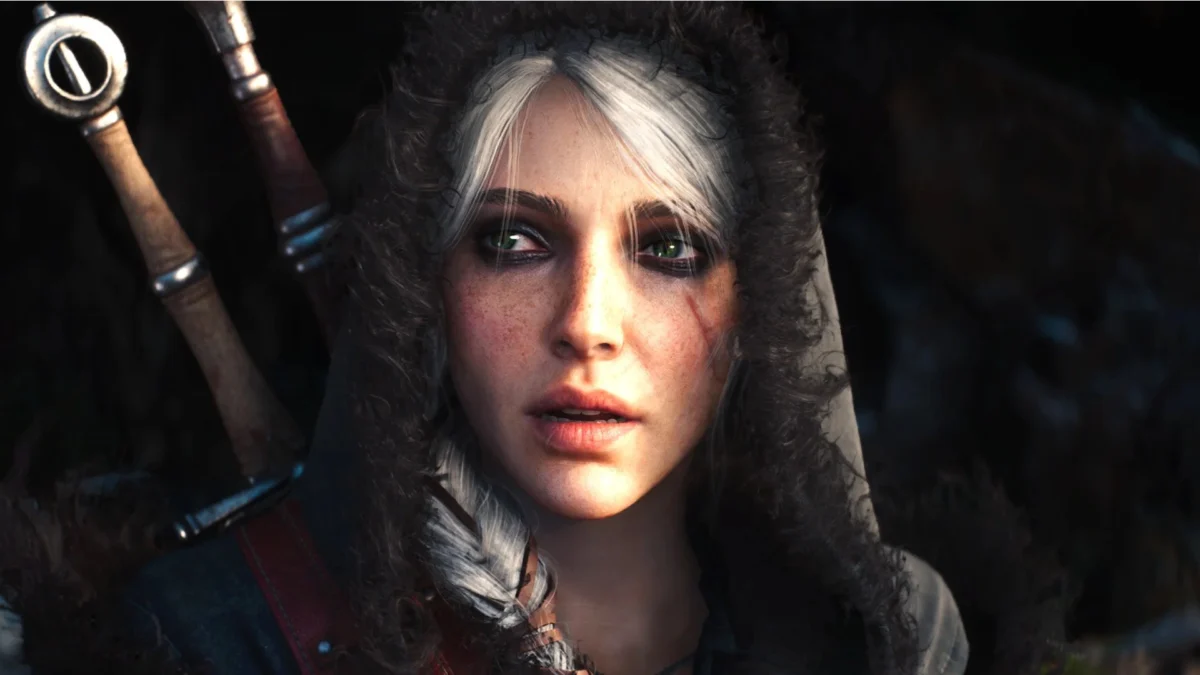
The gaming industry is built on a currency of trust. When a studio earns the reputation of being a champion of the consumer, that trust becomes an intangible asset more valuable than any marketing budget. For years, CD Projekt Red (CDPR) held that crown, largely thanks to the universal acclaim of The Witcher 3: Wild Hunt. However, in December 2020, that goodwill evaporated overnight.
Years later, the shadow of Cyberpunk 2077’s catastrophic launch still looms over the Warsaw-based developer. In a candid reflection on the company’s trajectory, co-CEO Michał Nowakowski has acknowledged that while the studio has made significant strides in technical recovery, the long-term damage to their brand reputation may be permanent. As the company pivots toward the highly anticipated The Witcher 4, the lessons of the past serve as both a cautionary tale and a blueprint for the future.
The Anatomy of a Disaster: A Chronological Retrospective
To understand the weight of Nowakowski’s comments, one must revisit the timeline of what is widely considered the most turbulent launch in modern AAA history.
The Hype Cycle (2012–2020)
Cyberpunk 2077 was announced in 2012, long before the release of The Witcher 3. For eight years, the game was framed as the ultimate evolution of the open-world RPG. The marketing machine, fueled by Keanu Reeves’ involvement and promises of a "next-generation" immersive experience, created an atmosphere of near-impossible expectations.
The December 2020 Launch
When the game finally arrived on December 10, 2020, the reality shattered the illusion. On last-generation consoles—the PlayStation 4 and Xbox One—the game was virtually unplayable. Performance was marred by severe frame-rate drops, assets failed to load, and the game suffered from game-breaking bugs that crashed systems.
The Aftermath and Removal
The backlash was unprecedented. Within days, CDPR was forced to issue a public apology and offer full refunds. In an extraordinary move, Sony pulled Cyberpunk 2077 from the PlayStation Store, an action almost unheard of for a major AAA title. The company’s stock price plummeted, and their reputation as a "player-first" developer was effectively neutralized.
The Long Road Back (2021–2024)
Over the next three years, CDPR initiated a massive, resource-heavy redemption arc. They poured millions of dollars and thousands of man-hours into patching the game. The turning point came with the release of the 2.0 update and the Phantom Liberty expansion, which finally delivered the experience fans were promised at launch. Today, the game is widely praised as a masterpiece of the genre, but the journey to reach that state was grueling.
Official Responses: Nowakowski’s Candid Admission
In a recent interview with Jörg Tittel for Edge’s Knowledge newsletter, Michał Nowakowski offered a level of transparency rarely seen from high-level executives. He characterized the launch of Cyberpunk 2077 as "heartbreaking" and expressed a sobering outlook on the company’s current standing.

"I’m not 100 percent convinced we went through the full redemption arc," Nowakowski stated. He went on to admit that the company had lost the faith of a segment of their audience indefinitely. This is a profound admission for a CEO to make; it acknowledges that no amount of post-launch patching can fully erase the experience of a betrayed customer.
However, Nowakowski remains forward-looking. He views the upcoming The Witcher 4 (codenamed Project Polaris) as a pivotal moment—not just for revenue, but for the soul of the studio. "I do hope we will be able to make it back," he noted, "if not with The Witcher 4, then with whatever comes next."
The Shift in Strategy: Learning from Failure
The trauma of the 2020 launch has fundamentally altered CD Projekt Red’s operational philosophy. The developer is no longer moving forward with the same unbridled confidence that characterized its approach to Cyberpunk.
Console-First Development
One of the most significant changes is the decision to prioritize "console-first" development for The Witcher 4. During the Cyberpunk development cycle, the team focused primarily on the PC version, attempting to optimize it for consoles only in the final months. This proved to be a fatal strategic error. By shifting the development pipeline to focus on console performance from day one, CDPR is ensuring that the game will not suffer from the same hardware bottlenecks that crippled their last major release.
The Cultural Pivot
Beyond technical changes, the company has undergone a structural reorganization. They have moved away from the "crunch" culture that defined the end of the Cyberpunk development cycle, adopting more sustainable development practices. This shift is intended to improve both employee morale and the quality of the final product.
The Focus on Ciri and Beyond
The upcoming entry in The Witcher franchise is a major departure for the series, centering on new narratives and characters—most notably Ciri. By moving away from the established Geralt of Rivia arc, CDPR is signaling that they are willing to take creative risks, provided they are built on a foundation of technical stability.
Implications: Can Reputation Ever Be Fully Recovered?
The case of CD Projekt Red raises a larger question for the gaming industry: Is there a "statute of limitations" on a failed launch?
The Persistence of Brand Damage
Brand loyalty is a fickle thing. For many players, the Cyberpunk 2077 launch created a "once bitten, twice shy" mentality. When a developer fails to deliver on a promise of such magnitude, it changes the way that developer’s future marketing is perceived. Even if The Witcher 4 launches in a perfect state, it will likely be met with intense scrutiny and skepticism, with critics looking for any sign of a return to 2020-era instability.

The Power of High-Quality Iteration
Conversely, the success of the Cyberpunk 2077 2.0 update and Phantom Liberty proves that modern gaming audiences are capable of forgiveness if the final result is high enough in quality. Many players who abandoned the game in 2020 returned in 2023 to find a game that actually met their expectations. This suggests that while trust may be damaged, it is not necessarily destroyed. The path to redemption is simply longer and more expensive than the path to a smooth launch.
The Stakes for The Witcher 4
For CDPR, The Witcher 4 is not just another game; it is an existential test. If the launch is smooth, they will have successfully executed a "turnaround" story for the history books. If it is buggy or poorly optimized, the "indefinite" loss of trust that Nowakowski fears will likely become permanent.
Conclusion: The Long Road Ahead
Michał Nowakowski’s honesty regarding the state of CD Projekt Red’s reputation is a refreshing, if somber, reality check. The studio is currently caught between the ghosts of its past and the immense pressure of its future. They have proven that they have the talent to create world-class experiences—the current version of Cyberpunk 2077 is a testament to their technical prowess.
However, the company’s challenge is no longer just about making a great game; it is about rebuilding the narrative of their own identity. By shifting to a console-first development cycle, prioritizing stability, and acknowledging the pain they caused their user base, CDPR is taking the right steps.
Whether these efforts are enough to win back those who walked away remains to be seen. In an industry where competition for player attention is fiercer than ever, CDPR does not have the luxury of another mistake. As they prepare to return to the world of The Witcher, they carry the heavy burden of their own history—a history that has made them, ironically, a much more careful, and perhaps a much better, developer than they were before the fire.
The road to redemption is rarely a straight line, but for CD Projekt Red, it is the only road worth taking. As players await more news on The Witcher 4, the entire industry will be watching—not just to see if the game is good, but to see if the studio has truly learned that, in the world of high-stakes development, trust is the only thing that cannot be patched.


 Ali Ikhwan
 Nana
Nana