Ammar Sabilarrohman
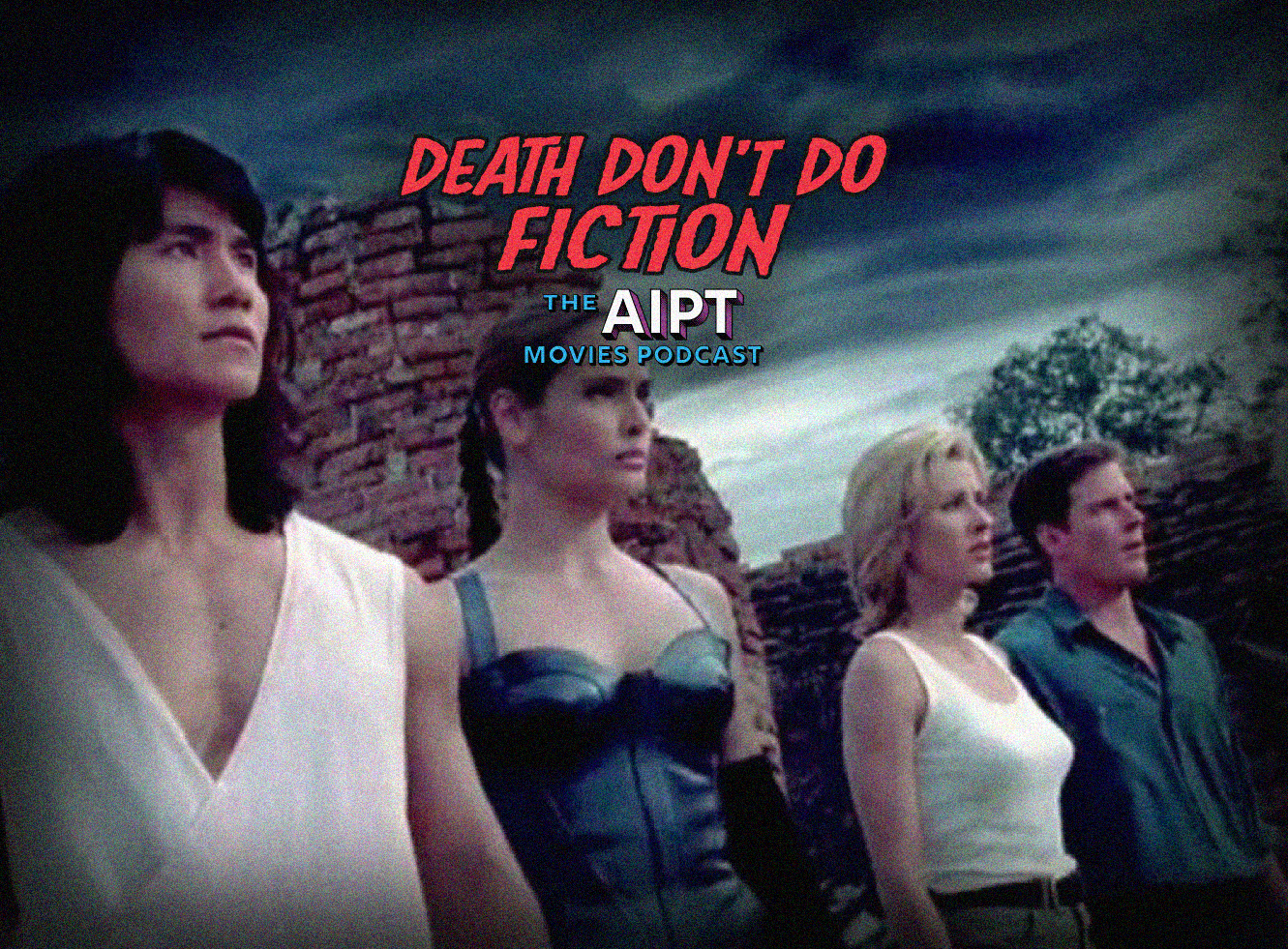
In the annals of cinematic history, few sequels have managed to capture the specific, chaotic energy of Mortal Kombat: Annihilation (1997). As the latest installment of the AIPT Movies podcast, "Death Don’t Do Fiction," reaches its 126th episode, hosts Alex Harris and Tim Gardiner—joined by guest Gordon Jones—dive headfirst into the neon-soaked, CGI-drenched madness of the first-ever video game movie sequel.
Part of the podcast’s month-long "Junesis" series, which focuses on the intersection of cinema and gaming, this deep dive explores how a film that arguably derailed a franchise remains a fascinating case study in camp, ambition, and the pitfalls of early-era digital effects.
Main Facts: The Legacy of a Digital Disaster
Released just two years after the surprise success of Paul W.S. Anderson’s 1995 Mortal Kombat, Annihilation attempted to raise the stakes by throwing nearly every character from the Mortal Kombat game roster into a blender. Directed by John R. Leonetti, the film picks up moments after the first movie’s conclusion, tasking Earth’s champions with stopping the Emperor Shao Kahn from merging our world with Outworld.
The film is widely remembered not for its narrative cohesion, but for its sheer sensory overload. From "daddy issues" and "cyber ninjas" to the infamous "animalities" that defined the game’s later iterations, Annihilation is a masterclass in unintentional comedy. It features iconic, albeit bizarre, elements: gyroscopic transport spheres, rapid-fire sleeve removals, and an over-reliance on a single, dusty sandpit that serves as the backdrop for nearly every confrontation.

Chronology: From Box Office Gold to Cult Infamy
To understand Mortal Kombat: Annihilation, one must look at the climate of the late 90s. The original film was a rare bright spot for video game adaptations, proving that the genre could actually turn a profit. Flush with confidence, New Line Cinema pushed for a sequel, but the production was fraught with changes.
- 1995: The success of Mortal Kombat greenlights an immediate franchise expansion.
- 1997: Mortal Kombat: Annihilation hits theaters. It is met with critical derision but maintains a place in the hearts of fans who appreciate its unabashed commitment to "camp."
- The Fallout: The film’s critical failure is often cited as the reason director Paul W.S. Anderson pivoted toward the Resident Evil franchise, where he exerted significantly more control over the creative output for nearly two decades.
- 2026: Decades later, podcasts like "Death Don’t Do Fiction" continue to dissect the film’s unique status as a "so-bad-it’s-good" relic, highlighting how even its failures—such as the awkward attempts to emulate video game mechanics—paved the way for modern discussions on how to adapt interactive media.
Supporting Data: Stunts and the Craft of the B-Movie
Despite its reputation, Annihilation contains a surprising pedigree in its stunt work. The podcast episode highlights the presence of action legends like Tony Jaa and the acclaimed director Kenji Tanigaki. These individuals provided the backbone for the film’s fight choreography, which often stands in stark contrast to the poorly executed CGI monsters and cardboard-thin set designs.
The film’s soundtrack, often considered the only element that consistently holds up, is described by the hosts as "doing the heavy lifting" for the entire production. While the visual effects have aged like milk, the driving, high-octane electronic score remains a touchstone for 90s action cinema. The recasting of several key roles—a point of contention for many fans at the time—is also analyzed, providing a look at how continuity errors can disrupt the suspension of disbelief.
Official Responses and Creative Retrospectives
The discourse surrounding the film has shifted from pure mockery to a more nuanced appreciation of its ambition. The AIPT hosts, who identify as "industry vets" with a penchant for cinema history, suggest that Annihilation represents a period where studios were still learning the language of video game adaptations.
Paul W.S. Anderson’s retreat to the Resident Evil series following the Annihilation experience serves as a pivotal moment in Hollywood history. It highlights the industry’s fear of video game adaptations following the critical panning of the Mortal Kombat sequel. The "Junesis" series episode serves as an unofficial post-mortem, acknowledging that while the film is a disaster in terms of traditional narrative structure, it succeeded in creating a "camp-friendly" aesthetic that modern films have struggled to replicate.
Broader Implications: The Evolution of Gaming Adaptations
The conversation extends beyond Mortal Kombat, as the hosts delve into current trends in media. Alex Harris shares his newfound appreciation for Korean director Ryoo Seung-wan, praising the visceral intensity of films like Veteran, The City of Violence, and Escape from Mogadishu. This juxtaposition—comparing the clumsy attempts at action in 1997 to the masterful choreography of modern Korean cinema—underscores how far the action genre has progressed.
Furthermore, the team provides brief, spoiler-free reactions to contemporary projects like Maggie Gyllenhaal’s The Bride, the unsettling aesthetic of Backrooms, and Travis Knight’s Masters of the Universe. These discussions illustrate that, regardless of the quality of the film, the process of filmmaking remains a point of deep interest for the hosts.
Why Annihilation Matters
Mortal Kombat: Annihilation is more than just a bad movie; it is a time capsule. It represents a brief window in the 90s where the audacity of bringing a fighting game to the big screen trumped the necessity of a coherent script. By covering it in their 126th episode, the AIPT Movies team highlights the importance of preserving even the most flawed chapters of film history.

Whether it is the "evil eyebrows" of the villains, the excessive flips, or the sheer, unadulterated camp, Annihilation remains a mandatory viewing experience for those interested in the history of the genre. As the hosts conclude, it is a film that reminds us why we watch: sometimes, the journey through a cinematic disaster is just as entertaining as the destination.
About the Podcast:
Death Don’t Do Fiction is the premier podcast from AIPT Movies, hosted by Alex Harris and Tim Gardiner. With a focus on the enduring legacy of cinema, the show provides weekly insights into the world of film news, reviews, and industry analysis. You can find the show on Apple Podcasts, Spotify, and all major streaming platforms. For those looking to engage with the hosts, Alex can be followed on Twitter, Bluesky, and Letterboxd at @actionharris, while the show maintains a presence on Instagram @aiptmoviespod.

 Sagoh
Sagoh