Nana Wu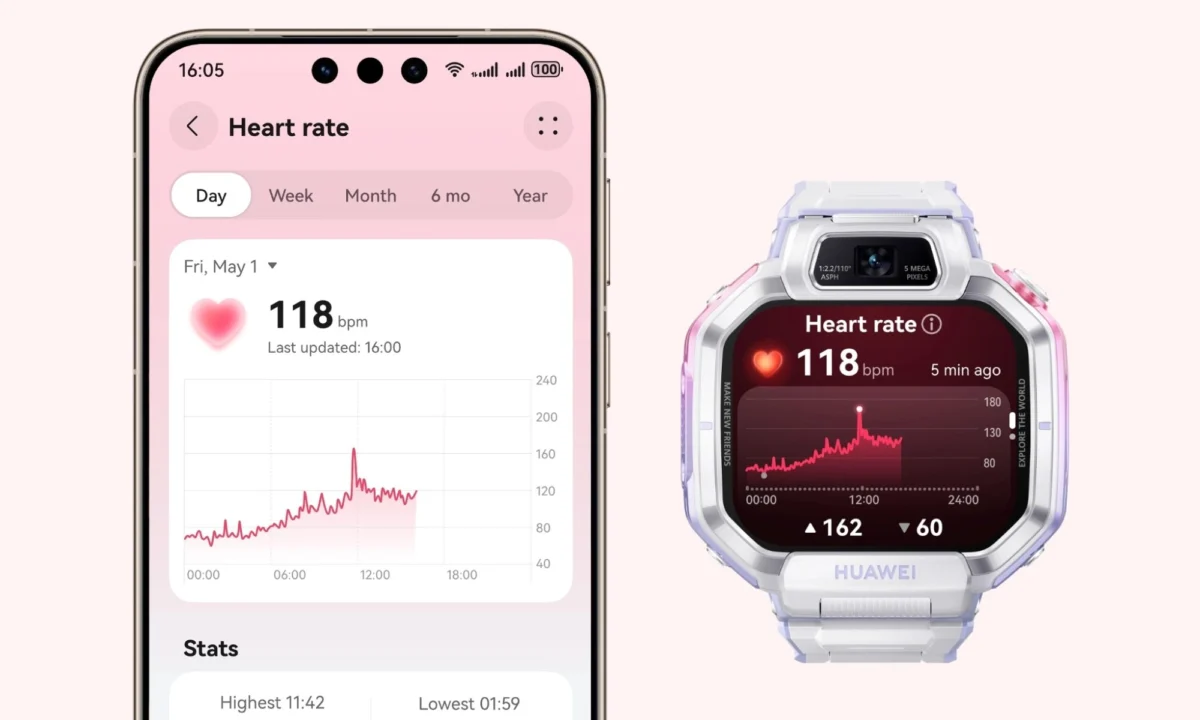
The house is quiet, yet your day has already begun—not with the gentle arrival of sunlight or the smell of brewing coffee, but with a series of digital notifications. It is 6:43 a.m. Before your feet have even touched the floor, your sleep tracker has rendered a verdict on your night. It reports poor recovery, suggesting a "lighter day" ahead. It is a considerate gesture, perhaps, but one that feels strangely detached; the device has converted the complexities of human rest into a binary score. Your day hasn’t even begun, yet the management layer has already declared it a failure.
We are living in an era where the morning routine is no longer a personal ritual, but a software intervention. As we navigate the mid-2020s, the boundary between the biological self and the digital dashboard has all but dissolved, creating a new, pervasive reality where we are no longer just living our lives—we are managing them.
The Chronology of a Managed Day
By the time you reach for the front door handle, your morning routine has acquired a small, invisible staff of consultants.
As you transition into the day, your smart glasses quietly skim your messages and calendar items, overlaying them in the corner of your peripheral vision. Your noise-canceling earbuds transform the chaotic, aggressive environment of a commute into something curated and "survivable."
Once you arrive at your workspace, the surveillance intensifies. Your smartwatch monitors your heart rate, a smart ring calculates your physiological recovery, and a discreet glucose patch acts as a miniature food critic, analyzing your breakfast to predict your energy levels. If your spine loses its posture, a sensor buzzes to remind you to straighten up. Even your shoes are involved; smart insoles track the subtle, evolving cadence of your gait.
This isn’t just technology; it is an administrative state for the body. The day is no longer a sequence of events—it is a series of data-gathering missions.

The Explosion of the Wearable Economy
The rapid adoption of this technology is not merely a hobbyist’s trend; it is a massive market shift. According to data from Circana, spending on fitness trackers in the United States grew by an staggering 88% year-over-year in the first seven months of 2025.
The shift is particularly visible in the rise of form factors that prioritize constant wear. Smart rings, for example, saw their unit volume jump by 195% in the same period, accounting for 75% of total fitness tracker revenue. Consumers are clearly gravitating toward devices that offer "set-it-and-forget-it" tracking, allowing for a 24/7 stream of health metrics that previous generations of wrist-worn devices could not capture.
This surge in demand reflects a fundamental change in the consumer psyche. In 2024, the CDC/NCHS reported that 30.5% of U.S. adults suffer from short sleep duration, and fewer than 55% wake up feeling truly well-rested. As sleep quality declines, the appetite for "solutions"—even if those solutions are just data points telling us we slept poorly—has skyrocketed.
When Lunch Files a Report: The Era of Interpretation
Wearables have graduated from their original mission: counting steps and congratulating the user for standing up. The modern category is drifting toward deep interpretation: strain, readiness, glucose response, and the "moral weather" of your internal organs.
The primary appeal is, admittedly, useful. Continuous glucose monitoring (CGM) is a prime example. Once the domain of those managing clinical diabetes, the technology has entered the mainstream. Companies like Ultrahuman have launched services like M2 Live, built on Abbott’s Lingo biosensor technology. By bypassing the traditional prescription process and offering consumer-friendly, albeit expensive, monthly subscriptions, these companies have turned metabolic health into a real-time game of "if-this-then-that."
However, the proliferation of this data creates a peculiar psychological tension. When your lunch can file a formal, quantitative report on how it affected your blood sugar, the act of eating—once a social and sensory experience—becomes a performance review. The data doesn’t just inform; it dictates.

The Implications of a "Nudge" Culture
The central problem with this ecosystem is not the individual utility of any single device. A watch can indeed catch a life-threatening arrhythmia; a glucose patch can reveal a genuine dietary intolerance; smart glasses can help navigate a complex city. The unease arises from the accumulation.
When you combine seven different devices, your routine ceases to be a flow of life and becomes a meeting. You are constantly being "nudged." Breathe here. Stand up before the next call. Eat differently at lunch. Walk cleaner on the way home. The technology acts as a corrective force for every perceived "injury" the day has inflicted upon your biology.
This creates a cycle of perpetual improvement that is, ironically, exhausting. We are being conditioned to view our bodies as projects to be optimized rather than entities to be lived in.
The Loss of the Unquantifiable
What gets lost in the rounding of these data points is the texture of the human experience. The afternoon you spent doing absolutely nothing, which you didn’t regret in the slightest? That doesn’t register on a trend line. The grief that settles in your chest, which doesn’t resolve into a "recovery score"? That is considered "noise" in the system.
"Clean data" is becoming the most expensive asset we possess. Corporations, insurance companies, and wellness platforms are desperate for the signal buried in our daily habits. We are willingly giving away our most intimate moments—our sleep, our heart rate variability, our metabolic responses—to servers the size of small cities.
The Future of the Managed Human
Looking ahead, the implications for the future are profound. We are moving toward a world of "managed biology." The future cyborg won’t need a weapon to dominate; they will simply need to be the most "optimized" person in the room, with their physiological state perfectly aligned with the demands of their environment.

When you inevitably feel the need for a nap, you won’t just take one. You will consult your dashboard. Three devices will take credit for suggesting it. And somewhere in a data center, a server will note that your nap was 23 minutes shorter than the "optimal" window, flag your cortisol trend, update your risk profile, and quietly adjust tomorrow’s recommendations.
The house is quiet, and you are resting. But on your wrist, your finger, your spine, and your foot, the notes keep coming. The data collection never sleeps, even if you do. As we move deeper into this decade, we must ask ourselves: are we using these tools to become healthier, or are we simply becoming the most well-monitored, optimized, and anxious versions of ourselves?
Perhaps the most radical act of self-care in 2026 is not to check the data, but to ignore the notification—and let the day be messy, unoptimized, and entirely, beautifully human.

 Raul Delapena Setiawan
 Asep Darmawan