Ammar Sabilarrohman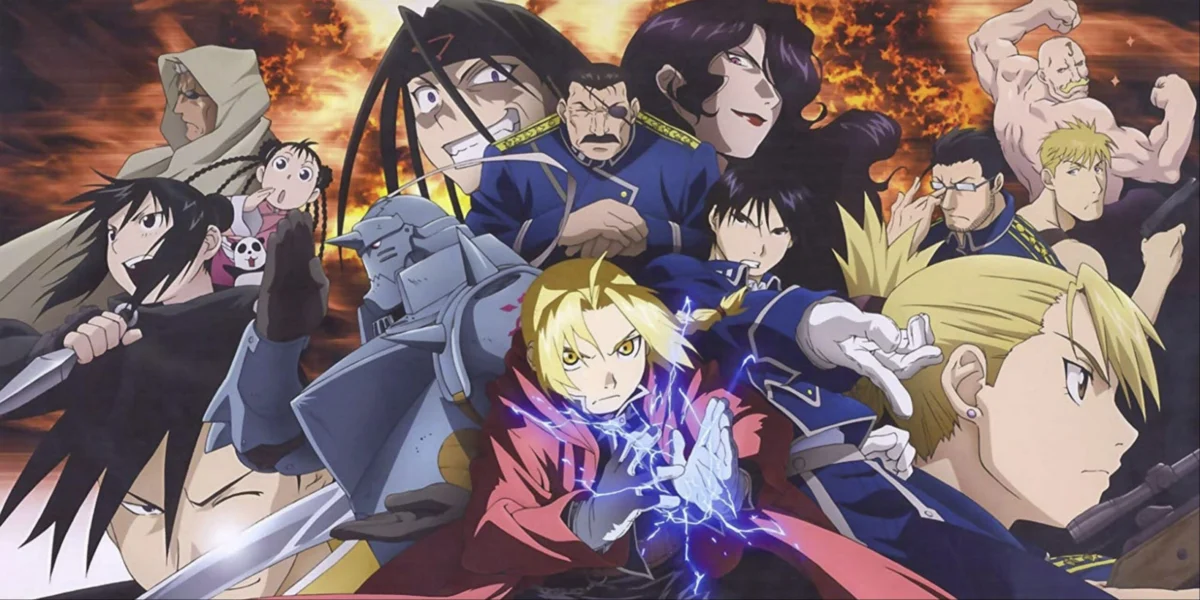
In the sprawling, often volatile landscape of global fandoms, few communities are as passionate—or as prone to heated debate—as the world of anime. As popularity explodes, so too does the inevitable "backlash cycle." Series that once defined an era often find themselves under a microscope, with newer viewers picking apart pacing, character arcs, or animation inconsistencies. Yet, amidst the noise of online discourse, a rare tier of storytelling exists: anime that have managed to transcend the typical cycle of criticism to achieve a status of near-universal acclaim.
While no series is entirely devoid of detractors, certain titles have secured a legacy that is functionally immune to the toxicity that plagues modern discourse. These series, whether through sheer technical brilliance, narrative consistency, or emotional resonance, have earned their place as the "untouchables" of the medium.
The Criteria of Greatness
To determine which series truly stand above the fray, we must look beyond mere popularity. While blockbusters like One Piece or Attack on Titan command massive audiences, their high-profile status also attracts an equal volume of scrutiny. To qualify for this list, a series must demonstrate a rare synergy of critical acclaim, consistent production quality, thematic originality, and a fandom that remains overwhelmingly positive years—or decades—after their initial release. We have excluded lesser-known niche titles, focusing instead on series that have cemented themselves as cultural pillars.
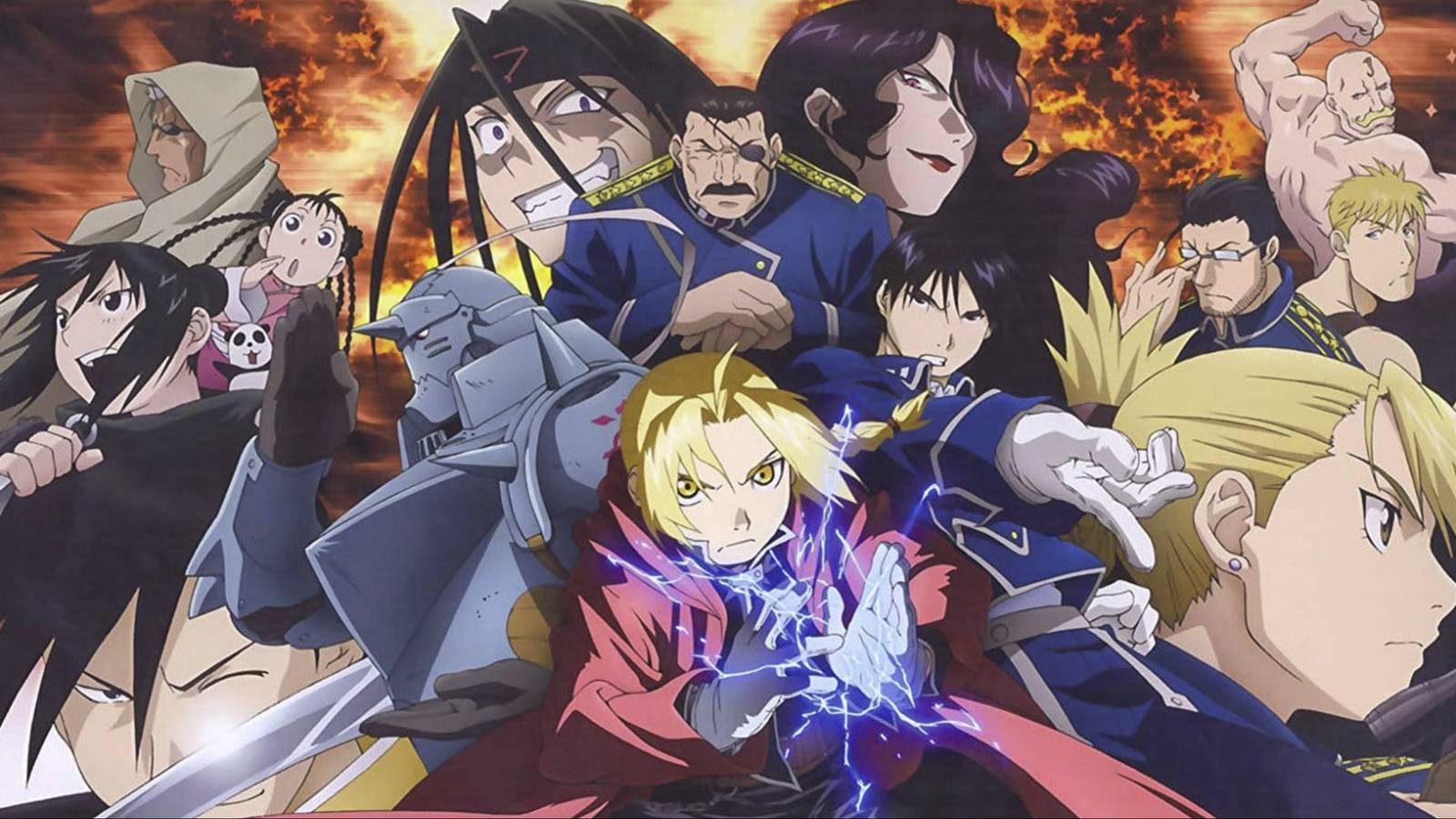
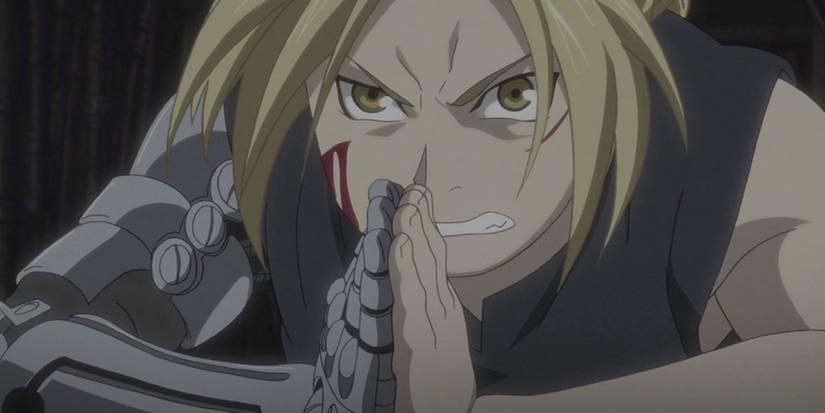
7. Fullmetal Alchemist: Brotherhood (2009)
Often cited in the eternal debate over the "greatest anime of all time," Fullmetal Alchemist: Brotherhood serves as the gold standard for long-form storytelling. The story of Edward and Alphonse Elric, two brothers who pay a horrific price for dabbling in the taboo art of human alchemy, is a masterclass in world-building and character development.
The Narrative Hook
The brilliance of Brotherhood lies in its airtight plot. Unlike many shonen series that suffer from "bloat" or filler, Brotherhood follows a clear, escalating trajectory toward a climax that feels earned. The conspiracy at the heart of the government and the philosophical questions surrounding the "equivalent exchange" provide a weight that keeps the audience engaged from the first episode to the last. While some detractors argue that the series is "overrated" simply because of its pervasive top-tier status on aggregate sites, this criticism rarely lands on the actual content of the show, which remains functionally flawless.
6. Azumanga Daioh (2002)
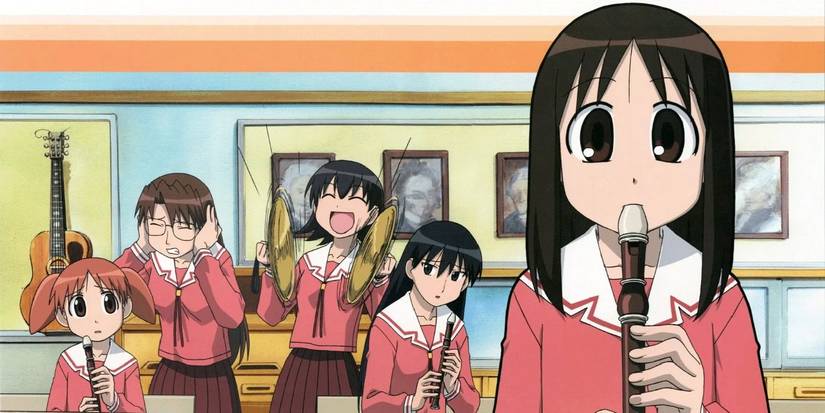
Comedy is notoriously subjective, making it arguably the most difficult genre to win over a universal audience. Yet, Azumanga Daioh remains a staple of the slice-of-life genre, revered for its surreal, gentle, and consistently funny approach to high school life.

The Power of Absurdity
The show follows a group of high school girls, including a genius elementary school child fast-tracked into their class, as they navigate the mundane hilarity of adolescence. Its humor is nonsensical and wholesome—a stark contrast to the high-stakes intensity of modern action series. Interestingly, the only vocal "hater" of the series is its own creator, Kiyohiko Azuma, who was reportedly unhappy with the adaptation’s tone. Despite this, the fandom views the series as a time-capsule of early 2000s comfort anime, cementing its status as an unassailable classic.
5. Haikyuu!! (2014–Present)
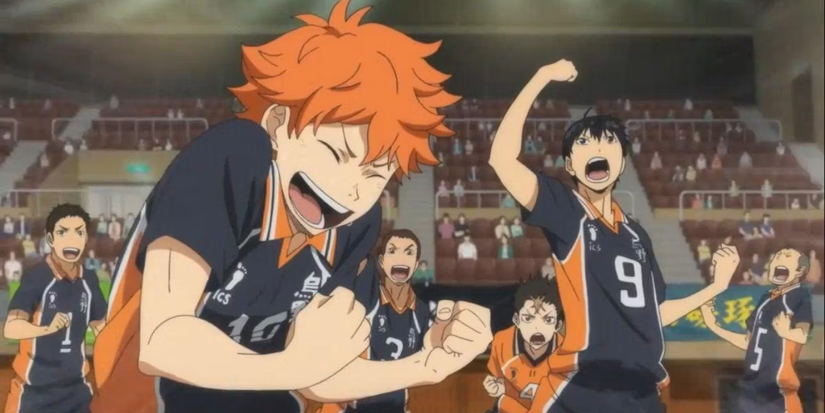
Sports anime often struggle to convince non-fans to take the plunge, but Haikyuu!! managed to turn a niche sport—volleyball—into a global phenomenon. It is the ultimate underdog story, anchored by the chemistry between the undersized, energetic Hinata and the cold, prodigal setter Kageyama.
Why It Resonates
Haikyuu!! avoids the typical pitfalls of sports anime by focusing intensely on the "why" behind the passion. It treats the sport with academic rigor, teaching the audience the mechanics of volleyball alongside the characters. By humanizing the opponents rather than casting them as simple villains, the series builds a profound bond between the viewer and the ensemble cast. It isn’t just about winning; it’s about the incremental growth of a team, a message that has kept the fandom intensely loyal and remarkably free of major internal conflict.
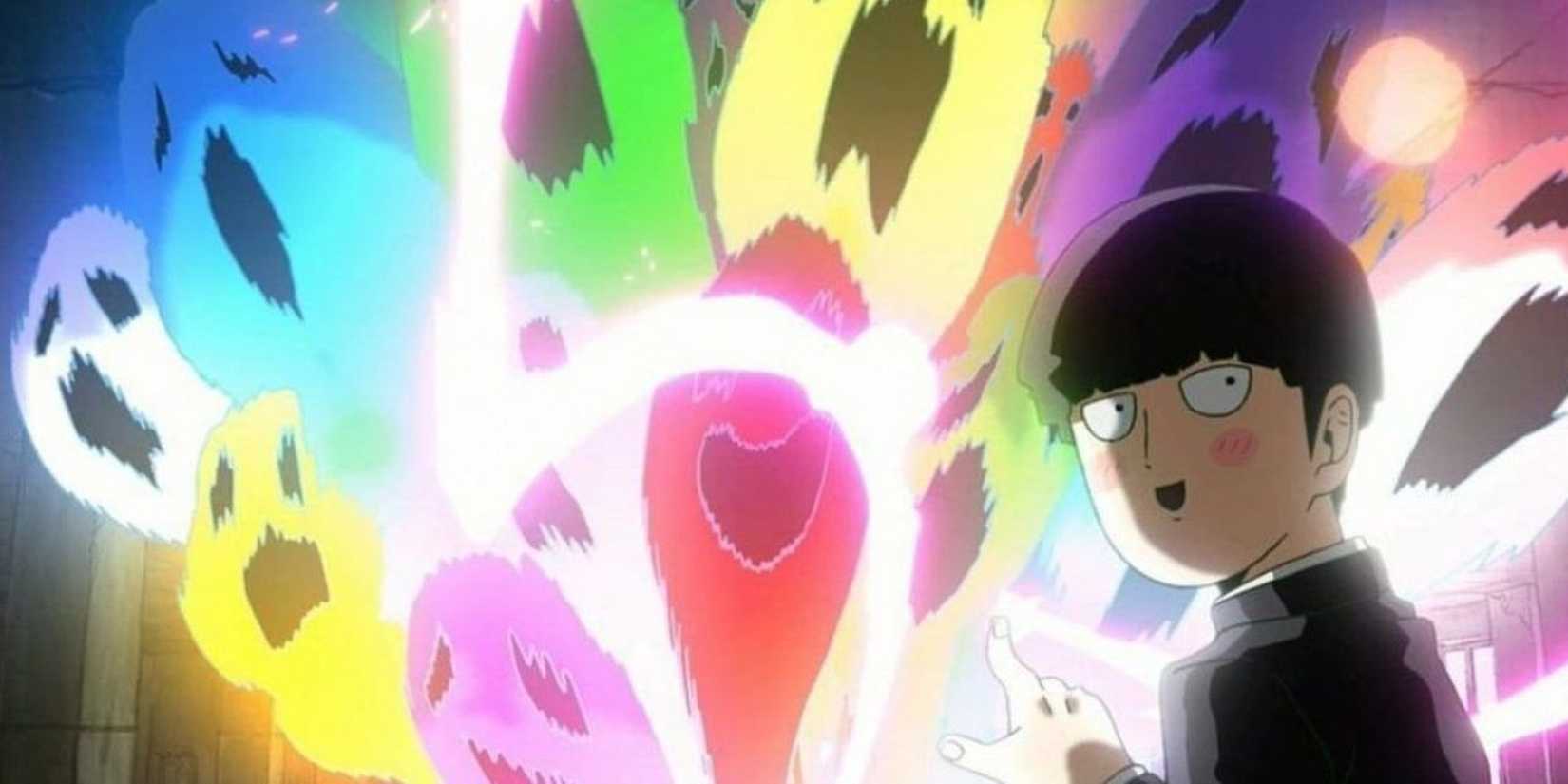
4. Mob Psycho 100 (2016–2022)
When an author as prolific as ONE (creator of One Punch Man) produces a second masterpiece, one might expect the second to be shadowed by the first. Instead, Mob Psycho 100 has surpassed its sibling in critical favor.
Character-First Storytelling
Shigeo "Mob" Kageyama is one of the most endearing protagonists in the history of the medium. Despite possessing god-like psychic abilities, his primary struggle is the pursuit of an ordinary, emotional, and social life. The animation by Studio Bones is legendary for its experimental style, but the real heart lies in the mentor-student relationship between Mob and the con-artist Reigen Arataka. The fandom’s near-universal adoration of Reigen as one of the best-written "flawed" characters in anime speaks to the series’ success. It manages to balance high-octane spectacle with profound, gentle empathy.
3. Gintama (2006–2018)
To call Gintama "universally beloved" is a daring claim, given that it is a long-running series that famously starts slow. However, for those who clear the initial hurdle, it becomes a permanent fixture in their favorites list.
A Masterclass in Satire
Gintama is the "Everything Bagel" of anime. It is a period drama, a science-fiction comedy, a meta-commentary on the industry, and a heartbreaking action series all at once. By refusing to commit to a single tone, it avoids the common traps of long-running battle shonen. The parody and satire are so sharp that they have become part of the series’ identity, creating a community of fans who take pride in the show’s chaotic, unpretentious spirit. It stands as a testament to the fact that, if a series is funny enough and its heart is in the right place, it can overcome any barrier of entry.
2. Yu Yu Hakusho (1992–1995)
Before the hiatus-prone Hunter x Hunter dominated the conversation, Yoshihiro Togashi penned Yu Yu Hakusho, a series that defined the 90s battle anime aesthetic.
The Legacy of the 90s
Yusuke Urameshi’s journey from a street punk to a spirit detective is iconic. While the series is occasionally criticized for its rushed, truncated finale, this critique is rarely delivered with malice. Instead, it is spoken of with a sense of "what could have been," acknowledging that even an imperfect ending couldn’t dampen the brilliance of the Dark Tournament arc or the depth of the character relationships. Yu Yu Hakusho remains a time capsule of a golden era, protected from the toxicity of modern social media by a fanbase that views it as the bedrock of the genre.
1. Gurren Lagann (2007)
If there is one anime that commands near-total respect, it is Gurren Lagann. A high-octane mecha series from Studio Gainax, it follows Simon and Kamina from their subterranean village to the literal ends of the universe.
The "Untouchable" Status
What makes Gurren Lagann truly unique is the sheer velocity of its storytelling. It doesn’t allow the viewer time to criticize it; it is too busy escalating the stakes, from drilling through dirt to throwing galaxies as weapons. It is the gold standard for "hype" in anime. The series is frequently cited by fans as their "first favorite" or "the show that got me into anime." It possesses a rare, infectious optimism that is difficult to find in the darker, grittier shows that dominate the charts today. Because of this, it remains the ultimate binge-watch, a masterpiece that leaves viewers feeling inspired rather than exhausted.
Implications for the Industry
The success of these seven series reveals an important truth about the anime industry: longevity and acclaim are not achieved by catering to every whim of the audience, but by maintaining a distinct vision. Whether it is the philosophical depth of Fullmetal Alchemist, the comedic genius of Gintama, or the sheer emotional scale of Gurren Lagann, these shows have proven that quality is the best shield against the volatility of the internet.
As the industry continues to produce hundreds of series annually, the "untouchable" status of these seven shows serves as a benchmark. They remind us that while fads come and go, the stories that focus on character development, thematic consistency, and genuine heart are the ones that endure, ultimately becoming the classics that define the medium for generations to come.

 Azzam Bilal Chamdy
 Reynand Wu