Suro Senen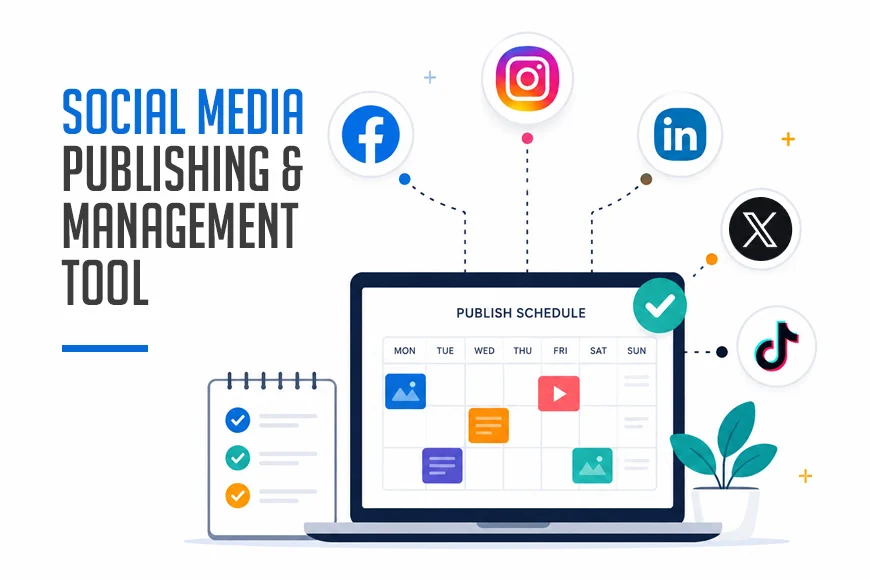
In an era where consumer attention is the most fragmented commodity on the planet, the modern marketing department acts less like a traditional advertising agency and more like a global newsroom. Brands no longer rely on sporadic updates; they depend on a sophisticated, multi-layered social media infrastructure to maintain relevance. To stay connected with their audience, firms must move beyond siloed posting strategies, instead embracing a synchronized approach where messages are harmonized across disparate platforms to ensure brand consistency, maximize reach, and drive measurable conversions.
The Evolution of Social Media Management
Social media management has graduated from a simple task of "posting for awareness" to a complex, data-driven discipline. Today’s marketing teams function as conductors of a digital symphony, where every post, comment, and advertisement must resonate in perfect harmony across Facebook, Instagram, LinkedIn, TikTok, and X (formerly Twitter).
The core challenge lies in the planning cycle. To achieve meaningful outcomes—be it brand visibility, community loyalty, or bottom-line sales—effort must be distributed evenly across all channels. When a brand’s presence is disjointed, consumers experience cognitive dissonance, leading to reduced engagement and a weakened brand image. A unified strategy ensures that the brand voice remains consistent while being tailored to the specific culture and format of each platform.
Chronology of a Campaign: From Concept to Conversion
The lifecycle of a high-performing social media campaign typically follows a rigorous, multi-stage timeline. Understanding this sequence is essential for teams looking to scale their operations.
1. The Strategy and Planning Phase (Weeks 1-2)
Before a single pixel is uploaded, the strategy team establishes the campaign’s core objectives. They analyze historical data—engagement rates, click-throughs, and sentiment analysis—to determine what content formats (video, static imagery, or long-form copy) performed best in the past. During this phase, teams define KPIs, such as total impressions, growth in follower count, and the "Share of Voice" (SOV) against primary competitors.
2. Content Production and Curation (Weeks 3-4)
Once the objectives are set, the production team begins the labor-intensive process of content creation. This involves designing platform-specific assets—vertical reels for TikTok and Instagram, professional infographics for LinkedIn, and punchy, text-based updates for X. Consistency is maintained through a central brand style guide, ensuring that even when content is tailored for different platforms, the visual and tonal identity remains recognizable.
3. Execution and Scheduled Deployment (The Campaign Window)
Using sophisticated scheduling software, teams push content live according to an algorithmic roadmap. Modern tools allow for the "staggered release" of content, ensuring that a brand’s presence is felt throughout the day, catching different audience segments across various time zones.

4. Real-Time Monitoring and Tactical Adjustment (Ongoing)
The campaign is not "set and forget." Managers monitor performance in real-time, looking for micro-trends. If a specific post sees an unexpected spike in engagement, the team may pivot, boosting that content with ad spend or creating follow-up posts to capitalize on the momentum. This agility is what separates market leaders from stagnant brands.
Supporting Data: The Metrics That Matter
To manage social media effectively, teams must transition from vanity metrics to actionable intelligence. The industry standard currently relies on a specific set of performance indicators:
- Reach vs. Impressions: Understanding the difference between how many people saw the content (reach) and how many times it appeared on a screen (impressions) helps teams determine if their content is being shared or simply scrolled past.
- Follower Velocity: Rather than focusing on total follower counts, experts track the rate of change. Rapid, sustained growth is a leading indicator of brand health.
- Engagement Multipliers: A composite score of likes, comments, tags, and "saves." A saved post is significantly more valuable than a like, as it signals high-intent interest in the brand’s message.
- Share of Voice (SOV): This measures how much of the conversation a brand owns within its niche. When compared to rivals, a high SOV indicates that the brand has successfully positioned itself as a market leader.
The Strategic Importance of Platform Selection
A common pitfall for emerging businesses is the "omnipresence trap"—the belief that they must be active on every social platform simultaneously. Research shows that this often leads to diluted effort and mediocre results.
Professional marketing teams advocate for a "depth over breadth" approach. By selecting platforms that align with the target demographic, companies can focus their resources where they matter most. For instance, a B2B SaaS company might prioritize LinkedIn and X, whereas a lifestyle brand would find higher ROI on Instagram and TikTok. Success is determined by the ability to spark replies and shares in the specific environment where the target audience is most likely to act.
Managing Emergencies and Brand Reputation
In the digital age, a brand’s reputation is fragile. A single viral complaint can spiral into a crisis if not managed with the right blend of speed and empathy.
When emergencies arise, professional teams follow a "Pause, Analyze, Respond" protocol. They avoid knee-jerk reactions, instead crafting thoughtful, humanized responses that address the issue directly. By collaborating with influencers and sharing genuine customer success stories, they rebuild trust. It is a slow process; trust is built not by shouting, but by showing up consistently, even when the brand is under scrutiny.
The Role of Technology: Scaling the Workflow
To remain efficient, teams are increasingly turning to centralized social media management tools like Sprinklr, Hootsuite, or Loomly. These platforms serve as the "command center" for the modern marketer.

- Centralized Publishing: Posting to five different platforms from one dashboard saves hours of manual labor per week.
- Advanced Analytics: These tools aggregate data from multiple channels, providing a single, coherent view of campaign performance.
- Workflow Automation: Assigning tasks, setting approval chains for creative assets, and managing comments through a unified inbox ensures that no interaction goes unnoticed.
The cost of these tools is a strategic investment. While subscription fees can range from $200 to several thousand dollars per month, the return on investment—measured in saved labor hours and increased conversion accuracy—far outweighs the cost of fragmented, manual processes.
Implications for Future Growth
As we look toward the future, the integration of Artificial Intelligence and machine learning in social media management will become the standard. AI-powered tools will soon predict the optimal posting time for every individual user and generate content variations in real-time based on local market trends.
However, the human element remains irreplaceable. The nuances of brand voice, the empathy required for community management, and the creative spark behind a viral campaign are distinctly human traits. The most successful teams will be those that use technology to handle the heavy lifting of data and scheduling, allowing their human talent to focus on building authentic relationships.
Conclusion: The Path to Mastery
Coordinating social media across platforms is a marathon, not a sprint. It requires a commitment to continuous learning, as platform algorithms are in a constant state of flux. To thrive, brands must:
- Prioritize Quality: Better work always beats sheer volume.
- Foster Community: Engagement is a two-way street; acknowledge, reply, and listen.
- Invest in Infrastructure: Use the right tools to gain a competitive edge.
- Stay Authentic: In an era of automated content, human-centric storytelling is the ultimate differentiator.
By linking social actions to overarching company goals, marketing teams do more than just "post"—they build a digital ecosystem that generates value, drives growth, and secures a lasting position in the minds of their customers. Success in the modern digital landscape is not about being everywhere at once; it is about being in the right place, with the right message, at the exact moment it matters most.


 Reynand Wu
 Dwi Wanna