Neng Nana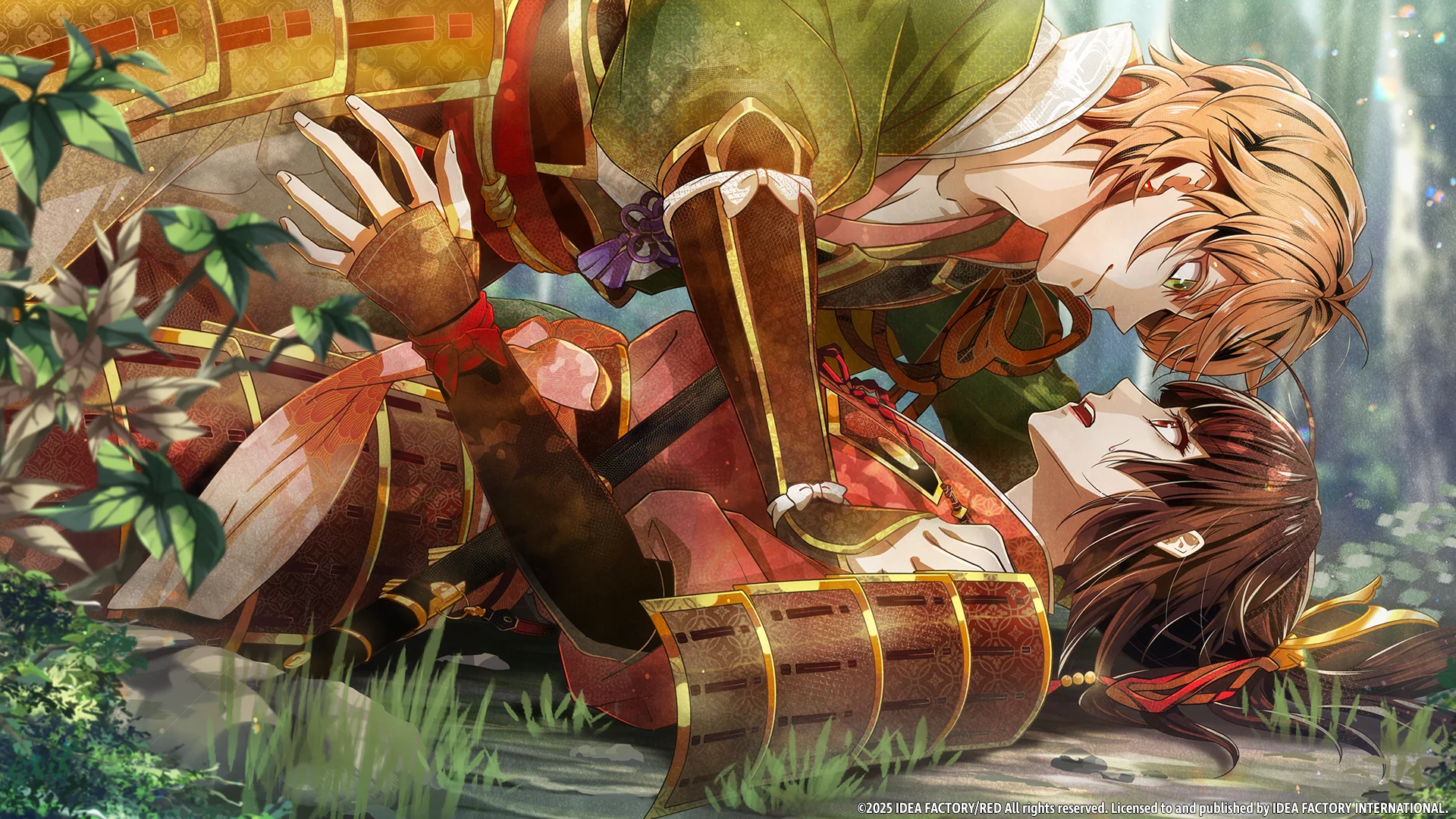
The visual novel genre thrives on the strength of its character dynamics and the depth of its world-building. Few titles in recent years have managed to capture the intersection of historical tragedy and romantic fantasy as effectively as Birushana: Rising Flower of Genpei. Following the critical acclaim of that debut, the release of Birushana: Winds of Fate serves as both a coda to the original journey and a bold expansion of its universe.
For fans of the otome genre, Winds of Fate acts as a bridge, offering intimate epilogues for established favorites while introducing four entirely new narrative paths. As we dive into the turbulent waters of the post-Heiji Rebellion era, the question remains: does this successor uphold the legacy of its predecessor, or does it falter under the weight of expectation?
The Core Narrative: A Legacy Reclaimed
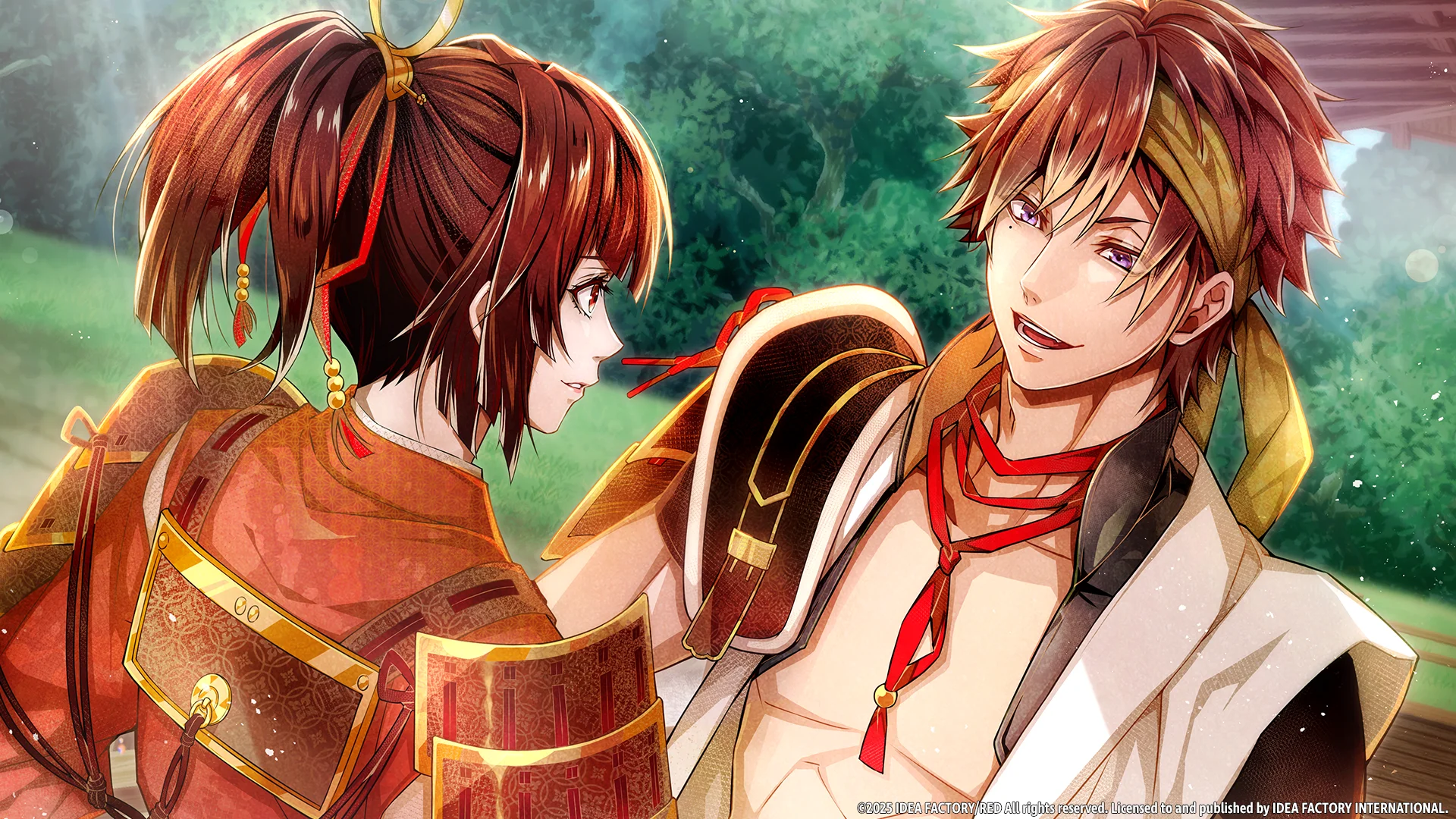
At the heart of the Birushana series is Shanao, the youngest surviving heir to the storied Genji clan. Raised under the guise of a man by her temple caretaker to shield her from the violent political machinations of the era, Shanao’s journey is one of identity, duty, and survival.
Winds of Fate picks up in the shadow of the Heiji Rebellion, a period of immense national unrest. Shanao finds herself once again caught in the gears of history. Driven by a desire to aid her brother and solidify her standing as a samurai, she ventures onto the battlefield. However, the true strength of this title lies not in its historical accuracy—though the atmosphere is masterfully rendered—but in the personal, character-driven stakes that define the franchise.
Whether you are a veteran of the first game or a newcomer looking for a compelling story, the narrative structure of Winds of Fate is designed to accommodate multiple entry points, though it is undeniably enriched by an understanding of the preceding events.
Chronology and Structure: Epilogues vs. New Beginnings
Upon booting up Birushana: Winds of Fate, players are presented with a bifurcated menu: the epilogue content and the new, standalone story routes.
The Epilogue Experience
The epilogues serve as the final chapters for the five primary character routes from the original game. For those who spent dozens of hours navigating the trials of the first title, these scenes provide a long-awaited sense of closure. They offer a tender,, and often heartfelt, look at the lives Shanao and her companions lead after the storm of war has cleared. While these segments are emotionally resonant, it must be noted that they operate as kinetic experiences. The absence of branching choices may disappoint players who favor the high-stakes interactivity of the main game, but for those seeking a conclusion to their favorite romantic arcs, they are essential viewing.
The Four New Routes
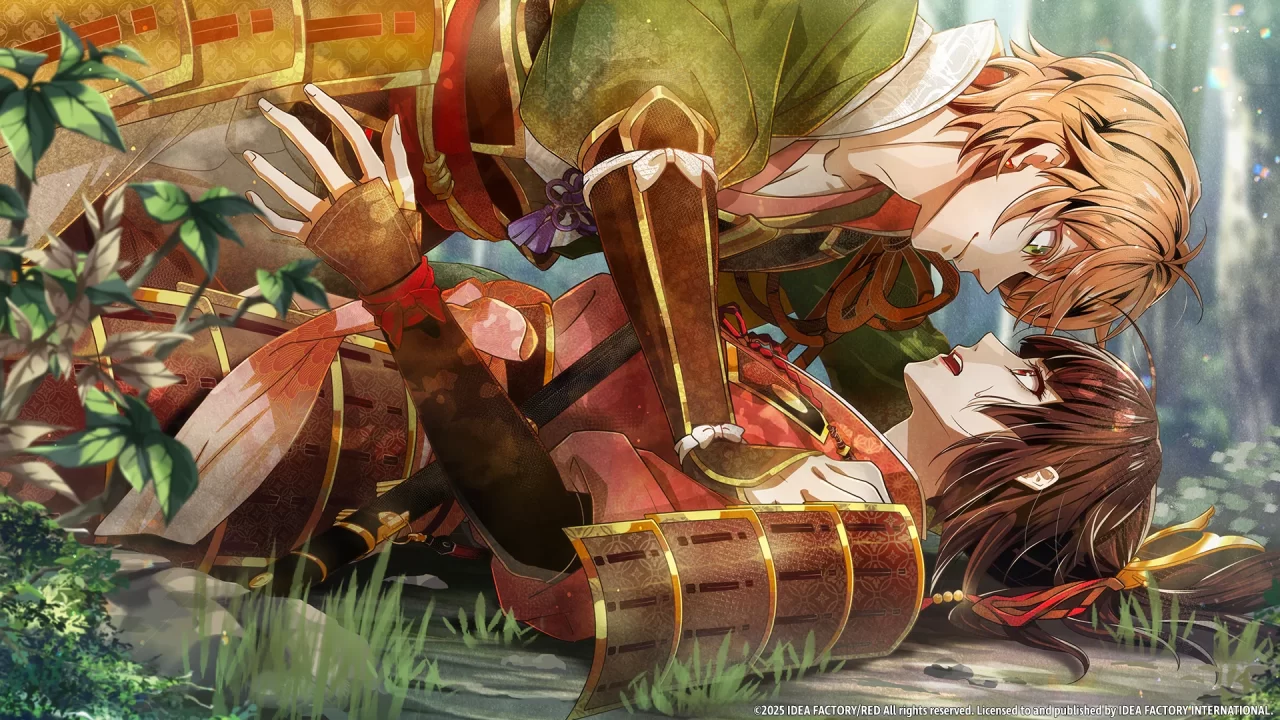
The primary draw of Winds of Fate is undoubtedly the four new character arcs. These are not merely side stories; they are robust, lengthy narratives that challenge the player’s perception of the Genpei conflict. From the enemies-to-lovers progression in Shigehira Taira’s route to the heartfelt narratives of the Sato brothers (Tsugunobu and Tadanobu) and the tactical intrigue of Takatsuna, these stories exhibit a level of polish that rivals, and in some areas surpasses, the original game.
Supporting Data: Affection Mechanics and Design
The gameplay loop in Winds of Fate remains faithful to the visual novel standard but introduces a streamlined "Affection Meter" system.
- The Blossom Mechanic: Throughout the five chapters of each main route, players face critical dialogue prompts. These choices are presented in trios, where one option is neutral and two contribute to the "blossom" gauge.
- Visual Feedback: The bloom of the flower provides immediate visual feedback, allowing players to gauge their standing with their chosen partner.
- Ending Impact: The final state of this meter is the deciding factor for the conclusion of the route, encouraging multiple playthroughs to witness the full breadth of the narrative outcomes.
While some purists may miss the added complexity of the original game’s mechanics, this streamlined approach ensures that the focus remains firmly on the storytelling and the evolving relationships between the characters.
Technical Execution: Artistry and Sound
A visual novel is only as strong as its presentation, and Birushana: Winds of Fate excels in its aesthetic direction.
Character Design and Animation
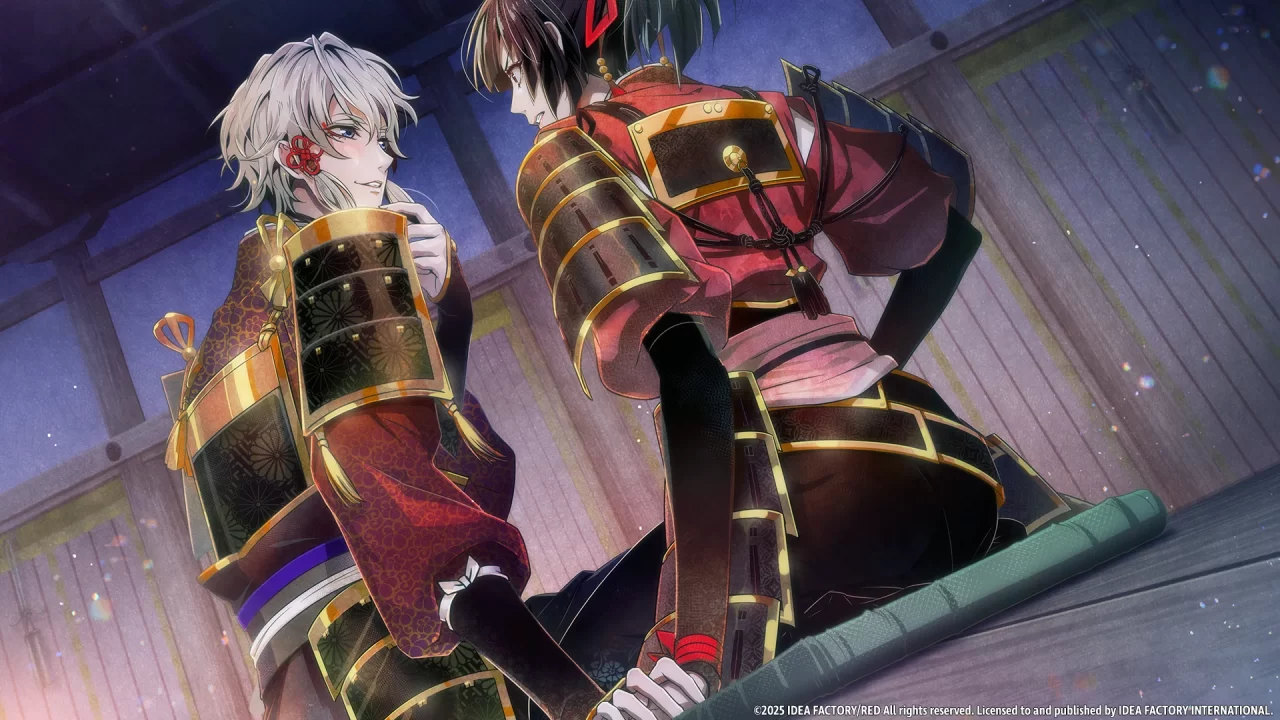
The character art is a standout feature. The designs are vibrant, detailed, and expressive, capturing the essence of each individual. A particularly clever inclusion is the subtle animation of character sprites during combat sequences, which conveys movement and intensity without the need for high-budget cinematics. Shanao, in particular, is rendered with a level of care that makes her an incredibly engaging protagonist to follow.
The "Tertiary" Issue
One notable critique in the visual presentation is the handling of background characters. In an otherwise polished game, the frequent reuse of generic character models for villagers and soldiers can break the immersion. While the backgrounds themselves are stunning—utilizing impressive lighting and color palettes—the lack of variety among the "crowd" can make certain scenes feel budget-constrained.
The Auditory Landscape
The voice acting is, quite simply, superb. Even without a voice for Shanao—a standard, if sometimes frustrating, convention in the genre—the supporting cast delivers performances that are deeply emotive. Whether conveying the heat of passion or the icy detachment of a cold-hearted rival, the cast provides a masterclass in tone.
The soundtrack complements this perfectly. The opening theme is an earworm that captures the epic scope of the narrative, while the background music (BGM) shifts seamlessly to match the mood of each scene. The sound effects—from the clatter of steel in battle to the subtle ambient noises of nature—further ground the player in the historical setting.
Implications for the Genre
Birushana: Winds of Fate stands as a testament to the viability of the "expanded universe" approach in visual novels. By rewarding returning players with meaningful epilogues and capturing new fans with high-quality, standalone routes, it sets a benchmark for how sequels should be handled.
The localization effort also deserves commendation. The script is remarkably clean, with an attention to detail that ensures the nuance of the original Japanese text is preserved for an English-speaking audience. This level of care is often the deciding factor in the success of imported titles, and Winds of Fate succeeds where many others stumble.
Final Verdict
Birushana: Winds of Fate is a triumph of character-focused storytelling. It successfully explores themes of duty, identity, and the fluid nature of love in a way that feels both grounded in its historical context and refreshingly modern in its emotional intelligence.
For the established fan, the return to these characters is a joyous, often tear-jerking experience that justifies the purchase alone. For the newcomer, the new story routes offer a perfect entry point into one of the most compelling otome series on the market. While the reliance on recycled assets for minor characters and the lack of choice in the epilogues are minor blemishes, they do little to dim the brilliance of the overall experience.
With its strong narrative, stellar voice work, and a protagonist as captivating as Shanao, Birushana: Winds of Fate is not just a worthy successor; it is a vital addition to any visual novel collection. The winds of fate are blowing in the right direction for the Genji clan, and players would do well to set sail with them.


 Asro
Asro
 Muslim