Lina Hope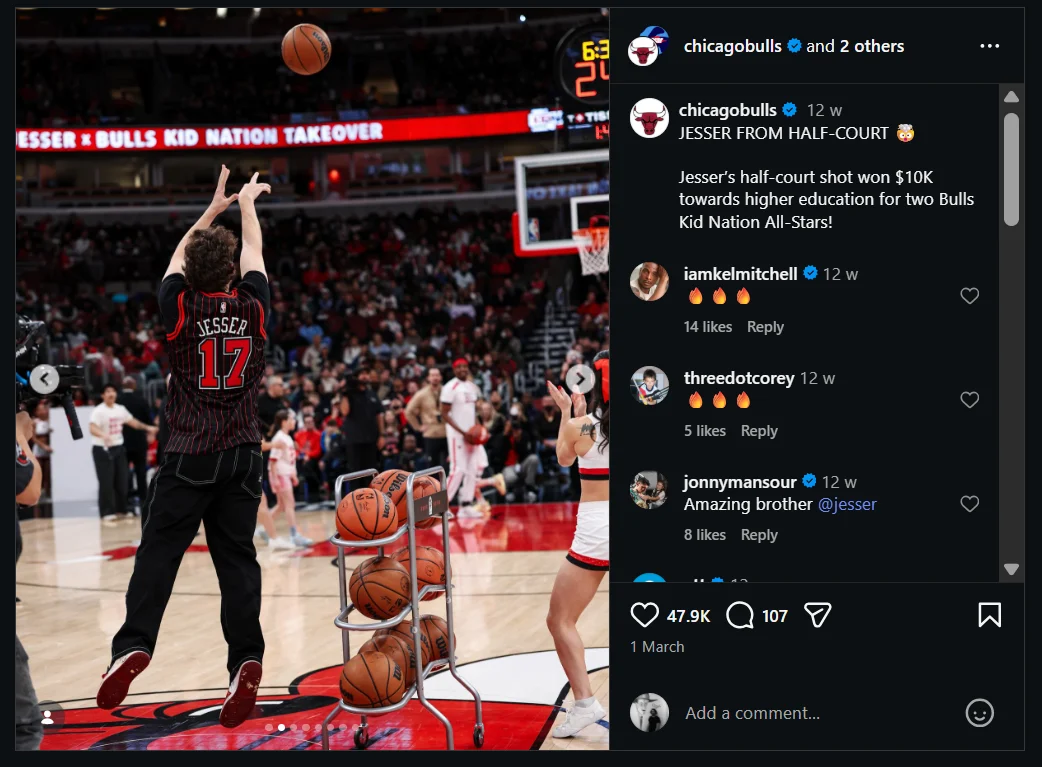
The landscape of professional sports has undergone a seismic shift. No longer confined to the four walls of a stadium or the scheduled slots of traditional television broadcasts, the modern sports experience is now defined by the palm of a hand. Social media has evolved from a supplementary marketing channel into the primary heartbeat of the sports industry.
For franchises like the Detroit Tigers and the Chicago White Sox, social platforms are the new front office, press box, and fan club rolled into one. As digital consumption habits evolve, the mandate for sports organizations is clear: adapt to a "social-first" reality or risk losing the next generation of fans.
The New Digital Ecosystem: Key Facts and Data
The numbers underscore a profound behavioral shift. According to the Q2 Sprout Social Pulse Survey, a staggering 80% of consumers now consume live events through social media channels. This is not merely a trend; it is a transformation in how news is disseminated. The Q1 Sprout Social Pulse Survey revealed that 49% of the population identifies social media as their primary source for breaking news, effectively leapfrogging traditional television, podcasts, and dedicated news apps.
The demographics driving this change are particularly telling. Among Gen Z, 93% track live events via social posts—whether through official team channels, influencer updates, or raw, real-time user uploads. For Millennials, that figure stands at 85%. These fans do not want to wait for the evening highlight reel; they demand the immediate pulse of the game.
Chronology of a Shift: From Broadcast to Community
To understand how we arrived at this point, one must look at the evolution of the fan-team dynamic.
- The Broadcast Era (Pre-2010s): Sports consumption was passive. Fans received information from monolithic media entities. Engagement was limited to in-stadium cheering or post-game watercooler talk.
- The Social Introduction (2010–2018): Teams adopted social media as a megaphone to announce scores and sell tickets. It was a one-way street of corporate messaging.
- The Community Era (2019–2024): The rise of niche communities and interactive platforms like Reddit and TikTok forced teams to abandon the "corporate" mask. Engagement became a dialogue.
- The AI and Creator Era (2025–Present): With the integration of AI-powered personalization and influencer-led content, the line between the team and the fan has blurred. Today, the most successful teams are those that foster collaborative, community-driven narratives.
The Pillars of Sports Social Marketing
The influence of social media on marketing strategies is absolute. High-performing franchises are currently navigating several critical shifts in how they operate.
Real-Time Engagement as a Necessity
Sports brands are no longer just publishers; they are community managers. In the modern ecosystem, a team’s social account acts as a living, breathing feed. If an injury occurs or a trade is announced, fans turn to X (formerly Twitter) or Instagram before they turn to ESPN. Maintaining an "always-on" presence is not optional—it is the baseline expectation for any team wishing to maintain control over its own narrative.
Content Beyond the Field
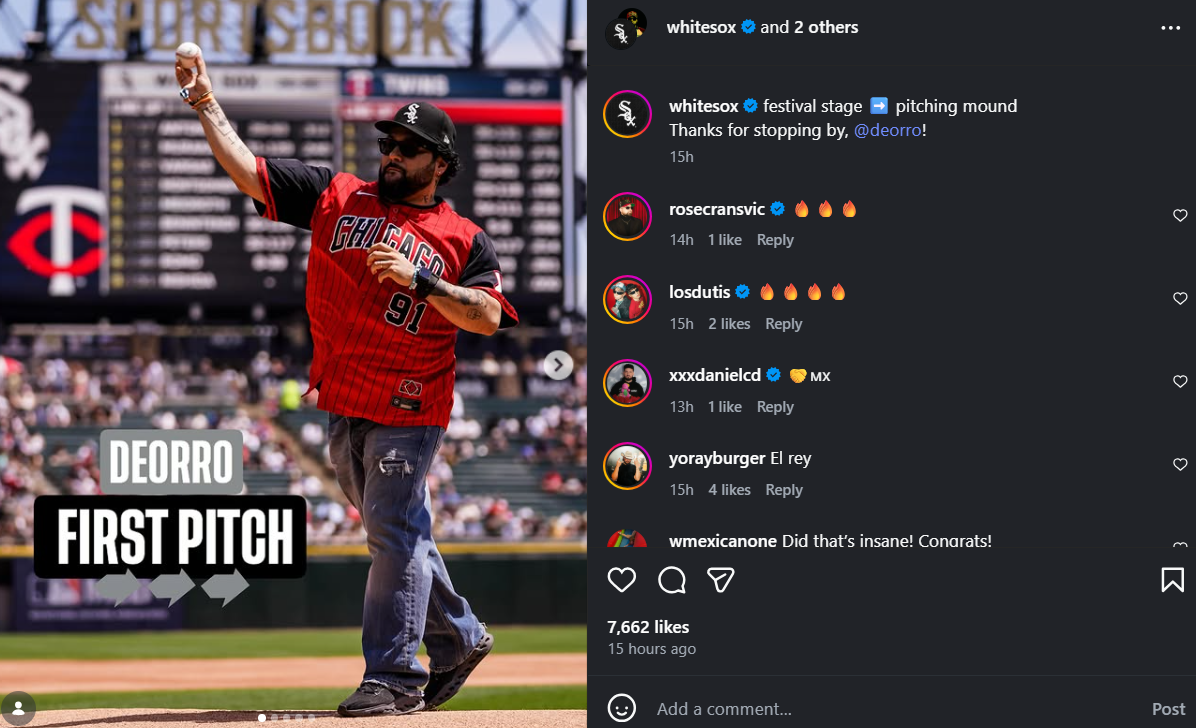
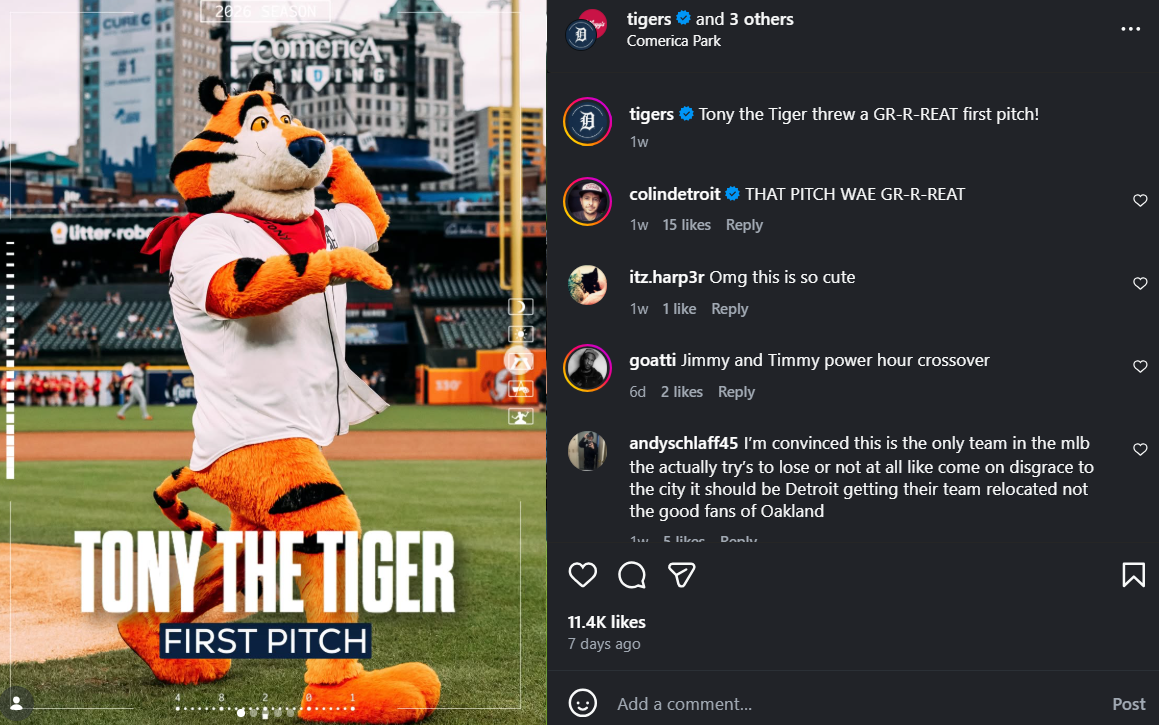
Tim Brogdon, Director of Digital Content for the Chicago White Sox, emphasizes that sports marketing must transcend the 162-game schedule. "While there is fan focus on the games themselves, sports marketing is so much more than those individual events," Brogdon notes. Successful franchises now deploy a "small army" of content creators—from videographers and editors to social media managers—to build content pillars that span lifestyle, behind-the-scenes interviews, training sessions, and off-season developments.
The Rise of Active Communities
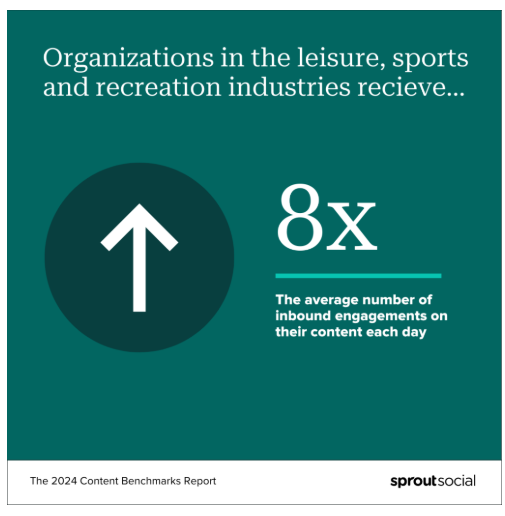
Perhaps the most significant metric is the shift from passive observation to active participation. The 2025 Content Benchmarks Report highlights that organizations in the sports and recreation sector receive 623% more inbound engagements daily than other industries. This data point suggests that sports fans are looking for a seat at the table. They want to contribute, comment, and feel like a valued stakeholder in the franchise’s future.
Official Insights: Strategies from the Frontlines
Professional franchises are leveraging sophisticated tools to ensure their social presence remains agile and impactful.
Sentiment Analysis and Cultural Resonance
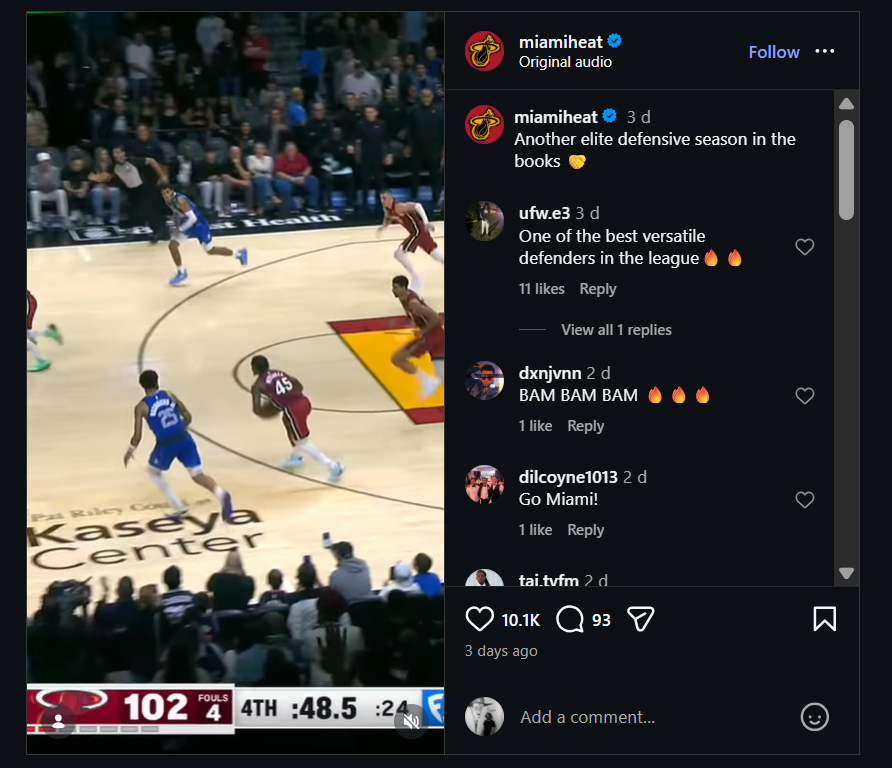
Emma Nye, Director of Social at the Detroit Tigers, advocates for a deep, cultural understanding of the local fanbase. "The voice we’re building on social really plays into what is culturally important to people in Detroit," Nye says. By utilizing sentiment analysis tools, the Tigers have moved beyond superficial metrics to understand the emotional state of their followers. This allowed them to capitalize on viral, community-driven trends—such as the "Magnum PI" campaign—that resonated because they felt organic to the local fan experience rather than forced by a boardroom.
Leveraging Creator Partnerships
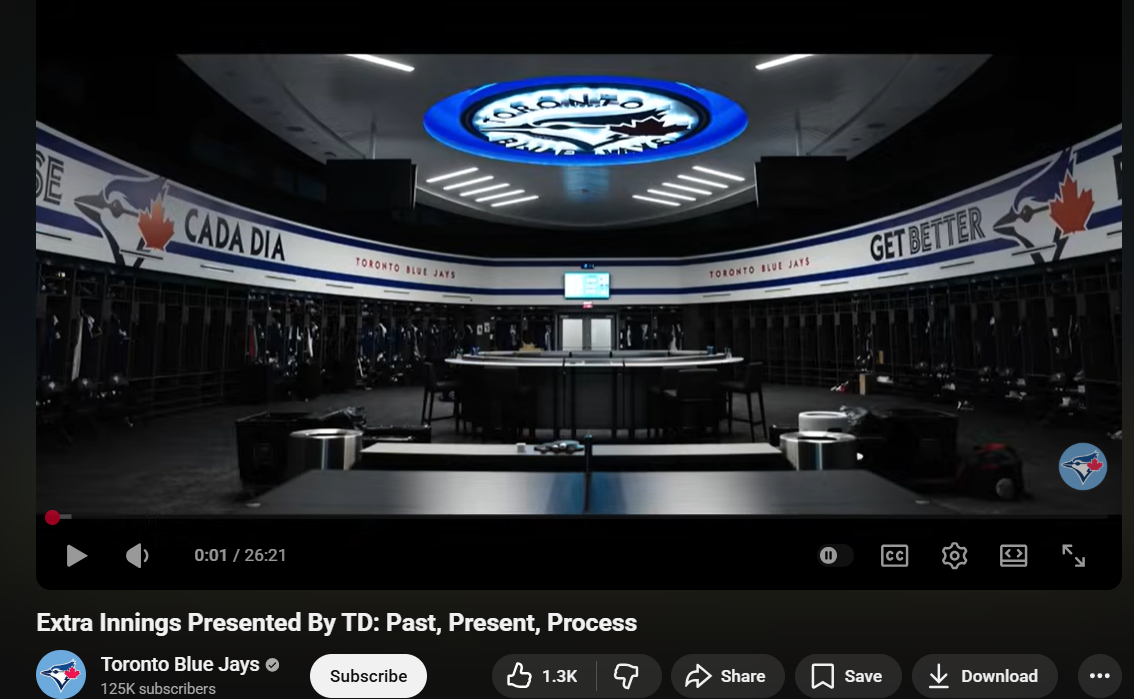
The era of the "celebrity endorsement" is being challenged by the "creator partnership." While star players remain vital, creators bring an authenticity that resonates with younger demographics. By using AI-powered search and Brand Fit Scores, teams are identifying influencers who are genuine fans of the club. The collaboration between the Chicago Bulls and influencer Jesser, which garnered nearly 50,000 likes, serves as a masterclass in how to bridge the gap between traditional sports and digital creator culture.
Implications for the Future
The implications for sports franchises are clear: social media is the primary engine for growth, revenue, and brand equity.
Revenue Diversification
Social media has unlocked new tiers of sponsorship. While stadium signage remains a constant, social media allows for "native" sponsorships—partnerships that feel integrated into the user’s feed. Whether it is an influencer-led campaign or a co-branded digital series like the Chicago White Sox’s Beyond 162, these social-first revenue streams provide measurable ROI that traditional media struggle to replicate.
Women’s Sports and Growth
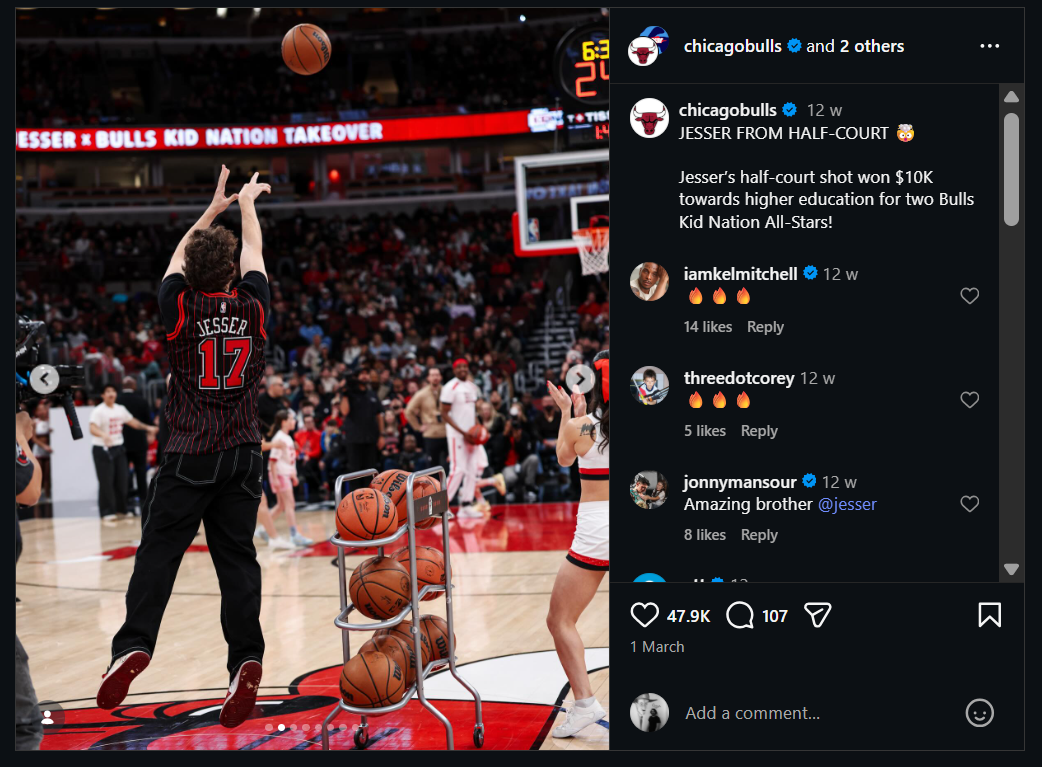
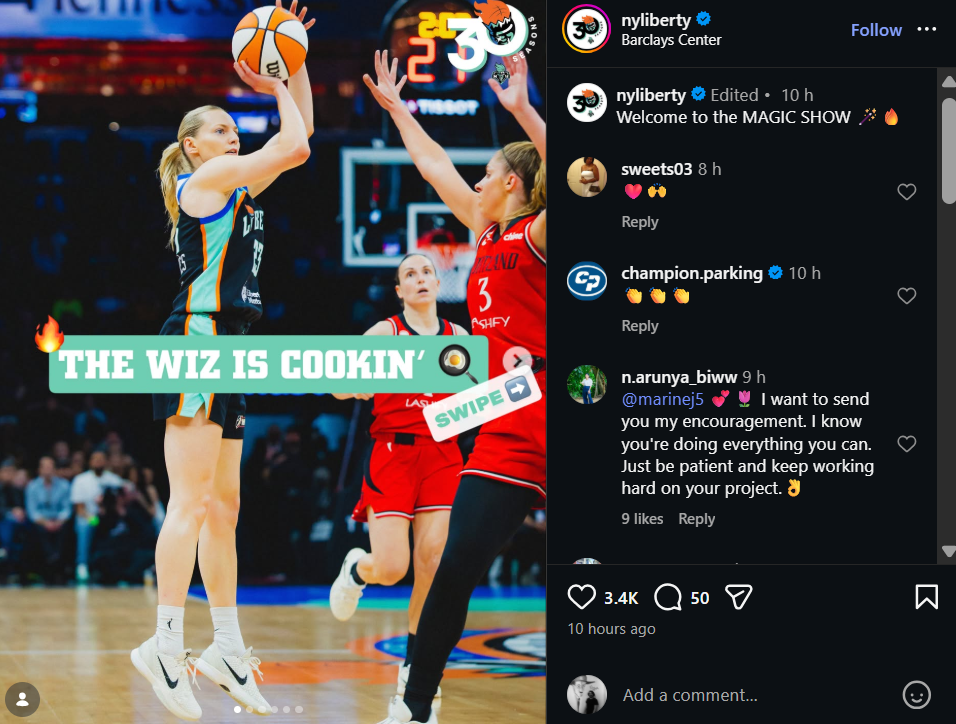
The surge in popularity of women’s sports is being amplified by dedicated social strategies. Teams like the WNBA’s New York Liberty have successfully utilized social media to build a massive, dedicated following of over 400,000 on Instagram alone. This trend proves that when teams invest in digital visibility for women’s athletics, the audience responds with record-breaking engagement.
AI and Personalization
The next frontier is AI-driven personalization. As seen in the partnership between Ferrari and IBM, the future involves AI assistants that provide real-time race data and tailored experiences for individual fans. This level of customization ensures that the fan feels the team is speaking directly to them, increasing loyalty and long-term retention.
Best Practices for the Modern Sports Marketer
For those looking to replicate these successes, several best practices are emerging as industry standards:
- Prioritize Social-First Campaigns: Never recycle TV ads. Create content native to the platform where it will live.
- Establish Reporting Infrastructure: Use custom tagging strategies to track engagement by medium, campaign, or content pillar. Data-driven decision-making is the only way to prove value to stakeholders.
- Secure Internal Buy-In: Marketing to executives is just as important as marketing to fans. Take the time to build relationships with cross-functional teams, including PR and operations.
- Maximize Player Relationships: Treat athletes as collaborators. Use Spring Training and off-season sessions to educate players on how to amplify their own brands while supporting the team’s social goals.
- Listen, Don’t Just Broadcast: Use social listening tools to monitor conversations. If your fans are talking about a specific trend or song, join the conversation in an authentic way.
Conclusion: The New Playbook
The role of social media in sports is no longer a "nice-to-have"—it is the foundation of the modern franchise. By blending data-backed social listening with authentic, community-focused content, teams can build a brand that resonates far beyond the stadium walls. As the digital landscape continues to fragment, those who prioritize direct, meaningful engagement will be the ones that define the next era of sports fandom. The game has changed, and the arena is now global, digital, and permanently connected.

 Nila Kartika Wati
 Iffa Jayyana