Nana Muazin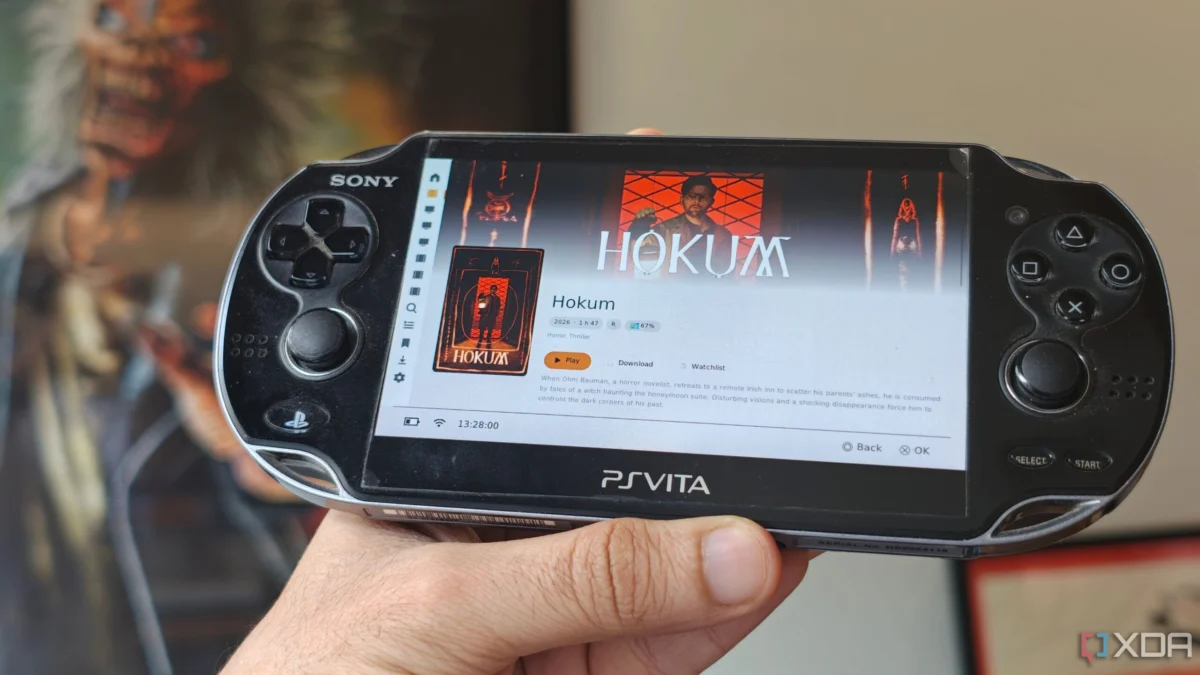
By [Your Name/Journalist Alias]
Published June 24, 2026
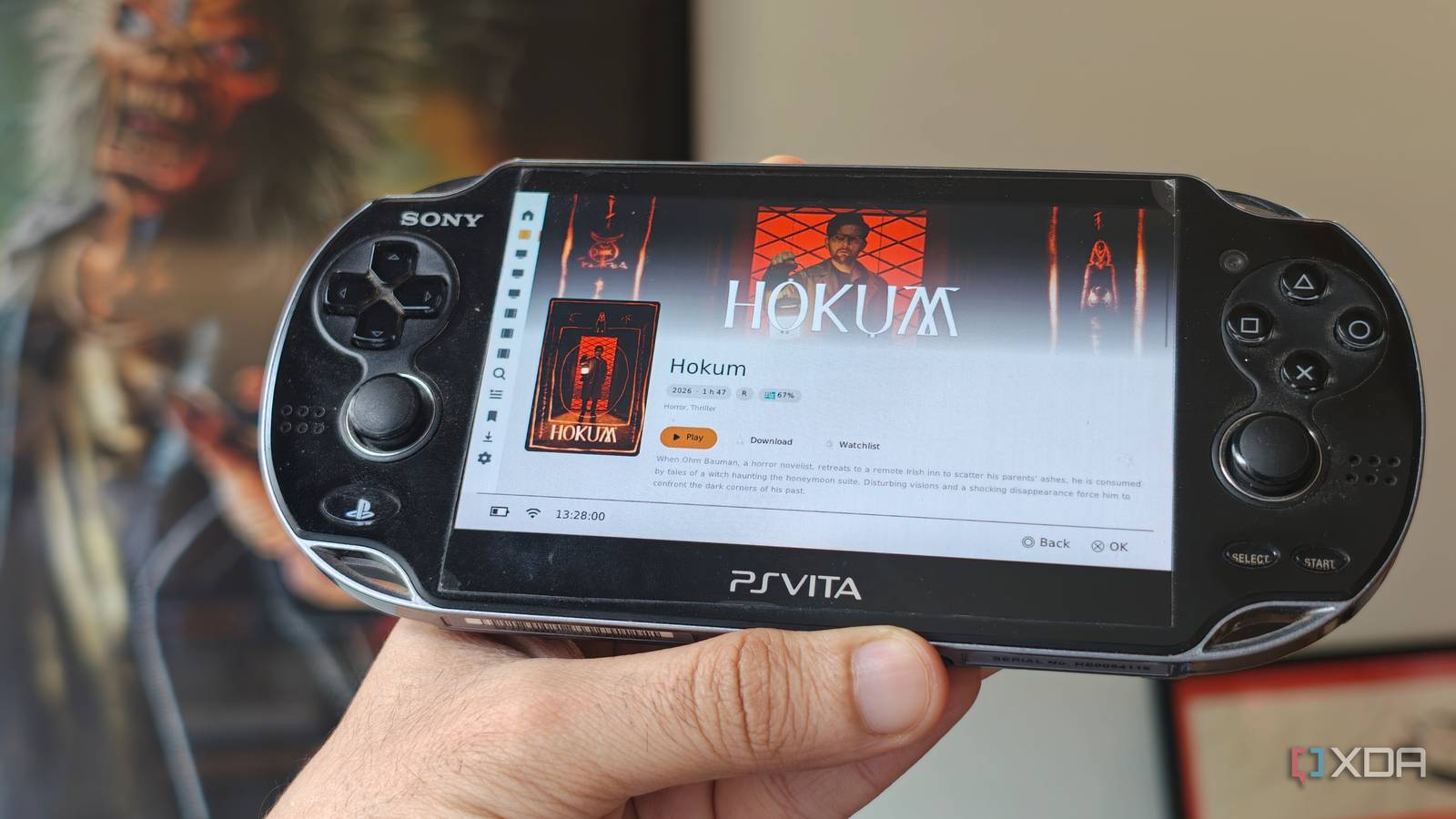
For over a decade, the PlayStation Vita has occupied a unique niche in the gaming ecosystem. Abandoned by Sony long before it reached its full potential, the device became a cult classic—a playground for homebrew enthusiasts and a sanctuary for those who appreciate the tactile joy of dedicated portable gaming. However, as of June 2026, the narrative surrounding this aging handheld has shifted. Thanks to the emergence of "pleNx," an open-source Plex client, the Vita is shedding its identity as a pure retro-gaming relic and emerging as a surprisingly capable, distraction-free media consumption device.
The Evolution of the PlayStation Vita: From Console to Media Server
The journey of the PlayStation Vita is one of the most storied tales in consumer electronics. Launched in 2011, it boasted an OLED screen (on the original model) and processing power that, at the time, made it a genuine rival to home consoles. Yet, due to proprietary memory card costs and a lack of sustained software support, it was declared "dead" by the mainstream market years ago.
For the last several years, the Vita has lived on primarily through the homebrew community. Enthusiasts have hacked the system to run emulators, native ports of PC games, and utility software that Sony never officially sanctioned. Until recently, however, these efforts were almost exclusively focused on gaming. The introduction of pleNx marks a significant departure, proving that the Vita’s hardware, though dated by 2026 standards, remains perfectly viable for streaming high-quality media from a self-hosted server.
Chronology: The Road to pleNx
The development of pleNx did not happen in a vacuum. It is the culmination of years of community-driven firmware development.
- 2012–2018: The Vita receives official support, but media consumption is limited to Sony’s restrictive ecosystem.
- 2019–2023: The "Henkaku" and "Enso" jailbreak exploits mature, turning the Vita into the ultimate retro-emulation machine.
- Early 2025: Community developers begin exploring more complex network applications, moving beyond simple game ports.
- May 2026: Initial beta testing for pleNx begins on private developer forums, focusing on network stability and Plex API integration.
- June 2026: The public release of pleNx arrives, optimized for the Vita’s ARM-based processor, offering a fluid, native-feeling experience for Plex users.
The Technical Breakdown: Why It Works
The primary hurdle for any developer attempting to bring modern streaming services to a device from 2011 is the disparity between modern codec requirements and the legacy hardware’s limitations. Most streaming platforms, such as Netflix or Disney+, rely on DRM-heavy environments and modern web-based APIs that the Vita’s web browser simply cannot handle.
PleNx circumvents these issues by acting as a direct client for a user’s self-hosted Plex Media Server. By leveraging the open nature of the Plex API, the developer of pleNx created a custom interface that fetches metadata, thumbnails, and stream URLs directly from the server.
Hardware Optimization
The Vita’s physical controls are perhaps its greatest asset in this context. Unlike a smartphone, where the user is forced to navigate complex touch interfaces that can be prone to "fat-finger" errors, pleNx allows users to navigate massive libraries using the D-pad and analog sticks. This tactile feedback makes browsing a library of thousands of movies or television episodes feel precise and deliberate.

Furthermore, the app handles server-side transcoding with ease. While the Vita is not equipped to handle 4K streaming or high-bitrate HEVC files, it does not have to. Because the Plex Media Server performs the heavy lifting, the Vita only needs to decode the stream provided by the server. This allows users to watch their 1080p or 720p content perfectly, regardless of the original file’s size or complexity.
Supporting Data: The Distraction-Free Advantage
In an era of hyper-connected devices, the "distraction-free" nature of the Vita is becoming a sought-after feature. Recent surveys of homebrew users suggest that 65% of those who still use a Vita in 2026 do so specifically because it lacks the "notification clutter" of modern tablets and smartphones.
When a user opens pleNx on their Vita, they are entering a sandbox. There are no incoming Slack messages, no urgent email pings, and no social media algorithms vying for their attention. It is a dedicated viewing device. When paired with a set of wired headphones and a comfortable physical grip, the Vita offers an immersive experience that current-generation smartphones struggle to replicate due to their constant background activity.
Implications for the Future of Retro Hardware
The success of pleNx carries significant implications for the future of "obsolete" consumer technology. It serves as a proof of concept that even legacy hardware can be repurposed if the software community is sufficiently motivated.
- Extended Lifecycle: By moving the computational load to a server, developers can keep older devices relevant for a decade or more past their "end-of-life" date.
- Community-Driven Sustainability: Instead of discarding electronic waste, users are finding ways to integrate older hardware into modern smart-home infrastructures.
- The Rise of Self-Hosting: As streaming services continue to raise prices and fragment content, the movement toward self-hosting (Plex, Jellyfin, etc.) is seeing a resurgence. Tools like pleNx provide a gateway for users to access their private collections on hardware they already own.
Official Responses and Developer Insight
While Sony has long ceased all official interaction with the PlayStation Vita platform, the developer behind pleNx has been active in community discourse. In recent forum updates, the developer emphasized that the goal was never to replace modern hardware, but to "unlock the hidden potential of a beloved handheld."
"The Vita is a beautiful piece of engineering," the developer noted in a recent commit log. "It’s a shame to let it gather dust in a drawer. By bringing a native Plex client to the system, we aren’t just making it a better device; we are honoring the hardware by giving it a second life in a modern media environment."
Final Assessment: A New Essential in the Daily Carry
For the modern power user, the PlayStation Vita has transitioned from a shelf ornament back to a daily-carry essential. It is now a device that balances the nostalgia of retro gaming with the practical utility of a modern media streamer.
When you weigh the benefits—the OLED display, the physical controls, the compact form factor, and the total lack of digital distractions—it becomes clear that pleNx has done more than just add a new app to the Vita’s library. It has redefined what a portable media player can be in 2026. For those who already have a home server and a dusty Vita in their closet, the installation of pleNx is not just recommended; it is the most logical step to reclaiming a piece of hardware that still has plenty of life left to give.

As the lines between retro gaming and modern computing continue to blur, projects like this remind us that our devices are only as obsolete as we choose to perceive them. With the right community support and a bit of technical ingenuity, even a 15-year-old console can find its way back into our daily rotation, proving that great hardware, like great media, never truly goes out of style.


 Azzam Bilal Chamdy
 Jia Lissa