Neng Nana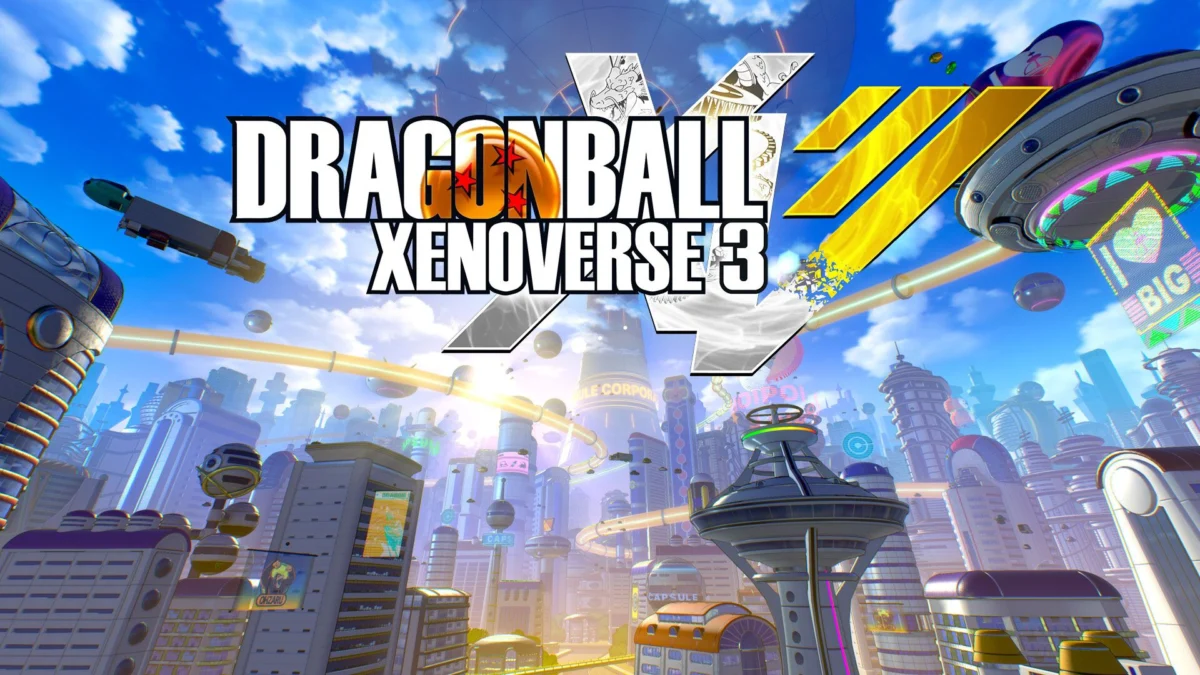
By Adam Beck | Published June 23, 2026
The Dragon Ball franchise stands as a colossus in the global entertainment landscape. Since its inception in the late 1980s and its explosion into international consciousness in the 90s, the series has generated billions of dollars in merchandise, cemented its status as an anime staple, and redefined the shonen genre. Central to its enduring success is a roster of characters that transcend the screen: the perpetually earnest Goku, the regal and tempestuous Prince of Saiyans Vegeta, and the sage, stoic Piccolo.
For over three decades, these characters have dominated the gaming space, moving from 8-bit sprites to high-fidelity 3D models. However, few sub-series have captured the imagination of the fanbase quite like the Xenoverse saga. Following an agonizing decade-long hiatus since the release of the last entry in 2016, Bandai Namco and developer Dimps have finally pulled back the curtain on Dragon Ball Xenoverse 3. Revealed at Summer Game Fest 2026, the title promises to be the definitive evolution of the 3D arena-fighter genre.
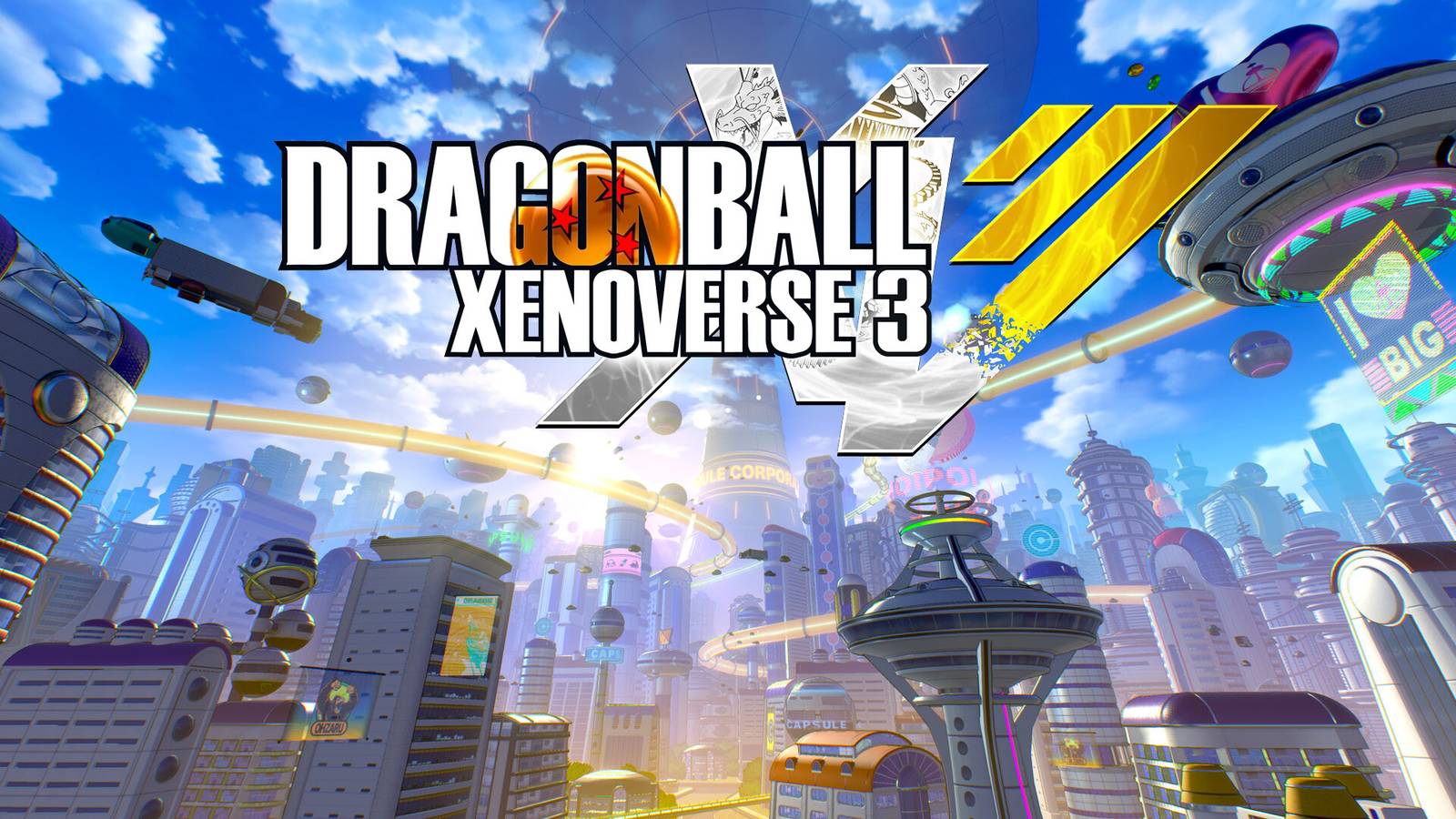
A Legacy Reborn: The Chronology of Xenoverse
The Xenoverse series arrived at a time when the fighting game market was saturated with traditional 2D brawlers. By introducing a "Time Patroller" narrative that allowed players to insert themselves directly into the history of the Dragon Ball timeline, Dimps fundamentally altered how players interacted with the source material.
- The Origins (2015): The original Dragon Ball Xenoverse introduced the concept of custom avatars and the Time Patrol hub, setting the foundation for a unique blend of RPG elements and high-octane action.
- The Refinement (2016): Dragon Ball Xenoverse 2 took those concepts to a massive scale, receiving consistent support and updates for years. It became a benchmark for anime-based gaming, proving that players wanted to live in the world of the Z-Fighters rather than just replicate existing battles.
- The Long Silence (2017–2025): While titles like Dragon Ball FighterZ pushed the envelope for 2D competitive play, the demand for a true 3D sequel grew. The industry landscape shifted, hardware capabilities expanded, and fans clamored for a return to the customizable, arena-based freedom of Xenoverse.
- The Return (2026): Dragon Ball Xenoverse 3 officially signals a return to form, utilizing modern engine technology to deliver a scope previously thought impossible.
A New Xenoverse for a New Generation
At its core, Xenoverse 3 is built upon the pillars of player agency and spectacle. During our exclusive hands-on demo at Summer Game Fest, the most immediate upgrade was the character creator. While the demo limited us to Human and Saiyan races, the depth of customization—ranging from distinct physical traits to stat-allocation builds—suggests a level of RPG complexity that was previously relegated to the background.
The decision to lean into the "Saiyan" fantasy is understandable; the ability to transform, hit Super Saiyan 3, and exert raw power is the quintessential Dragon Ball experience. Yet, for those who prefer the strategic nuance of other races, the game offers a distinct balancing act. Each race carries unique perks and stat distributions, ensuring that your choice of character matters as much as your skill on the controller.

Fully Customized Combat and Environmental Dynamics
The combat system in Xenoverse 3 remains faithful to the series’ roots—blending high-speed flight, melee combos, and devastating Ki-blast finishers—but it is the integration of the environment that truly elevates the experience.
In our demo encounter against the legendary Broly, the arena was not merely a backdrop but a tactical resource. We fought in a frozen wasteland where towering, jagged icicles acted as legitimate shields. Players must now use the environment to break the enemy’s line-of-sight, dodging heavy energy attacks or creating opportunities for counter-strikes. This sense of spatial awareness adds a layer of depth to the traditional "fly and blast" gameplay loop.
Furthermore, the customization of Super Attacks has been overhauled. Players are no longer restricted to a set path; they can synthesize moves, creating a hybrid of iconic techniques like the Kamehameha and Kaio-Ken to suit their specific playstyle.

The Innovation: Soul Assist
Perhaps the most significant addition to the gameplay loop is the "Soul Assist" mechanic. This feature allows players to temporarily manifest a partner character mid-battle. During our session, we were able to swap our avatar’s entire combat kit and visual model into that of Future Trunks mid-combo.
This isn’t just a cosmetic change; it completely alters the flow of combat. If you are struggling against an overwhelming opponent, activating Soul Assist can shift the momentum by providing a burst of support or an entirely different moveset that might be better suited to the situation. It effectively turns the tide of battle, providing the tactical flexibility required for the game’s more challenging, high-stakes missions.
Implications for the Fighting Genre
The announcement of Dragon Ball Xenoverse 3 carries massive weight for the fighting game industry. By blending the accessibility of a 3D arena fighter with the deep, persistent progression of a role-playing game, Bandai Namco is positioning this title as the ultimate hub for Dragon Ball fans.
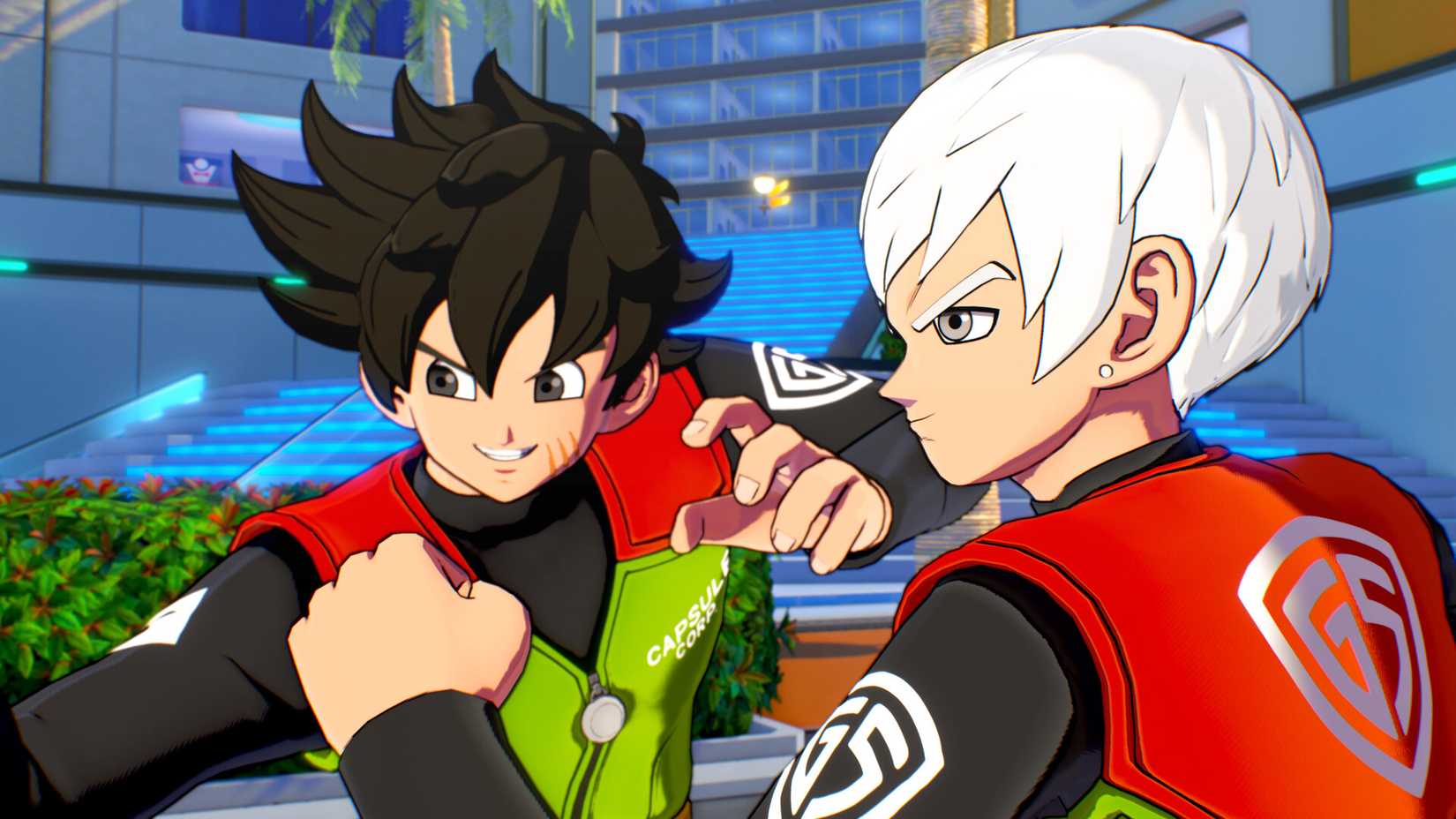
- Multiplayer Integration: While the game remains mission-structured, the scope of these instances has been expanded. Exploring massive, open-world environments with other players feels like a natural evolution of the "Time Patroller" concept.
- The Competitive Scene: While FighterZ will likely remain the king of the tournament circuit, Xenoverse 3 aims to capture the casual-competitive market—players who want to master their own unique build and climb the ranks of a massive, global leaderboard.
- Longevity: If Xenoverse 2 is any indication, we can expect years of post-launch content, character packs, and story expansions. The base game is designed as a platform, not just a static release.
Final Verdict: Beyond the Power Level
Dragon Ball Xenoverse 3 represents a significant leap forward for the series. It doesn’t just replicate the successes of the past; it amplifies them. The focus on personal narrative, the refined environmental interaction, and the introduction of game-changing mechanics like Soul Assist create a package that feels both nostalgic and refreshingly new.
As we look toward the future, it is clear that Bandai Namco has recognized that Dragon Ball is more than just a fighting game—it is an experience. By allowing fans to step into the boots of their own created warriors and stand alongside the legends of the franchise, Xenoverse 3 is poised to set a new power level for the entire genre. The wait has been long, but based on what we have seen at Summer Game Fest, the Dragon Ball universe is in very capable hands.


 Asro
Asro
 Muslim