Nana Wu
In the vast, ever-expanding landscape of modern streaming, few genres capture the public imagination quite like the dystopian thriller. From the sprawling, galaxy-spanning politics of Battlestar Galactica to the intimate, fungus-choked desperation of HBO’s The Last of Us, audiences have proven they have an insatiable appetite for stories that explore the fragility of civilization. Yet, as Netflix continues to shuffle its library, one hidden gem has re-emerged to bridge the gap between these two titans of television.
The Last Ship, a pulse-pounding, five-season military action series that originally aired on TNT, has officially landed on Netflix, offering a masterclass in high-stakes survival and geopolitical maneuvering. For those who find themselves mourning the absence of a truly gritty, grounded post-apocalyptic epic, The Last Ship is not just a recommendation—it is a necessity.
The Premise: A Global Race Against Extinction
At the heart of The Last Ship lies a premise that is as terrifying as it is grounded in reality. The series follows the crew of the USS Nathan James, an Arleigh Burke-class guided-missile destroyer, as they find themselves in the eye of a global storm. While the ship is engaged in top-secret testing in the Arctic, a catastrophic pandemic—a virulent pathogen—decimates 80% of the world’s population, effectively collapsing governments, supply chains, and social order.

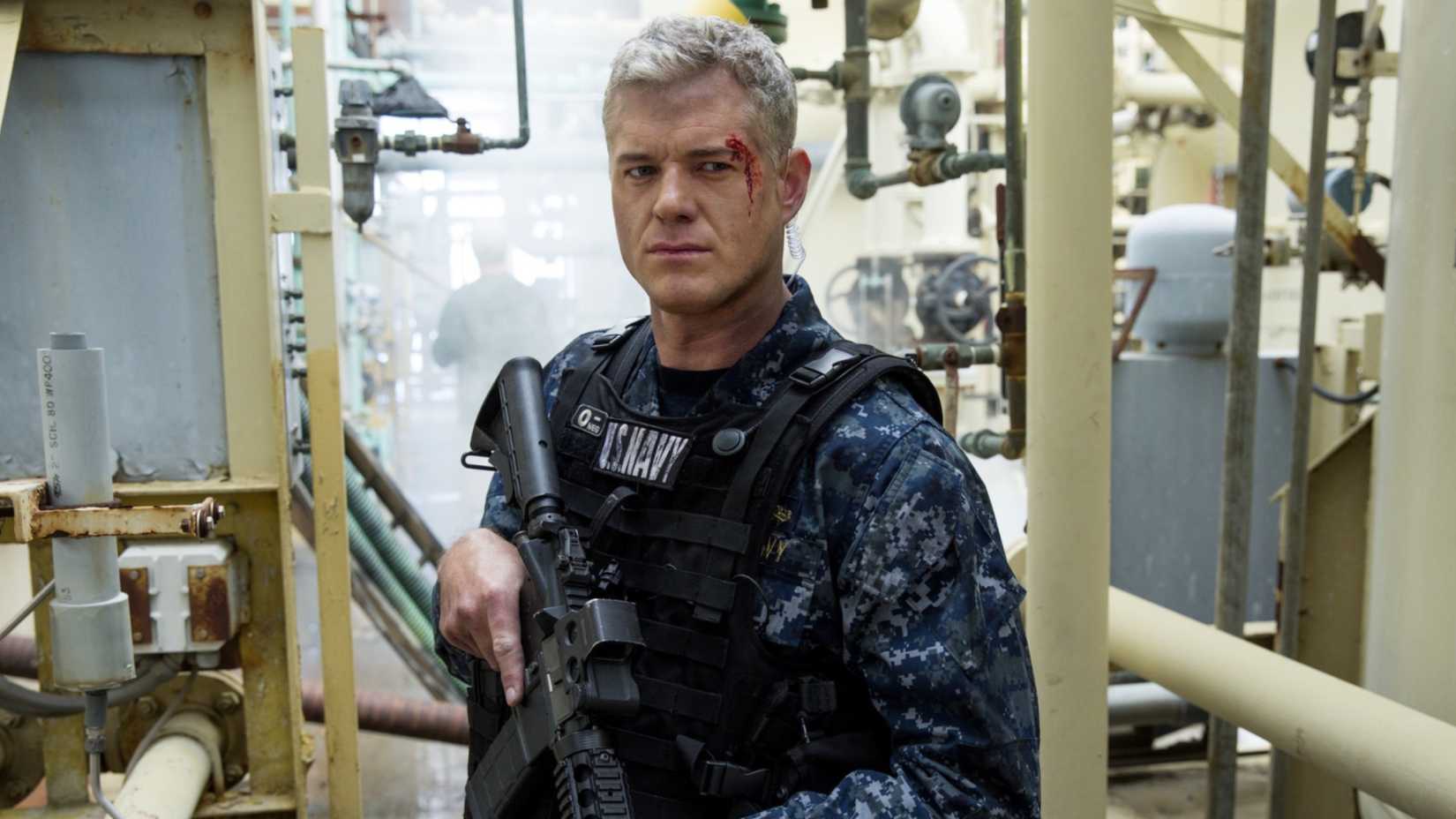
Commander Tom Chandler, portrayed with rugged intensity by Eric Dane, soon discovers that the isolation of his ship has turned them into the most valuable asset on the planet. Aboard the Nathan James is Dr. Rachel Scott, a virologist who has spent months in the Arctic collecting samples to synthesize a vaccine. With the world in ruins and the remaining power players scrambling to consolidate control over the remnants of humanity, the ship becomes a singular beacon of hope—and a primary target for those who wish to weaponize the cure or use it as leverage to build a new world order.
Chronology of a Survival Epic
The narrative trajectory of The Last Ship unfolds with a relentless pace, mirroring the military precision of its protagonists.
The Initial Outbreak (Season 1)
The debut season focuses on the harrowing journey of discovery. The crew of the Nathan James is stripped of their primary mission and thrust into a fight for survival. As they navigate the transition from a naval vessel to a mobile laboratory and sanctuary, the show establishes its core tension: the moral burden of having the cure while lacking the infrastructure to distribute it.

The Rise of New Power Structures (Seasons 2-3)
As the series progresses, the scope of the story expands significantly. The crew realizes that the collapse of the United States has led to the rise of regional warlords and foreign powers attempting to fill the vacuum. These seasons shift from a focus on the biological threat to the sociological one—how do humans behave when the law of the sea is the only law left? The expansion into international waters adds a layer of global intrigue that rivals the political maneuvering seen in the best seasons of Battlestar Galactica.
The Fight for the Future (Seasons 4-5)
The final chapters of the series tackle the long-term consequences of the apocalypse. With the world attempting to rebuild, the narrative explores the challenges of governance, the lingering trauma of mass death, and the inevitable clash between those who want to restore the old world and those who wish to forge a new, potentially darker, path. It is a fitting, grand-scale conclusion that cements the show’s legacy as a serious exploration of post-apocalyptic theory.
Comparative Analysis: The DNA of Success
To understand why The Last Ship resonates so strongly with fans of Battlestar Galactica and The Last of Us, one must look at the specific narrative levers it pulls.
The Military Framework
Battlestar Galactica was fundamentally about the chain of command under extreme duress. The Last Ship adopts this same ethos. The military structure isn’t just window dressing; it is the framework through which the characters process trauma. When the world ends, order is the only thing that keeps humanity from descending into chaos. The internal conflicts between Commander Chandler’s moral compass and the cold, hard requirements of naval duty provide a character-driven tension that remains compelling across all 56 episodes.
The Biological Dread
If Battlestar Galactica provides the "how we fight" element, The Last of Us provides the "what we fight" element. The looming threat of the virus in The Last Ship serves the same function as the cordyceps fungus—it is an ever-present, invisible predator that dictates every movement. The mission to deliver the vaccine, much like Joel and Ellie’s trek across America, creates a "ticking clock" scenario that keeps the stakes perpetually high.
Supporting Data: Why It Holds Up
Beyond the thematic similarities, the production values of The Last Ship remain impressive. The series utilized real-world naval cooperation, often filming on actual destroyers, which provides a tactile, authentic aesthetic that CGI-heavy shows often lack. The tactical sequences are lauded for their realism, having been choreographed with input from military advisors, making the action feel visceral rather than performative.

Furthermore, the character development is robust. The ensemble cast, including Jocko Sims and Bren Foster, brings a grounded humanity to the roles. They aren’t superheroes; they are sailors, engineers, and doctors, which makes their survival even more poignant.
Implications for Modern Television
The success of The Last Ship upon its arrival on Netflix highlights a growing trend in viewer behavior. Audiences are increasingly looking for "completed" narratives—stories with a beginning, a middle, and a definitive end. In an era of streaming cancellations and cliffhanger-heavy shows that never see a second season, The Last Ship offers a rare commodity: a five-season story that successfully tells its full arc.
The show also serves as a reminder of the "prestige procedural" era of television. It manages to balance "mission of the week" storytelling with long-term, serialized character arcs, a format that keeps engagement high without losing the plot’s momentum.

Why You Should Watch It Now
If you are currently waiting for the next season of your favorite sci-fi epic, The Last Ship is the perfect palate cleanser. It doesn’t rely on space magic or complex mythology; it relies on the fundamental, primal instinct of human beings to protect one another in the face of absolute extinction.
It is a show about the heavy burden of command, the ethics of survival, and the resilience of the human spirit. With its entire five-season run now available on Netflix, it is perfectly positioned to find a new generation of fans who crave a story that is as intellectually stimulating as it is action-packed.
Whether you are in it for the tactical naval battles, the scientific race against time, or the deep, complex characters navigating the end of the world, The Last Ship stands as a titan of the genre. Don’t let this one drift past your watchlist—it is truly the last, best hope for your next binge-watching obsession.


 Sagoh
Sagoh
 Suro Senen