Pevita Pearce
In an era where consumer skepticism toward corporate advertising is at an all-time high, brands are increasingly looking inward to find their most effective marketing channel: their own employees. Employee advocacy—the practice of empowering team members to share company content, industry insights, and cultural milestones on their personal social media channels—has evolved from a niche HR strategy into a critical pillar of modern business growth.
Recent data from the 2025 Edelman Trust Barometer highlights a stark reality: audiences are losing faith in traditional brand messaging. When a brand speaks about itself, it is viewed as advertising; when an employee speaks about their experience, it is viewed as an authentic testimonial. This shift is driving a fundamental change in how companies approach social media, moving away from megaphone-style corporate broadcasting toward a decentralized, human-centric model.

Understanding the Mechanics of Employee Advocacy
At its core, employee advocacy is the process of turning your workforce into a network of brand ambassadors. Unlike influencer marketing, which relies on paid, external creators to promote products, employee advocacy is organic and internal. It is built on the genuine connection staff members have with their company’s culture, values, and products.
While LinkedIn remains the primary battleground for B2B advocacy, the practice is rapidly expanding into cross-platform territories, including X (formerly Twitter), TikTok, and even private Slack or Discord communities. The goal is simple: to amplify reach by tapping into the personal networks of employees—networks that are, on average, ten times larger than the official follower base of the company they work for.

The Chronology of a Shift: From Corporate Control to Individual Voice
The rise of employee advocacy didn’t happen overnight. It represents a decade-long evolution in digital marketing:
- 2015–2018 (The Early Adoption Phase): Companies began experimenting with basic "share this post" requests. Programs were often manual, cumbersome, and lacked the necessary tools to make sharing easy.
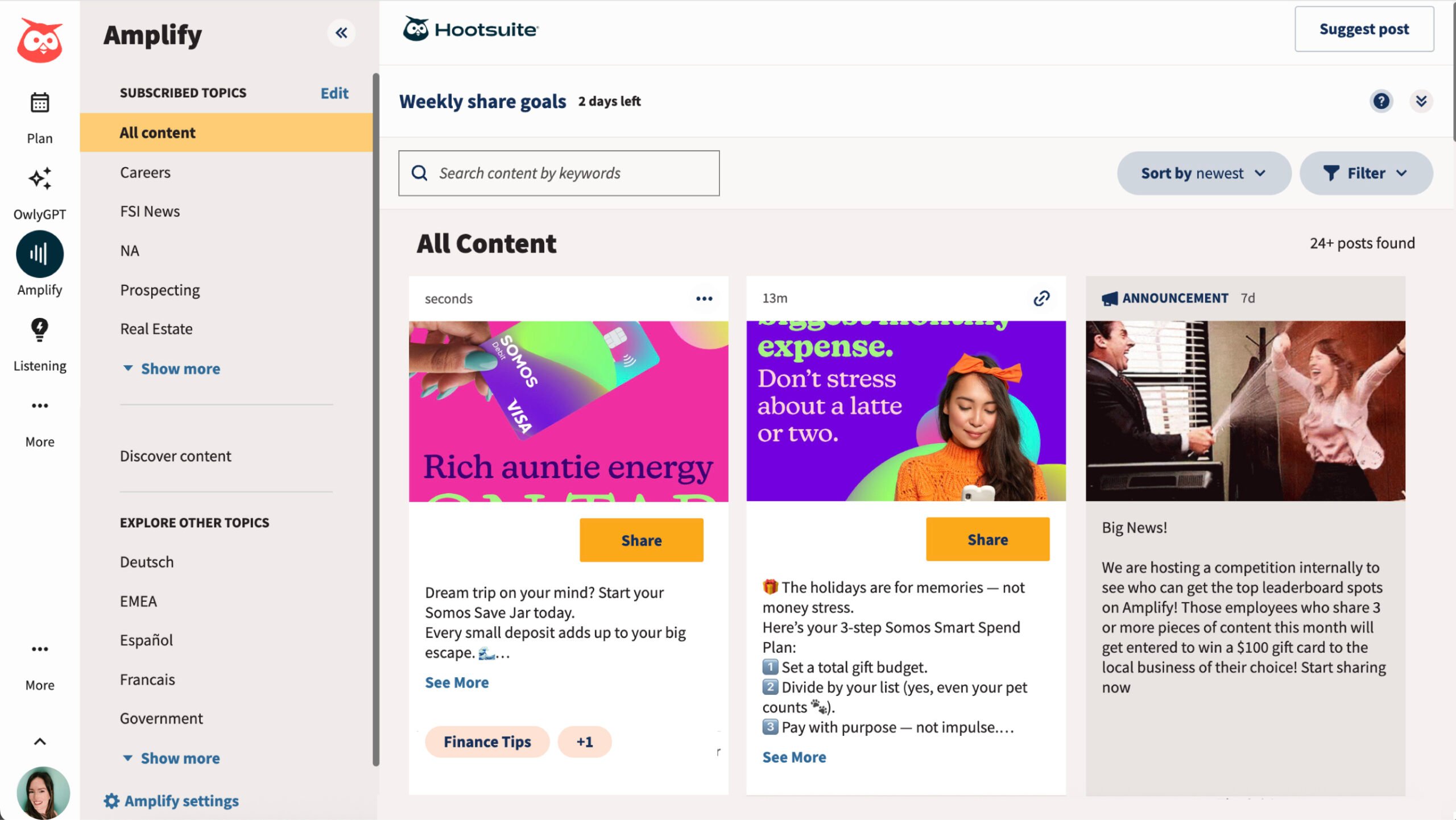
- 2019–2022 (The Integration Phase): Businesses realized that manual sharing led to burnout. Platforms like Hootsuite Amplify emerged, centralizing content and allowing for seamless sharing directly to personal feeds, often integrated with existing workplace communication tools.
- 2023–Present (The Authenticity Era): Today, the focus has shifted from volume to quality. Brands are now training employees not just to "reshare," but to "reframe." The emphasis is on adding personal commentary and unique insights, ensuring that posts don’t feel like corporate press releases but rather like genuine professional conversations.
Supporting Data: The ROI of Humanizing the Brand
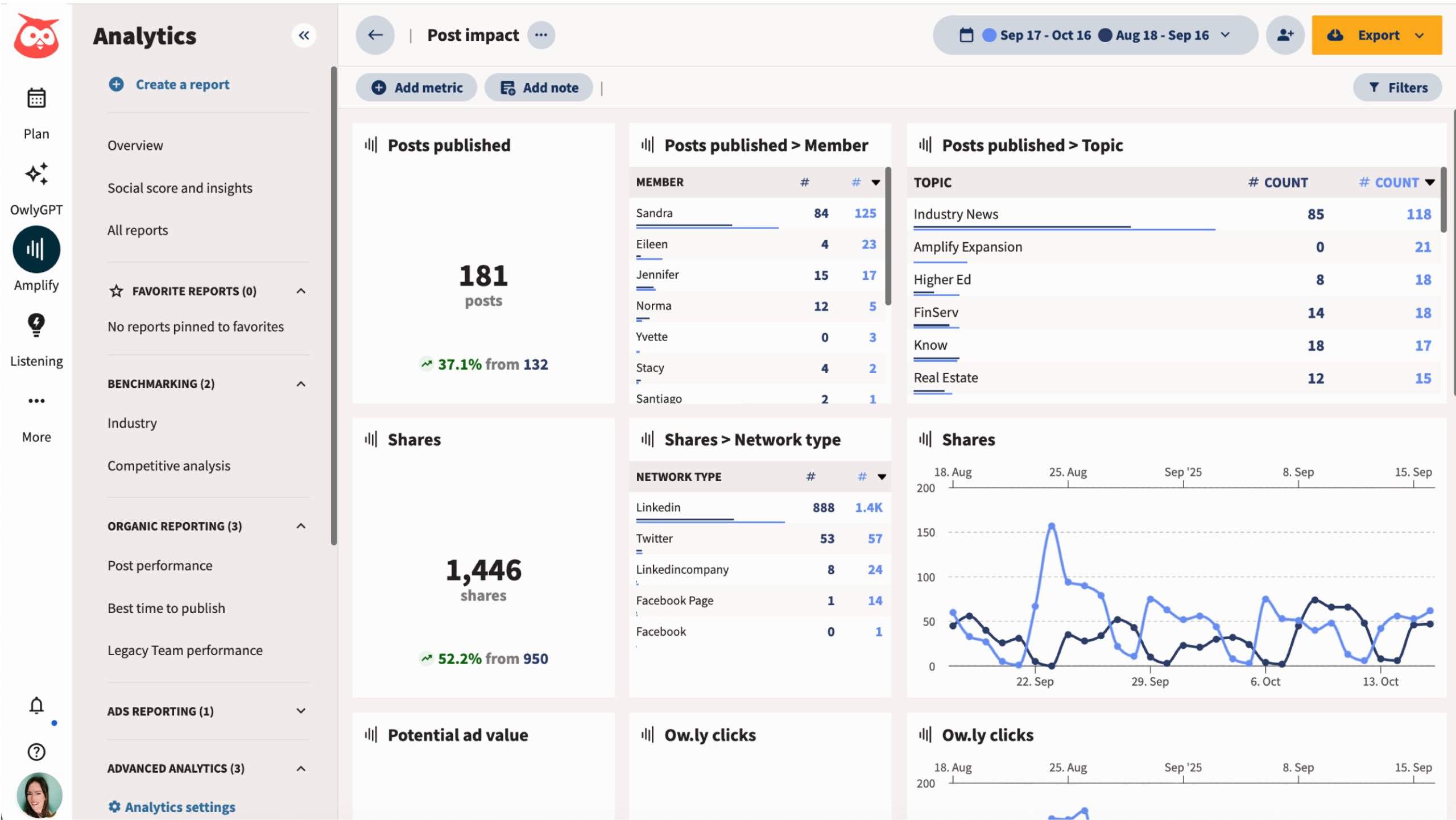
The performance metrics from Hootsuite’s own internal advocacy program (2024–2025) provide a compelling case study for the effectiveness of this strategy. With 40% to 50% of employees actively participating, the results speak for themselves:
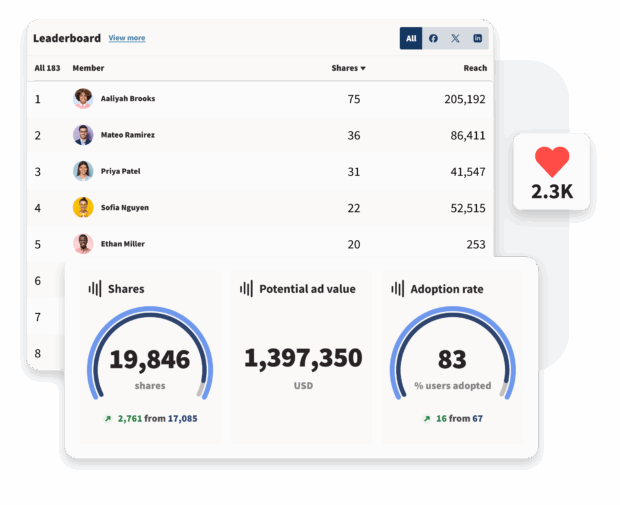
- Broadened Reach: The average reach per post stands at nearly 22,000, with top-performing individual posts reaching over 200,000 people.
- Efficiency: By leveraging internal networks, companies are seeing a massive reduction in the cost-per-impression compared to paid social advertising.
- Talent Acquisition: Data suggests that companies with socially active employees are 58% more likely to attract top-tier talent. This is because potential hires treat an employee’s post about company culture as a "behind-the-scenes" tour, which is infinitely more credible than a polished careers page.
Case Studies in Success
- Carahsoft: The IT solutions provider saw an explosion in visibility after launching their advocacy program. They recorded 8,700 new website visits and 35% of their total event registrations coming directly from employee-shared posts.
- Athletico Physical Therapy: By empowering therapists and trainers to share their own experiences, the company saw a 40% growth in reach. The key was aligning their content calendar with key industry moments, such as National Physical Therapy Month.
- DaVita: This global healthcare giant utilized advocacy to humanize their recruitment process, resulting in a 136% increase in traffic to their careers page and a 27% lift in job applications.
Implications for Modern Marketing and HR
The move toward employee advocacy has profound implications for both marketing and human resources departments. It forces a collapse of the silos between these two functions. Marketing provides the raw content, while HR ensures the culture being projected is authentic and consistent.
The "Trust Gap"
The most significant implication is the "trust gap." As 60% of consumers explicitly state they trust an individual’s opinion over a corporate account’s statement, brands that refuse to adopt advocacy programs are effectively silencing their most persuasive voices. By choosing to remain exclusively on "brand" channels, companies are leaving millions of dollars in potential earned media value on the table.
The Feedback Loop of Culture
Advocacy isn’t just an outward-facing tactic; it is an inward-strengthening tool. When employees are invited to represent the brand, they often feel a greater sense of ownership and pride. This creates a positive feedback loop: the employee shares the company’s win, their network engages with it, the company acknowledges the employee’s contribution, and the cycle of morale continues.
Strategic Framework: How to Build a Sustainable Program
Launching an advocacy program is not merely about installing software; it is about changing behaviors.
1. Secure Executive Buy-In
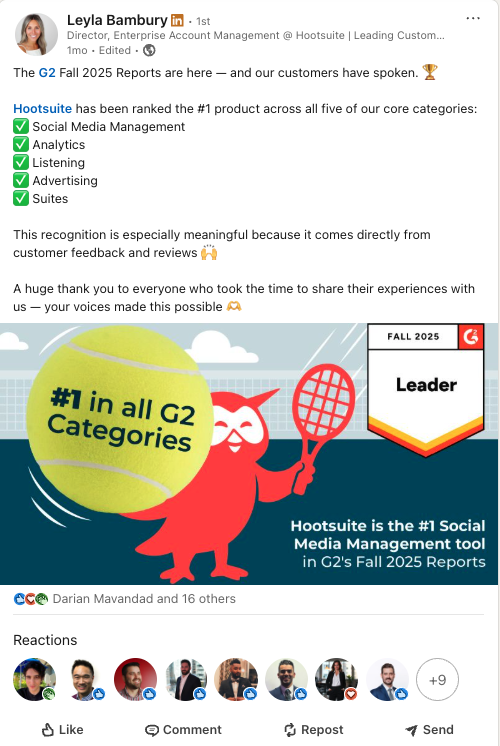
Advocacy must be modeled from the top down. When executives share content, it sends a signal to the entire organization that the activity is not only permitted but valued.
2. Curate, Don’t Command
The era of mandatory, cookie-cutter posts is over. Successful programs provide a "buffet" of content—articles, industry news, company wins, and behind-the-scenes photos—and give employees the autonomy to choose what they share and how they caption it.
3. Simplify the Workflow
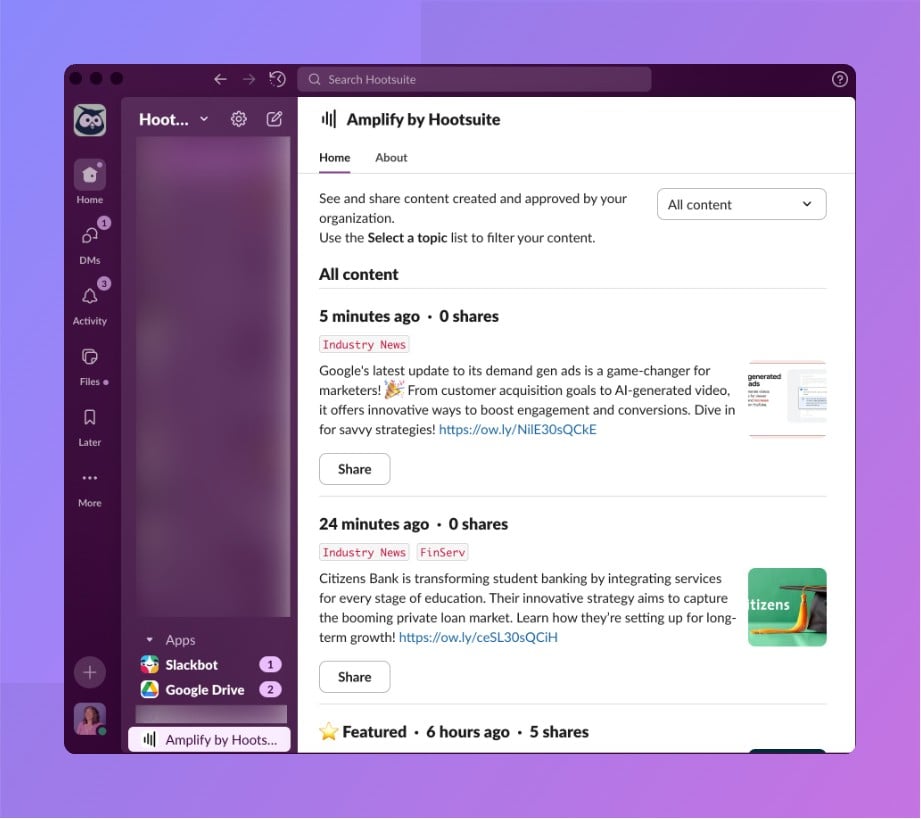
Friction is the enemy of participation. If an employee has to spend more than 30 seconds to share a post, the program will fail. Integration with tools like Slack, Microsoft Teams, or dedicated advocacy platforms is essential to ensure that sharing becomes part of the daily workflow.
4. Foster Healthy Competition
Gamification is a powerful motivator. Using leaderboards to highlight the most active advocates—not just in terms of reach, but in terms of engagement—can turn a chore into a fun, competitive team activity.
Addressing Compliance and Authenticity
A common concern for leadership is, "What if an employee says the wrong thing?" While this fear is valid, it should be addressed through education rather than restriction.
Guidelines for Success:
- The "Do" List: Encourage employees to use their own voice, share industry insights, and highlight team achievements.
- The "Don’t" List: Prohibit the sharing of confidential financial data, proprietary product information, or derogatory comments.
- The Empowerment Approach: Rather than writing a 50-page handbook of rules, provide a brief "cheat sheet" on social media etiquette. If employees feel confident in their ability to post, they are less likely to make errors.
The Future: Scaling for Enterprise
As businesses scale, the challenge becomes managing the sheer volume of content and the diversity of employee voices. This is where centralized management becomes vital. An enterprise-grade platform allows program managers to:
- Segment content: Ensure that regional or departmental teams receive content relevant to them.
- Measure real-time impact: Track which pieces of content are driving actual conversions rather than just vanity metrics.
- Automate reporting: Eliminate the need for manual spreadsheets and provide leadership with clear, actionable data on the program’s ROI.
Conclusion
The evidence is clear: the future of brand authority is not found in a bigger ad budget, but in the personal profiles of the people who make the business run. By giving employees the tools, the content, and the permission to show up as themselves, companies can bridge the trust gap, attract better talent, and build a more resilient, connected culture.

In the 2025 landscape, the most successful brands will be those that realize they aren’t just selling products—they are facilitating a network of human advocates. The "official" brand page will always be the base, but the employees are the ones who carry the message to the places where it truly matters.


 Nila Kartika Wati
 Iffa Jayyana