Asep Darmawan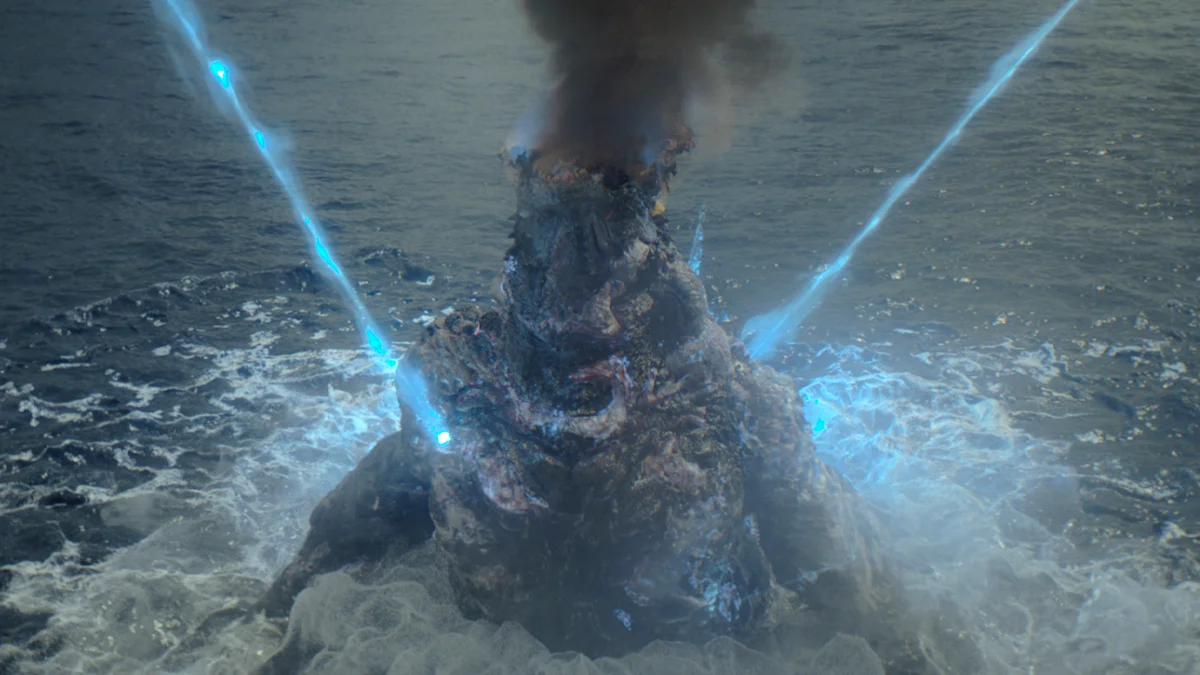
In a landmark discussion regarding the trajectory of Japan’s global cultural influence, two of the nation’s most prominent cinematic visionaries have issued a stark warning: the Japanese entertainment industry is neglecting the very foundation of its future success. Hideaki Anno, the legendary creator of Neon Genesis Evangelion, and Takashi Yamazaki, the Academy Award-winning director of Godzilla Minus One, recently sat down with Forbes Japan to dissect the structural, economic, and creative rot threatening the country’s "Cool Japan" ambitions.
While the Japanese government aims to triple the value of its media exports over the next decade, Anno and Yamazaki argue that the industry is overlooking critical vulnerabilities, most notably a precipitous decline in content produced specifically for children, a lack of historical preservation, and a volatile economic model that mirrors gambling more than sustainable business.
Main Facts: The "Cool Japan" Ambition vs. Creative Reality
The backdrop of this conversation is the Japanese government’s revitalized "Cool Japan" initiative. Launched with renewed vigor in 2024, the strategy sets an ambitious target: increasing overseas sales of Japanese media—including anime, manga, video games, and live-action films—from the current record of $38 billion (approximately ¥5.7 trillion) to ¥20 trillion ($131.4 billion) by the year 2033.
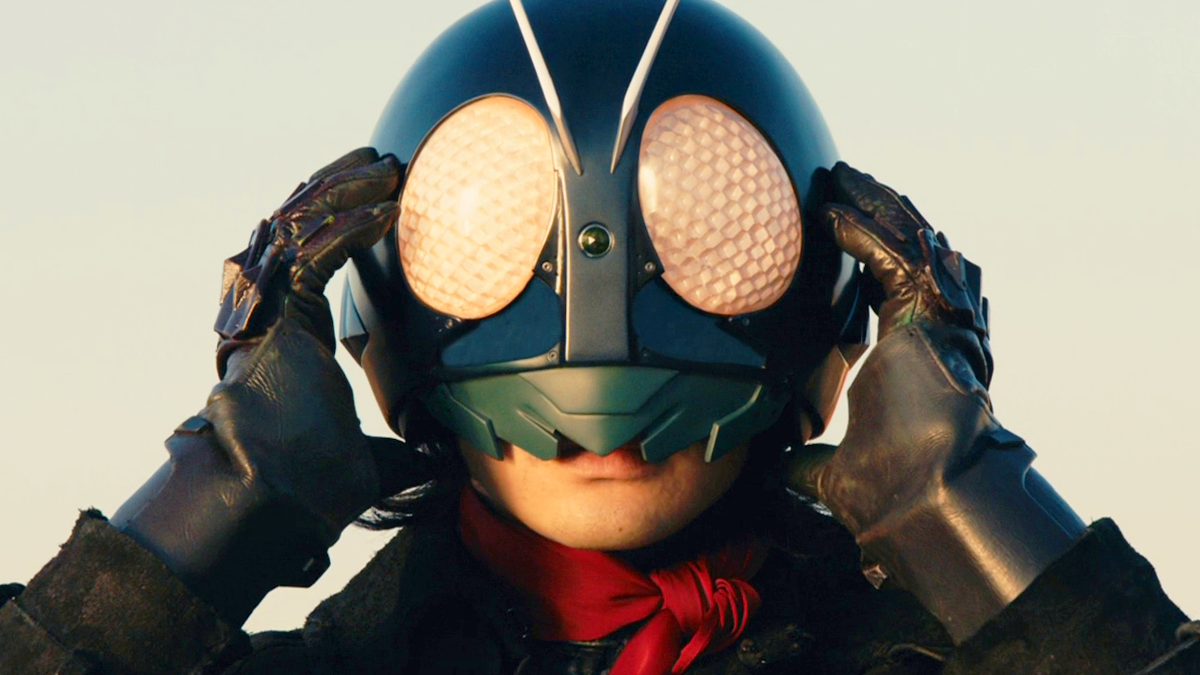
However, Hideaki Anno, whose recent "Shin" trilogy (Shin Godzilla, Shin Ultraman, and Shin Kamen Rider) revitalized classic Japanese icons for modern audiences, believes the government’s focus may be misplaced. While the state eyes the "export value" of media—noting it has already surpassed steel in some metrics—Anno argues that the true value of Japanese content lies in its ability to transmit culture at a low cost.
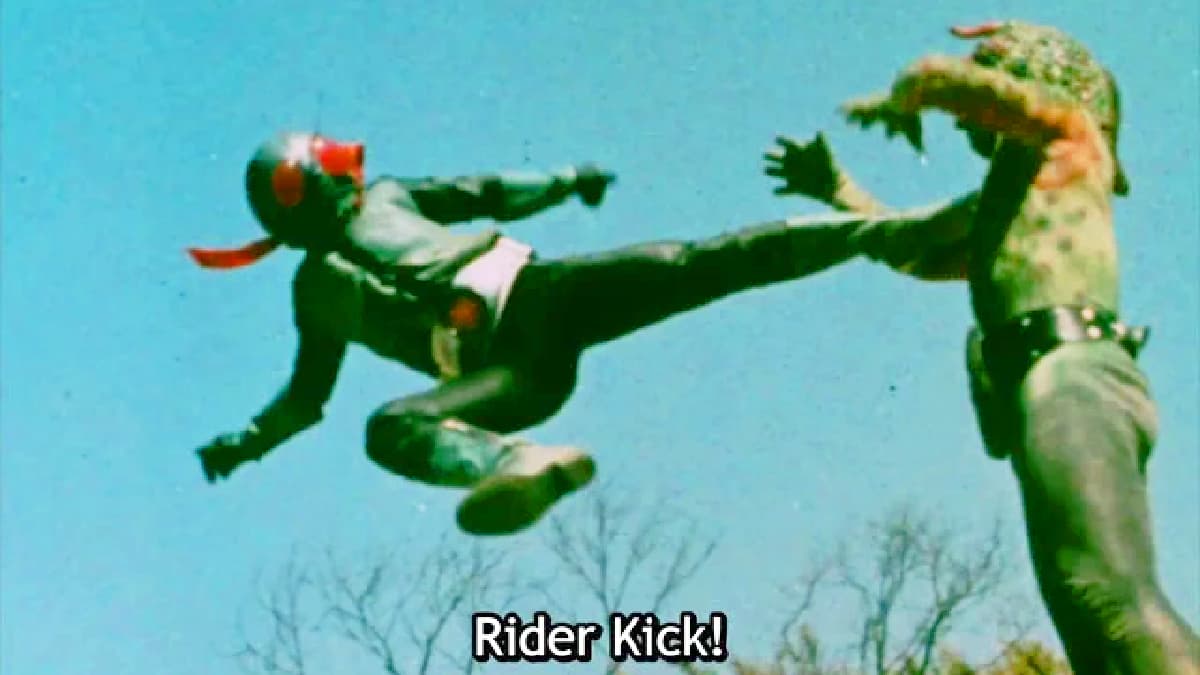
The primary concern raised by Anno is a "compound problem" involving the lack of animation and live-action programming aimed at younger demographics. He asserts that the sensibilities of his generation were forged by a "prime time" schedule overflowing with "simple science programs," tokusatsu (special effects) dramas, and anime. Today, he argues, that landscape has been cannibalized by variety shows and content designed for adult enthusiasts, leaving the next generation of creators without a North Star.
Chronology: From Post-War Soft Power to the Modern Global Boom
To understand the weight of these critiques, one must look at the historical context of Japanese media’s rise. During the interview, Takashi Yamazaki highlighted the post-World War II era as a turning point for cultural diplomacy. He noted that the Japanese perception of the United States and the United Kingdom shifted from "devilish enemies" to "aspirational neighbors" largely through the consumption of American domestic dramas like Father Knows Best.

This "soft power" effect is precisely what Japan leveraged in the late 20th century. The global proliferation of Pokémon, Dragon Ball, and Studio Ghibli films created a worldwide affinity for Japanese culture that translated into tourism and the consumption of Japanese physical goods.
The Rise of the "Shin" and the "Minus"
In the last decade, both Anno and Yamazaki have been at the forefront of a movement to reclaim Japanese icons.
- 2016: Anno’s Shin Godzilla reimagines the King of the Monsters as a commentary on Japanese bureaucracy and the Fukushima disaster.
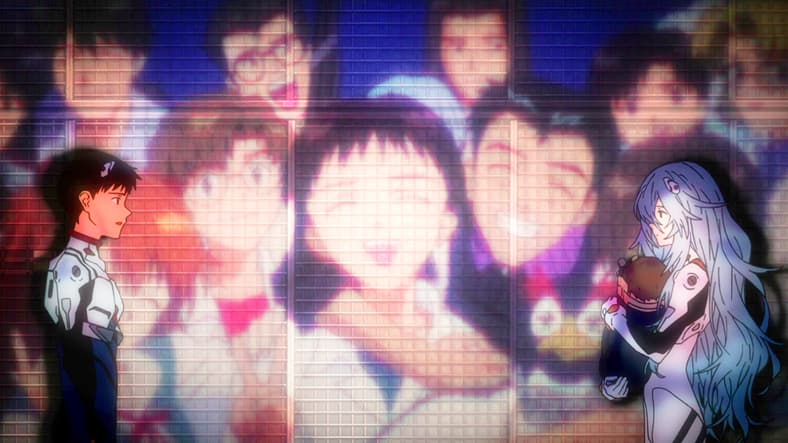
- 2021-2023: Anno completes his reimagining of the "big three" of Japanese tokusatsu with Shin Ultraman and Shin Kamen Rider, while finishing the Rebuild of Evangelion tetralogy.
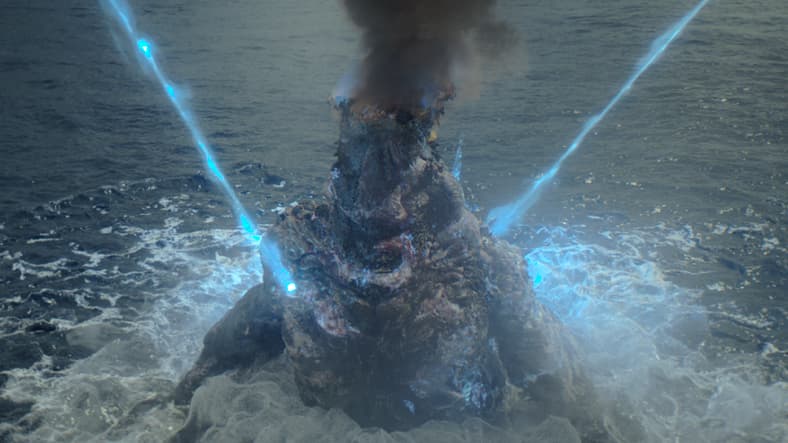
- 2023: Yamazaki’s Godzilla Minus One becomes a global phenomenon, winning the Academy Award for Best Visual Effects and proving that domestic-focused Japanese storytelling can achieve massive international success.
Despite these triumphs, both directors feel the industry is standing on a "tent pole" that is beginning to buckle under its own weight.
Supporting Data: The Economics of the "Tent Pole" Model
Yamazaki provided a sobering look at the financial mechanics of the Japanese film industry. He utilized the term "tent pole"—a reference to a single massive hit that supports an entire studio’s deficit-running slate.
"The film industry itself is always running a deficit," Yamazaki explained. "Occasionally there’s a major hit that supports it, and only then does the industry function. It’s close to gambling."
This volatility is exacerbated by several factors:
- Declining Birthrates: The demographic shift in Japan has led television networks to pivot away from children’s programming toward variety shows that appeal to an aging population, which are cheaper to produce and easier to monetize through traditional advertising.
- High Taxation and Costs: Anno pointed out that the production floor is "extremely tight." High taxes on production companies and the collapse of the traditional "apprentice system"—where young animators and directors learned their craft under masters—have made it difficult to develop new human resources.
- Low Investment/High Yield: While the government sees the $131 billion goal as a financial target, Anno views it as a "cost-performance" victory. Japanese media succeeds because it requires relatively little investment compared to Hollywood blockbusters, but that low investment often translates to stagnant wages for the animators and staff on the ground.
Official Responses and the Archiving Crisis
Hideaki Anno’s critique extended beyond the screen to the very halls of government and academia. He expressed frustration with the lack of "media stewardship" in Japan. While universities have begun to treat anime and tokusatsu as serious historical subjects, Anno believes the state has been negligent in preserving the physical history of these mediums.
"I’m putting effort into archives," Anno stated, referring to his work with the ATAC (Anime Tokusatsu Archive Centre). "But this is precisely something I want the state to do. Local governments or a single animation company have their limits."
Anno’s argument is that by preserving "intermediate production outputs"—storyboards, cels, costumes, and scripts—the industry creates a roadmap for the next generation. Without these archives, the "emotion and inspiration" that drive young people to join the industry are lost. He called for a state-level intervention to organize Japanese film, manga, and games as a cohesive history that can guide future policy.

Implications: The Risk of Cultural Stagnation
The implications of Anno and Yamazaki’s warnings are profound for both the Japanese economy and the global entertainment market. If Japan fails to address the lack of children’s programming, it risks a "generational disconnect."
The Loss of the Domestic Foundation
Anno has previously argued that Japanese creators should not "adjust" their work for overseas audiences, but rather "push the domestic aspect to its limits." If the domestic audience—specifically children—is no longer being engaged by high-quality, imaginative works, the well of "domestic sensibility" will eventually run dry. This would leave Japan in a position where it is merely imitating global trends rather than setting them.
The Rise of Regional Competitors
Yamazaki pointed to South Korea as a prime example of a nation that has successfully used state-backed content to raise its "national power." As South Korean dramas and music continue to dominate global charts, Japan’s "Cool Japan" initiative faces stiff competition. If Japan cannot stabilize its production environment through tax credits and better resource management, it may lose its status as the primary exporter of Asian pop culture.
The Human Resource Vacuum
The collapse of the apprentice system, as noted by Anno, suggests that while the demand for Japanese media is at an all-time high, the capacity to produce it is at a breaking point. Without a structured way to train new talent and a tax environment that allows for sustainable growth, the industry may see a "brain drain" or a decline in the technical quality that has historically defined anime and tokusatsu.
Conclusion: A Call for Structural Evolution
The dialogue between Hideaki Anno and Takashi Yamazaki serves as a vital reality check for the "Cool Japan" initiative. While the government celebrates record-breaking export numbers, the creators behind those numbers are signaling that the foundation is crumbling.
To reach the ¥20 trillion goal by 2033, the consensus from these industry titans is clear: Japan must reinvest in its youngest viewers, provide state-level support for the preservation of its creative history, and overhaul the economic structures that currently make film production a "gambling" venture. As Anno poignantly noted, the goal should not just be the money, but the valuing of a culture that can "be transmitted to the world at low cost," ensuring that the next generation sees a work and thinks, "I want to make something like this too."


 Neng Nana
 Muslim