Raul Delapena Setiawan
By Nikole Stewart
The long-anticipated arrival of the Steam Machine is finally upon us. With a formal launch date set for June 30, Valve has officially pulled back the curtain on the pricing structure for its latest hardware endeavor—a revelation that has sent ripples of surprise, and in some corners, sticker shock, throughout the gaming community. As the industry braces for the next evolution in living-room PC gaming, potential buyers are now faced with the reality of a premium price tag that reflects the volatile state of global electronics manufacturing.
The Financial Breakdown: A Premium Entry Point
Valve has confirmed that the Steam Machine will launch with four distinct hardware configurations, each targeting a specific segment of the market. The entry-level model, which features a 512GB solid-state drive, starts at a base price of $1,049. This configuration, however, is strictly the console unit itself. Should consumers wish to include the proprietary Steam Controller—an essential component for the intended console-like experience—the price for the base model climbs to $1,128.
For those requiring more substantial storage capacity, Valve is offering a 2TB variant. This high-capacity machine is priced at $1,349, rising to $1,428 when bundled with the Steam Controller.
These figures have sparked an immediate debate among enthusiasts and hardware analysts. While the Steam Machine is marketed as having "over six times the horsepower" of the handheld Steam Deck, enabling it to handle the most demanding AAA titles with ease, the pricing puts it in direct competition with high-end pre-built desktop PCs. The question remains whether the convenience of the SteamOS ecosystem and the form factor of the device can justify a price point that exceeds the cost of a traditional, more versatile gaming rig.

Chronology of a Launch: From Rumor to Reality
The journey to this launch has been marked by years of speculation and intermittent updates. Following the success of the Steam Deck, which revolutionized portable PC gaming, Valve signaled its intention to return to the living room with a dedicated, high-performance hardware solution.
- Initial Teasers: Following the success of the Deck, rumors began circulating in early 2025 regarding a "Stationary" version of the device.
- Official Announcement: Valve confirmed the existence of the Steam Machine in mid-2025, promising a seamless integration of one’s existing Steam library.
- Registration Period: Pre-order registration opened shortly after the announcement, creating a window for eager fans to secure a spot in line.
- The Deadline: Interested buyers must complete their pre-order registration by June 25, 2026, at 10 a.m. PT. Following this deadline, Valve will close the registration pool.
- Randomization and Allocation: In a move designed to mitigate scalping and manage supply chain limitations, Valve has confirmed that the list will be randomized. Successful registrants will be notified via email shortly after the registration period closes.
- Official Launch: The first units are scheduled to begin shipping on June 30, 2026.
For those who fail to secure an initial unit, Valve has confirmed that they will be placed into a reservation queue, with future availability dependent on the company’s ability to navigate current manufacturing bottlenecks.
The Global Semiconductor Crisis: Valve’s Justification
In an official statement released via their community blog, Valve addressed the high cost of entry directly, attributing the price inflation to the ongoing RAM pricing crisis and the broader instability of the electronics supply chain.
"Our original goal for the price of the Steam Machine is no longer viable," the statement read. "The prices we are sharing today reflect the state of the world for manufacturing; or, more accurately, it reflects the price of the components as we have secured them over the past six months."
This admission highlights a broader trend within the hardware industry. As semiconductor availability fluctuates and memory prices remain elevated, consumer electronics manufacturers are increasingly forced to pass those costs onto the end-user. Valve’s transparency regarding these costs—acknowledging that their initial financial projections were rendered obsolete by market reality—is a rare glimpse into the logistical challenges facing modern tech giants.

Supporting Data: Steam Machine vs. The Market
When analyzing the value proposition of the Steam Machine, it is essential to compare it against the current market landscape.
The primary selling point of the Steam Machine is its "plug-and-play" nature. By utilizing a customized version of SteamOS, the device bypasses the often-complex driver management and software troubleshooting associated with traditional Windows-based gaming PCs. For the casual user, this creates a console-like experience with the massive library of a PC.
However, the hardware specifications—while formidable—must be weighed against DIY alternatives. A $1,050 to $1,400 investment in a custom-built PC would typically afford the user a system capable of 1440p or even 4K gaming, with the added benefit of Windows compatibility. This allows users to access other platforms like the Epic Games Store, Xbox Game Pass, and productivity software—options currently unavailable on the Steam Machine’s locked-down ecosystem.
Valve’s claim of "six times the horsepower of the Steam Deck" is a significant performance metric. Given the Deck’s capability to run most modern titles at acceptable settings, a six-fold increase in performance suggests that the Steam Machine is designed for high-fidelity, high-refresh-rate gaming, likely targeting the 4K/60fps demographic.
Implications for the Future of Living Room Gaming
The launch of the Steam Machine serves as a litmus test for the viability of specialized PC hardware. If the device succeeds despite its premium pricing, it could signal a shift in how PC gamers interact with their consoles. It effectively bridges the gap between the rigid, closed ecosystem of consoles like the PlayStation 5 and the open, occasionally cumbersome world of the traditional gaming PC.
However, the implications of the "randomized" lottery system for purchasing cannot be ignored. By limiting initial supply, Valve is attempting to prevent the supply-chain disasters that plagued the console market in previous years. Yet, this approach also creates a barrier to entry, potentially alienating casual consumers who may not be willing to navigate a randomized, time-gated registration process.
Furthermore, the reliance on a specific, integrated hardware ecosystem raises questions about longevity. If Valve eventually pivots away from the Steam Machine hardware, as they have done with previous experiments, users may find themselves with a proprietary device that lacks the flexibility of a standard computer.
Final Verdict and Consumer Guidance
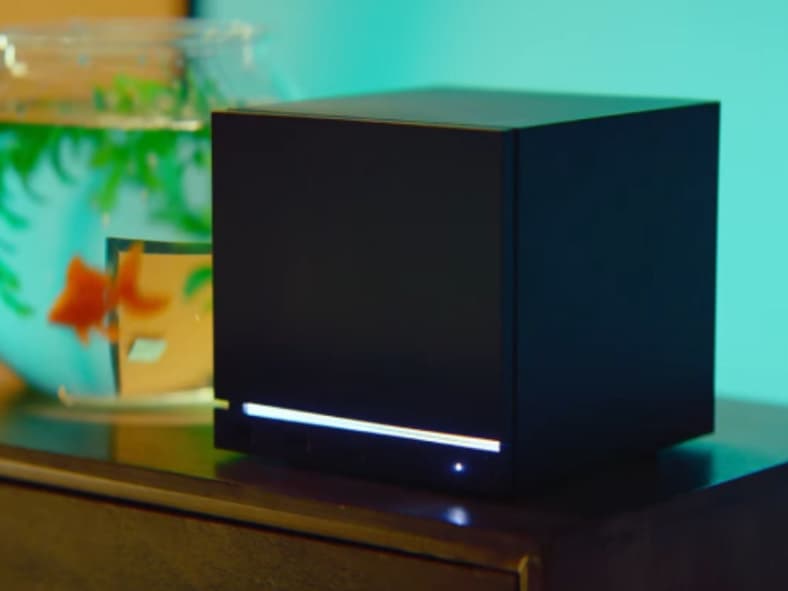
For the dedicated Valve enthusiast, the Steam Machine represents the pinnacle of the company’s hardware design—a sleek, powerful, and unified system that brings the entirety of their Steam library to the living room display. The hardware is undoubtedly a technological marvel, designed to maximize performance in a compact footprint.
However, for the budget-conscious gamer, the decision is more complex. With current market prices for gaming PCs remaining competitive, the $1,000+ entry point is a significant commitment. Potential buyers must weigh the convenience of the SteamOS interface against the versatility and upgradeability of a standard desktop PC.
As the June 25 deadline approaches, those interested in joining the first wave of owners should act promptly. The combination of limited supply and high demand suggests that the initial run will be exhausted quickly. Whether the Steam Machine becomes a staple of the modern living room or remains a niche device for power users remains to be seen, but one thing is certain: Valve has once again pushed the boundaries of what is expected from a gaming platform.


 Sagoh
Sagoh
 Ammar Sabilarrohman