Azzam Bilal Chamdy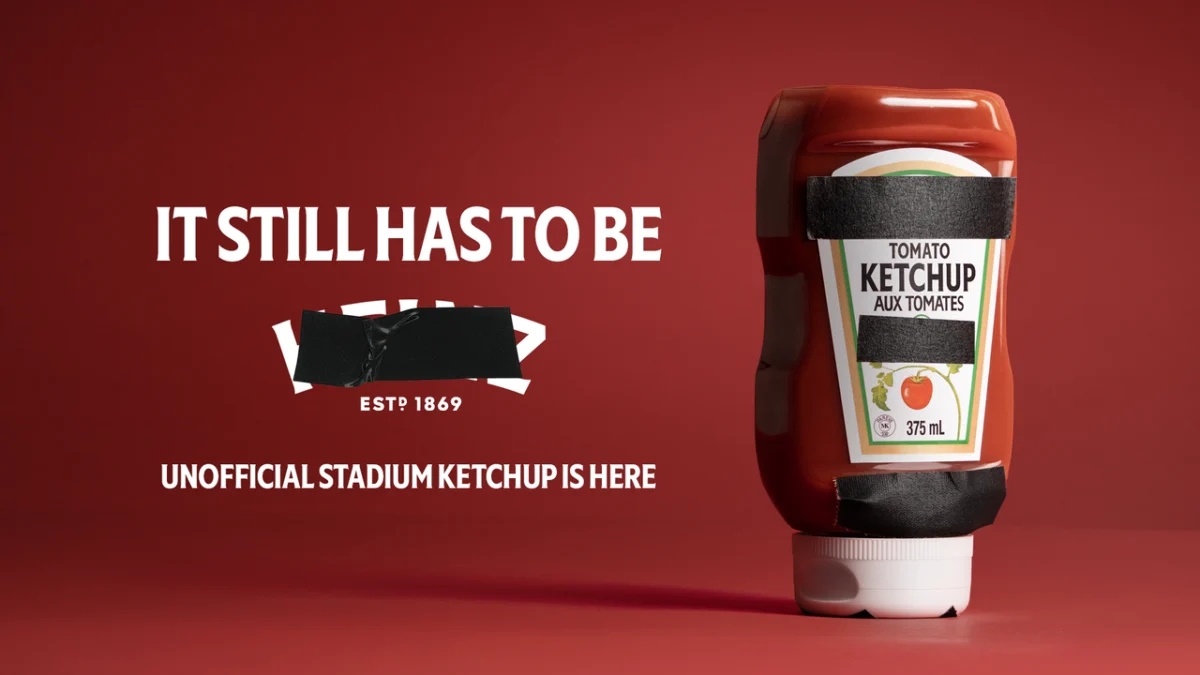
In the high-stakes arena of global sports marketing, the FIFA World Cup stands as the pinnacle of visibility. For decades, multi-national corporations have spent hundreds of millions of dollars for the exclusive right to display their logos within stadium walls. However, a new trend is emerging: brands are no longer relying solely on official partnerships to dominate the conversation. Instead, they are turning strict regulatory mandates—designed to suppress non-sponsor branding—into a masterclass in guerrilla marketing.
The latest instance of this phenomenon involves Heinz Canada, which has navigated the restrictive visual environment of World Cup stadiums by embracing the very censorship forced upon it. By releasing the "Unofficial Stadium Ketchup," the brand has proven that in the digital age, a redacted logo can be far more powerful than a visible one.
The Chronology of the "Redacted" Marketing Trend
The current wave of subversive branding can be traced back to the increasing severity of FIFA’s "clean stadium" policies. To protect the exclusivity of official partners, tournament organizers often require that any branding not affiliated with the event be removed, covered, or obscured.
1. The Catalyst: The "Clean Stadium" Mandate
In recent tournaments, the enforcement of non-sponsor branding removal has reached a fever pitch. At venues like Toronto’s BMO Field, which serves as a major hub for North American soccer, local sponsors often find themselves in a precarious position. When international governing bodies take over these venues, local branding is frequently taped over or painted out.
2. Levi’s Ingenious Pivot
Before Heinz, Levi’s set the precedent. Facing the requirement to obscure its iconic batwing logo at a major stadium, the denim giant didn’t simply remove the signage. Instead, they leaned into the "hidden" aesthetic, effectively turning the act of censorship into an artistic statement. The public reaction was immediate; social media users lauded the brand for its transparency and wit, noting that the act of hiding the logo drew significantly more eyes to it than the logo itself ever would have.
3. Gillette’s Shaving Foam Strategy
Following in the footsteps of the apparel industry, Gillette applied a similar logic to its presence in Boston’s stadiums. Rather than removing their branding, they cleverly utilized the context of their product—shaving cream—to "cover" their own logo with a visual representation of fake foam. By integrating the obscuration into their own brand identity, they transformed a bureaucratic restriction into a piece of clever, self-referential creative work.
4. The Heinz "Unofficial Stadium Ketchup"
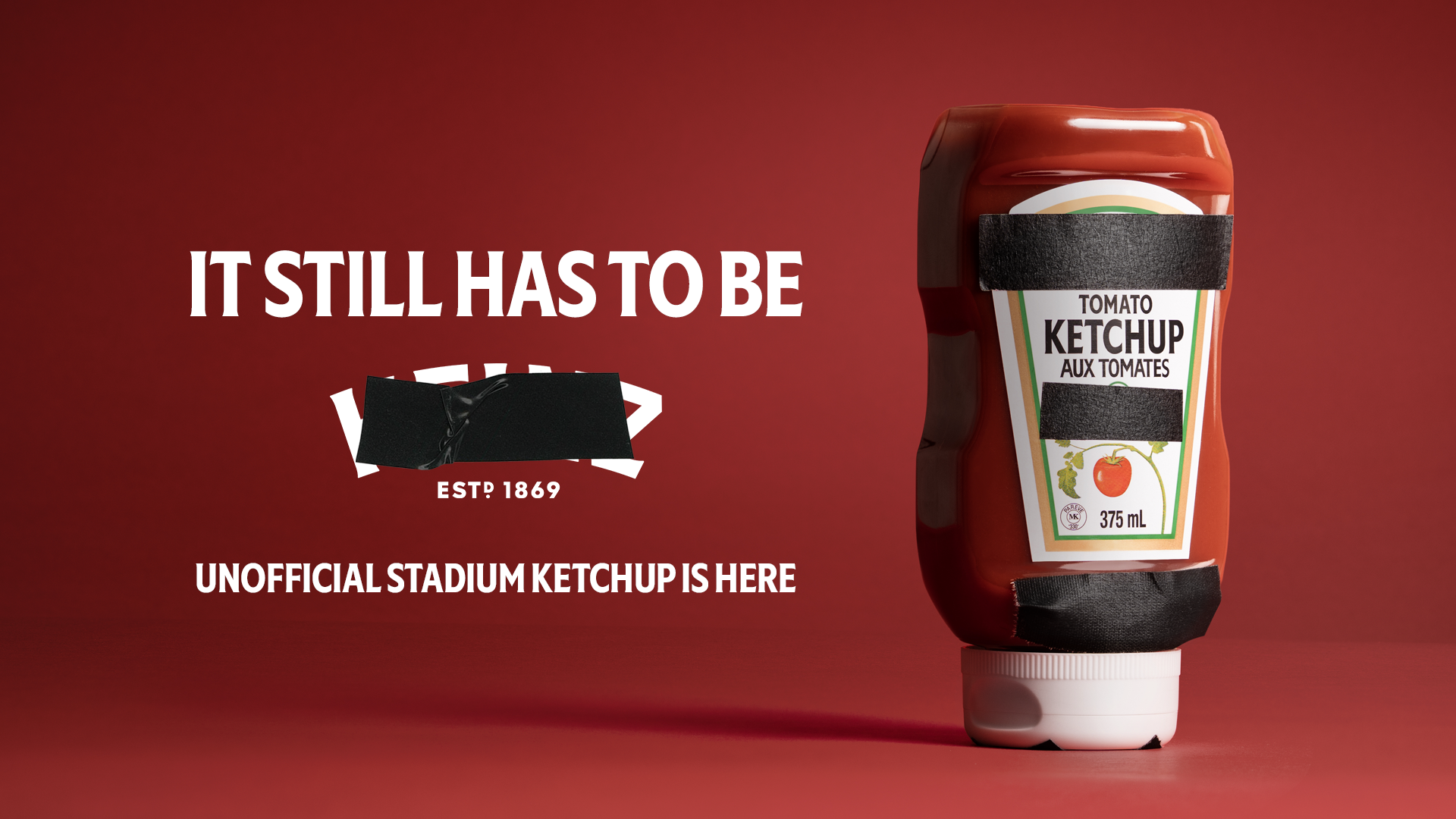
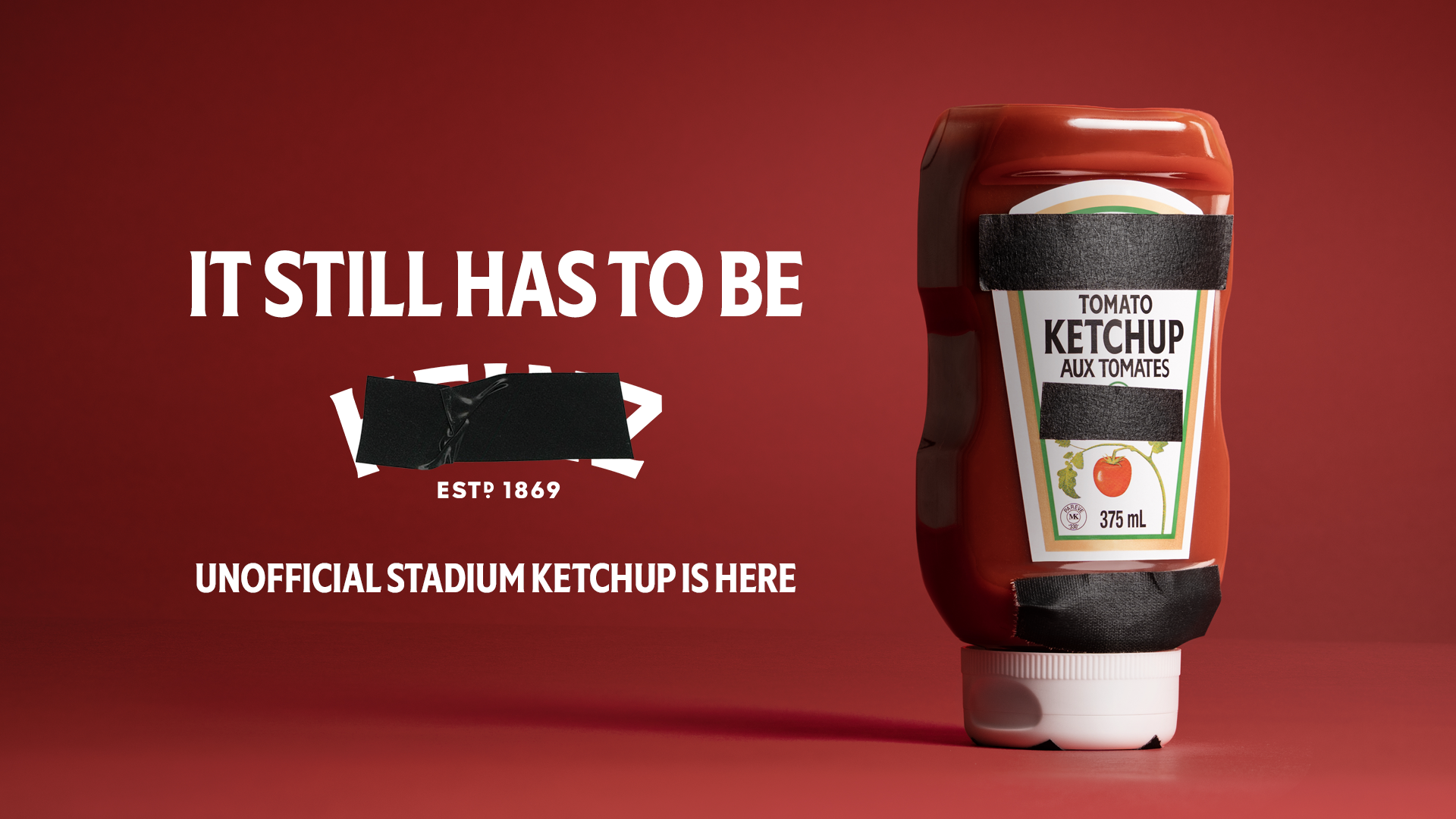
The latest chapter in this saga sees Heinz Canada launching a limited-edition bottle. Recognizing that their branding was being obscured at stadiums, they produced a product featuring a stark, blacked-out label where the "Heinz" wordmark would usually sit. With the tagline "It still has to be," the brand challenged the audience to identify the product without the text. The result? An overwhelming success. Consumers were quick to recognize the iconic bottle shape and color palette, proving that "brand equity" is not just about a font or a logo—it is about the sensory experience of the product itself.
Supporting Data: Why "Invisible" Branding Works
Marketing analysts suggest that this trend is not merely a reactionary stunt but a sophisticated play on consumer psychology.
The Psychology of Censorship
There is a well-documented phenomenon in behavioral economics known as the "forbidden fruit effect." When an entity—in this case, FIFA or a stadium operator—attempts to hide or restrict information, the human brain becomes hyper-attuned to it. By "blacking out" a logo, brands are essentially signaling to the consumer that their product is so ubiquitous that it remains recognizable even in its absence.
Engagement Metrics
Data from social media platforms indicates that these "redacted" campaigns generate significantly higher engagement rates than traditional sponsorship ads. For example, the Heinz campaign saw an influx of user-generated content, with fans posting photos of their "unofficial" bottles and asking how to acquire them. The sentiment analysis of these interactions is overwhelmingly positive, characterized by terms like "clever," "smart," and "bold."
Official Responses and the FIFA Dilemma
The silence from governing bodies like FIFA has been deafening, yet the implications for their future sponsorship models are profound.
The Regulatory Struggle
FIFA’s primary goal is to ensure that official sponsors—who pay massive premiums—are not diluted by "ambush marketing." However, the current tactics employed by companies like Heinz and Levi’s exist in a legal grey area. These brands are not placing unauthorized signage in the stadiums; they are reacting to the removal of their own existing branding.
Will Rules Change?
Industry experts argue that FIFA is currently in a "lose-lose" situation. If they tighten restrictions further, they risk appearing draconian, which could alienate the very fans they are trying to attract. If they allow the status quo, they must watch as non-sponsors capture the public’s attention for a fraction of the cost of an official partnership. There is speculation that future contracts may include clauses specifically targeting "reactive" or "subversive" marketing, but enforcing such rules in an era of social media speed will be nearly impossible.
Implications for the Future of Brand Design
The success of the "Unofficial Stadium Ketchup" signals a shift in how brands think about their visual identity.
1. The Primacy of Brand Assets
Heinz’s success reinforces the importance of "brand assets" beyond the logo. The distinctive shape of the Heinz bottle, the specific shade of red, and the texture of the product are just as important—if not more so—than the word "Heinz" printed on the front. Companies that invest in unique packaging and sensory identity are better insulated against logo-based censorship.
2. Agility Over Budget
This trend highlights a shift from "spending power" to "creative agility." While multi-million dollar sponsorships remain the gold standard for reach, brands that can move quickly to capitalize on cultural moments (like a stadium blackout) are finding that they can achieve similar, if not superior, levels of brand recall.
3. The End of the "Clean" Stadium
The irony of these marketing campaigns is that they thrive on the sterility of the "clean stadium." By attempting to create a blank canvas, tournament organizers have inadvertently created a stage for brands to perform their own protest. As long as there are strict rules governing stadium aesthetics, there will be brands waiting in the wings to subvert them.
Conclusion: The Power of Identity
The story of the "Unofficial Stadium Ketchup" is more than just a story about a condiment; it is a case study in modern brand resilience. By stripping away the literal name of the product, Heinz forced its audience to engage with the core of its brand.
As we look toward the next iteration of the World Cup, one thing is clear: the most effective marketing is no longer just about who can pay for the biggest billboard. It is about who can best tell a story. Whether through a fake foam cover or a blacked-out label, brands are proving that even when they are told to stay out of the picture, they can find a way to become the main attraction. For the designers and marketers watching these developments, the lesson is simple: if you build a brand strong enough, you don’t need a label to be seen.


 Siti Muinah
 Ali Ikhwan