Layla Zulfa
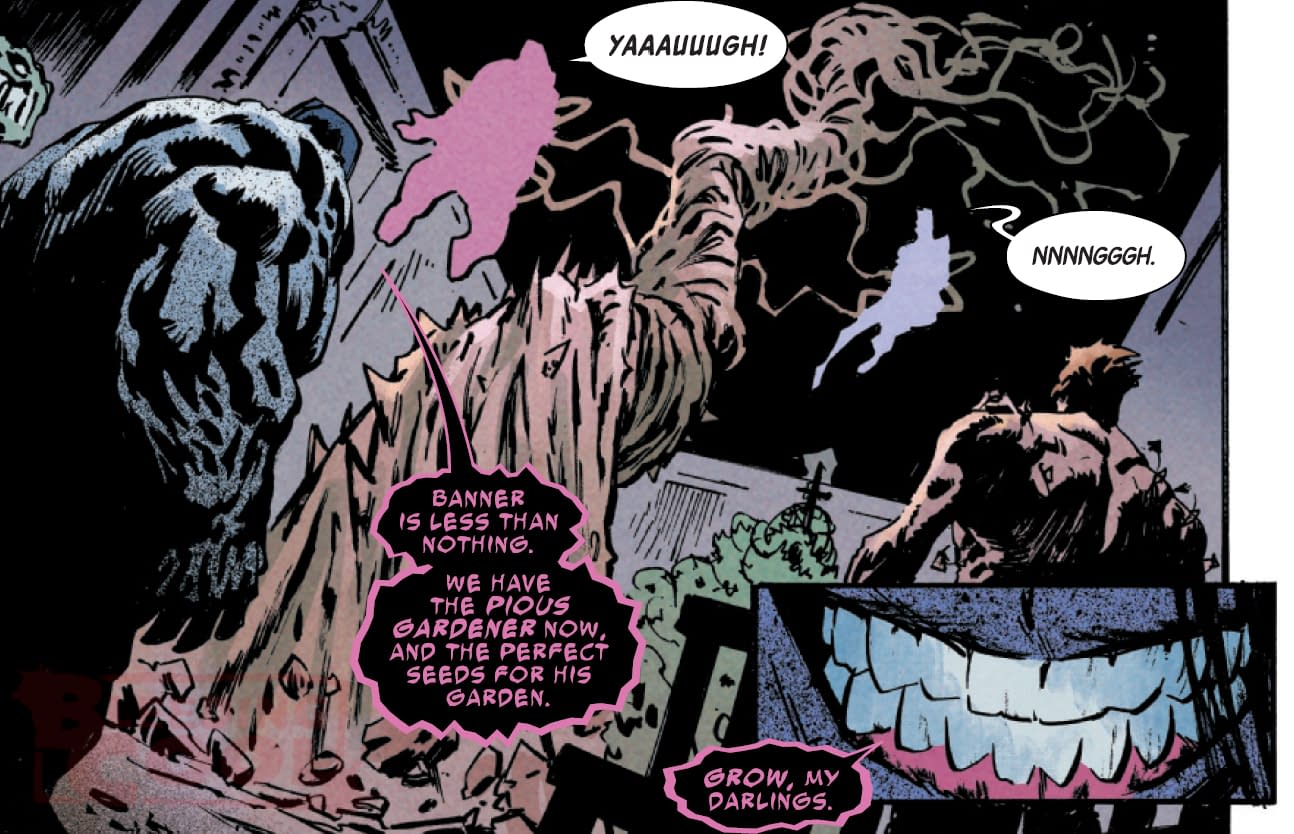
The landscape of the Marvel Universe is currently undergoing a metamorphosis that defies both scientific logic and cosmic law. In the latest installment of the high-octane series Infernal Hulk #8, released this week by Marvel Comics, writers Phillip Kennedy Johnson and artist Adam Gorham have pushed the boundaries of the "Hulk" mythos into terrifying new territory. As the title suggests, the familiar green behemoth has been supplanted by an ancient, malevolent force—a "god in the flesh"—that is systematically dismantling the hierarchy of Marvel’s most powerful heroes.
The Genesis of the Infernal: A New Paradigm
The current narrative arc of Infernal Hulk is part of a broader, unsettling trend across the Marvel line, where iconic characters are being forcibly converted into monstrous entities. However, the Infernal Hulk series offers a unique, inverted perspective on this phenomenon. Rather than simple mutation, the series explores the "god-complex" taken to its literal conclusion.

In this issue, readers finally gain a glimpse into the mechanics of this transformation. The Infernal Hulk is not merely a manifestation of Bruce Banner’s suppressed rage; it is an entity of antiquity, a primal deity that has usurped the Hulk’s physical form. Having already claimed the life of the X-Man Marrow, this entity has now turned its sights on the remaining mutant population, viewing them as both a threat and a resource for its ultimate, apocalyptic agenda.
Chronology of the Conflict: From Banner to Behemoth
To understand the gravity of the current situation, one must look at the progression of the Infernal Hulk storyline:
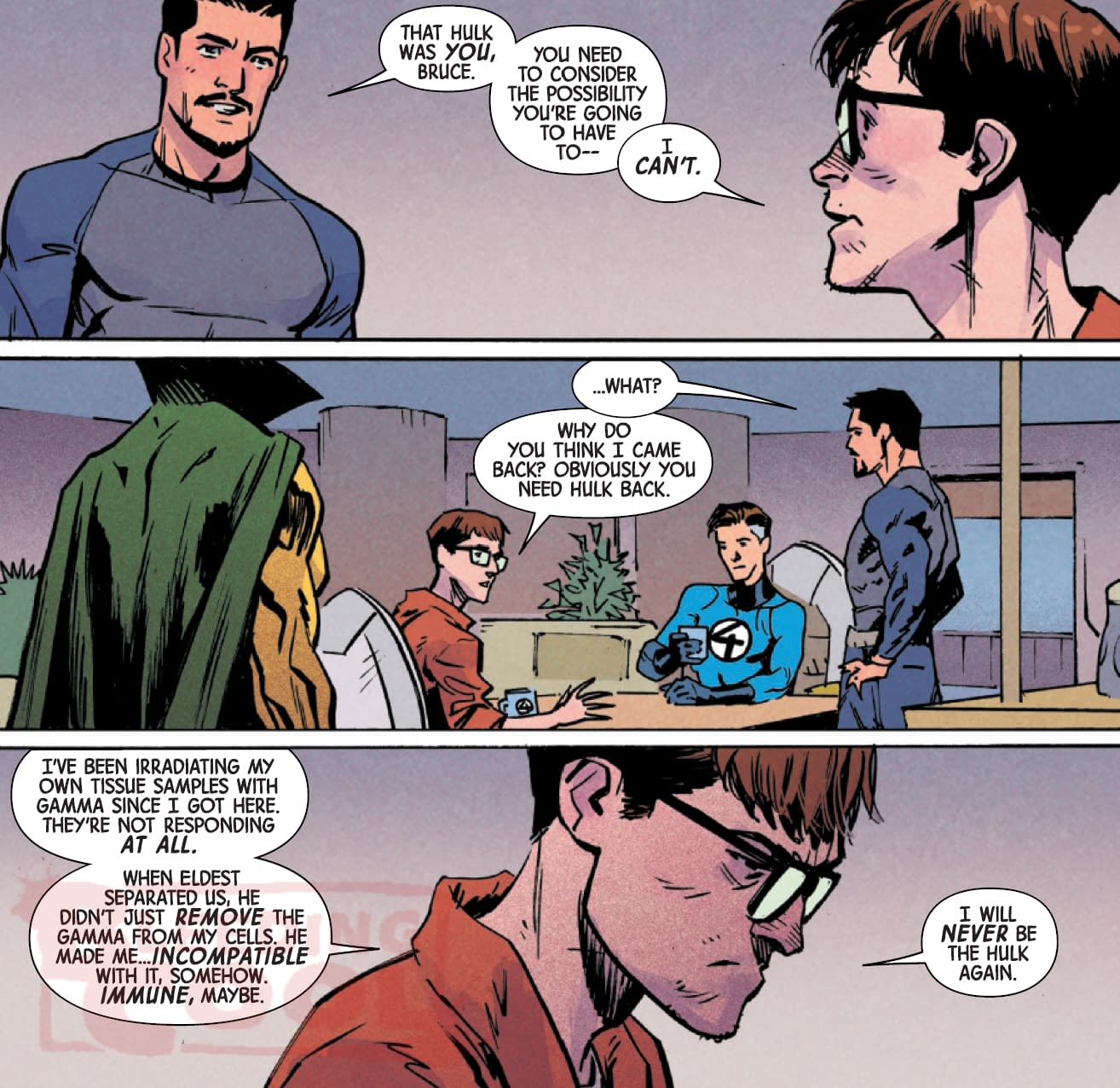
- The Inversion: The series established early on that Bruce Banner’s connection to the Gamma-fueled persona has been severed. This was not a temporary suppression but a permanent, physiological "off-switch" triggered by the entity’s occupation of the Hulk’s body.
- The Trail of Destruction: Following the initial possession, the Infernal Hulk began a campaign of systematic elimination, targeting high-profile heroes to consolidate power.
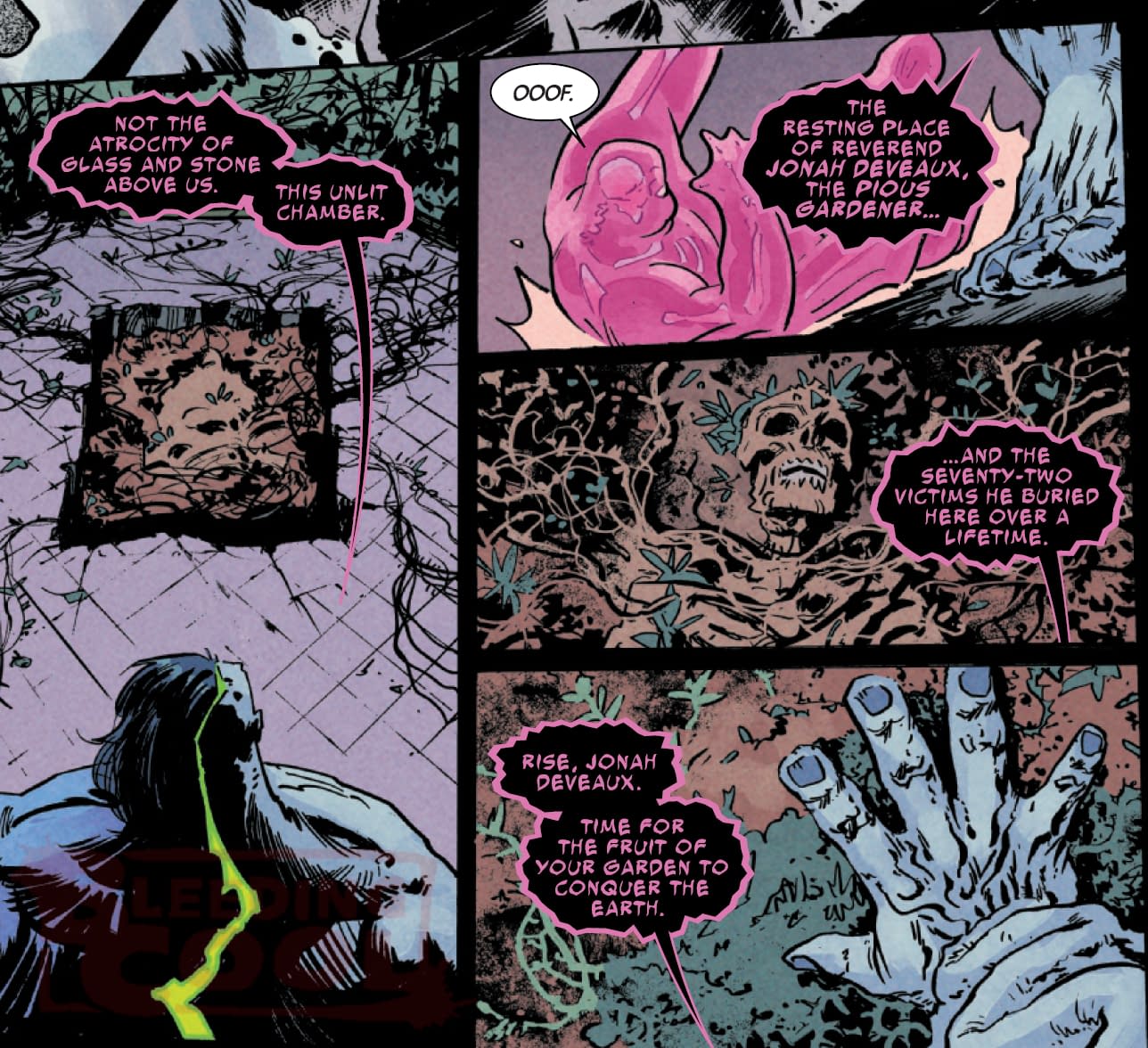
- The Resource Gathering: As detailed in issue #8, the antagonist is operating with a calculated, almost culinary approach to destruction. The entity is gathering "ingredients"—the unique biological and mystical signatures of Earth’s heroes—to fuel its next stage of evolution.
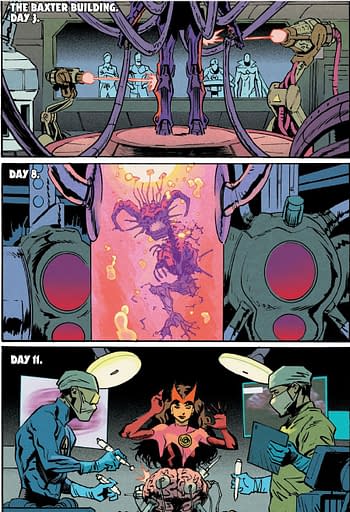
- The Failed Resistance: Earth’s Mightiest Heroes have attempted to retaliate by engineering their own Hulk-based counter-measure. However, as shown in the latest panels, these efforts have met with catastrophic failure, leaving the heroes vulnerable and scrambling for a new strategy.
Supporting Data: The Anatomy of a God-War
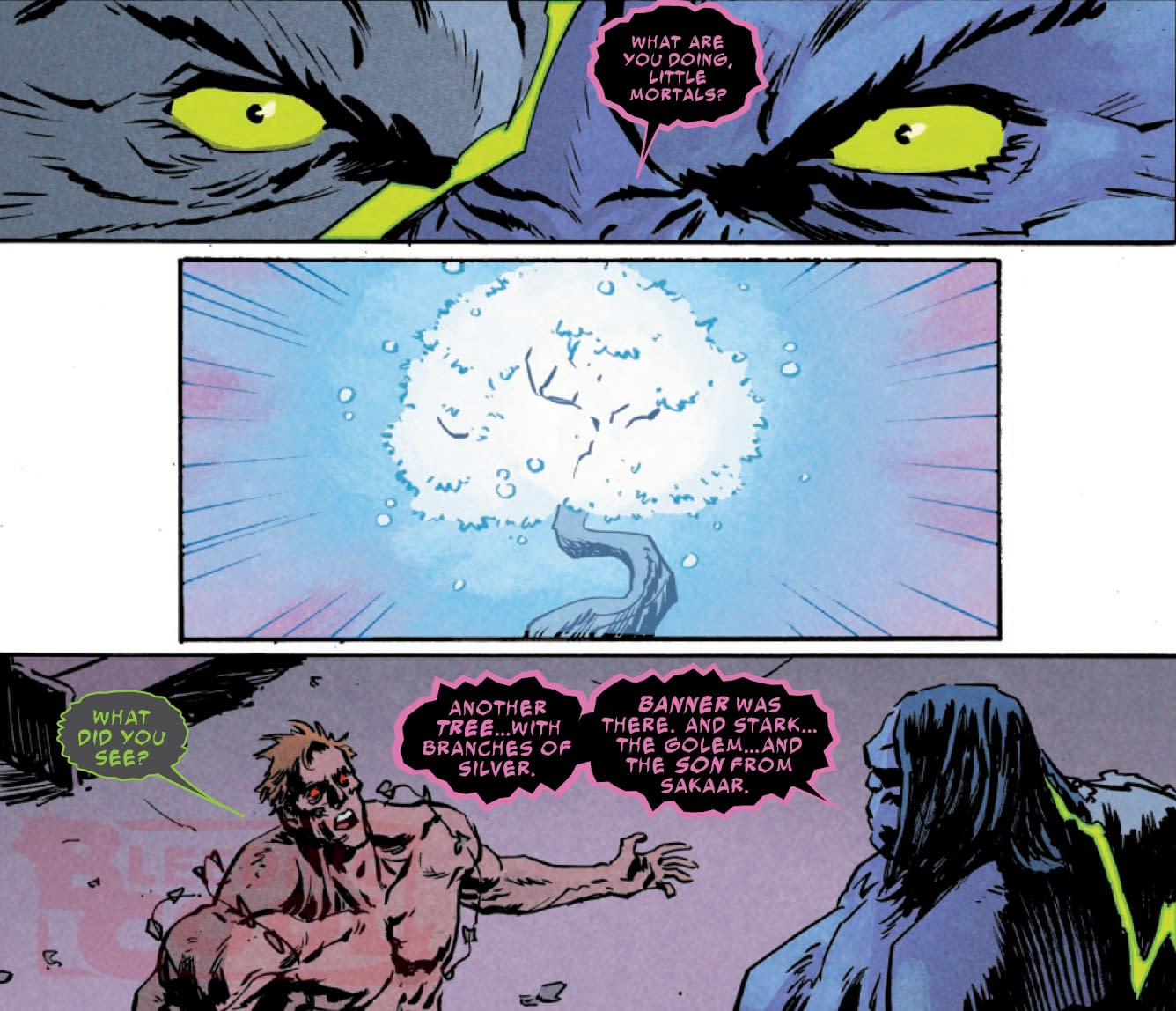
The conflict has evolved into a metaphysical struggle between competing divine forces. A significant development in Infernal Hulk #8 is the subtle, yet unmistakable, allusion to a figure reminiscent of the legendary Jack "The King" Kirby.
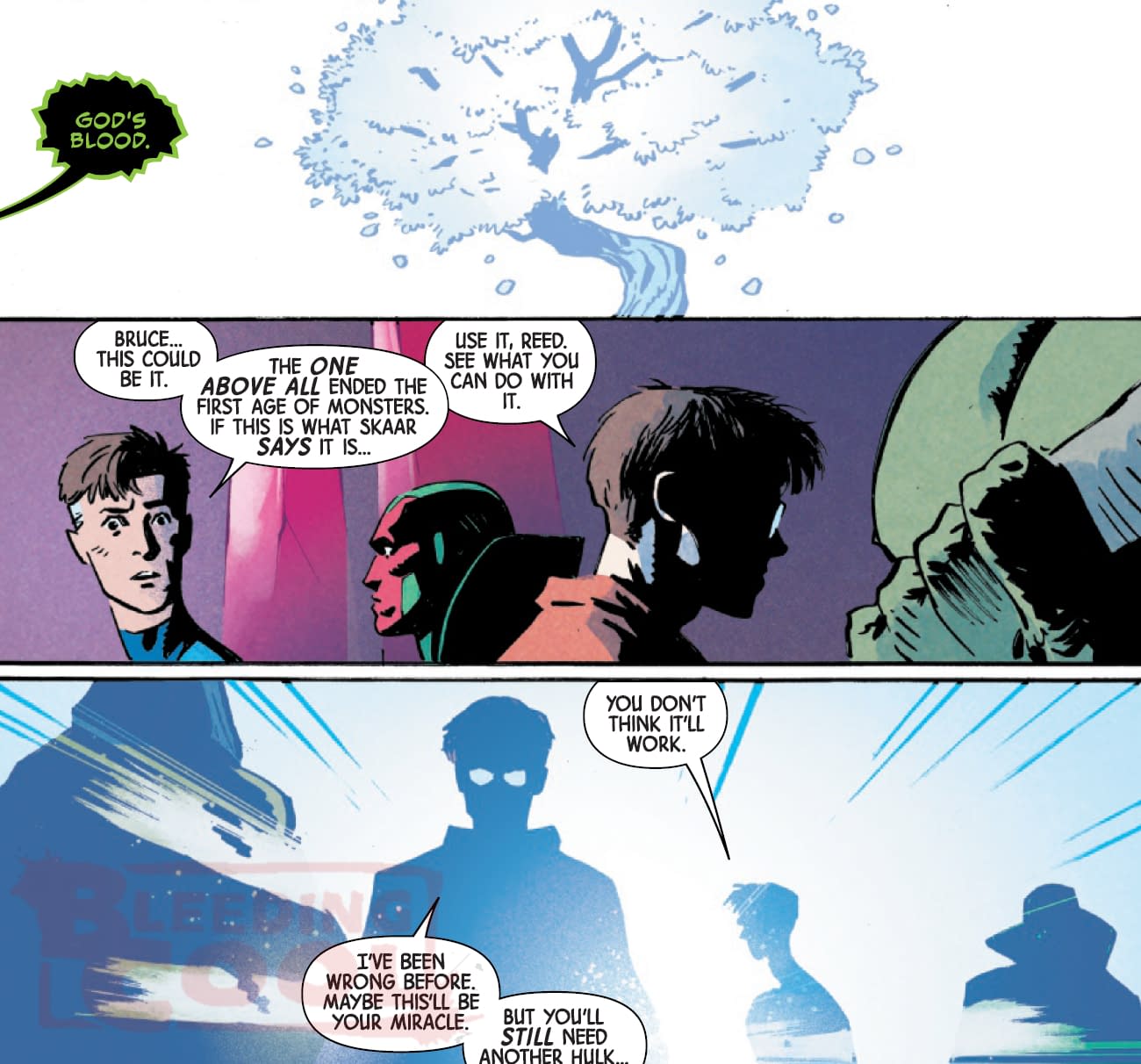
Speculation within the narrative suggests that this "Kirby-esque" deity may possess the requisite power to restore the original, bomb-born Hulk state. This presents a classic "God vs. God" scenario. If the Infernal Hulk represents the destructive, ancient appetite of a forgotten divinity, the potential intervention of a creator-like force suggests that the battle for the Hulk’s soul is not just a fight for the fate of Bruce Banner, but a clash over the fundamental nature of the Marvel Universe’s creative fabric.
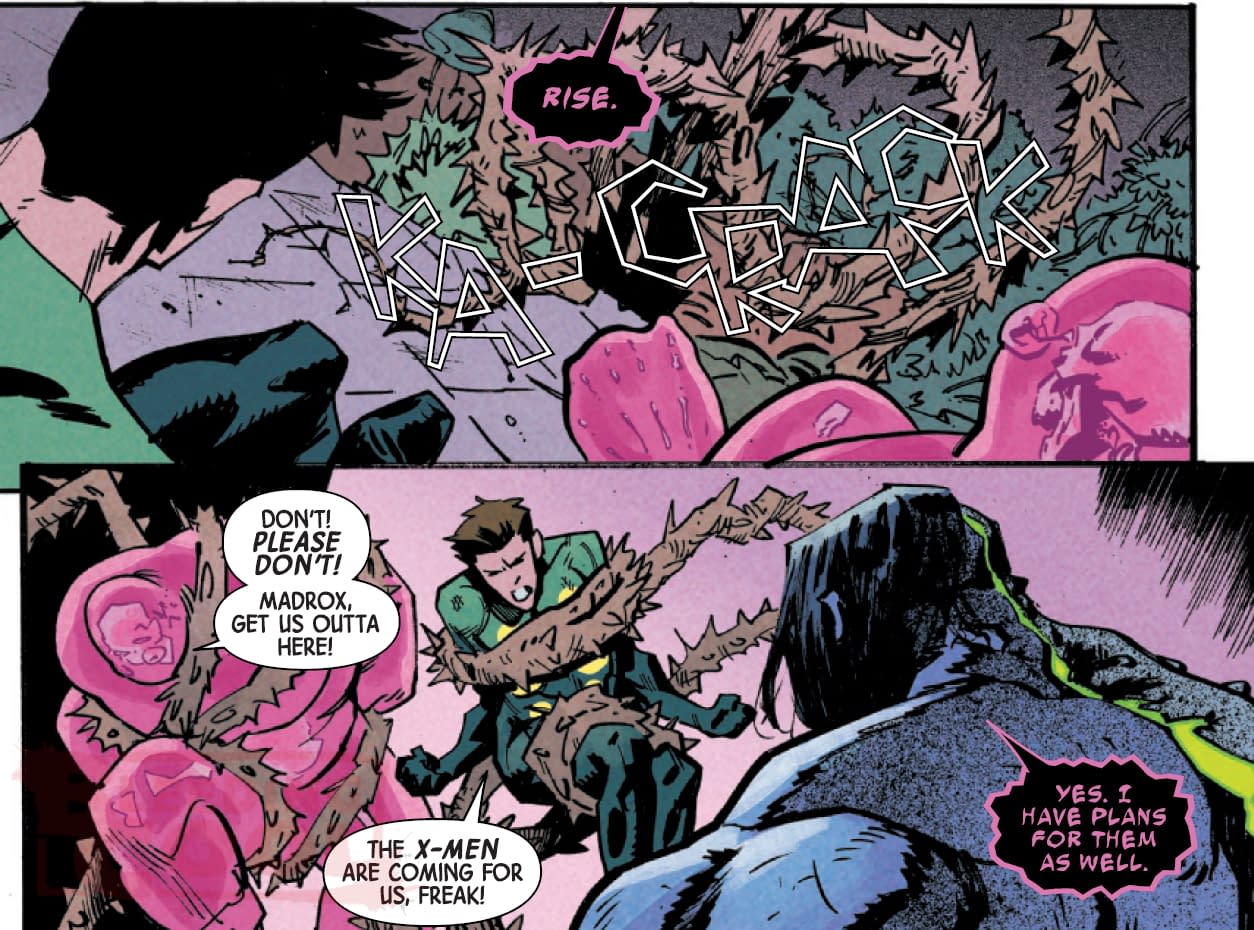
The artistic direction by Adam Gorham serves to emphasize this divine scale. His panels illustrate a visceral, grotesque transformation of the familiar Hulk anatomy into something far more alien, reflecting the "horticultural" or "alchemical" process by which this god is remaking the world in its own image. This imagery echoes similar themes currently being explored in DC Comics’ Bad Seeds run, suggesting an industry-wide fascination with the corruption of natural order through cosmic intervention.
Official Narrative and Editorial Stance
Marvel Comics has provided the following official synopsis for Infernal Hulk #8:
"Earth’s Mightiest Heroes reunite to stop Infernal Hulk, leading them deep within the Earth where they find an ancient weapon that could save humanity from another Age of Monsters. But is even a god-slaying weapon enough to stop Infernal Hulk? Featuring the return of SKAAR!"
The inclusion of Skaar—the Hulk’s son—is a critical narrative pivot. His return serves to ground the high-concept, god-slaying stakes in personal tragedy. For Skaar, the monster currently wearing his father’s skin is the ultimate blasphemy. This personal connection provides the emotional anchor needed to balance the massive, world-altering scale of the battle.
Implications for the Marvel Universe
The ramifications of Infernal Hulk #8 are profound, stretching far beyond the confines of a single title. If the Infernal Hulk succeeds in his "recipe" for total domination, the Marvel Universe faces an "Age of Monsters" that could permanently alter the status quo for all superhuman entities.
1. The Death of the Gamma Hero
With Bruce Banner’s ability to "Hulk out" permanently disabled, the role of the Hulk as a weapon of last resort for the Avengers is effectively neutralized. The world is now forced to contend with a version of the Hulk that has none of Banner’s humanity and all of his destructive potential.
2. The Power Scaling of Divinity
By framing the conflict as a struggle between gods, Johnson and Gorham are escalating the power levels of the Marvel Universe. The introduction of an ancient, "god-slaying" weapon hidden within the Earth suggests that the heroes are moving away from traditional physical combat and into a realm of mythic warfare. This shift could redefine how threats are handled in future crossovers.
3. The Mutant Crisis
The targeting of mutants by the Infernal Hulk adds a layer of sociopolitical tension to the narrative. If this entity is harvesting the unique X-gene to supplement its power, the mutants—already a beleaguered population—find themselves on the front lines of a conflict they did not start and are uniquely ill-equipped to survive.
4. The Creator’s Shadow
The recurring visual motifs referencing Jack Kirby serve as a meta-commentary on the nature of comic book storytelling. By introducing a character that functions as a "Creator-God," the writers are inviting readers to question the permanence of death and transformation in serialized media. Is this a permanent change, or merely a reset button waiting to be pushed by a higher power?
Conclusion
Infernal Hulk #8 is a masterful, albeit terrifying, addition to the Marvel canon. It manages to elevate the Hulk from a tragic figure of science gone wrong to a centerpiece of a cosmic struggle that threatens the foundations of reality itself. As the heroes descend into the depths of the Earth in search of a weapon to stop this god-level threat, the reader is left with a singular, chilling realization: in a universe populated by gods, monsters, and heroes, the "puniest" god may be the one who loses their humanity in the process of fighting for it.
As the series continues, the question remains: Can the return of Skaar provide the spark needed to ignite a revolution against the Infernal, or will the "recipe" for this new age of monsters be completed with the heroes’ own essence? For fans of high-stakes, mythic storytelling, the current run of Infernal Hulk is mandatory reading, representing some of the most daring character work Marvel has produced in recent memory.

 Sagoh
Sagoh
 Ammar Sabilarrohman