Rifan Muazin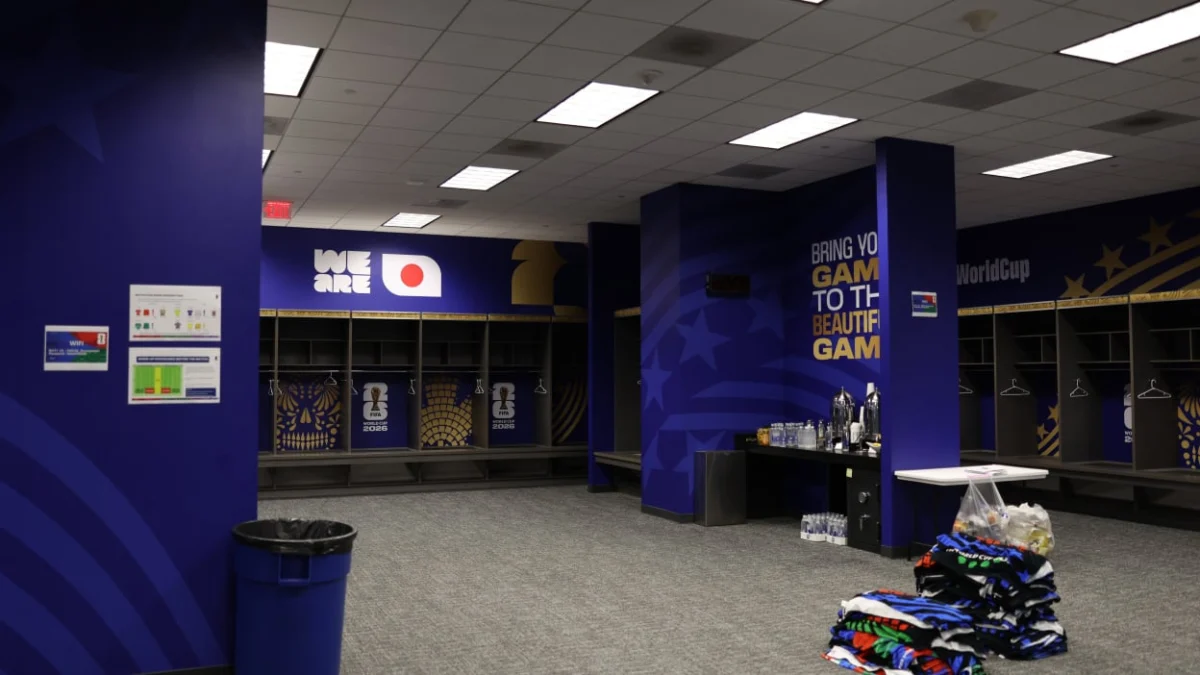
In the high-stakes arena of the FIFA World Cup, success is typically measured in goals, tactical masterclasses, and the crowning of a new global champion. Historically, the news cycles following a match are dominated by highlight reels of strikers, controversial refereeing decisions, or the tactical genius of high-profile managers. However, as the 2026 World Cup progresses, a new, surprisingly wholesome narrative has emerged, one that prioritizes human decency over raw competition.
Fans and pundits alike have begun calling this the "Ted Lasso" World Cup, a moniker inspired by the fictional coach whose "Believe" mantra emphasizes character, empathy, and kindness above all else. From immaculate locker rooms to stadium-wide clean-up efforts, teams and their supporters are proving that in a polarized world, the most enduring legacy of a tournament might not be a trophy, but a simple thank-you note.
The Chronology of Kindness: A New Post-Match Ritual
The trend toward radical hospitality began in earnest during the group stages, catching the attention of millions on social media.
On June 14, following a tense 2-2 draw between Japan and the Netherlands at Dallas Stadium, the global football community was greeted with images that defied the usual post-match chaos. As the stadium emptied, Japanese fans remained in their seats. Rather than rushing to the exits, they methodically began gathering discarded bottles, wrappers, and programs, depositing them into signature blue plastic bags. This was not a one-off performance; it was a continuation of a tradition that has become synonymous with Japanese football culture since their 1998 World Cup debut.
Shortly thereafter, on June 20, Japan’s national team solidified their reputation for excellence both on and off the pitch. Following a dominant 4-0 victory over Tunisia in Mexico, the team left their dressing room in a state of pristine order. Accompanied by a formal, handwritten note of gratitude to the stadium staff, the gesture signaled to the world that winning on the field is only half the battle.

The trend reached a crescendo on June 22, when Jordan—competing in their first-ever World Cup—exited the tournament following a valiant but unsuccessful effort against Algeria. Despite the heartbreak of elimination, the Jordanian delegation chose to leave a mark of grace. Video footage circulated by FIFA showed the Jordanian locker room left spotless, complete with thoughtful gifts and traditional Jordanian sweets intended for the stadium personnel.
The Cultural Roots of the "Leave No Trace" Philosophy
The Japanese team’s unwavering commitment to stadium cleanliness is deeply rooted in the proverb “tatsu tori ato wo nigosazu,” which translates to "a bird does not soil the nest it is about to leave." This philosophy, which emphasizes leaving a place in a better state than one found it, has transcended borders.
The impact of this behavior has been profound. It has shifted the spotlight away from the scoreline and onto the character of the participants. Even high-profile figures have taken notice. During the June 14 match in Texas, New York Giants quarterback Jameis Winston was famously spotted wearing a Japan jersey, actively participating in the post-match clean-up alongside local fans. This cross-pollination of sports culture underscores a growing desire among spectators to see athletes and fans embody values of stewardship and humility.
Geopolitical Context and the Power of Diplomatic Gestures
Perhaps the most poignant example of this trend occurred in Los Angeles, where the Iranian national team navigated a complex and at times fraught environment. Facing significant logistical challenges, including reports of limited access for support staff and officials, the team’s participation was clouded by external pressures.
Following a hard-fought 0-0 draw against Belgium at SoFi Stadium—a game defined by the heroics of goalkeeper Alireza Beiranvand—the team opted for a message of unity rather than complaint. They released a heartfelt statement thanking Los Angeles for its hospitality and acknowledging their fans for their unwavering support.

"We came to Los Angeles with pride, competed with honor, and leave with dignity," the team’s note read. This gesture, delivered amidst a backdrop of geopolitical tension, served as a powerful reminder that sport remains one of the few global platforms capable of transcending diplomatic barriers. By focusing on hospitality and shared humanity, these teams are effectively practicing a form of "stadium diplomacy," where the currency is mutual respect.
Supporting Data: Why Wholesomeness Goes Viral
Digital culture experts note that this "wholesome turn" is a calculated departure from the typically cynical nature of social media discourse. In an era of online toxicity, videos showing locker rooms being cleaned or fans picking up trash serve as "feel-good" content that generates significant engagement.
Data from the 2026 tournament shows that posts featuring acts of kindness are being shared at rates comparable to highlight-reel goals. This is a significant shift in sports media consumption. FIFA’s own social media channels have leaned into this, highlighting these moments to humanize the players and foster a sense of collective responsibility among the international fanbase.
Implications for Future Tournaments
As the 2026 World Cup approaches its conclusion, the question remains: is this a temporary trend or a permanent shift in how we experience global sporting events?
The 2030 World Cup, which will be the first in history to be hosted across multiple continents, presents a unique set of logistical challenges. As the tournament grows in complexity and reach, the need for a shared "code of conduct" becomes more relevant than ever. If teams and fans continue to prioritize courtesy, it could redefine the fan experience, making the tournament more inclusive and environmentally conscious.

Moreover, the "Ted Lasso" effect suggests that professional sports leagues may begin to actively encourage such behavior. While teams are currently acting out of genuine tradition or cultural values, it is not difficult to imagine a future where "sportsmanship and sustainability" become official KPIs for host committees and participating nations.
A Legacy of Belief
Ultimately, the viral success of these wholesome gestures speaks to a universal human need for connection. When an underdog like Jordan leaves behind sweets for the stadium staff, or when Japanese fans transform a post-match cleanup into a communal ritual, they are doing more than just picking up trash; they are upholding the spirit of the game.
As the tournament moves toward its final stages, the lessons of 2026 are clear. You don’t have to win the trophy to win the hearts of the global public. You simply have to leave the nest clean, the note written, and the hospitality acknowledged.
In the words of the fictional Ted Lasso, "Believe." In 2026, it seems that what we are being asked to believe in is not just the skill of the athletes, but the inherent goodness of the people who play, watch, and support the beautiful game. Whether this trend persists into the next decade remains to be seen, but for now, the world is watching—and for once, it is liking what it sees.


 Neng Nana
 Nana Wu