The allure of a dedicated, plug-and-play console experience powered by the vast library of Steam has been the "holy grail" of PC gaming for over a decade. When Valve announced its latest iteration of the Steam Machine, the marketing promise was intoxicating: a sleek, living-room-ready box capable of delivering 4K gaming at a rock-solid 60 FPS.
However, as the dust settles following the product’s launch, a stark reality has emerged. Independent testing and a quiet, defensive backtrack on product specifications suggest that the hardware simply cannot meet the ambitious performance targets Valve initially touted. For the discerning gamer, the Steam Machine represents a significant disconnect between marketing and hardware capability, forcing a difficult question: Is the convenience of a pre-built SteamOS box worth a $1,049 entry price when superior performance can be achieved for less?
The Discrepancy: Marketing vs. Reality
The primary selling point of the new Steam Machine was its 4K60 capability. Yet, Valve’s recent, silent update to the official product page—stripping away the explicit "4K gaming at 60 FPS" claims—confirms what early benchmarks have demonstrated for weeks: in modern, graphically demanding titles, 4K is not a realistic target for this hardware.
Even when leveraging FidelityFX Super Resolution (FSR) to its absolute limits, the Steam Machine struggles to maintain stability at 4K. At $1,049, the base model occupies a precarious price bracket. By comparison, a custom-built PC constructed with strategic use of the pre-owned market can comfortably clear the performance bar that the Steam Machine fails to reach. Valve maintains that these costs are necessary due to the current AI-driven supply chain crunch, particularly regarding memory pricing, and insists the unit is sold at cost. While this transparency is appreciated, it does not solve the fundamental issue: the hardware simply isn’t "next-gen" enough to justify the price-to-performance ratio in 2026.

A Chronology of the "GabeCube" Controversy
The timeline of the Steam Machine’s reception reveals a narrative of high expectations followed by technical disillusionment.
- Pre-Launch Hype (Early 2026): Rumors began circulating about a dedicated "GabeCube" device. Valve’s messaging heavily leaned into the promise of a "console-killer" that would bridge the gap between high-end PC gaming and the convenience of a PlayStation or Xbox.
- The Launch Window (June 2026): Upon release, early adopters and reviewers immediately noted that the custom 28 CU RDNA 3 graphics component—drawing 110W—was severely underpowered for native 4K output. Benchmarks placed its raw performance closer to an AMD Radeon RX 7600, a card designed primarily for 1080p or 1440p gaming.
- The Spec Revision (July 2026): Facing criticism and user reports of stuttering and thermal throttling, Valve quietly edited their marketing materials. The removal of the 4K60 claim served as a tacit admission that the hardware was over-promised and under-delivered.
- The Community Response: The PC building community quickly mobilized, demonstrating that for the same $1,049 investment, one could build a system significantly more powerful, capable of genuine 4K performance, albeit without the refined SteamOS experience.
Supporting Data: The Case for the Pre-Owned GPU
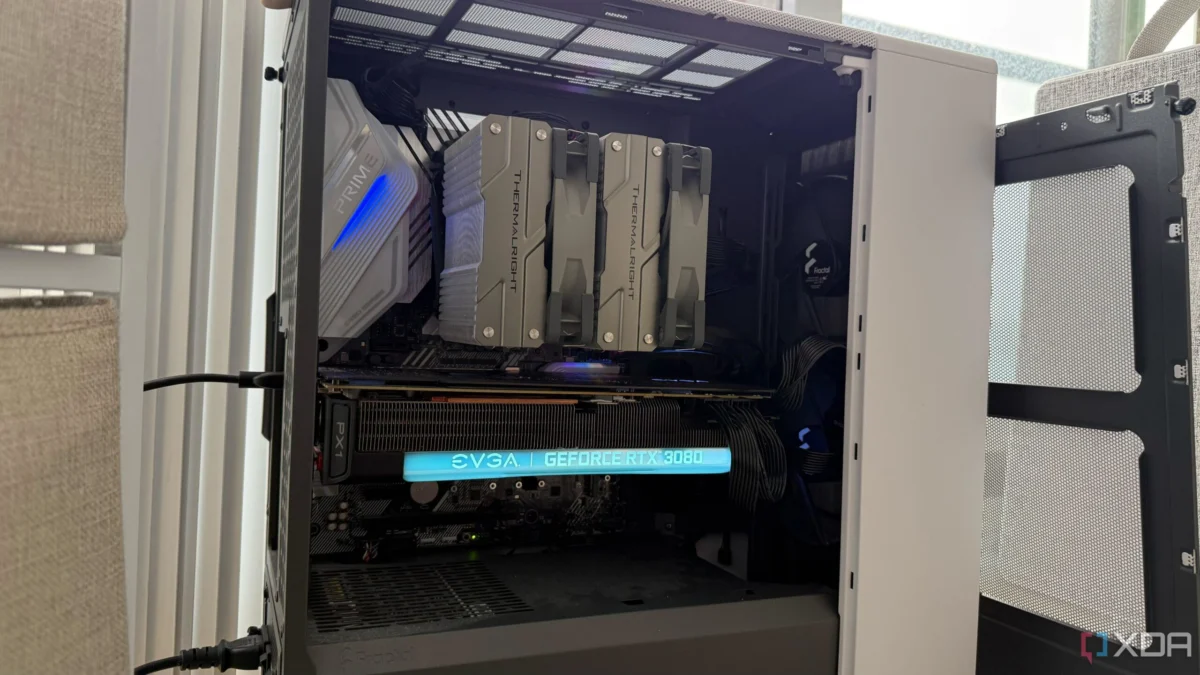
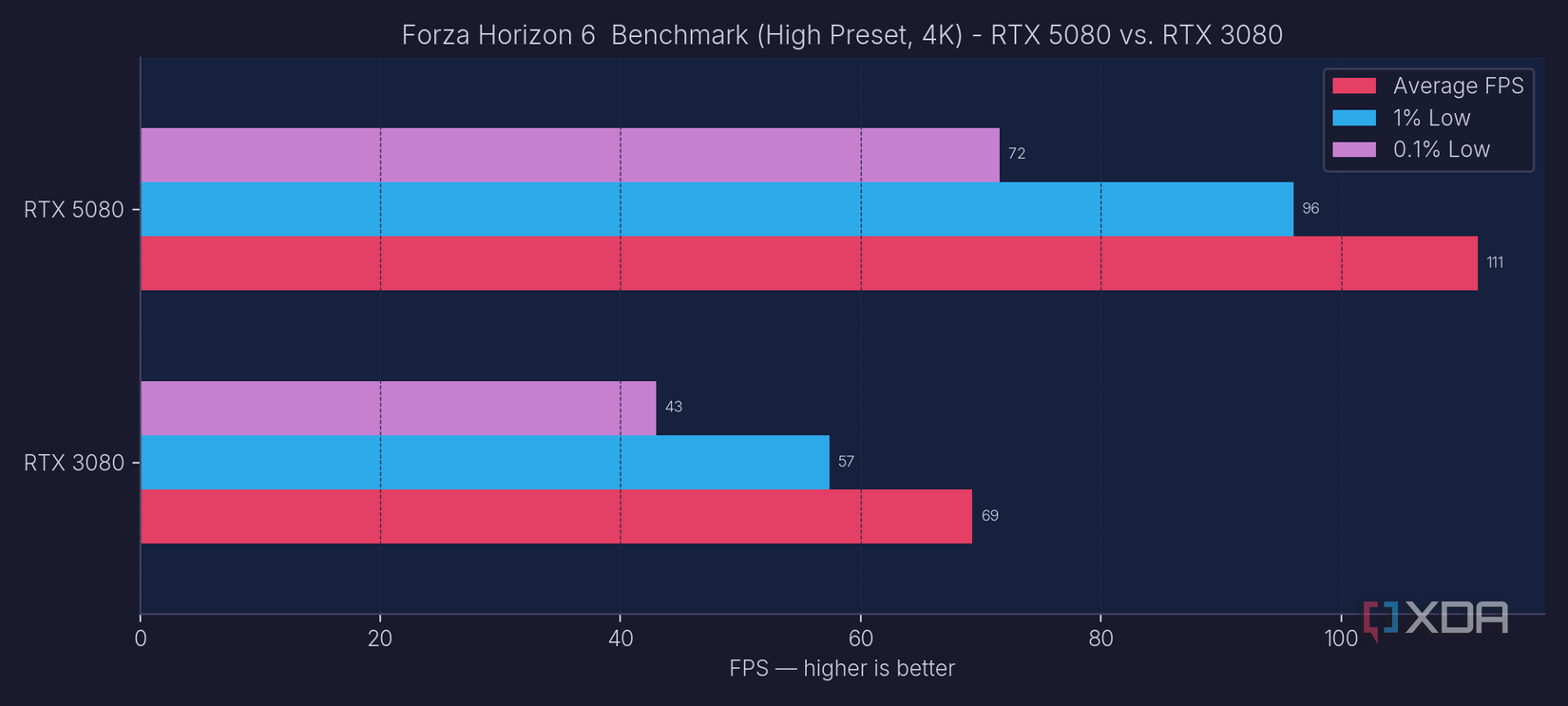
If one were to build a 4K-capable machine today, the secret weapon is not the latest flagship, but a seasoned veteran of the GPU wars: the Nvidia RTX 3080. Launched in 2020 as a true 4K-capable card, it is currently available on the secondary market for approximately $300.
When compared to the Steam Machine’s internal RDNA 3 part, the 3080 offers a massive uplift in compute power. Recent data from Forza Horizon 6 shows that even at native 4K settings, the 3080 maintains frame rates that are significantly more consistent than the Steam Machine. Furthermore, because Nvidia has extended its transformer-model upscaling (DLSS) to older architectures, the 3080 remains remarkably relevant. Users gain access to the same high-quality upscaling found on current-gen cards, allowing them to hit 4K60 targets in almost any title by utilizing "Quality" or "Balanced" DLSS presets.
Building the Better Alternative
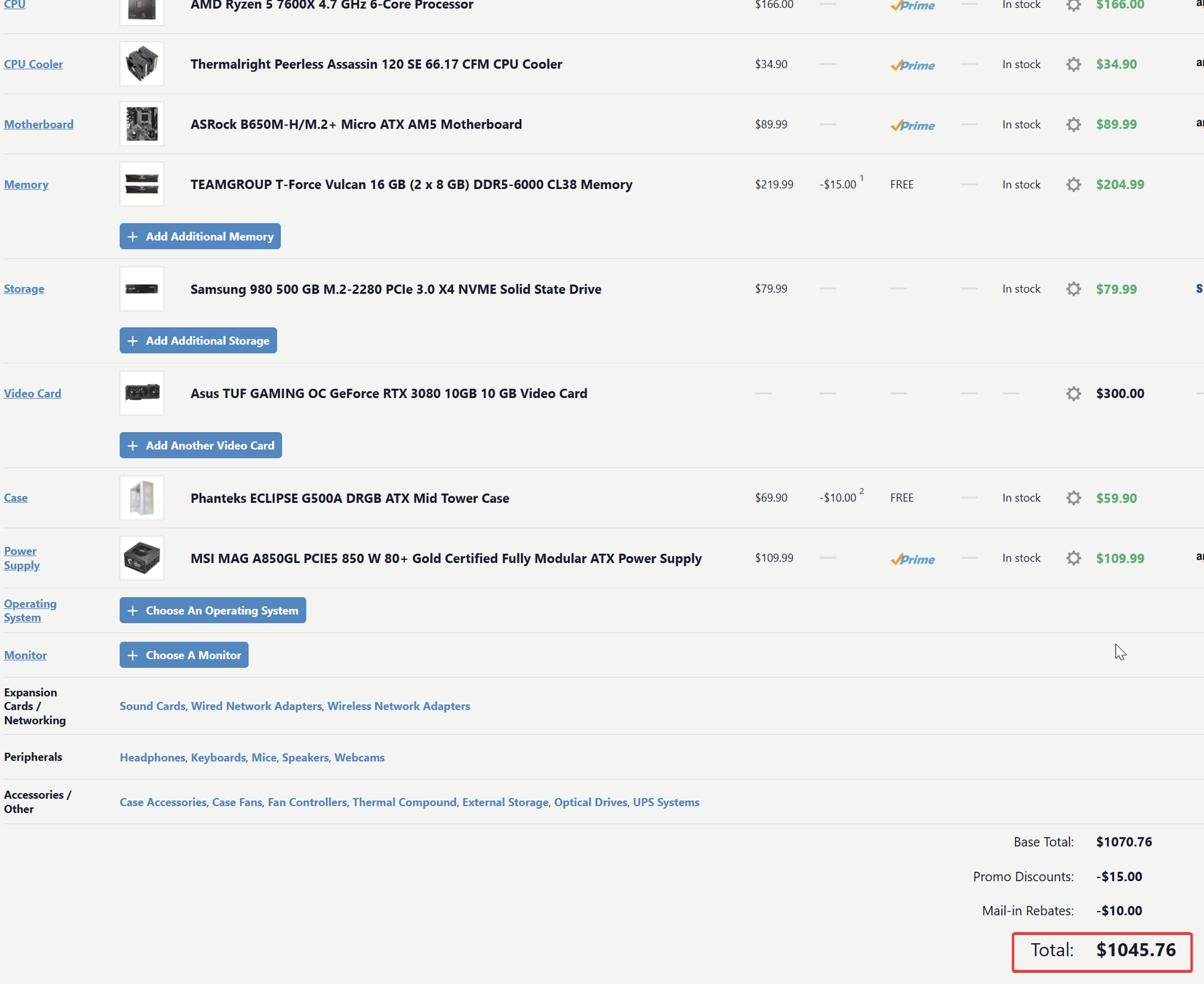
To prove that the $1,049 price point is bloated, we can construct a superior PC using current market pricing:
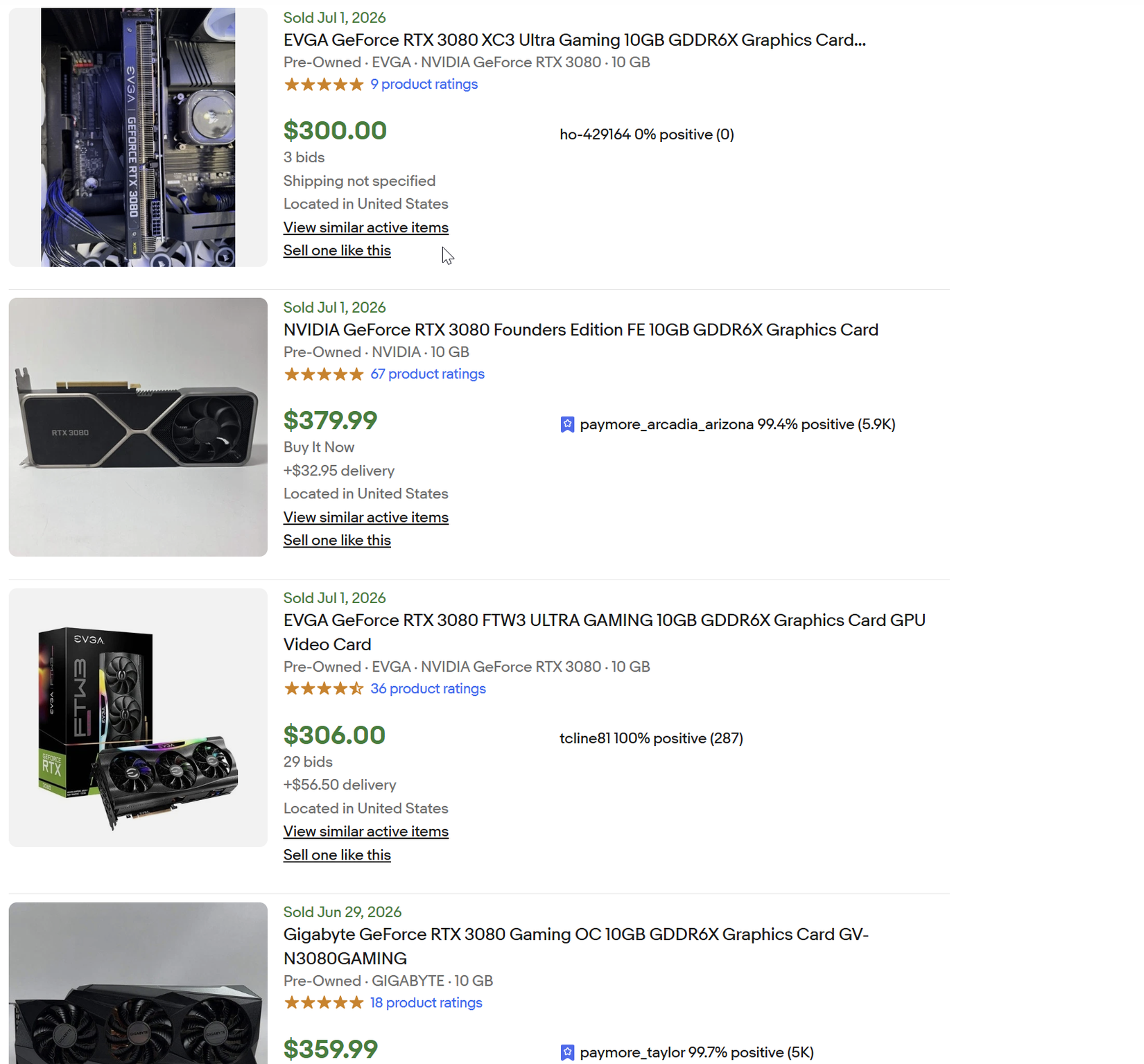
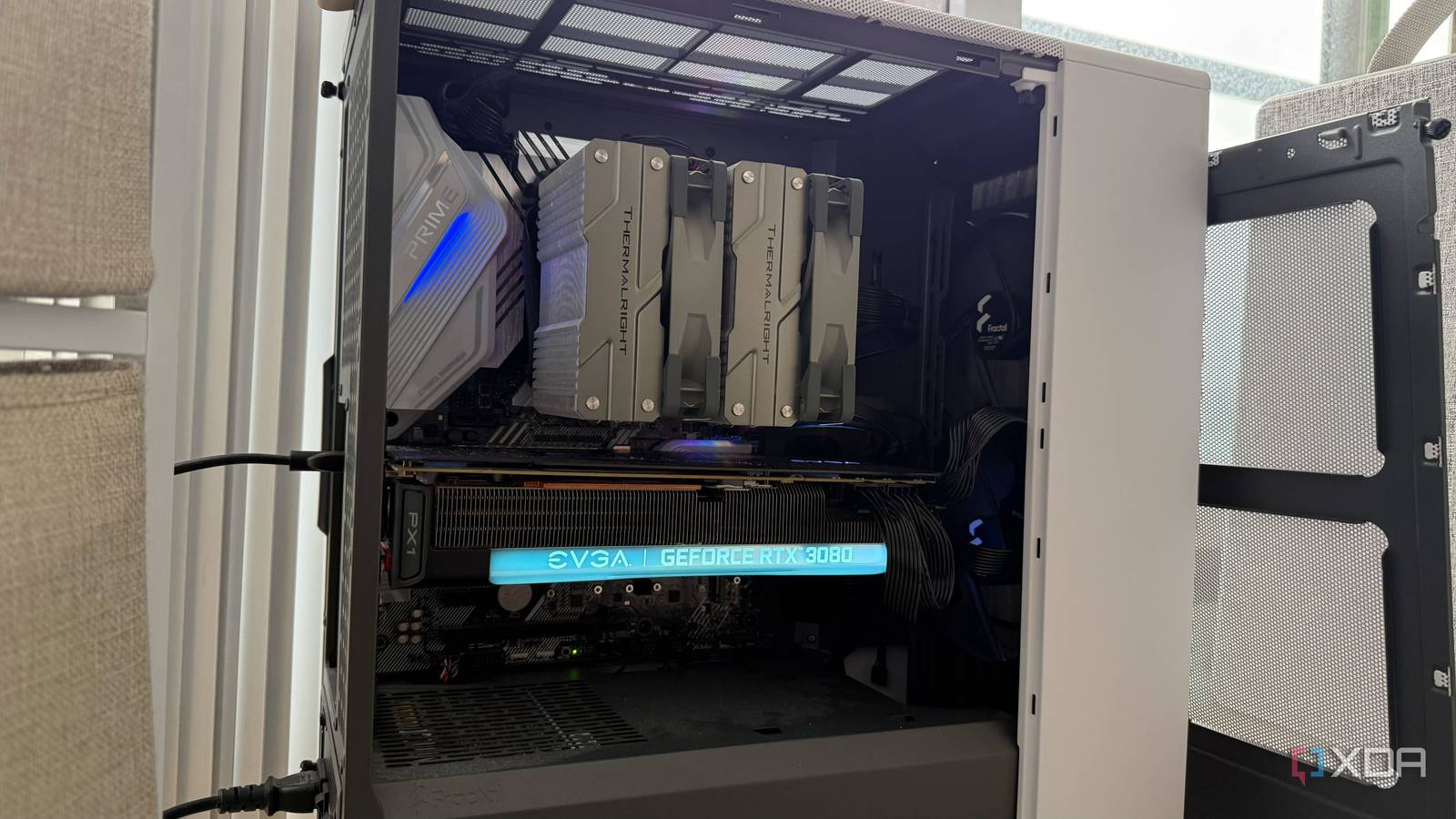
- GPU: Used RTX 3080 ($300)
- CPU: AMD Ryzen 5 7600X ($166) – This chip comfortably outmuscles the Steam Machine’s custom 30W-capped Zen 4 processor.
- Cooler: Thermalright Peerless Assassin 120 SE ($35)
- Motherboard: ASRock B650M ($90) – Provides a legitimate AM5 upgrade path.
- Memory: 16GB DDR5-6000 ($205) – While DDR5 pricing remains elevated, it matches the capacity found in the Steam Machine.
- Storage: 500GB Samsung 980 NVMe ($80)
- Case: Phanteks Eclipse G500A ($60 after rebate)
- PSU: 850W Gold-rated MSI ($110)
Total Cost: $1,045.76
This build not only provides superior gaming performance but also offers better thermal management and future-proof components. The trade-off, of course, is the lack of a "plug-and-play" guarantee and the absence of a single-manufacturer warranty.
Official Responses and Strategic Positioning
Valve has been notably sparse with formal apologies, preferring to let the updated product pages speak for themselves. Their defense is anchored in the reality of the global silicon shortage. Memory prices, which have seen massive inflation due to the industry’s pivot toward AI-focused hardware, have hit small-form-factor devices particularly hard.
Valve’s strategic goal is not necessarily to provide the highest FPS-per-dollar, but to provide a cohesive ecosystem. The "Steam Machine" is essentially a vehicle for SteamOS. The company is betting that the average consumer will prioritize the UI, the controller integration, and the seamless console-like experience over raw benchmarks. However, by pricing the device in a segment where users are typically highly informed, Valve has created a friction point that is difficult to ignore.
The Implications for Future Hardware
The failure of the Steam Machine to meet its 4K promise carries significant implications for the future of living-room PC gaming.
- The "Console Experience" Tax: The Steam Machine serves as a cautionary tale. Consumers are often willing to pay a premium for convenience, but that premium has a ceiling. Once the performance gap between a console and a custom PC becomes an abyss, the "convenience" factor ceases to be a selling point and starts to look like a rip-off.
- OS Compatibility Hurdles: One of the biggest drawbacks to the custom-build approach is that SteamOS is not yet fully optimized for Nvidia hardware. While building your own machine offers better value, you are currently tethered to Windows unless you opt for AMD hardware. If you are a fan of the SteamOS experience, you are essentially held hostage by Valve’s choice of hardware.
- The Value of the Hunt: For the enthusiast, the "GabeCube" is a non-starter. The community has already pivoted toward finding near-complete systems on eBay—often featuring i7-10700K processors and similar hardware—for under $250. This demonstrates that the true market value for a 4K-capable HTPC is significantly lower than Valve’s asking price.
Conclusion
Valve’s attempt to dominate the living room with the Steam Machine has hit a wall of technical reality. While the build quality and the software experience remain top-tier, the hardware inside the box simply does not justify the $1,049 cost, especially when measured against the marketing promises of 4K60 gaming.
The machine will undoubtedly sell to those who value the "Valve seal of quality" and a turnkey experience. However, for those who truly care about performance, the path is clear: build your own. By leveraging the secondary GPU market and choosing components with actual upgrade paths, you can build a machine that outclasses the Steam Machine in every meaningful way—all while keeping your budget intact. Valve set the bar for the ultimate living room PC, but in their quest for a compact, proprietary form factor, they missed the mark on the most important metric: the performance the user was promised.