Lina Irawan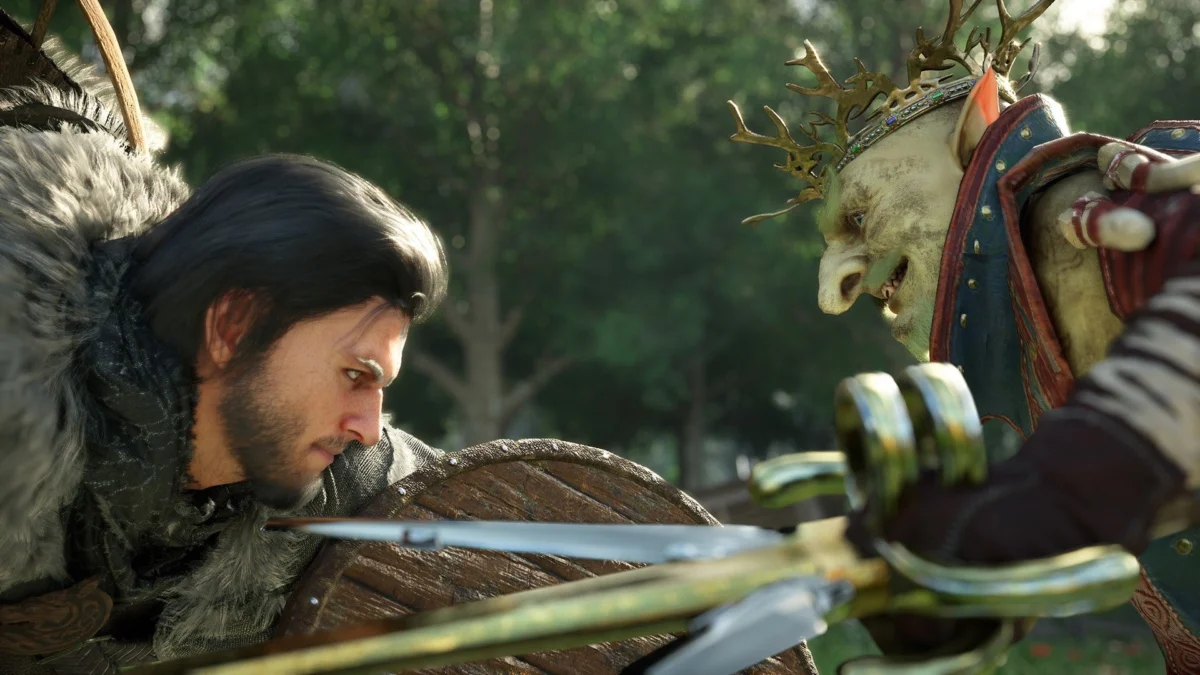
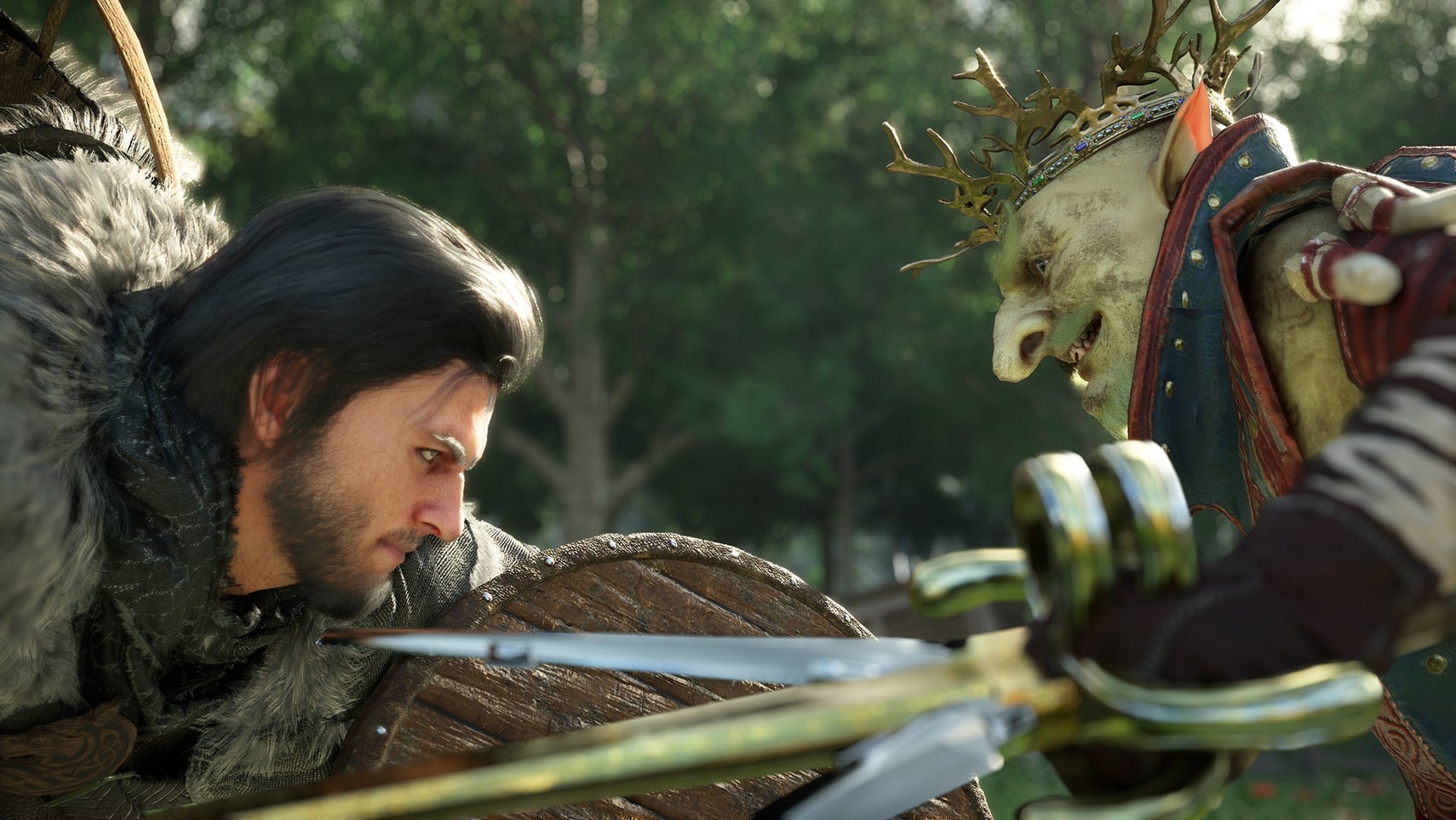
As the first quarter of 2026 draws to a close, the gaming industry finds itself dissecting the high-profile arrival of Crimson Desert. Developed by Pearl Abyss—the studio renowned for the long-running MMO Black Desert Online—this ambitious open-world action RPG has finally emerged from a six-year development cycle. Following a trajectory marked by immense hype and subsequent scrutiny, the game has proven to be a commercial juggernaut, even as it navigates a polarized critical and player reception.
The launch of Crimson Desert stands as one of the most significant events of the year, signaling both the heights of modern technical ambition and the challenges of balancing complex, multifaceted gameplay systems.
The Long Road to Release: A Chronology of Anticipation
The journey to Crimson Desert has been anything but conventional. First unveiled nearly six years ago, the project was initially positioned as a prequel of sorts to Black Desert Online. However, as development progressed, the vision expanded significantly. Pearl Abyss pivoted toward a standalone, single-player-focused open-world experience, promising a narrative depth and mechanical complexity that would push the studio’s proprietary engine to its limits.
Over the years, the game became a staple of industry showcases, with each trailer raising the bar for visual fidelity and combat fluidity. By early 2026, the anticipation had reached a fever pitch. For six consecutive weeks leading up to its release, Crimson Desert maintained a top-100 position on Steam’s global best-sellers list, ultimately ascending to the number one spot just days before its official debut. This persistent momentum created a "must-play" narrative, setting expectations at a level that few titles could realistically satisfy.
Market Performance and Supporting Data
Within 24 hours of its launch across PC (via Steam and the Epic Games Store) and consoles, Crimson Desert translated its pre-launch buzz into immediate financial success. According to data provided by SteamDB, the title hit a peak of 239,045 concurrent players on Steam alone. This figure is particularly impressive given the competitive landscape of the first quarter of 2026.
To understand where Crimson Desert fits into the broader market, it is helpful to look at its contemporaries. The current industry leader for the quarter remains Slay the Spire 2, which achieved a staggering 574,638 concurrent players. Just prior to that, Resident Evil: Requiem set a high bar with a peak of 344,214 players. While Crimson Desert falls slightly behind these titans, it comfortably outperforms other significant 2026 releases, such as Nioh 3 (88,045 concurrent players) and the live-service shooter Marathon (88,337 concurrent players).
This data indicates that while the title has not reached the absolute ceiling of 2026’s biggest hits, it has secured a position among the "must-play" titles of the year, ensuring that Pearl Abyss’s investment has yielded a significant initial return.
Critical Reception and the "Mixed" Consensus
Despite its commercial success, Crimson Desert has faced a challenging reception from both professional critics and the player community. The consensus, often described as "mixed," highlights a disconnect between the game’s high-fidelity presentation and its moment-to-moment gameplay experience.
In our internal review, the game was awarded three stars, with the critique noting that it "lacks the connective sinew to be truly functional." This sentiment is echoed across the industry, where reviewers have pointed to a recurring issue: the game attempts to implement too many disparate systems simultaneously. From complex crafting and survival mechanics to intricate combat sequences, the sheer density of the game’s design often leads to a lack of cohesion.
Players have been equally vocal on platforms like Steam, where the title currently holds a "Mixed" rating based on over 8,700 reviews. A recurring theme in these critiques is the difficulty of the control scheme and a perceived lack of clear instruction. As one user noted, the game "miserably tries to be everything at once, and fails to be anything at all." These criticisms suggest that while the game succeeds as a technical showcase, it struggles to provide the intuitive, satisfying user experience required for widespread critical acclaim.
Addressing the Complexity: Developer Intent vs. Player Experience
The controversy surrounding Crimson Desert centers on the "everything, everywhere, all at once" design philosophy. Pearl Abyss clearly intended to craft a definitive, all-encompassing RPG experience. However, the result has been a game that demands an immense amount of patience from the user.
Mechanics that are meant to add depth—such as the complex skill trees and the reliance on "Abyss Artifacts" for character progression—have been criticized for being poorly explained. For newcomers, the learning curve is exceptionally steep. The developer’s reliance on the player to self-discover these systems without adequate scaffolding has alienated a portion of the audience who expected a more streamlined, narrative-driven action experience.

For those determined to master the game, however, there is a wealth of content to engage with. Veterans of the Black Desert universe may find the complexity familiar, but for the average player, navigating the vast world of Crimson Desert requires a dedication usually reserved for hardcore simulation titles.
Broader Implications for the Industry
The launch of Crimson Desert serves as a case study for the current state of "AAA" game development. It highlights the potential pitfalls of a protracted development cycle—six years is an eternity in the gaming world—and the dangers of trying to cater to every possible player archetype.
- The Risk of Feature Creep: Crimson Desert illustrates the danger of feature creep, where the addition of new mechanics eventually undermines the core loop of the game.
- The "Steam" Metric: The disparity between commercial performance (top of the charts) and critical sentiment (mixed reviews) continues to widen. It suggests that pre-launch marketing and brand legacy are currently more effective at driving sales than the actual quality of the final product at launch.
- The Longevity Question: Can a game with a "mixed" reception sustain its player base throughout the year? Given that Crimson Desert is a large-scale title, Pearl Abyss will likely be forced to pivot their post-launch support toward accessibility improvements, tutorials, and quality-of-life patches to appease the current player base and encourage long-term retention.
Moving Forward: Tips for the New Traveler
If you are one of the hundreds of thousands of players currently exploring the world of Crimson Desert, do not be discouraged by the initial friction. The game is undeniably dense, but it is also rewarding for those who take the time to learn its systems.
To help navigate the early hours, we strongly recommend prioritizing your skill unlocks. Focus on the core traversal and combat abilities that make exploration more fluid, and spend your Abyss Artifacts on passives that simplify the early-game combat encounters. Furthermore, take the time to engage with the game’s dedicated community guides; given the complexity of the mechanics, the collective knowledge of the player base is currently the most reliable way to overcome the game’s more obtuse hurdles.
As we look toward the second quarter of 2026, all eyes will be on Pearl Abyss to see how they respond to the player feedback. Will they double down on the complexity, or will they provide the necessary patches to make Crimson Desert a more accessible, cohesive experience? Regardless of the answer, the game has already cemented its place in the 2026 history books as a triumph of scale, if not necessarily of polish.


 Asro
Asro
 Muslim