Raul Delapena Setiawan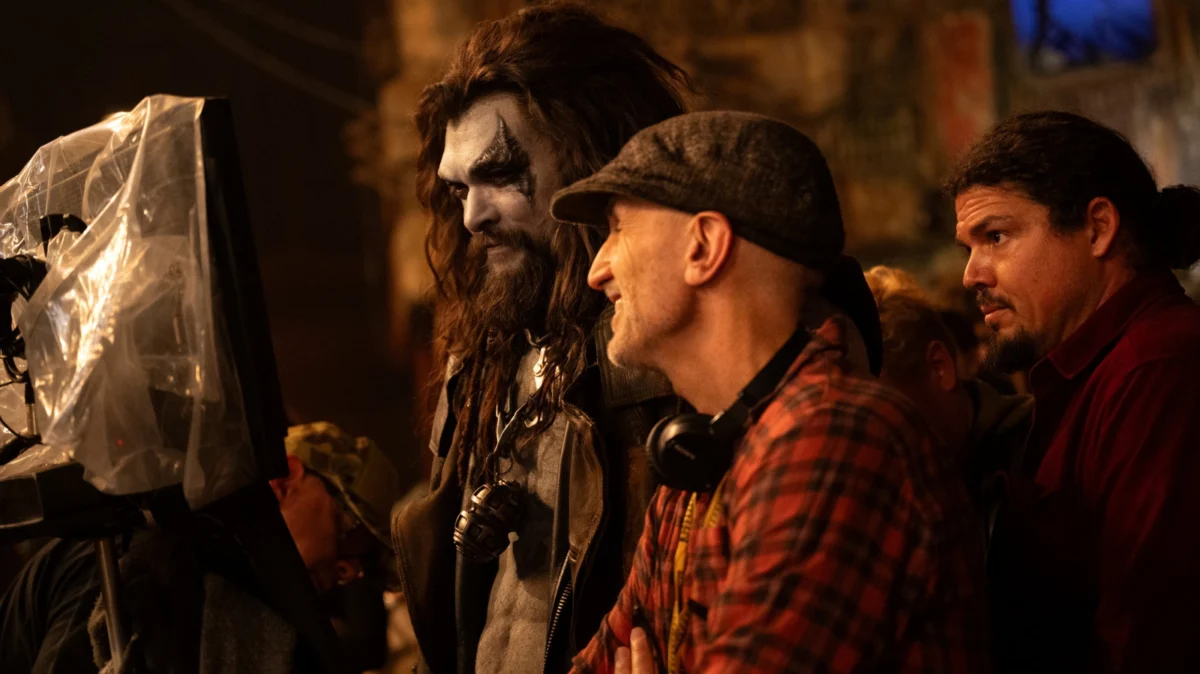
In the ever-shifting landscape of modern Hollywood, few stars have managed to cultivate an image as distinct, consistent, and commercially viable as Jason Momoa. From the blood-soaked plains of Essos in Game of Thrones to the high-seas majesty of Aquaman and the sci-fi grit of Dune, Momoa has become the industry’s go-to archetype for the rugged, charismatic antihero.
As he steps into his latest high-profile role as the interstellar bounty hunter Lobo in the upcoming Supergirl feature, the actor is facing the inevitable question: has he become a prisoner of his own persona? In an exclusive interview, Momoa addressed the elephant in the room regarding his propensity for playing "rogues you’d want to grab a drink with," proving that he is not only aware of his typecasting—he is leaning into it with characteristic bravado.
The Evolution of the Momoa Archetype
To understand the current discourse surrounding Jason Momoa’s career, one must look back at the trajectory that brought him to this point. His breakout turn as Khal Drogo in 2011 served as the blueprint for his future successes: a physically imposing figure with an untamed spirit, a deep-seated loyalty to his own code, and an undeniable magnetism.
Following his introduction to the DC Universe as Arthur Curry—a role that bridged the gap between his "brawler" physicality and leading-man charm—Momoa saw his career reach stratospheric heights. The massive commercial success of the Aquaman films solidified his status as an A-lister, while his work in Denis Villeneuve’s Dune proved he could bring that same intensity to prestigious, cerebral science fiction.
A Chronology of the "Brawler"
- 2011: Game of Thrones premieres, introducing global audiences to the ferocious but deeply magnetic Khal Drogo.
- 2016: A brief but impactful cameo in Batman v Superman: Dawn of Justice marks his entry into the DC Extended Universe.
- 2018-2023: The Aquaman franchise transforms Momoa into a global box-office titan.
- 2021: Dune highlights his ability to command screen time as the stoic, lethal Duncan Idaho.
- 2026: Momoa joins the cast of Supergirl as Lobo, a fan-favorite character that aligns perfectly with his established persona.
- Future Prospects: Casting as Blanka in the upcoming Street Fighter adaptation suggests that the "rogue with a heart" trend is far from over.
The Lobo Factor: Why the Role Fits
For years, comic book fans have clamored for a live-action adaptation of Lobo, the cigar-chomping, motorcycle-riding, Czarnian bounty hunter. The character is a departure from the traditional, moralistic heroes of the DC stable, representing a chaotic, R-rated brand of justice.
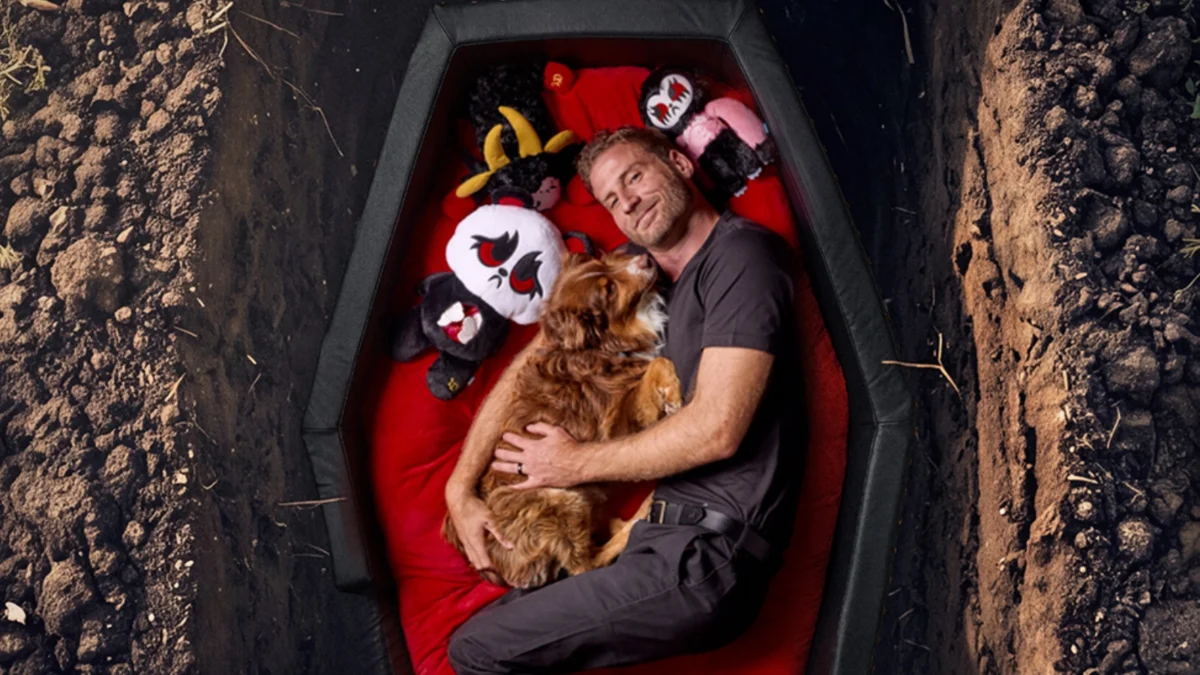
![How Supergirl Star Jason Momoa Feels About Getting Typecast [Exclusive]](https://www.slashfilm.com/img/gallery/supergirls-jason-momoa-knows-hes-getting-typecast-and-he-couldnt-care-less/l-intro-1782154157.jpg)
In Supergirl, Momoa brings a palpable energy to the screen that feels tailor-made for the role. In speaking with /Film, Momoa dissected why he finds these characters so appealing. "You want to be scared of him, but at the same time you want to have a drink with him," Momoa noted. This duality is the secret sauce of his career. Whether he is playing a Dothraki warlord, an Atlantean king, or a space-faring mercenary, Momoa creates a "danger-meets-delight" dynamic that keeps audiences coming back.
Addressing the "Typecast" Narrative
During our exclusive discussion, the subject of industry stereotyping was raised. While many actors might bristle at the suggestion that they are playing the same character across different franchises, Momoa laughed off the concern with his signature easygoing attitude.
"I think I’m the brawler," he admitted. "I love beer. I’m getting stereotyped… Typecast as a beer drinker."
This response is telling. Momoa isn’t just accepting the labels; he is owning them. By framing his typecasting through the lens of a "beer drinker," he highlights a crucial truth about his appeal: his relatability. Despite his six-foot-four frame and intimidating physique, Momoa’s public persona is one of an approachable, fun-loving guy. When he steps into the shoes of a character like Lobo, the audience feels like they know the man behind the makeup, making the spectacle feel more grounded.
Supporting Data: The Commercial Viability of the "Momoa Brand"
Critics of typecasting often argue that it limits an actor’s range, but from a financial and marketing standpoint, the "Momoa Brand" is a goldmine for major studios.
![How Supergirl Star Jason Momoa Feels About Getting Typecast [Exclusive]](https://www.slashfilm.com/img/gallery/supergirls-jason-momoa-knows-hes-getting-typecast-and-he-couldnt-care-less/intro-1782154157.jpg)
- Audience Retention: Audiences buy tickets for the "Momoa experience." His consistent portrayal of rugged, unconventional heroes provides a sense of continuity that audiences trust.
- Marketability: When a studio casts Momoa, they aren’t just hiring an actor; they are hiring a recognizable aesthetic. The "brawler" persona is easily translatable across genres, from superhero films to video game adaptations like Street Fighter.
- Critical Reception: Despite the "typecast" label, critics have consistently praised Momoa’s ability to bring nuance to these roles. His performance as Duncan Idaho, for instance, provided the emotional anchor for Dune, showing that he can excel even within the constraints of his physical archetype.
Implications for the Future of the DC Universe
The integration of Lobo into the Supergirl narrative marks a significant shift in how the new DC regime is utilizing its talent. By leaning into the "menace" aspect of the character, the studio is moving away from the more traditional, squeaky-clean hero tropes.
When asked if he would rather "hang out" with a classic, "square" hero like David Corenswet’s Superman or someone more his speed, Momoa’s eyes lit up. "Aquaman too! I want to hang out with those goddamn guys. Maybe it’s just me. I’m like, Duncan Idaho too. Blanka’s going to probably get in a bar fight too. You know what I mean?"
This sentiment implies that the future of the DC Universe might be one defined by characters who are slightly less polished—people who, as Momoa suggests, are just as likely to start a bar fight as they are to save the world. It creates a cohesive, albeit gritty, tone that seems designed to cater to the very audience that loves the "Momoa brand."
Conclusion: Authenticity Over Versatility
Ultimately, the critique of typecasting is often a critique of comfort. In a volatile industry, Jason Momoa has carved out a space where he is not only successful but fundamentally authentic to his own interests. He enjoys playing the brawler, he enjoys the physicality of the roles, and he enjoys the camaraderie that comes with these high-octane productions.
As we look toward the June 26, 2026, release of Supergirl, it is clear that Momoa has no intention of pivoting away from what works. He has successfully transformed the "typecast" label from a limitation into a signature. For fans who want to see a hulking, beer-loving, chaotic menace take on the cosmos, Momoa’s latest outing promises to be exactly what we’ve come to expect—and exactly what we want.

 Ali Ikhwan
 Muslim