Suro Senen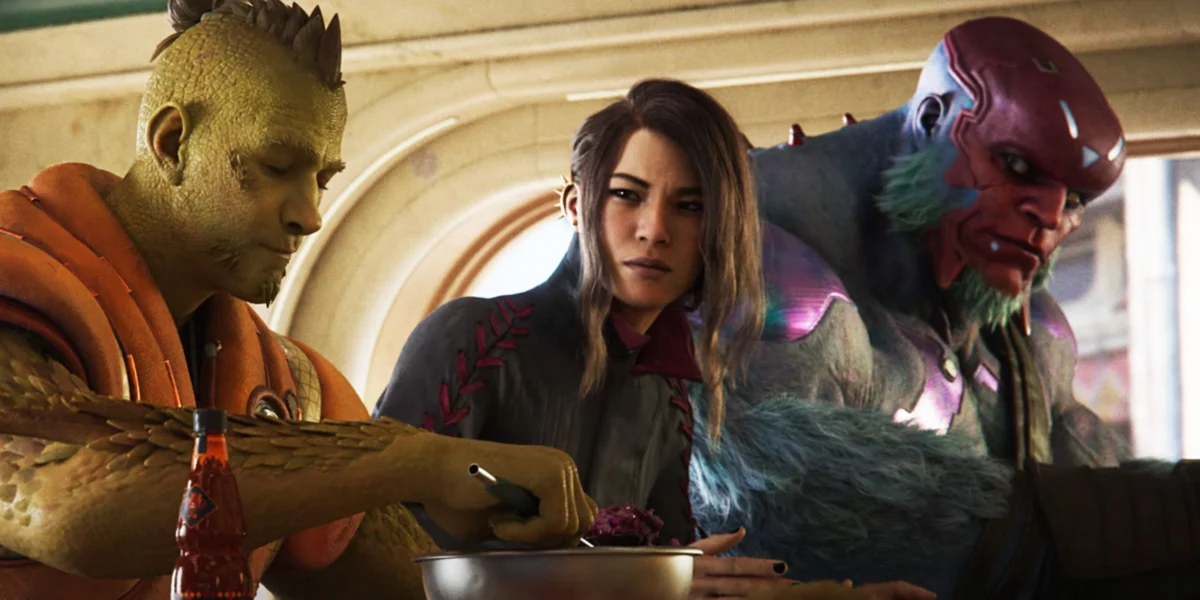
In the high-stakes world of modern interactive entertainment, the transition from traditional, single-player experiences to long-term, revenue-generating live-service models has become the industry’s most polarizing trend. For Sony Interactive Entertainment (SIE), the last few years have been a period of intense experimentation, characterized by both high-profile failures and an unwavering commitment to a multi-platform future. Despite the shuttering of titles like Concord and the complex, iterative development of Bungie’s Marathon, SIE leadership has officially signaled that the "Games as a Service" (GaaS) model remains a cornerstone of their long-term growth strategy.
The Strategic Imperative: Why Sony Remains Committed
For years, Sony’s identity was synonymous with narrative-driven, single-player cinematic experiences—titles like God of War, The Last of Us, and Horizon. However, as the industry shifted toward persistent online ecosystems capable of retaining millions of active users for years, Sony recognized a potential gap in its portfolio.
The rationale is clear: while single-player games provide critical cultural capital and prestige, live-service titles offer the financial sustainability necessary to fund the massive budgets required for future AAA hardware and software. By diversifying their output, Sony hopes to capture a broader global audience that prioritizes social, competitive, and repeatable gameplay.
A Chronology of the Shift: From Single-Player Dominance to Hybrid Ambition
The evolution of Sony’s strategy can be tracked through a series of key milestones that define their current operational posture:
- 2020–2021: The Initial Pivot: Following the launch of the PlayStation 5, internal discussions at SIE began shifting toward how to extend the lifecycle of their blockbuster franchises. This era marked the beginning of a concerted effort to scale up multiplayer capabilities.
- 2022–2023: The Bungie Acquisition: The acquisition of Bungie for $3.6 billion served as a massive statement of intent. Sony wasn’t just buying a studio; they were buying a blueprint for operating a successful, long-term live-service ecosystem.
- 2024: The Reality Check: High-profile struggles, including the rapid closure of Concord by Firewalk Studios and the development delays surrounding Marathon, highlighted the immense difficulty of breaking into the saturated live-service market.
- 2025: Leadership Consolidation: The appointment of Hideaki Nishino as the sole CEO of Sony Interactive Entertainment signaled a refinement of vision. Under Nishino, the focus has shifted from "trying everything" to a more disciplined, albeit still ambitious, approach to GaaS.
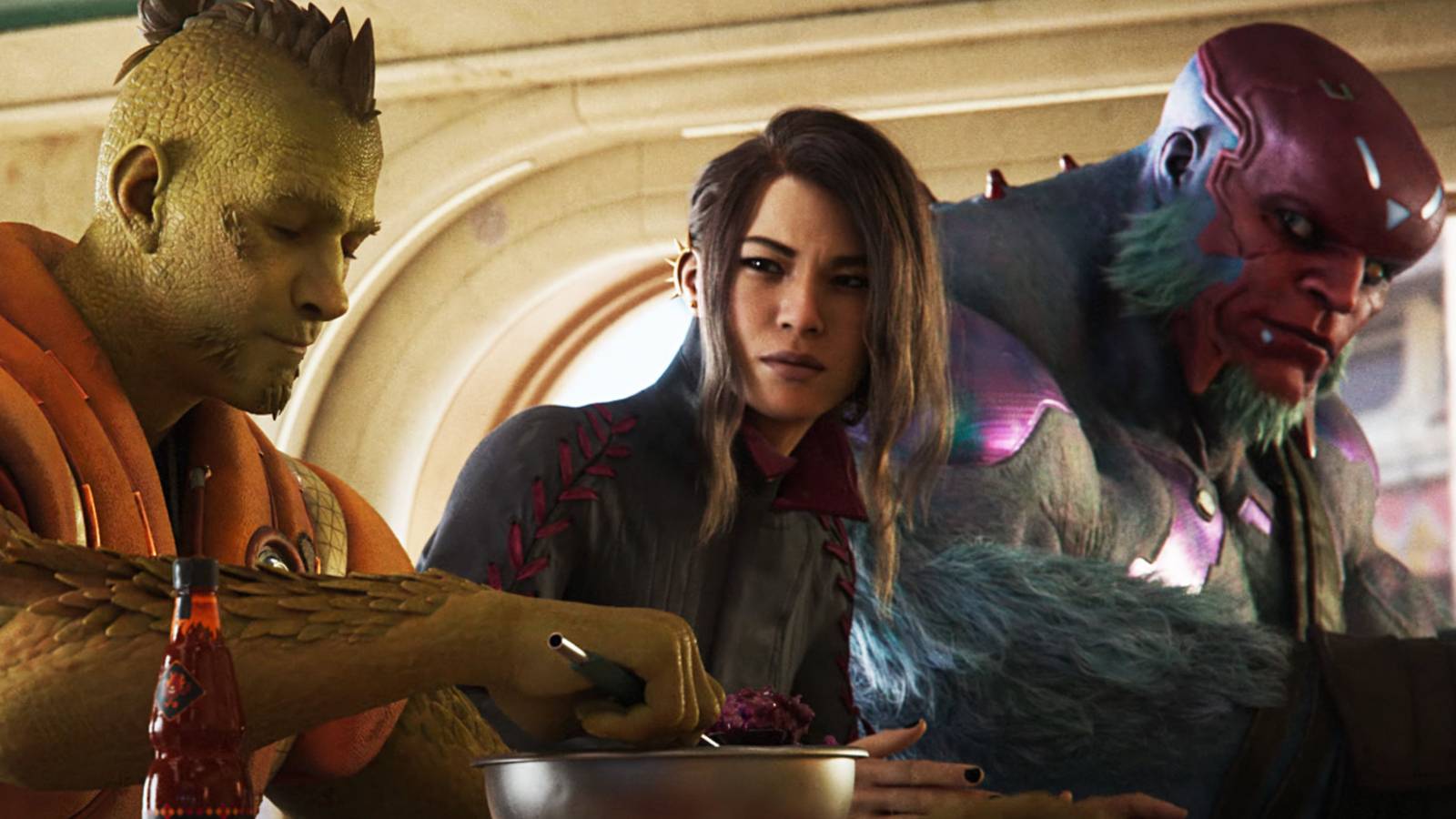
- 2026: The Path Forward: With the upcoming launch of MARVEL T’akon: Fighting Souls, Sony is testing whether its massive IP library can successfully anchor a competitive multiplayer experience.
Official Stance: Insights from Hideaki Nishino
In an expansive interview with Famitsu, Hideaki Nishino offered the clearest look yet at the company’s internal philosophy. Addressing the "live-service fatigue" felt by many fans, Nishino emphasized that the genre is still in its infancy. He framed recent setbacks not as reasons to retreat, but as vital learning experiences in a competitive, evolving market.
"We believe that live-service games are content that attracts users on a global level," Nishino stated. "The genre itself is relatively new, and I think many people are trying various things. We want to continue to revitalize the market through both first-party and third-party content. It is important to continuously provide something, and we intend to continue taking on those challenges."

Nishino’s words suggest that Sony views its current struggles as a "tuition cost" for entering a high-barrier-to-entry market. Rather than abandoning the sector, the company is refining its pipeline and prioritizing titles that can integrate effectively into their broader ecosystem.
Supporting Data: The Multiplatform Necessity
One of the most significant takeaways from Nishino’s commentary is the firm confirmation of Sony’s multiplatform strategy. For a live-service game to survive, it requires a massive, healthy player base. Consequently, Sony has moved away from the "console-exclusive" mindset for its multiplayer efforts.
The Logic of Simultaneous Releases
Nishino confirmed that Sony will continue to pursue simultaneous, day-and-date launches on both PlayStation 5 and PC for its live-service titles. The logic is purely mathematical: to maximize the "gaming experience" and ensure liquidity in the player base, the barriers to entry must be as low as possible.

The Preservation of the Console Experience
However, Sony is careful to distinguish this from its flagship single-player business. Nishino was clear: cinematic, story-driven adventures will remain anchored to home consoles to protect the core value proposition of the PlayStation brand. While these games may eventually see PC ports years after their initial release, the console remains the primary destination for the "definitive" experience.
Implications for the Future: Beyond the Screen
The focus on multiplayer is only one half of the equation. Nishino also touched upon the success of the PlayStation Portal, which has provided a new way for users to engage with their libraries. The device’s popularity confirms a shift toward "lifestyle gaming"—where players want access to their content across different environments and schedules.
Industry analysts speculate that this, combined with the continued investment in GaaS, points toward a future where the hardware itself—including the rumored PlayStation 6—might be designed with a more modular, portable-friendly, and always-online architecture in mind.

Challenges and Opportunities
The path ahead for Sony is fraught with challenges. The gaming public has shown a low tolerance for "generic" live-service titles, and the failure of Concord proves that high production values are no substitute for a compelling gameplay loop and community engagement.
The "Older Franchise" Opportunity
Nishino’s hint that Sony is looking into their existing, legacy franchises for future live-service projects is perhaps the most intriguing development. Leveraging established, beloved IP could provide the "hook" that original IPs often lack, potentially lowering the barrier for consumer adoption.
Competitive Pressure
Sony is competing against established giants like Fortnite, Roblox, and League of Legends, all of which have a significant head start. To succeed, Sony must prove that their titles offer something distinct—whether that is the polish of a high-budget action game or the narrative depth that is often absent in the GaaS space.

Conclusion: A Balanced Portfolio
Ultimately, Sony is attempting a delicate balancing act. They are not choosing between single-player and live-service; they are choosing to become a dual-threat entity. By maintaining their gold standard for single-player narrative games while aggressively pursuing a foothold in the multiplayer market, they are hedging their bets against the changing tides of the industry.
The journey will undoubtedly be bumpy. As MARVEL T’akon: Fighting Souls approaches its release, the eyes of the industry will be on Sony to see if they can finally synthesize their legendary development standards with the volatile, high-engagement requirements of the live-service model. If they succeed, it could redefine the PlayStation brand for the next decade. If they fail, they will likely return to the drawing board, further refining what it means to be a modern gaming titan in an era where the player’s time is the most valuable commodity of all.
Sony’s leadership remains steadfast: they are playing the long game, and they are willing to navigate the turbulence to reach the other side. Whether the players will follow them remains the industry’s most significant unanswered question.


 Asro
Asro
 Muslim