Laily UPN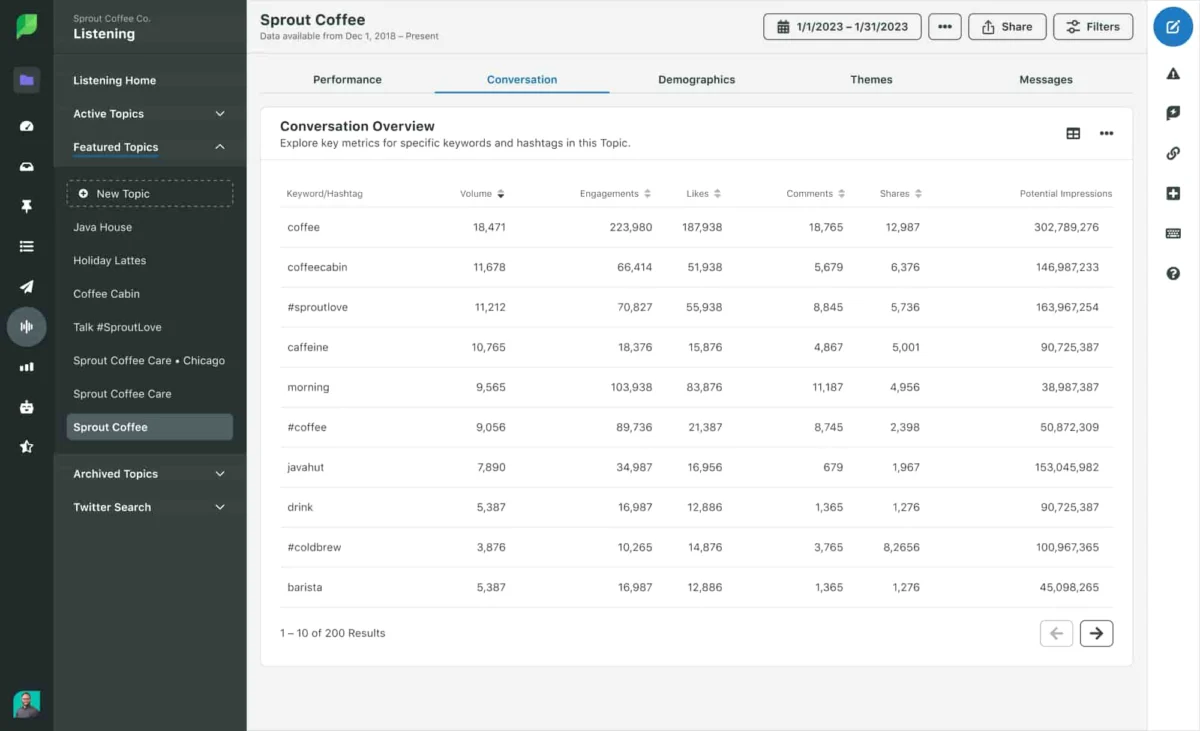
Artificial intelligence has evolved from a buzzword into the operational backbone of modern social media marketing. For today’s brands, the ability to connect with audiences is no longer just about creativity; it is about the speed and precision of data processing. By leveraging AI-powered marketing tools, teams are transforming from reactive content producers into proactive, data-driven strategists, capable of decoding cultural shifts and consumer sentiment in real time.

The Main Facts: AI as a Catalyst for Growth
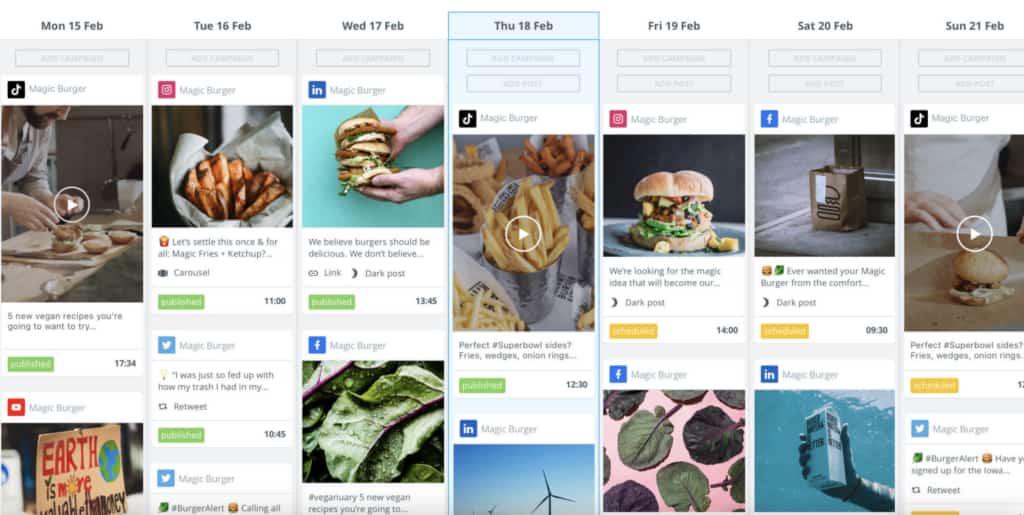
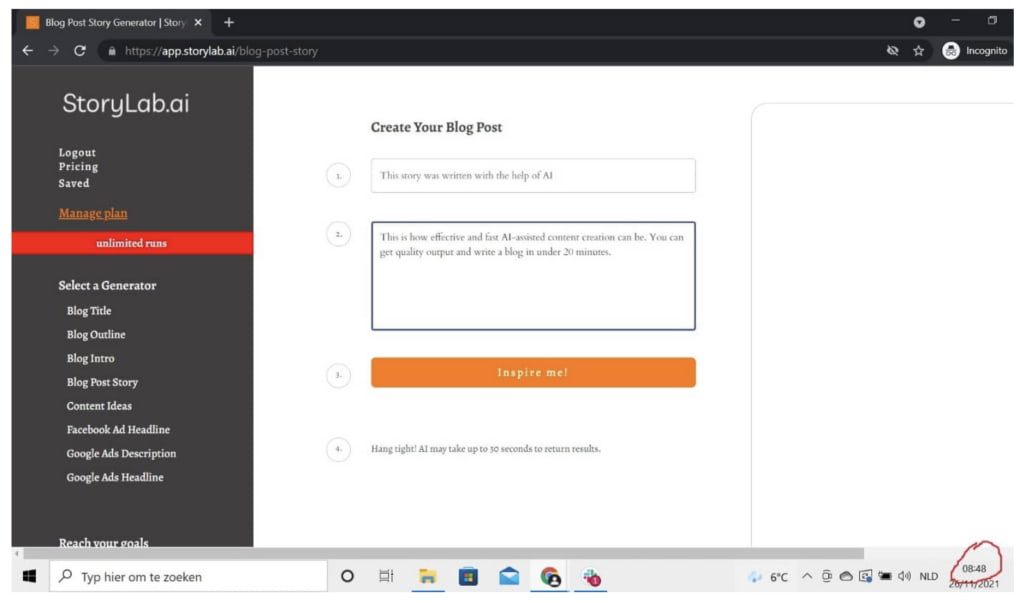
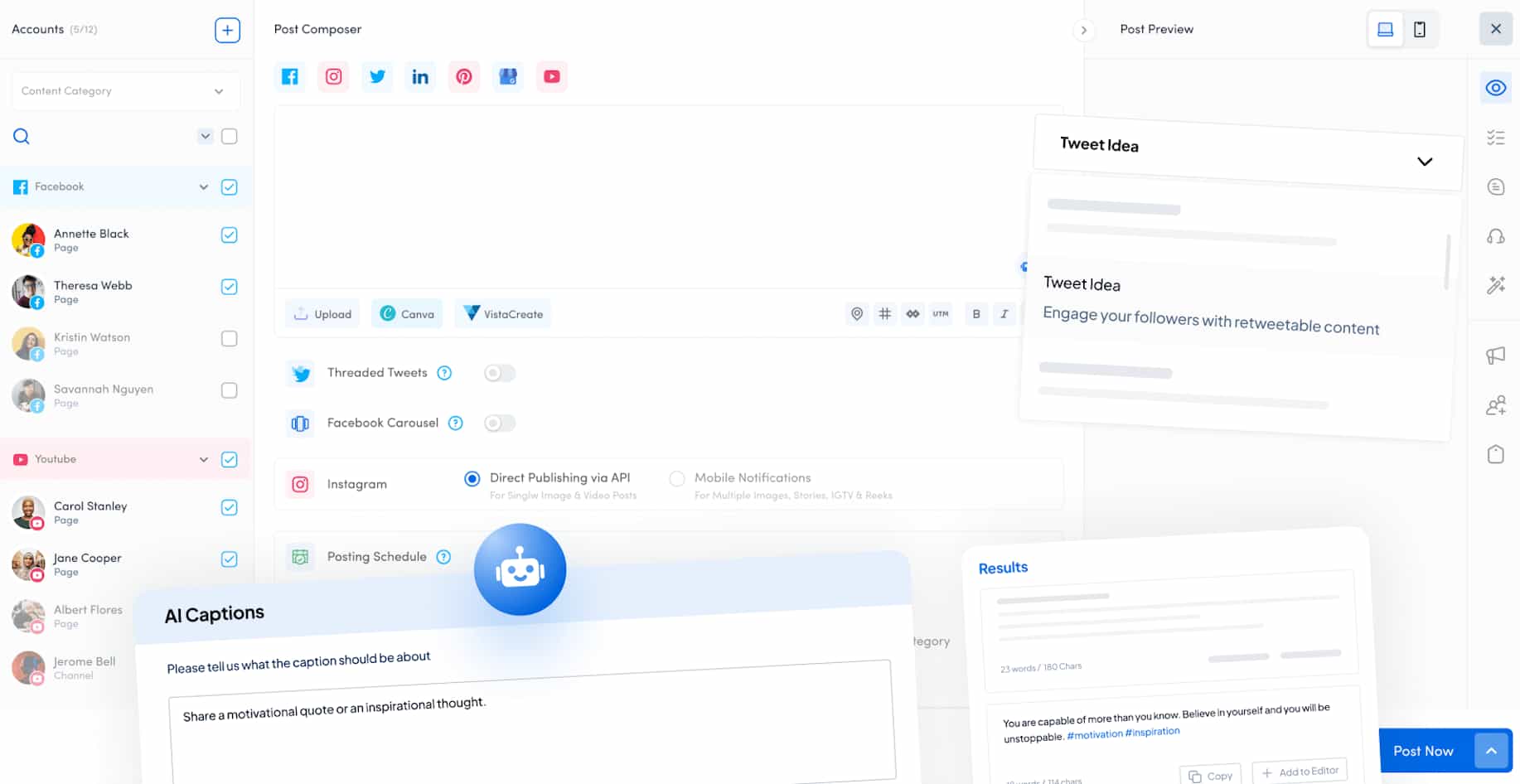
At its core, AI integration in social media provides three critical advantages: efficiency, personalization, and predictive intelligence. By automating repetitive tasks—such as scheduling posts, triaging customer support tickets, and drafting captions—AI frees marketing professionals to focus on high-level campaign architecture.
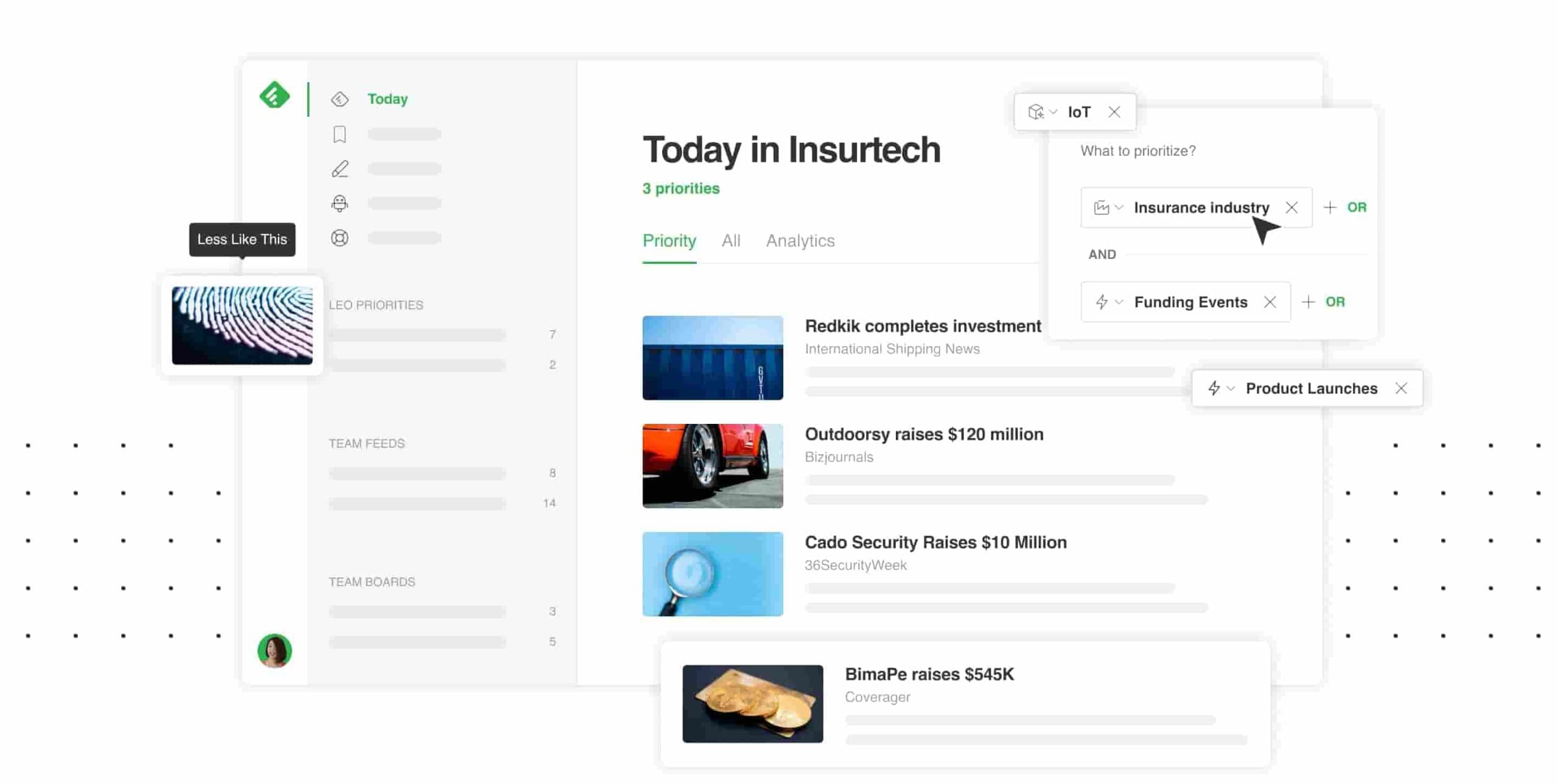
More importantly, AI provides a layer of "social intelligence" that human analysts cannot replicate at scale. By analyzing millions of data points across platforms like X, LinkedIn, Instagram, and Reddit, AI tools allow brands to identify emerging trends before they reach the mainstream. This allows companies to fine-tune their messaging, pivot ad strategies, and meet the "unspoken" needs of their community with unprecedented accuracy.
Chronology: The Evolution of Social Media AI
The trajectory of AI in social media has moved through three distinct phases:
- The Era of Automation (2015–2019): Early adoption centered on simple chatbots and basic post-scheduling automation. The focus was purely on time-saving.
- The Era of Analytics (2020–2023): As social platforms became noisier, tools began integrating sentiment analysis and natural language processing (NLP) to help brands understand not just if people were talking, but how they were feeling.
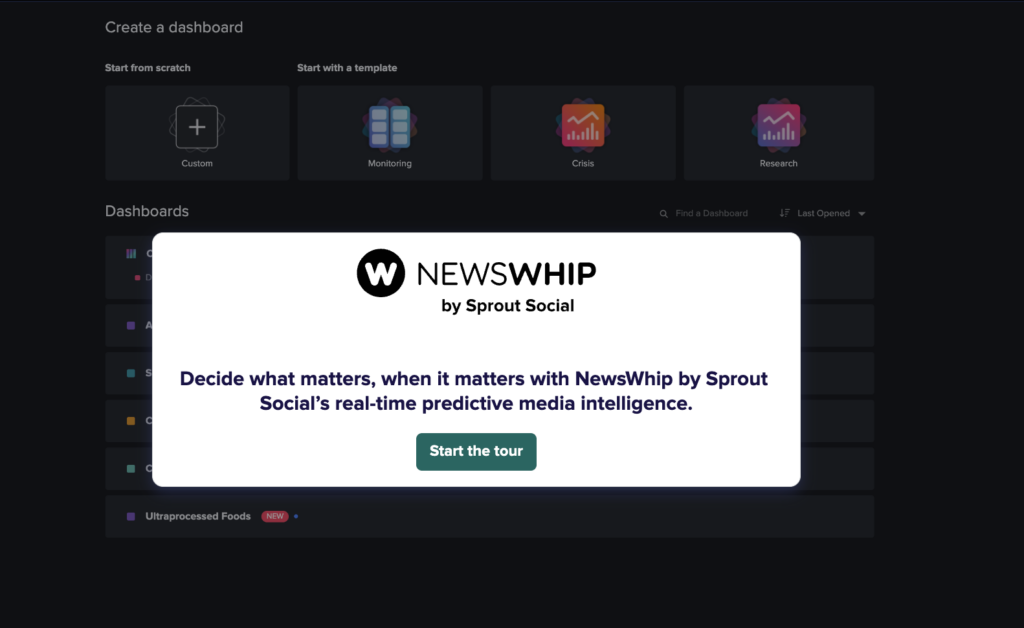
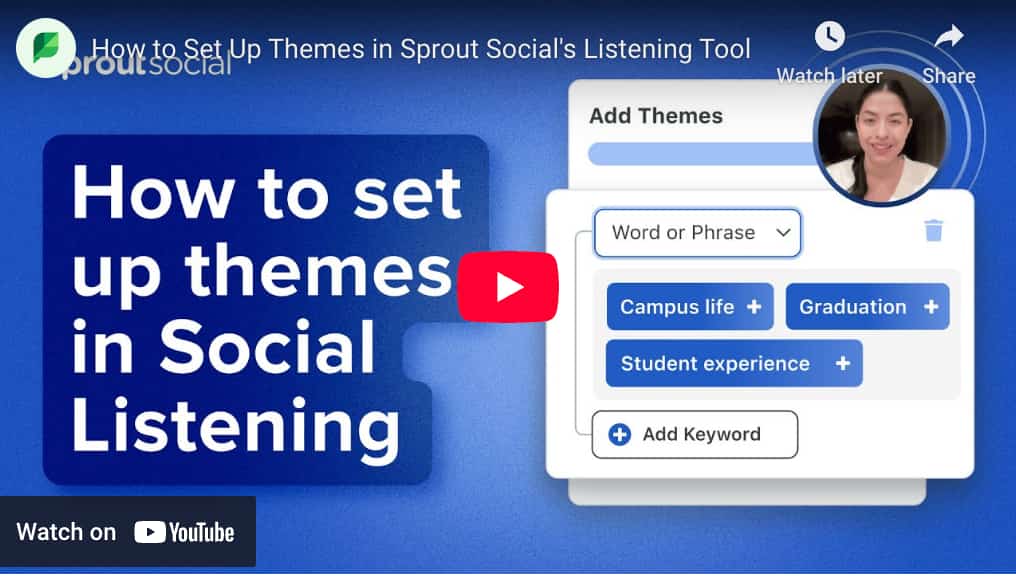
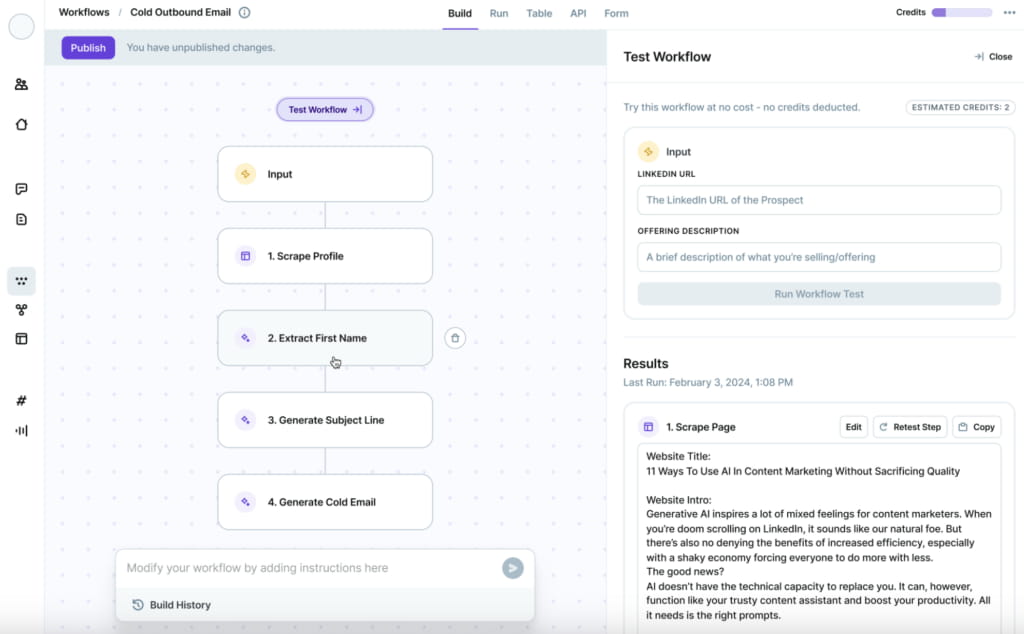
- The Era of Generative and Agentic AI (2024–Present): We are now in the age of generative creative support and autonomous agents. Platforms like Sprout Social have introduced "agentic AI"—systems that can perform tasks, such as monitoring market shifts or predicting news cycles, without constant human prompts.
Supporting Data: Why AI is No Longer Optional
The pressure to adopt these technologies is driven by consumer behavior. According to The 2025 Sprout Social Index™, nearly 75% of consumers expect a response to their inquiries within 24 hours. Without AI-assisted triage, meeting this demand is physically impossible for most teams.
Furthermore, the impact on ROI is becoming impossible to ignore. A 2025 Forrester Consulting study on the Total Economic Impact™ of Sprout Social revealed that organizations leveraging AI-driven social management saw a 268% return on investment over three years, with measurable gains of $1.31 million. When you factor in the 170% growth in audience reach seen by early adopters—such as the Atlanta Hawks during their data-backed All-Star Weekend campaign—the argument for AI investment becomes a matter of fiscal responsibility.

Practical Applications: 9 Pillars of Success
To successfully implement AI, brands must move beyond surface-level usage. The following strategies are the industry standards for competitive social teams:
1. Advanced Social Listening
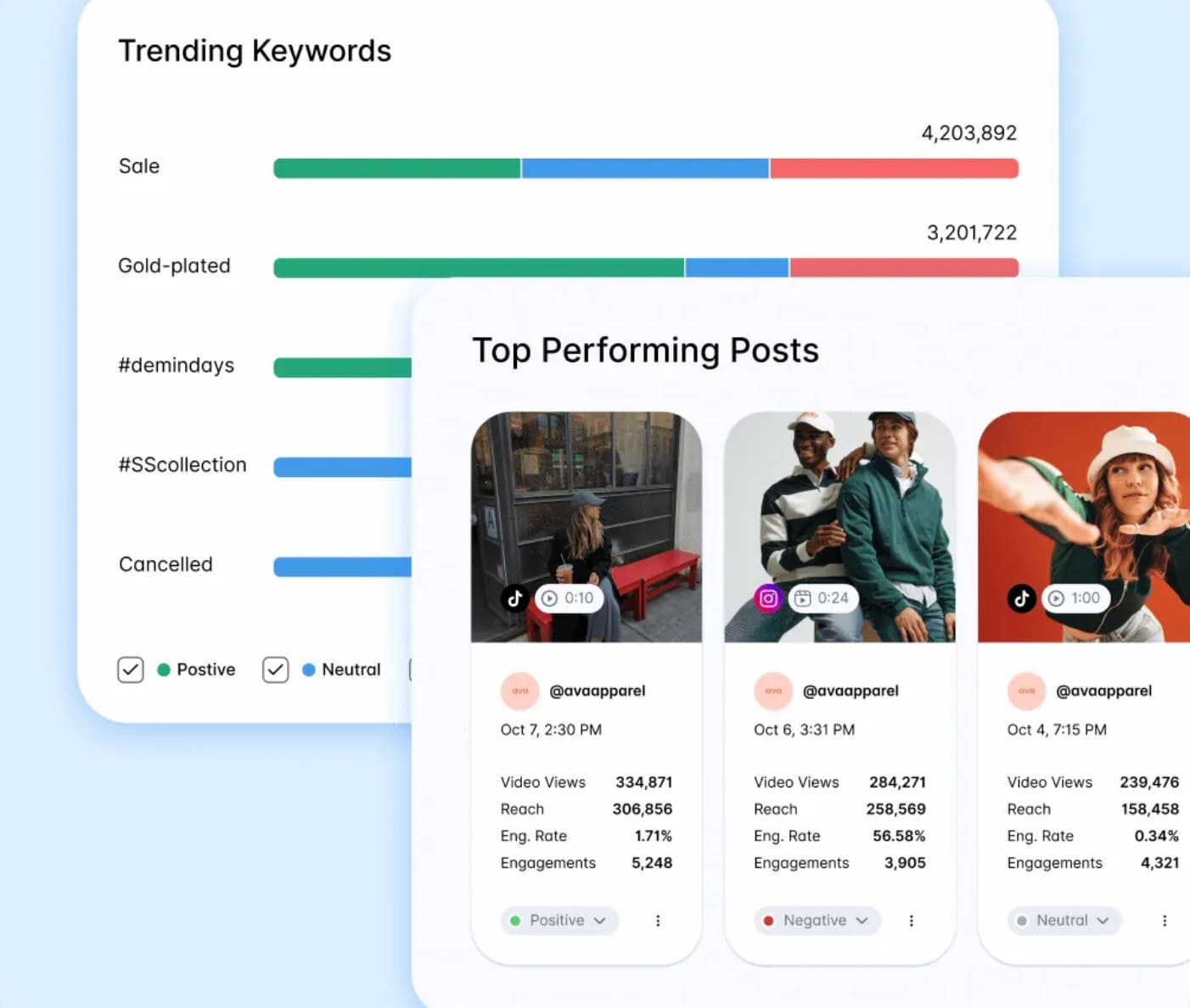
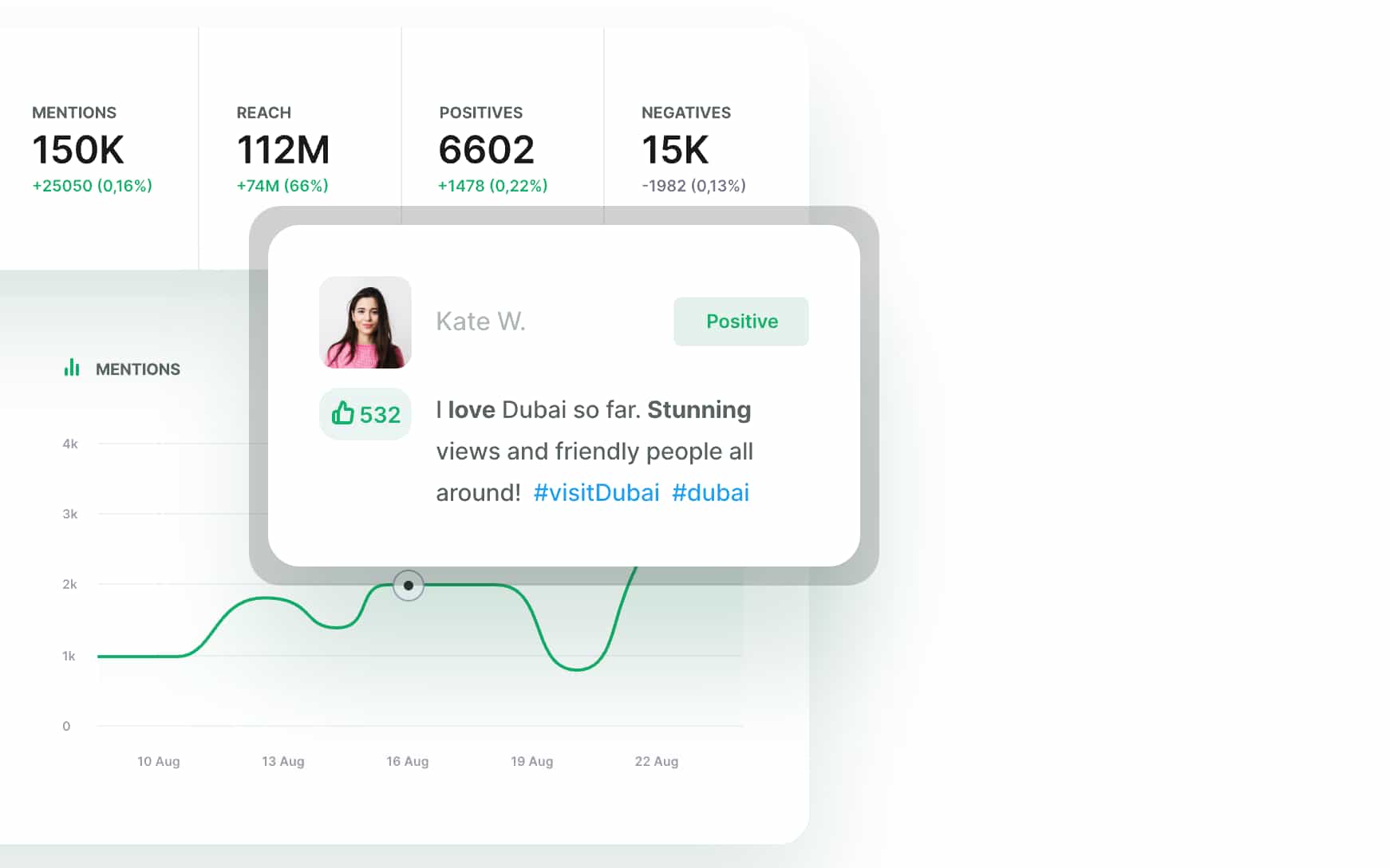
Modern listening tools use machine learning to scan forums and review sites like Trustpilot, identifying consumer pain points and peak engagement times. By utilizing tools like Sprout’s "Recommend by AI Assist," brands can capture the right audience insights from a massive ocean of data.
2. Streamlined Content Curation
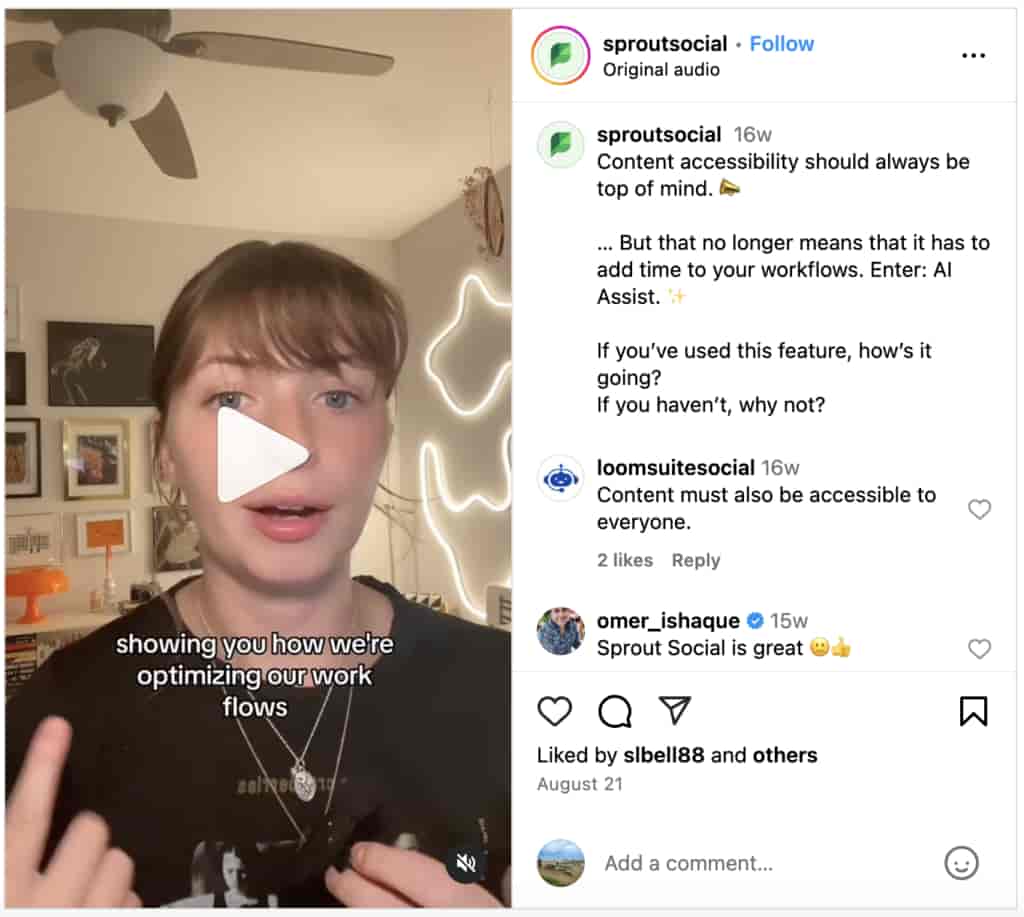
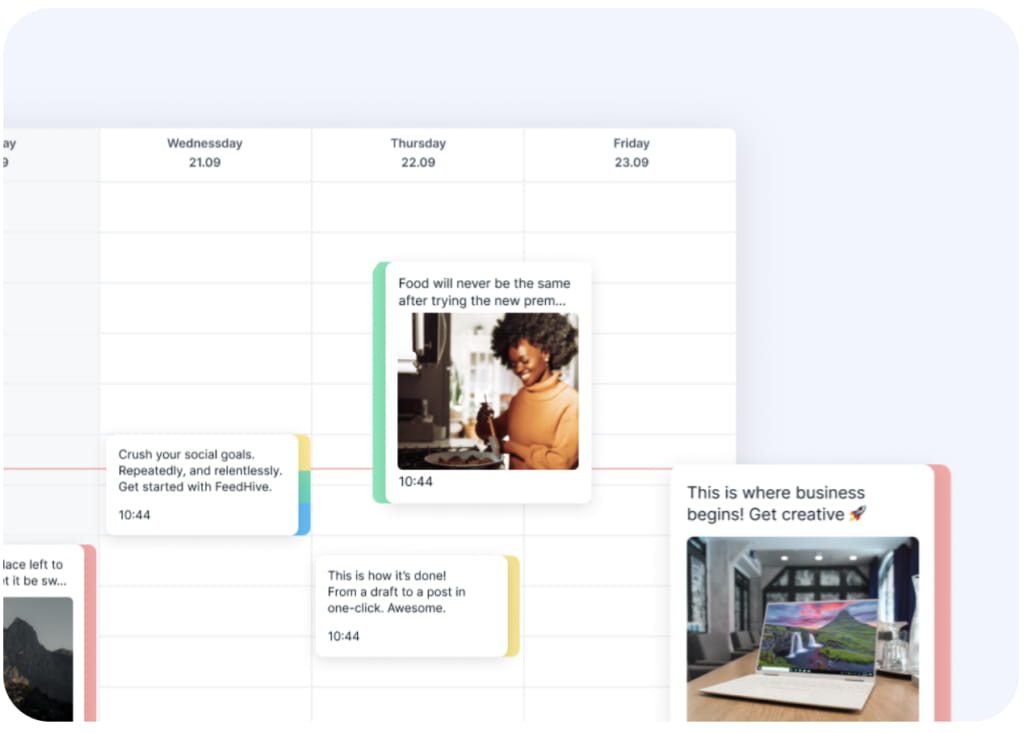
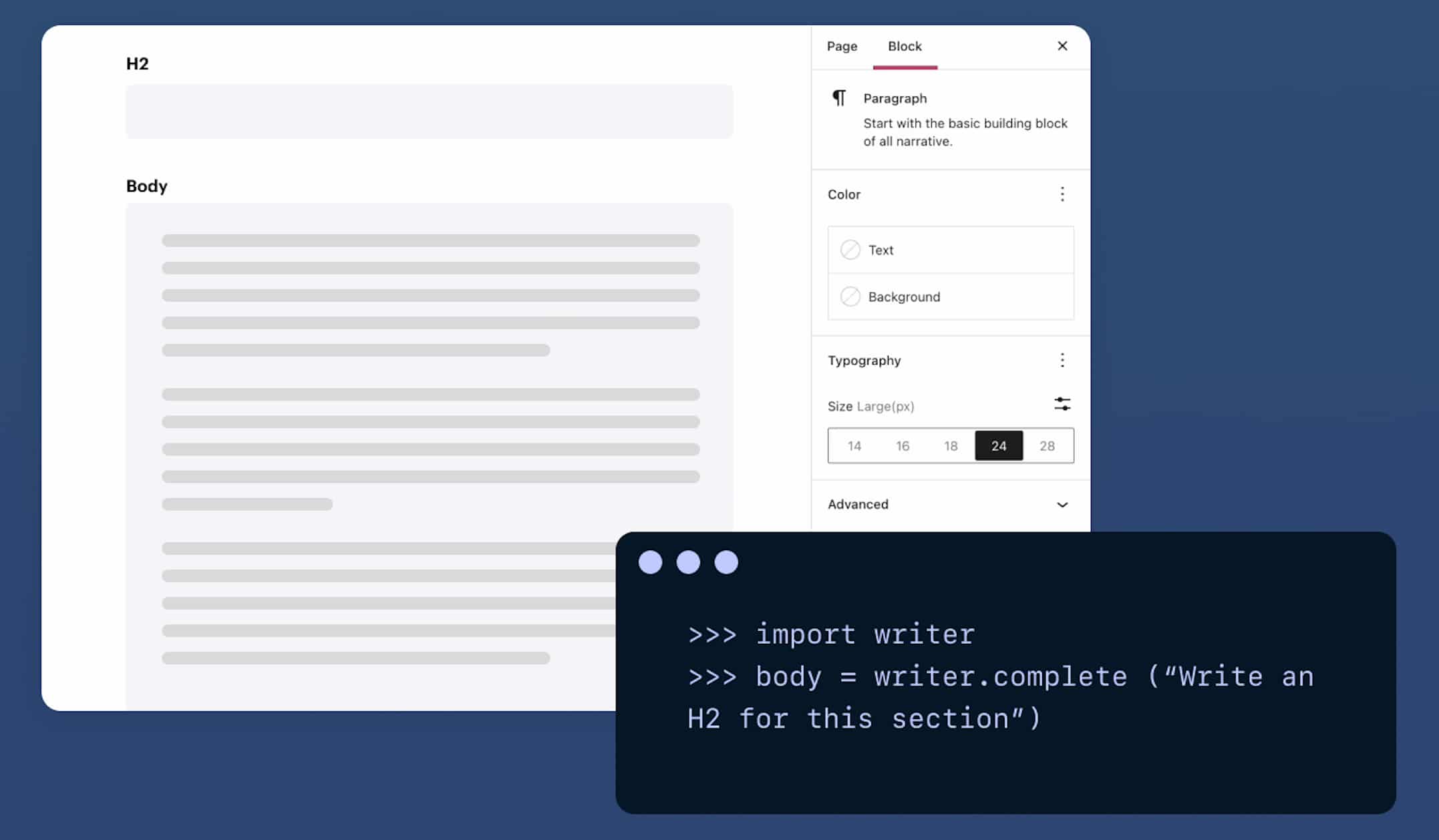
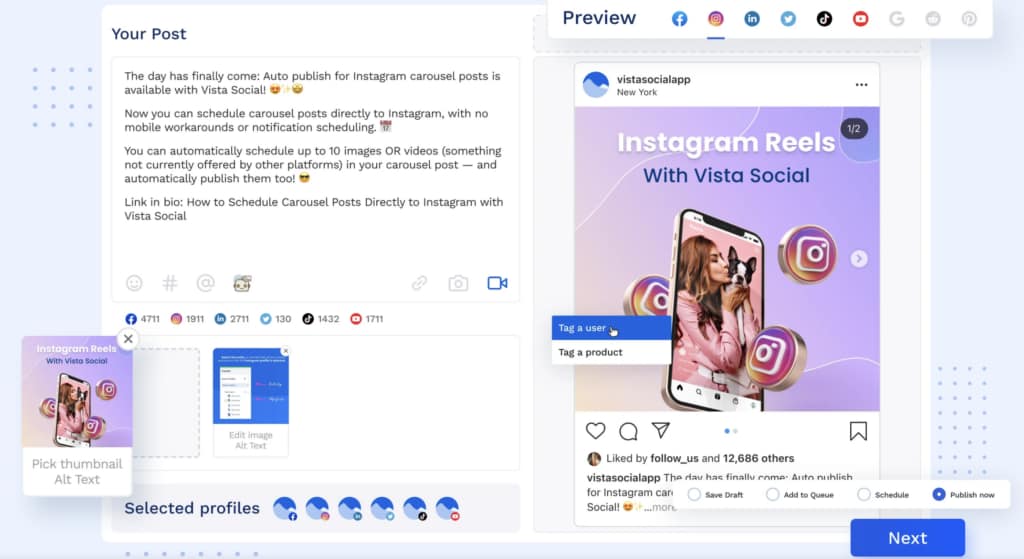
AI is no longer just for writing; it is for managing the lifecycle of an asset. From generating image alt-text for accessibility to suggesting hashtags that maximize discoverability, AI ensures that content is optimized for every specific platform algorithm.
3. Hyper-Personalized Experiences
Using past interaction data, brands can now customize ads and content to match specific user personas. This level of tailoring is directly correlated with higher conversion rates and deeper community loyalty.
4. Dynamic Ad Targeting (DCO)
Dynamic Creative Optimization allows AI to test multiple variations of an ad—changing headlines, imagery, and CTAs in real-time—to determine which combination performs best for each unique audience segment.
5. Enhanced Customer Care
By prioritizing tickets based on sentiment and context, AI ensures that urgent issues are addressed before they escalate into PR crises. This creates a "hub of satisfaction" that builds long-term brand equity.

6. Sentiment Analysis
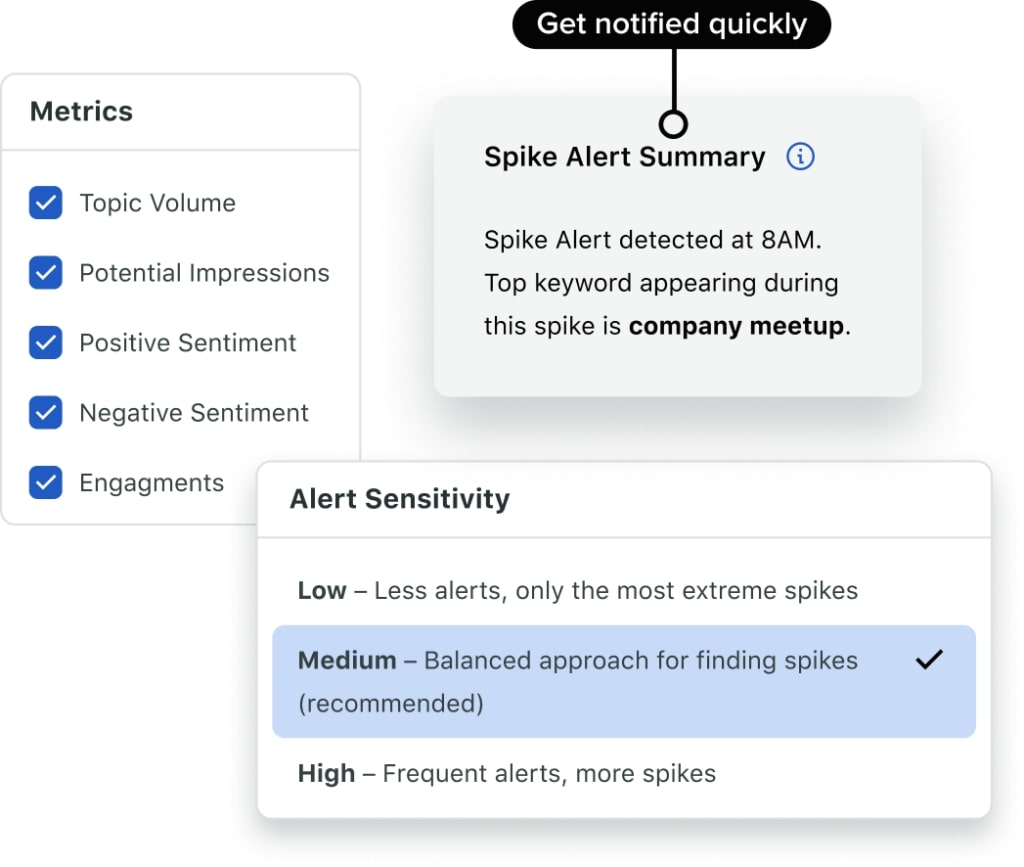
AI-driven sentiment monitoring acts as a continuous "gut check" on brand health. Spike alerts notify teams the moment negative sentiment surges, allowing for rapid damage control.
7. Influencer Alignment
With 49% of consumers making monthly purchases based on influencer recommendations, finding the right partner is vital. AI tools analyze demographics and audience alignment to ensure influencer partnerships are authentic and high-performing.
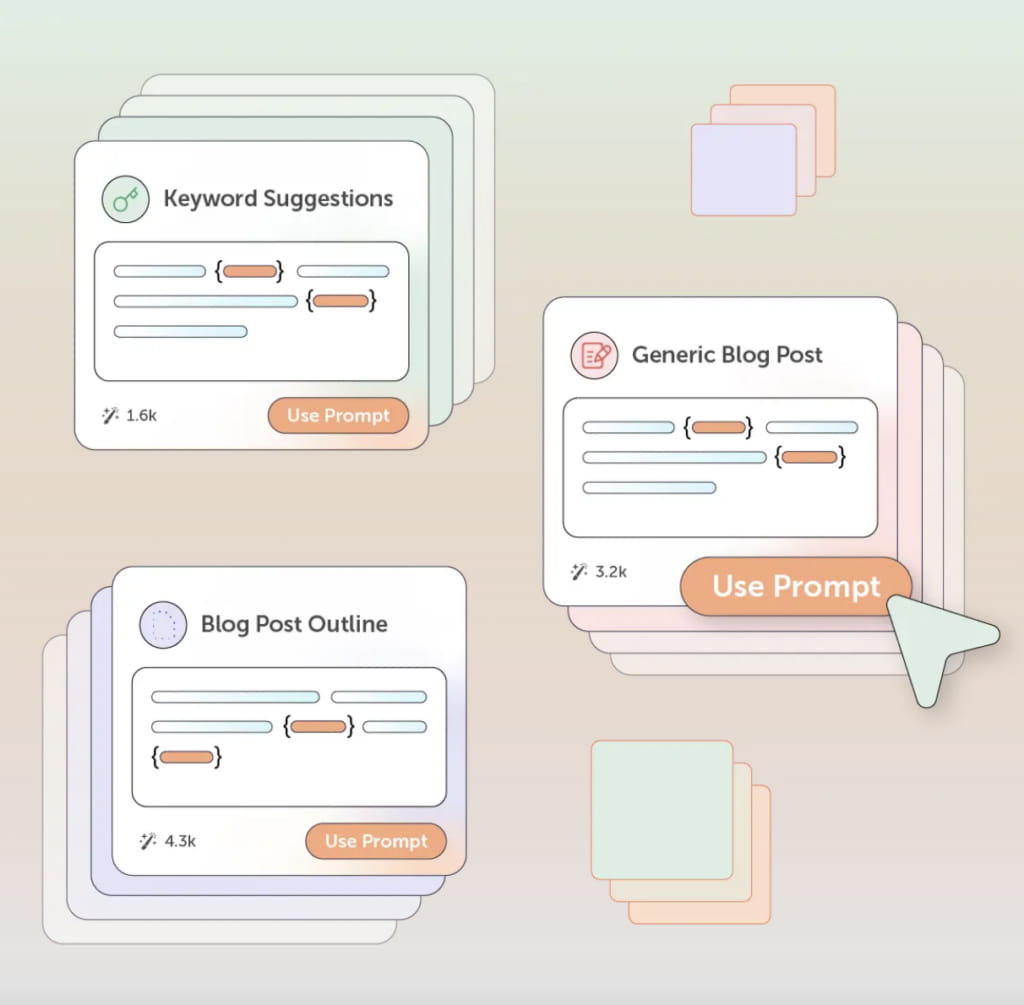
8. Competitive Benchmarking
AI enables brands to decode competitor strategies by analyzing their share of voice and engagement metrics, highlighting where competitors are failing and where opportunities exist to differentiate.
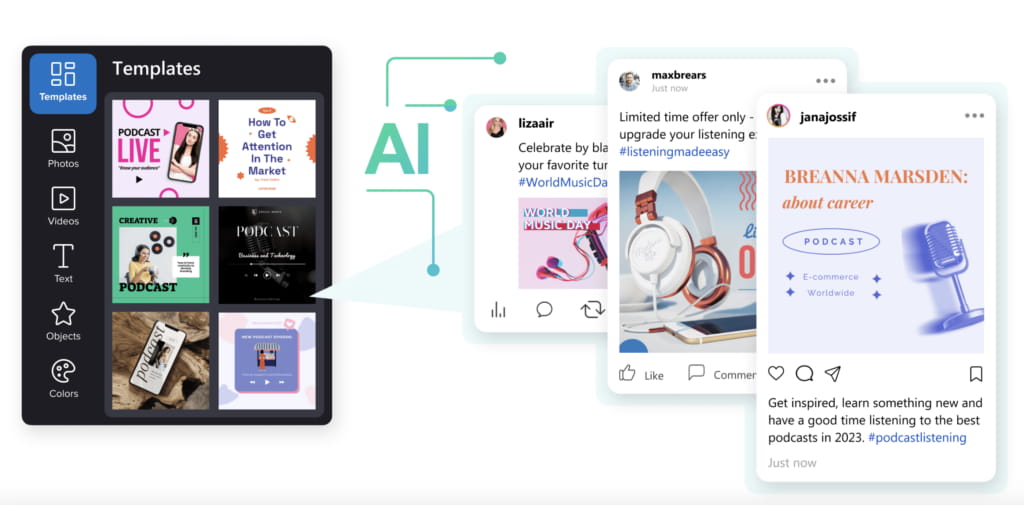
9. Continuous Optimization
A/B testing is now automated. AI suggests improvements for content based on historical performance, ensuring that every post is stronger than the last.
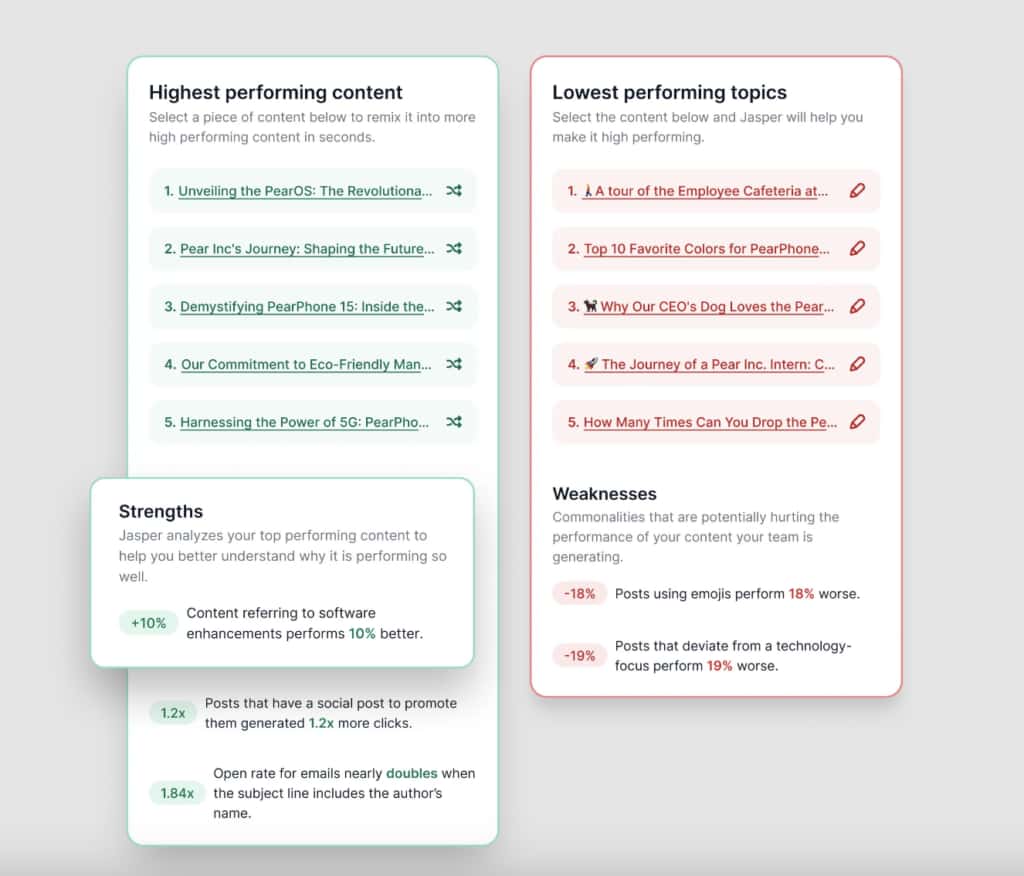
The Future: Personalization and Safety
The next frontier of AI social media marketing involves deeper, more immersive experiences. As machine learning models become more sophisticated, we can expect:
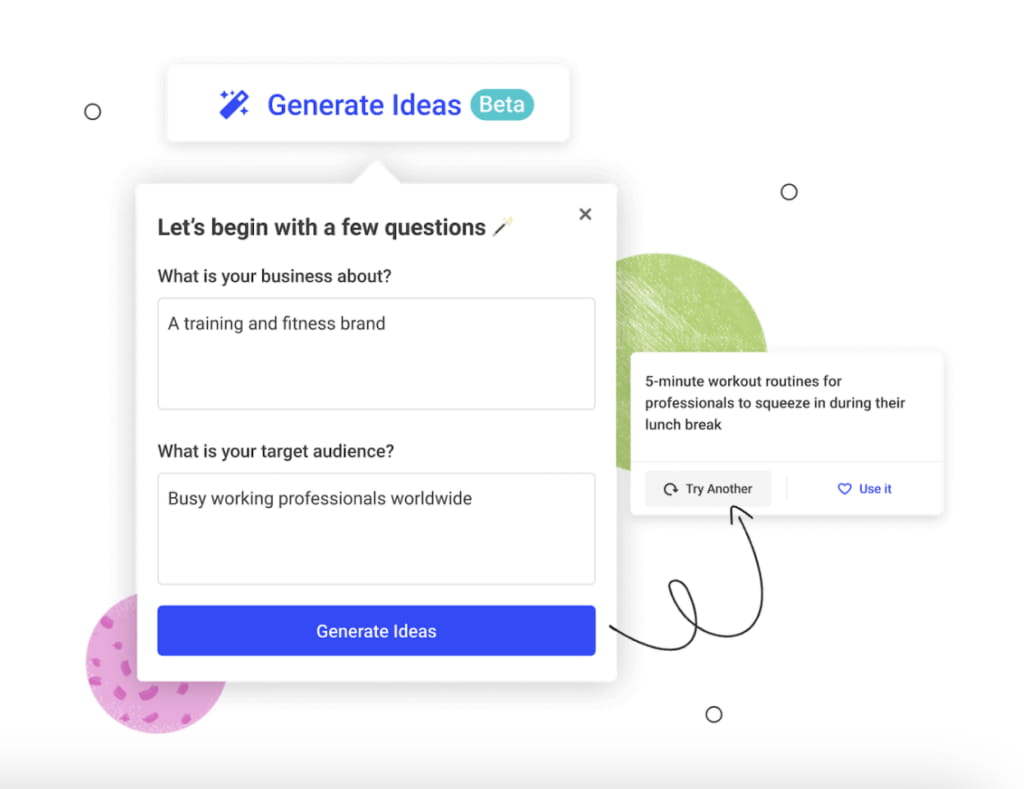
- Customized Reality: Augmented and virtual reality elements will be automatically tailored to individual user preferences.
- Predictive News Monitoring: Agents like NewsWhip by Sprout Social will forecast how news stories scale, allowing communications teams to get ahead of high-velocity narratives.
- Proactive Moderation: Using advanced NLP, AI will be tasked with creating safer environments by identifying and filtering out misinformation and harassment at lightning speed.
Official Industry Perspectives
Leading platforms emphasize that AI is not a replacement for human creativity; it is a force multiplier. "Sprout Social," for instance, positions its AI agent, Trellis, as an autonomous analyst that shifts the workload from passive data gathering to proactive strategy. By integrating these tools, leaders are empowering their teams to move away from the "noise" of daily social management and toward the "signal" of meaningful brand connection.
Implications for the Modern Marketer
The shift toward AI-integrated social media has profound implications for how teams are structured. The "Social Manager" of the future is a "Social Strategist"—someone who directs AI agents, interprets complex datasets, and focuses on the human nuances that AI cannot yet replicate: empathy, ethics, and long-term brand narrative.
Brands that resist this shift risk falling into a state of "digital invisibility," where they are unable to keep pace with the real-time needs of their audience or the sophisticated targeting of their competitors. Conversely, those that embrace AI will find themselves with the bandwidth to foster genuine, empathetic connections at a global scale.
As we look toward the latter half of the decade, the integration of AI will not be considered a "technological upgrade"—it will be the baseline requirement for market survival. Whether through optimizing send times with ViralPost® or deploying sentiment mining to protect brand reputation, the tools exist to turn social media into the most powerful engine for business growth in history.

Frequently Asked Questions (FAQs)
Q: Are there risks to using AI for social media?
A: Yes, primarily concerning brand voice and data privacy. It is essential to maintain a strict AI usage policy, ensuring that AI-generated content is reviewed by human editors to ensure it aligns with your brand’s specific tone and values.
Q: Will AI replace human social media managers?
A: No. AI replaces the tasks of the social media manager, not the manager themselves. The human element—strategy, creative vision, and emotional intelligence—remains the most critical component of a successful brand presence.
Q: How do I choose the right AI tool?
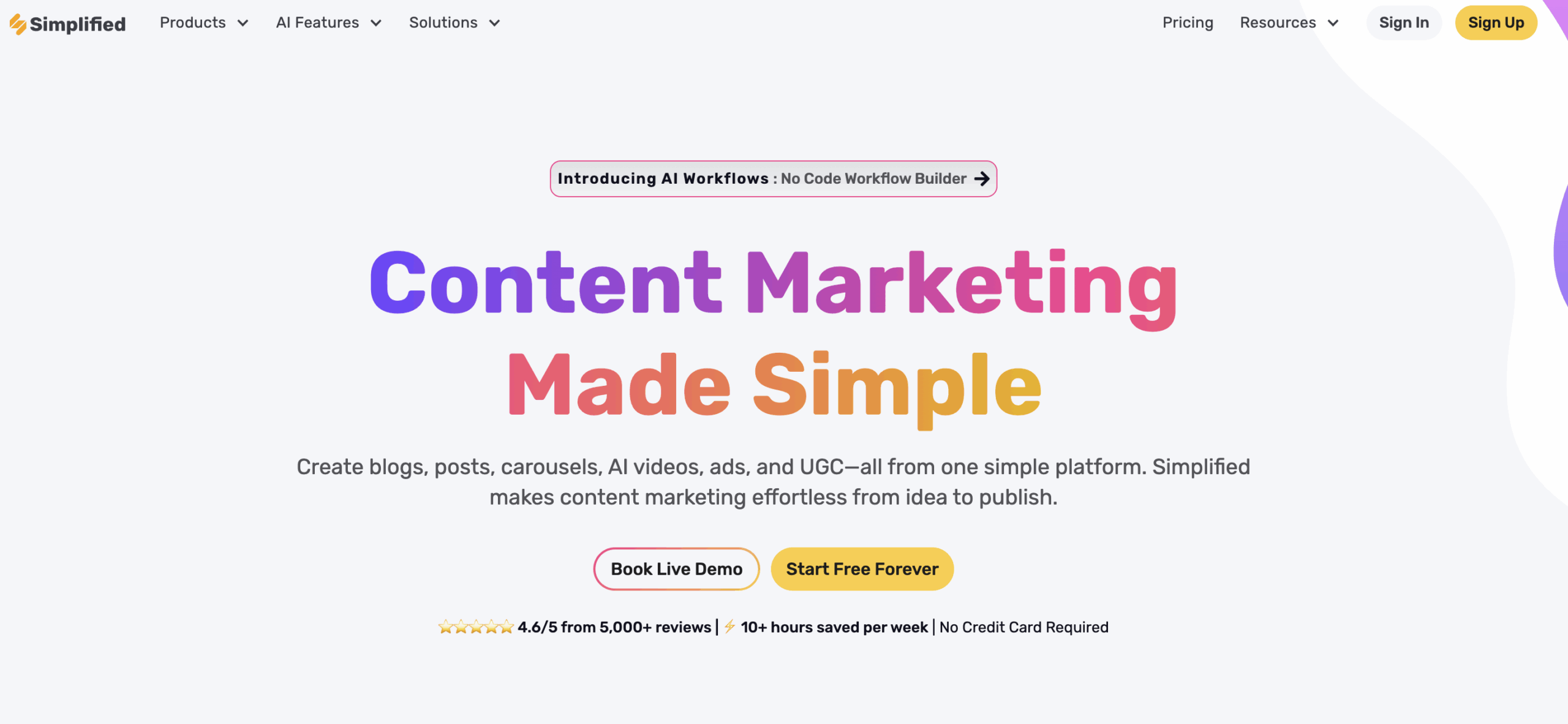
A: Start by auditing your current pain points. If your team is struggling with volume, prioritize AI-driven engagement tools. If your team is struggling with strategy, prioritize AI-powered social listening and analytics. Always opt for platforms that offer free trials to test how the tool integrates with your specific workflow.

 Neng Nana
 Lina Irawan