Nana Muazin
The history of GPU releases is typically marked by a clear trajectory: new silicon arrives, benchmarks shatter previous records, and early adopters are rewarded with tangible, immediate performance gains. However, the lifecycle of Nvidia’s RTX 50 series has deviated from this standard script. Months after its high-profile launch, the series remains in an awkward, transitional state—one that feels less like a definitive leap forward and more like an extended, public-facing R&D project. For those who invested in the bleeding edge of Team Green’s latest architecture, the reality of the RTX 50 series has been a slow, uneven maturation process that leaves many wondering if the real prize is yet to come.
The Architecture of Anticipation: A Rough Launch
When Nvidia first unveiled the RTX 50 series, the marketing pitch was undeniably compelling. Promises of "Multi Frame Generation," advanced Ray Reconstruction, and the revolutionary "Neural Texture Compression" (NTC) painted a picture of a future where gaming fidelity would transcend the limitations of current hardware. On paper, it was the most ambitious roadmap the company had laid out in years.
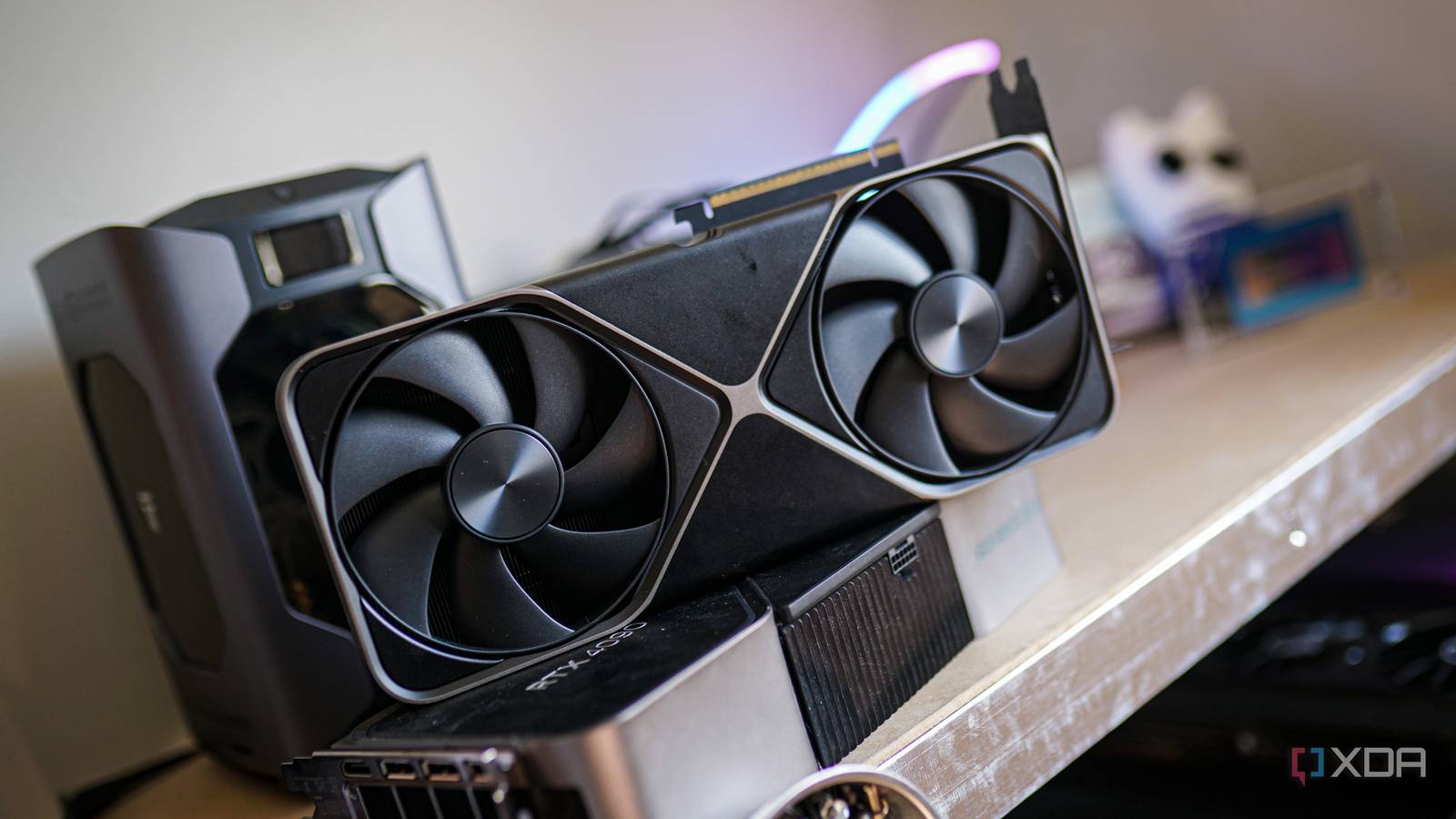
However, the launch reality was starkly different. The early implementation of Multi Frame Generation—the crown jewel of the series—was plagued by technical growing pains. Just as with the introduction of frame generation in the previous cycle, early adopters reported distracting visual artifacts, UI corruption, and latency issues that Nvidia’s Reflex technology struggled to mitigate in the initial months. What was meant to be a revolutionary performance multiplier felt, at times, like a work-in-progress, leaving users to navigate a landscape of driver-level instability.
Chronology of a Maturing Feature Set
The timeline of the RTX 50 series reveals a company playing catch-up with its own hardware.

- Launch Phase: Hardware reaches the market with "next-gen" marketing, but core software features—specifically refined Frame Generation and advanced Path Tracing stability—lag behind.
- The Mid-Cycle Correction: Through a series of iterative driver updates, Nvidia steadily smoothed out the rough edges. Artifacting was reduced, and latency management for 6x Frame Generation reached a level of parity with previous-gen performance.
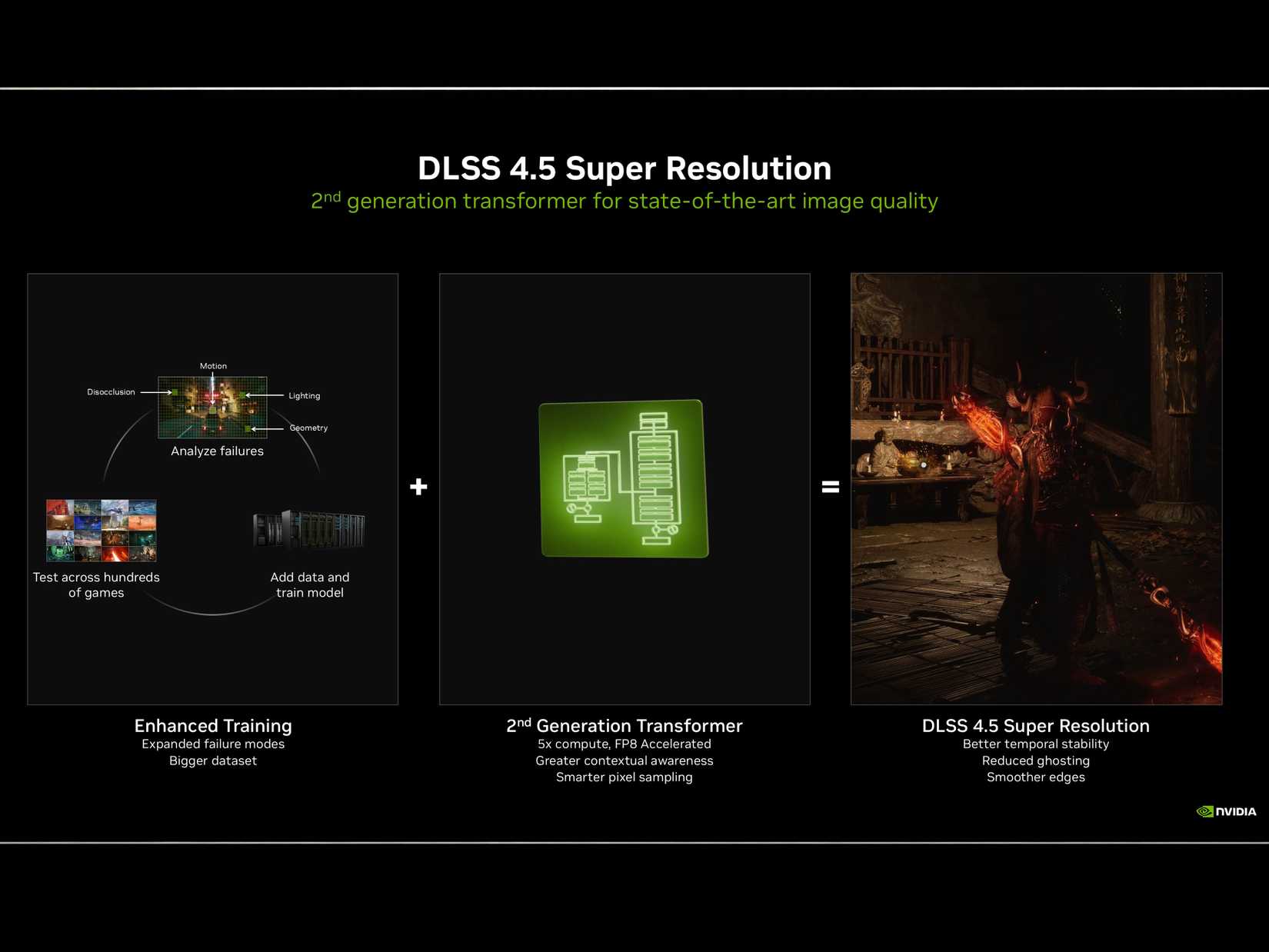
- The DLSS 4.5 Pivot: Approximately 18 months post-launch, the arrival of DLSS 4.5 alongside major driver updates for Ray Reconstruction has finally brought the image quality up to the standard initially promised.
- The Looming Horizon: As these features reach maturity, the industry is already shifting its gaze toward the upcoming Rubin-architecture RTX 60 series, rendering the current flagship’s "new" capabilities feel like a prelude to future perfection.
Supporting Data: The Disconnect Between Hardware and Reality
The frustration for many enthusiasts stems from the disparity between the RTX 50 series’ capabilities and the current gaming environment. According to the most recent Steam Hardware Survey data, the vast majority of the PC gaming population continues to play at 1080p and 1440p resolutions.
Nvidia’s latest technologies—particularly high-level Multi Frame Generation—are designed to solve the massive rendering overhead associated with 4K and beyond. At 1440p, an RTX 40-series card is already more than capable of delivering triple-digit frame rates. Consequently, the "value add" of the RTX 50 series is largely invisible to the average user. When the primary benefit of a multi-hundred-dollar upgrade is a feature set that only shines in a niche, high-resolution use case, the justification for the purchase becomes increasingly difficult to defend.
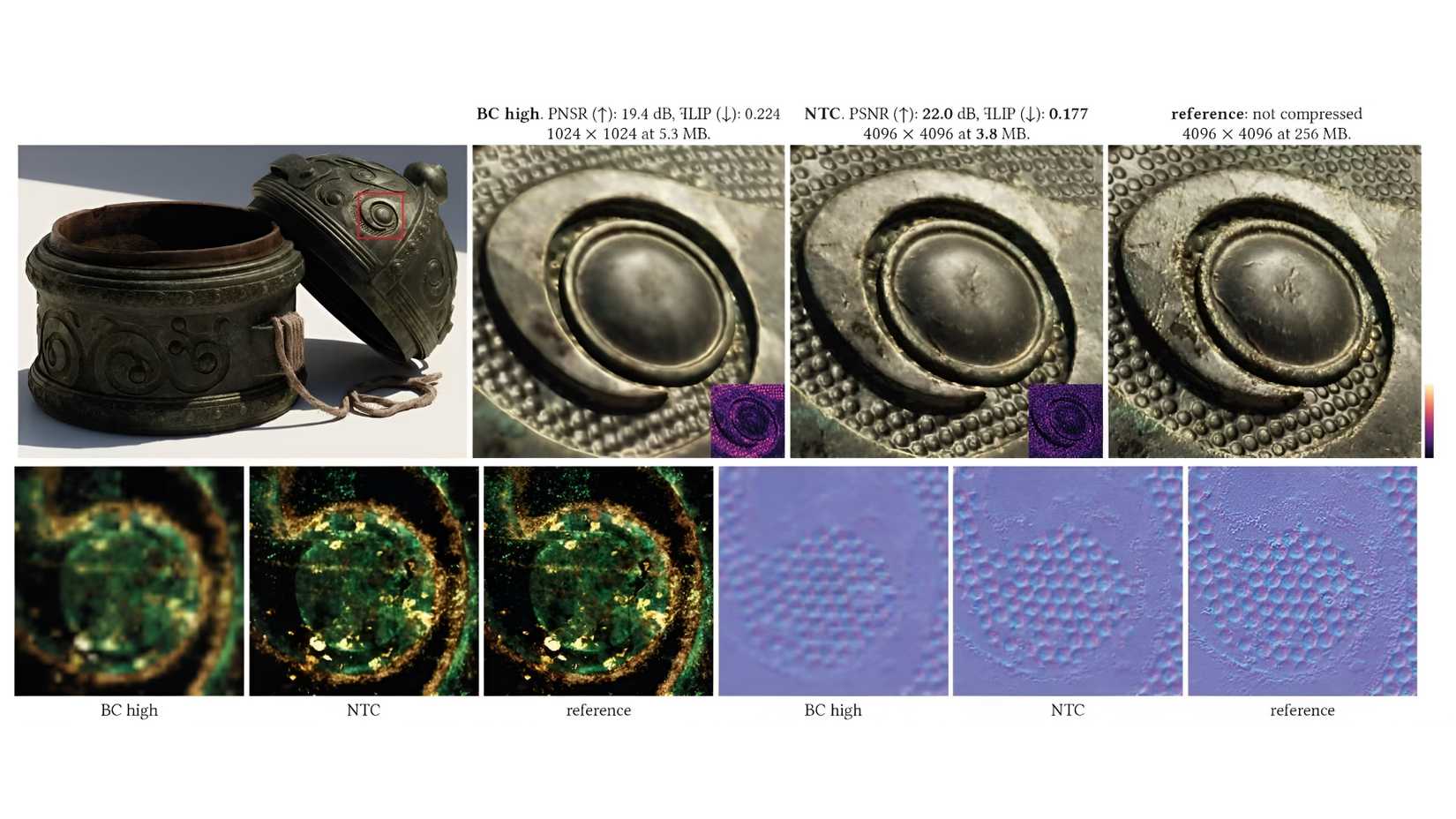
Furthermore, consider the implementation of Neural Texture Compression (NTC). This is perhaps the most exciting prospect in current graphics tech, utilizing Tensor Cores to manage VRAM more efficiently. Yet, NTC requires active, dedicated integration by game developers. Until widespread adoption occurs, those powerful Tensor Cores remain largely underutilized. We are in a "wait and see" pattern where the hardware is ready, but the software ecosystem is still catching up.
Official Stance and Market Response
Nvidia has remained characteristically confident in its long-term vision. Through its developer outreach programs and consistent, aggressive driver support, the company has maintained that the RTX 50 series is the foundation for the next decade of graphics rendering.
In internal communications and developer briefs, Nvidia emphasizes that "Path Tracing" is the final frontier. With the upcoming rollout of ReSTIR PT Enhanced, they argue that the RTX 50 series will see a 2x to 3x performance boost in path-traced environments. However, the "asterisk" in this narrative is the proximity of the RTX 60 series. The market response has been cautious; while enthusiasts acknowledge the engineering brilliance of the 50-series hardware, there is a palpable fatigue among those who feel they have paid to beta-test a product that will only be "complete" once the next generation of hardware arrives.
The Implications: Is the RTX 50 Series a Transitory Generation?
The overarching implication of this lifecycle is that the RTX 50 series may be remembered as a "bridge" generation. Historically, every few cycles, we see a shift where the hardware outpaces the software, forcing a period of adjustment.
For the RTX 40-series owner, the current landscape is surprisingly comfortable. With the refinements brought by DLSS 4.5 and the stability of mature drivers, the 40-series continues to punch well above its weight. It remains a capable, reliable, and high-performing option that lacks only the most extreme bleeding-edge features—features that, as noted, are currently struggling to justify their own existence in the mainstream.
For the RTX 50-series buyer, the implication is a sense of "early adopter tax." By the time the software ecosystem is fully optimized to take advantage of the 50-series’ architectural strengths, the hardware cycle will likely have already moved on to the RTX 60 series. This cycle risks alienating the very demographic that typically drives adoption: the power users who expect their hardware to be "future-proofed" from day one.
Conclusion: The Long View
Nvidia’s vision for the future—one defined by neural-accelerated textures, multi-frame generation, and full-scale path tracing—is compelling. There is no doubt that these technologies will define the medium for the next several years. The RTX 50 series is an essential step in that journey, serving as the proving ground for these nascent technologies.
However, looking back on this period, it is unlikely the RTX 50 series will be heralded as the "classic" generation that changed everything. Instead, it will be viewed as the necessary, albeit awkward, transitionary step that allowed Nvidia to refine its software and developer pipelines. It was the generation that prepared the world for what was to come, rather than the generation that fully realized the dream. For gamers, the lesson remains clear: while the future of graphics is undeniably bright, the hardware that delivers it is often at its best when it arrives, not when it is first promised.


 Raul Delapena Setiawan
 Azzam Bilal Chamdy