Pevita Pearce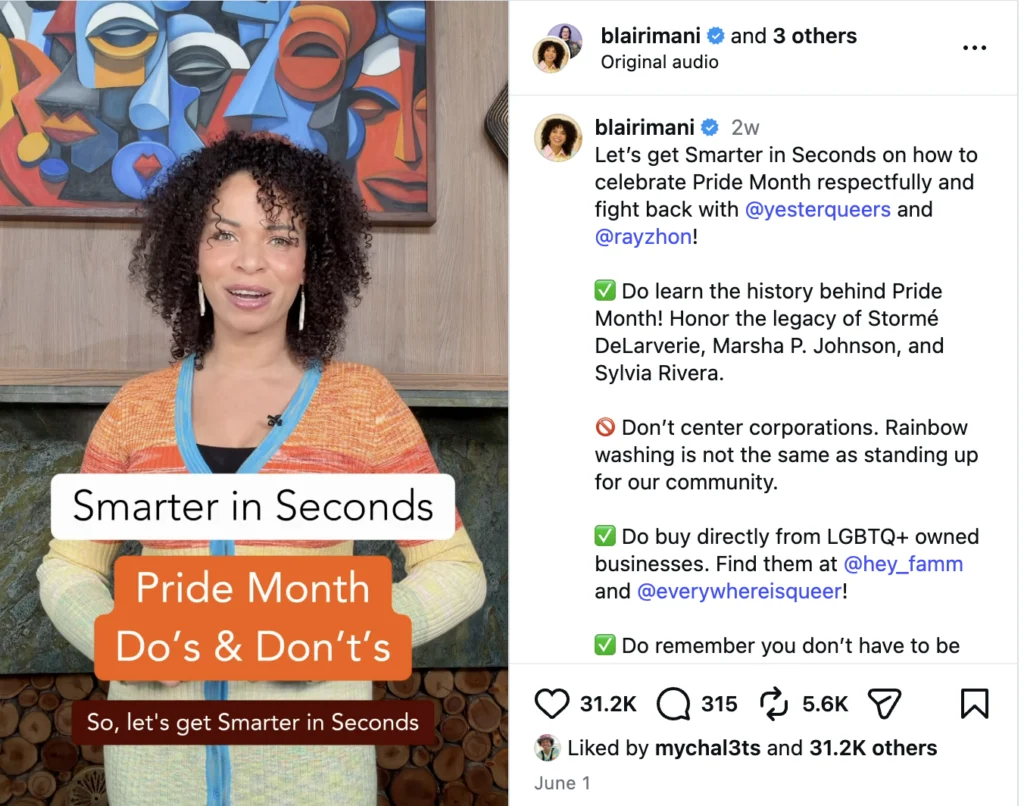
In the modern digital ecosystem, the line between personal brand and political entity has all but vanished. For the modern consumer, an influencer is no longer just a purveyor of lifestyle trends or consumer goods—they are expected to be moral compasses, sources of information, and agents of social change. As the call for influencer activism grows louder, marketers find themselves at a critical crossroads: how to harness the power of creator partnerships while navigating the minefield of sociopolitical volatility.
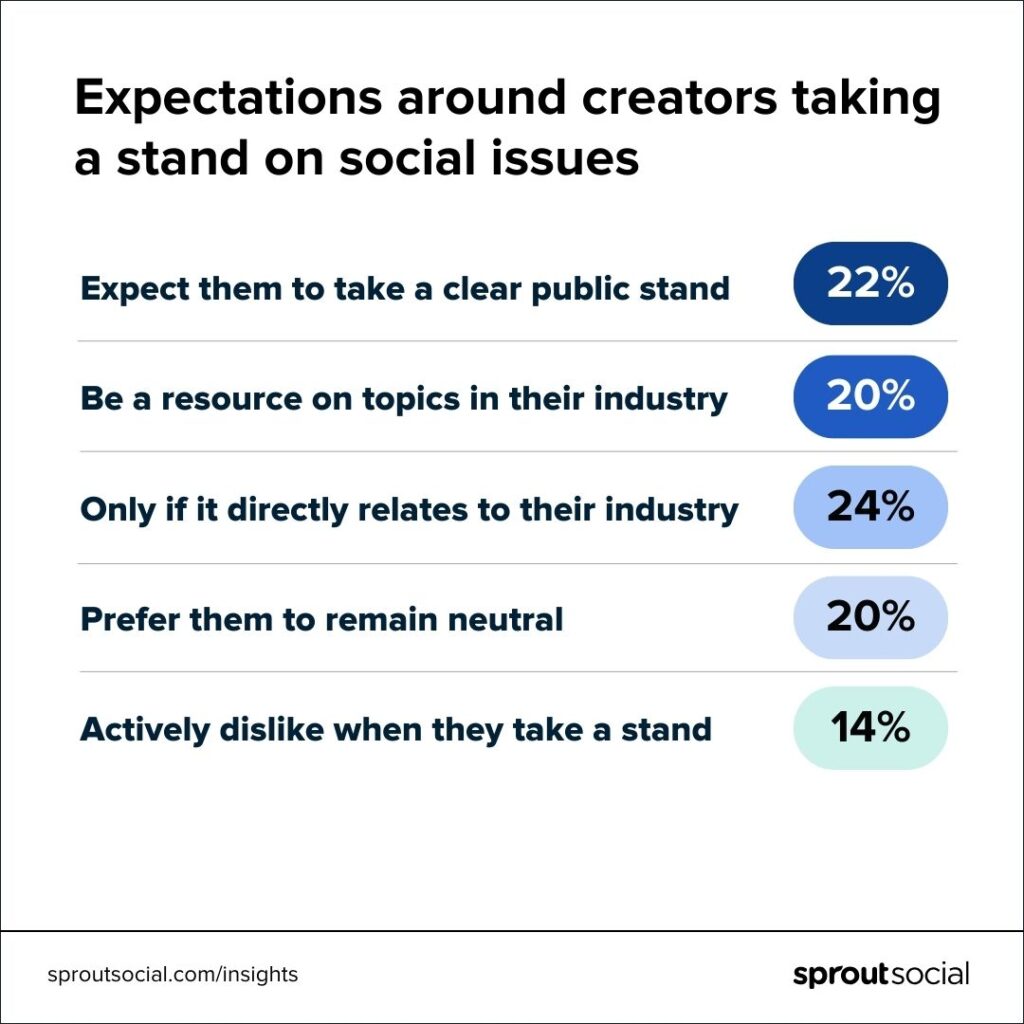
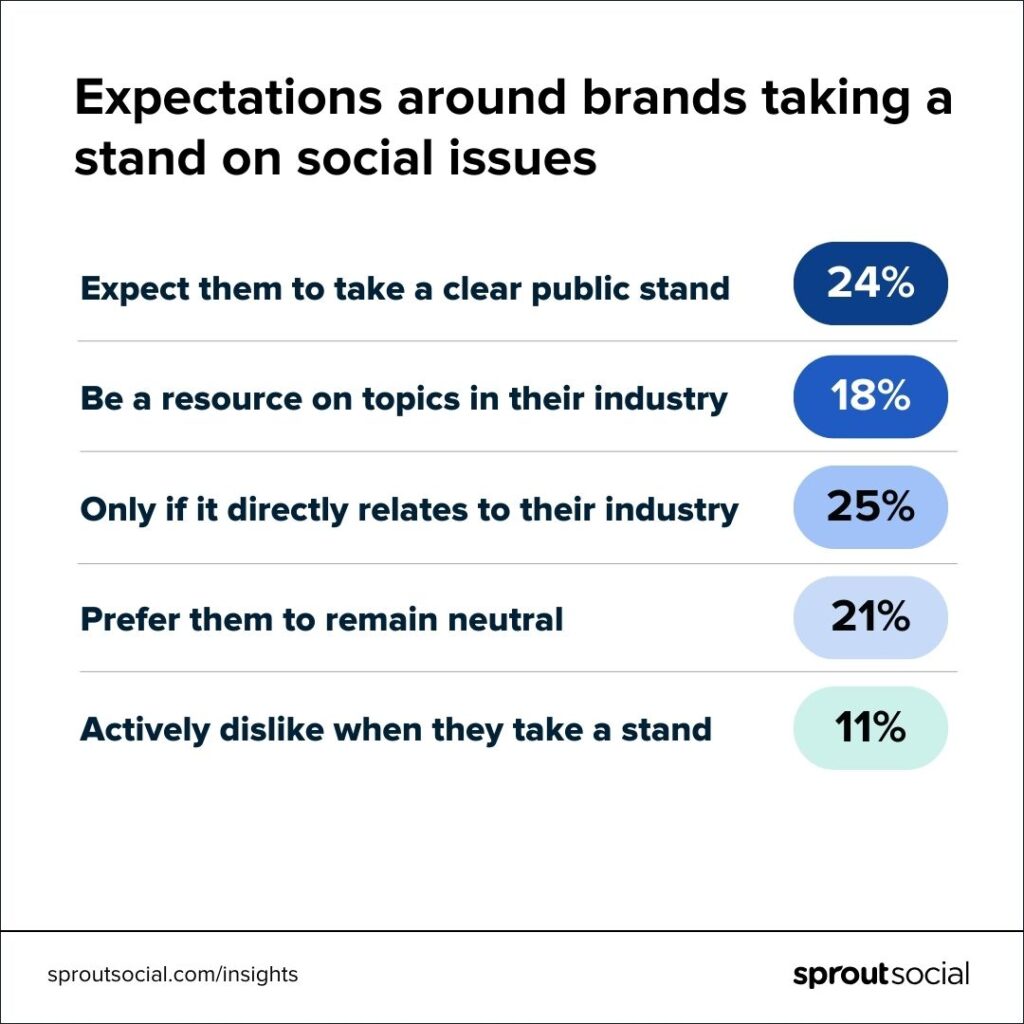
Recent data from a survey of 2,000 consumers reveals that nearly 50% of respondents expect influencers to speak out on social issues, particularly when those issues intersect with their industry or expertise. A further 20% now view creators as essential hubs for grassroots activism. For organizations, this is not merely a public relations challenge; it is a fundamental shift in the architecture of influencer marketing.
The Evolution of Expectation: A Chronology of Advocacy
To understand why the digital public square has become so fraught, one must look at the timeline of brand and creator expectations over the last decade.

2020: The Catalyst. The onset of the COVID-19 pandemic, coupled with the global mobilization surrounding the Black Lives Matter movement and a highly contentious U.S. election, forced a shift in the corporate zeitgeist. "Brand activism"—the practice of companies taking an explicit stance on social issues—transitioned from a niche corporate social responsibility (CSR) strategy to a non-negotiable consumer demand.
2021–2024: The Backlash. Many brands, in an effort to appear "on the right side of history," rushed to release statements. This led to an era of performative activism, where superficial engagement and "slacktivism"—posting hashtags without long-term follow-through—drew sharp criticism. Audiences became adept at spotting inauthentic messaging, leading to a period of fatigue.
2025–2026: The Renaissance of Authenticity. The current period marks a "Brand Activism Renaissance." The Q1 2026 Sprout Pulse Survey confirms that consumers are no longer content with silence. They are actively demanding that brands and their chosen partners take clear, defensible stances. The pendulum has swung from "say something about everything" to "take a meaningful stance on what you know."
The Anatomy of Influencer Activism
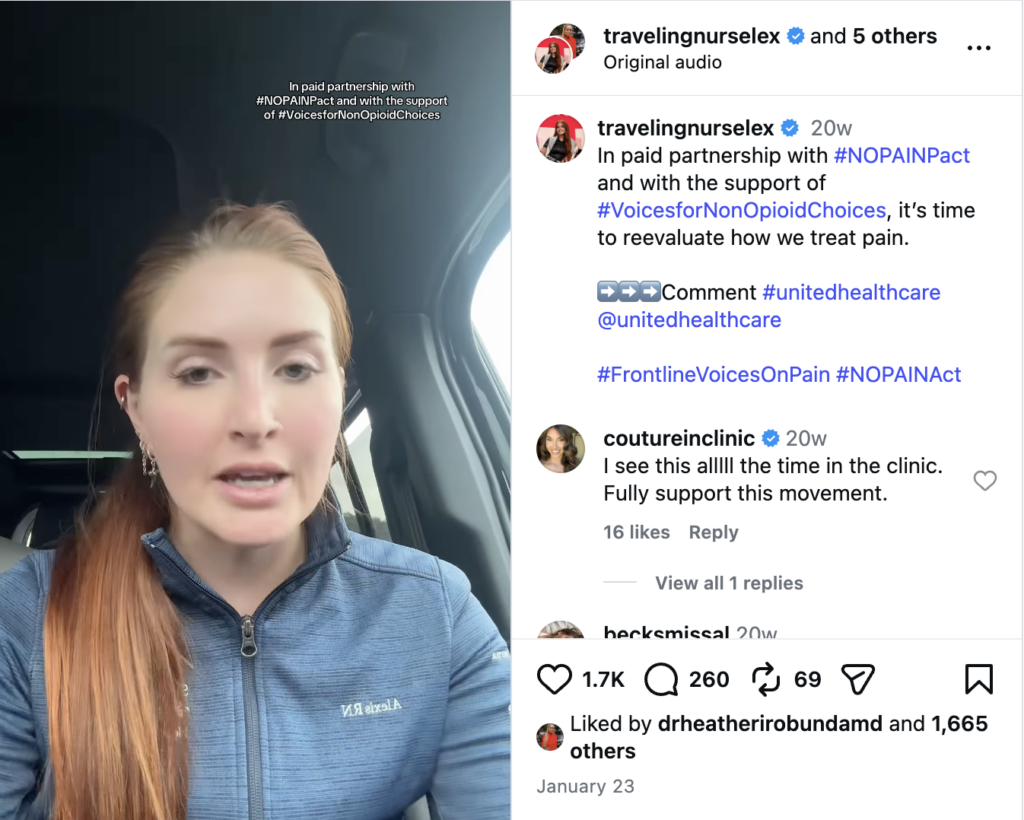
Influencer activism is defined by the use of social media platforms to campaign for political, social, or environmental change. Effective activism often involves collaborations with nonprofits to mobilize followers toward tangible outcomes—such as signing petitions, participating in direct action, or shifting lifestyle behaviors.
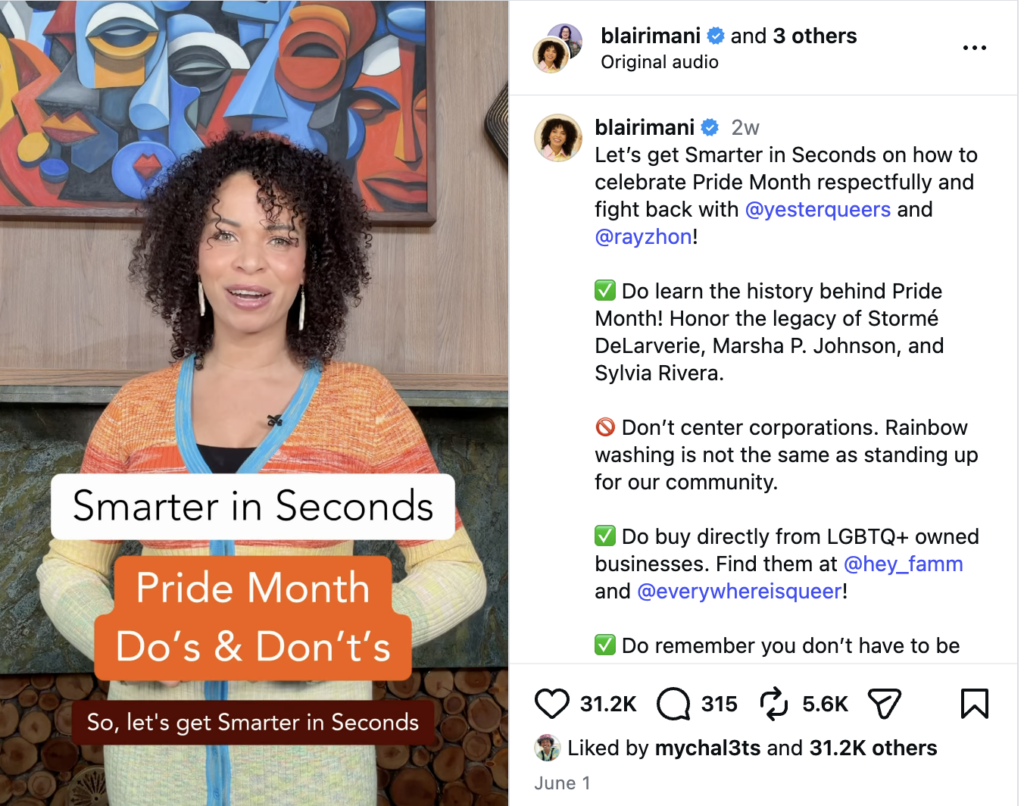
A prime example of this is the creator Blair Imani, whose "Smarter in Seconds" series provides a masterclass in educational advocacy. By breaking down complex historical events, legislation, and identity politics into digestible, actionable content, Imani has built a brand that prioritizes education over trend-chasing.
However, the efficacy of such activism is constantly threatened by the perception of "performative" behavior. When influencers support causes solely to protect their own image or to ride the wave of a trending topic, the resulting "slacktivism" dilutes the efforts of those doing the actual work. True, impactful activism requires deep knowledge and long-term consistency, not just a reactive post during a viral moment.
Supporting Data: The Cost of Silence
The risks associated with ignoring these shifts are substantial. According to recent surveys:
- Consumer Loyalty: 29% of consumers report they will cease purchasing from brands whose values clash with their own.
- The Power of Alignment: 15% of consumers actively seek out and support brands that align with their personal political and social views.
- Generational Drivers: For Gen Z, the impact is even more pronounced, with 83% stating that brand values directly influence their purchase decisions.
The data suggests that neutrality is no longer a safe harbor. Instead, it is increasingly viewed as a lack of conviction, which can be just as damaging to brand equity as taking an unpopular stance.
Official Perspectives: How Brands are Adapting
Marketing leaders are moving away from simple "follower-count" metrics and toward a more rigorous vetting process. The new gold standard for influencer partnerships involves:
- Deep-Dive Vetting: Marketers are now auditing not just the influencer’s content, but their history of engagement, the accounts they follow, and how they have historically responded to controversy.
- Values-Based Partnerships: Instead of selecting "cause-agnostic" creators, brands are seeking out partners who share their core mission. A notable example is the mattress company Avocado, which partners with influencers like @ReLauren. Because her personal brand is built on sustainability and climate action, her partnership with a mattress brand that emphasizes natural materials feels organic and credible to her audience.
- Proactive Policy Building: Many organizations are now forming internal task forces—involving legal teams, DEI experts, and executive leadership—to establish "red lines" for their influencer partners.
The Strategic Implications for the Future
For brands, the implications of this shift are twofold: risk mitigation and the pursuit of long-term brand health.
Protecting Brand Safety
The modern influencer contract is changing. Brands are increasingly including clauses that specify the parameters of political engagement. However, these guidelines should not be used to "gag" creators, but rather to ensure that if a creator speaks on an issue, it is within the context of their expertise. Companies must ask:
- Does this issue align with our company’s mission statement?
- Are our influencers equipped to speak on this with nuance?
- How will we support our partners if they face backlash for a stance that we both hold?
Long-Term Loyalty vs. Short-Term Gains
The most successful brands will be those that treat influencer activism as a year-round commitment rather than a sporadic campaign. By fostering long-term relationships with creators who resonate with their target market, brands can move beyond the "one-off" post and build a community based on shared principles.
Conclusion: Friend, Not Foe
While the landscape of influencer activism is undeniably complex, it is not a threat to be managed—it is an opportunity to be embraced. By partnering with creators who align with their core values, brands can strengthen their credibility and foster a deeper, more resilient connection with their audience.
The era of the "neutral brand" is effectively over. In its place has emerged a market that rewards those who are willing to stand for something. As consumers continue to demand that their favorite influencers and the brands they represent act as catalysts for positive change, organizations that prioritize authenticity and consistency will find themselves not only surviving the volatility of the digital age but thriving within it.
For more on the changing landscape of influencer relations and consumer expectations, consult the full findings of the latest industry reports, which continue to track the rapid transformation of the digital economy.


 Nana Wu
 Neng Nana