Asep Darmawan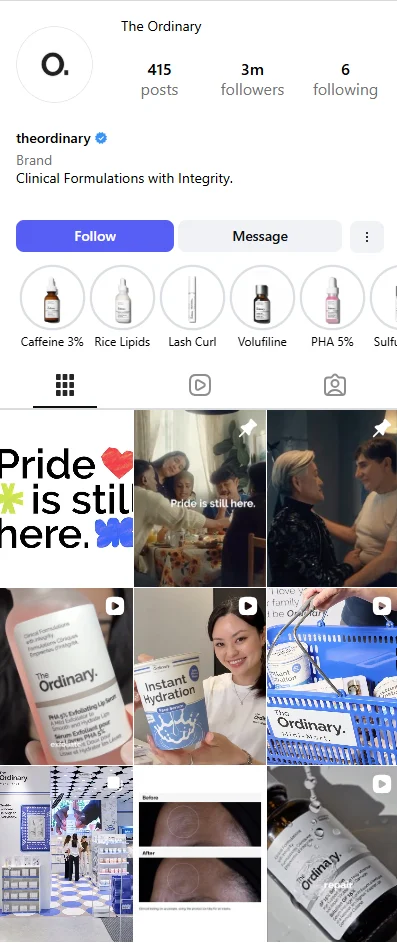
The social media ecosystem is undergoing a profound transformation. As we navigate 2026, Instagram has solidified its position not merely as a photo-sharing app, but as the premier commercial engine for UK brands. Far from fading into the background of a crowded digital landscape, the platform is experiencing a renaissance of high-intent engagement, driven by a consumer base that is increasingly eager to discover, interact with, and purchase from brands directly within the feed.
According to the 2026 Social Media Content Strategy Report, 32% of consumers intend to increase their time spent on Instagram this year. This trend is even more pronounced among Gen Z, with 41% of the demographic planning to deepen their platform usage. For UK marketers, this represents a critical window of opportunity: 69% of industry professionals are scaling up their investment in the platform, recognizing that Instagram is no longer an optional touchpoint, but a central pillar of modern inbound marketing.

The Evolution of the Feed: Moving Beyond Passive Consumption
The modern Instagram experience has moved beyond the passive scrolling of the early 2020s. Today, 60% of consumers actively interact with brand content multiple times per week. This shift toward active participation has forced a fundamental change in how brands must operate. The era of polished, high-production-value broadcasting is waning; in its place, the market is favoring "raw" content—creator-led, conversational, and deeply authentic material that mirrors the user’s own digital habits.
For UK brands, the challenge lies in balancing this need for "lo-fi" authenticity with the commercial necessity of driving conversions. As competition for feed visibility intensifies, those who fail to adapt their strategy to the current cultural zeitgeist risk being relegated to the digital margins.
Strategic Data Points at a Glance
| Metric | 2026 Data Point | Strategic Impact |
|---|---|---|
| Consumer Growth | 32% of users plan to increase usage. | Expanding market reach. |
| Gen Z Dominance | 41% of Gen Z planning more usage. | Essential for long-term loyalty. |
| Active Engagement | 60% of users interact weekly. | A high-conversion commercial space. |
| Marketer Investment | 69% of UK marketers increasing spend. | Intensifying competition for attention. |
Chronology of the Shift: From Mood Boards to Sales Funnels
The transition of Instagram into a "search-first" platform did not happen overnight. Over the past 24 months, we have observed a three-stage evolution that defines the current landscape:
- The Discovery Phase (2024): Brands began pivoting away from static images, experimenting with the nascent Reels algorithm to capture organic reach.
- The Integration Phase (2025): The introduction of seamless in-app checkouts and advanced product tagging transformed the "discovery" experience into a "transactional" one, effectively turning the app into a functional storefront.
- The Authenticity Era (2026): We are currently in a phase where consumers—weary of AI-generated perfection—are actively penalizing brands that feel "manufactured." The focus has shifted toward human-centric storytelling and community-led growth.
Core Pillars of Modern Content Strategy
To cut through the noise, UK brands are adopting specific, repeatable frameworks that maximize engagement.

The Reign of Short-Form Video (Reels)
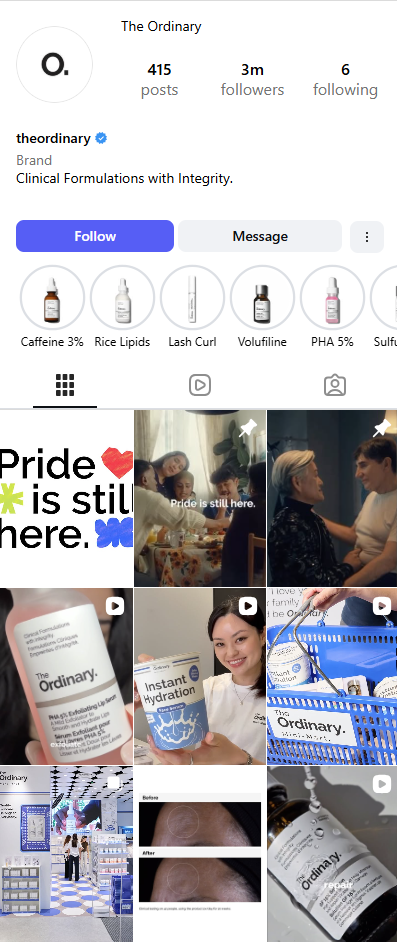
Reels now account for 50% of the total time spent on Instagram, reaching over 2 billion users monthly. The "Golden Rule" for 2026 is the three-second hook: if you cannot capture attention in the first three seconds, the viewer has already moved on. Brands like The Ordinary have mastered this by blending technical skincare science with high-energy, accessible visual storytelling. By utilizing product tags within these clips, they create a frictionless path from education to purchase.
The Rise of Content Series
Consistency is the antidote to the algorithm’s volatility. By implementing recurring formats—such as weekly tutorials, behind-the-scenes "day-in-the-life" features, or branded challenges—brands provide a reason for the audience to return. Grind, the UK coffee brand, demonstrates this through their "Coffee School" series. By using a consistent visual template, they make their content instantly recognizable, building a subconscious association between the brand and the learning experience.

The Shift to Sustained Influencer Partnerships
The era of the "one-off" sponsored post is effectively over. Brands like Gymshark and Huel have pioneered the long-term ambassador model. By securing sustained partnerships, the products are woven into the creators’ daily routines over months or even years. This long-term exposure fosters deep-rooted credibility and brand recall that transactional, short-term influencer marketing simply cannot replicate.
The AI Contradiction: A Divergence of Priorities
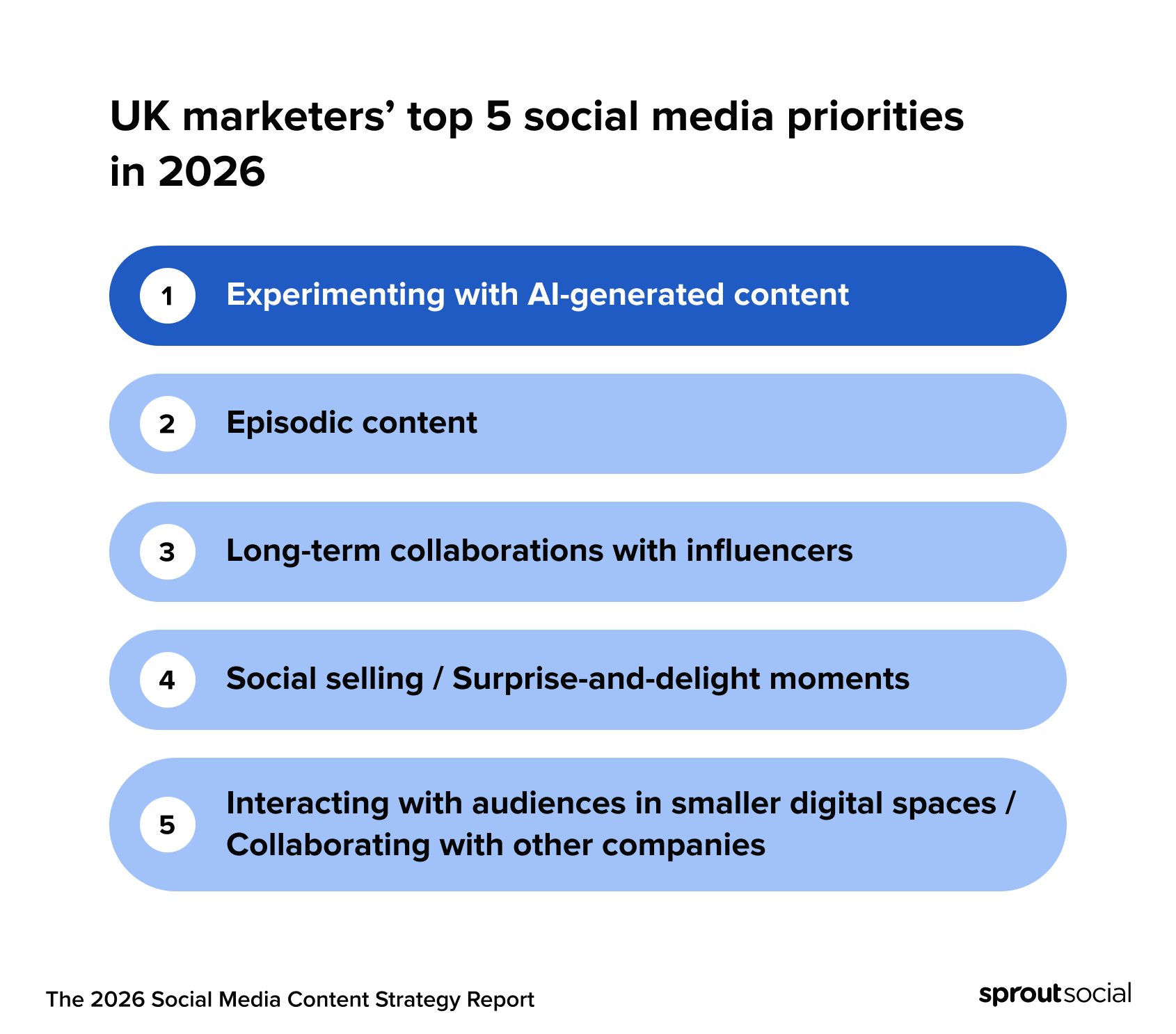
A significant tension exists within the current UK marketing landscape. The 2026 Social Media Content Strategy Report highlights that "experimenting with AI-generated content" is the top priority for UK marketers. Yet, consumer sentiment data suggests that users are actively craving the exact opposite: human-generated, imperfect, and genuine connection.

This creates an "AI Contradiction." Brands that attempt to automate their feed with generic, AI-generated imagery risk alienating their most valuable followers. The most successful inbound marketers are instead pivoting their AI strategy: they are using AI as a "Social Intelligence Analyst" rather than a "Content Creator." By using AI to analyze sentiment, track emerging trends, and optimize posting schedules, brands can scale operations while keeping the actual content creation firmly in human hands.
Implications for Future Growth: SEO and Social Commerce
The platform is increasingly functioning as a search engine. Younger demographics are bypassing Google in favor of the Instagram search bar to find brands, reviews, and product information. Consequently, traditional SEO practices are now mandatory for social teams.
Optimizing for Discoverability
- Keyword-Rich Profiles: Your bio is no longer just a tagline; it is a search index. Incorporate relevant keywords that define your niche.
- Descriptive Alt Text: Ensuring every image has descriptive, keyword-rich alt text helps the algorithm categorize and serve your content to the right audience.
- Geo-Tagging: For physical businesses in the UK, geo-tagging remains the most effective way to capture local intent.
Frictionless Commerce and the ASA
The integration of in-app checkout has turned social commerce into a viable revenue stream. However, this growth must be tempered by regulatory compliance. The Advertising Standards Authority (ASA) is clear: any content that functions as an advertisement must be explicitly labeled. Brands failing to adhere to these transparency standards face not only regulatory fines but, more importantly, a catastrophic loss of consumer trust.
Sustaining the Human Connection
While viral growth remains an attractive metric, sustainable success in 2026 is built on community. This involves a return to the "social" in social media. Brands that prioritize responding to comments, engaging with user-generated content (UGC), and showing the "real" side of their team are the ones currently seeing the highest conversion rates.

As we look toward the remainder of the year, the brands that win will be those that view Instagram not as a broadcast channel, but as a community forum. Whether it is the lighthearted, comedic tone of Aldi UK or the mission-driven authenticity of climate campaigners like Mikaela Loach, the common thread is clear: the most successful accounts are those that speak to their audience as people, not just consumers.
Conclusion: The Path Forward
The 2026 social media landscape is complex, fast-paced, and unforgiving of inauthenticity. However, for UK brands willing to align their strategy with these shifting audience behaviors, the rewards are substantial. By prioritizing Reels, leaning into long-term creator partnerships, optimizing for platform-specific SEO, and using AI as a tool for analysis rather than a replacement for creativity, brands can turn their Instagram presence into a consistent, high-growth engine. The opportunity to connect is there; the question for the modern marketer is whether they have the courage to be authentic enough to take it.

 Nana Wu
 Neng Nana