Nana Muazin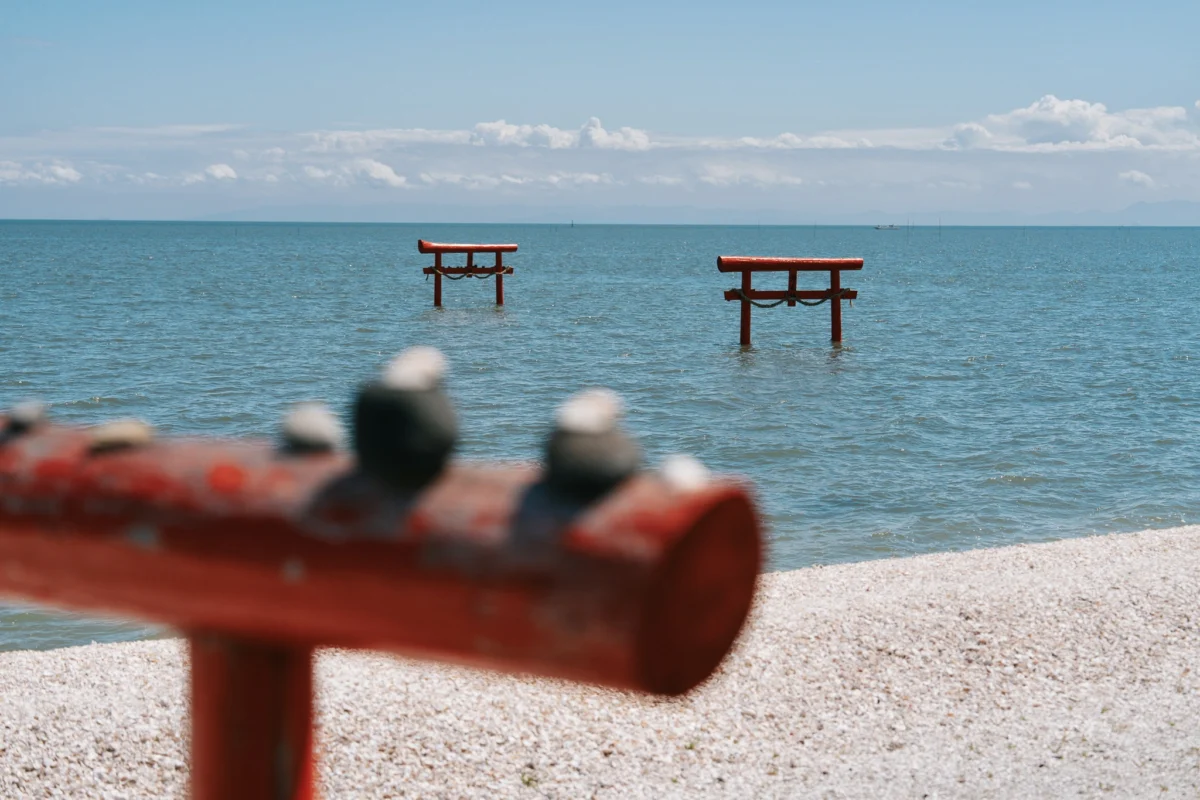
In the heart of Saga Prefecture, where the rugged peaks of the Tara-dake mountain range surrender to the expansive horizon of the Ariake Sea, lies a town that operates on a different clock. In Tara, time is not measured in the clinical tick of a watch, but in the rhythmic, six-meter rise and fall of the ocean. This is a place where the landscape breathes, and where human life, culture, and culinary tradition are dictated by the eternal, gravitational pull of the moon.
Tara is more than a geographic waypoint; it is a profound intersection of elemental forces. Known historically as the "Village of Plenty," a moniker bestowed upon it by Emperor Keiko nearly two millennia ago, the town remains a testament to the bounty that occurs when the mountain meets the sea. For the modern traveler seeking an escape from the frantic pace of urban life, Tara offers a rare opportunity to witness the raw, unfiltered mysteries of the natural world.
The Tidal Symphony: A Landscape in Flux
The defining characteristic of Tara is its staggering tidal range. Visitors often find themselves in a state of bewilderment as they observe the transformation of the coastline. In the morning, the Ariake Sea acts as a vast, shimmering mirror, reflecting the expansive Kyushu sky. By the afternoon, the water has retreated miles into the distance, exposing a sprawling expanse of nutrient-rich mudflats that serve as the lifeblood of the local ecosystem.
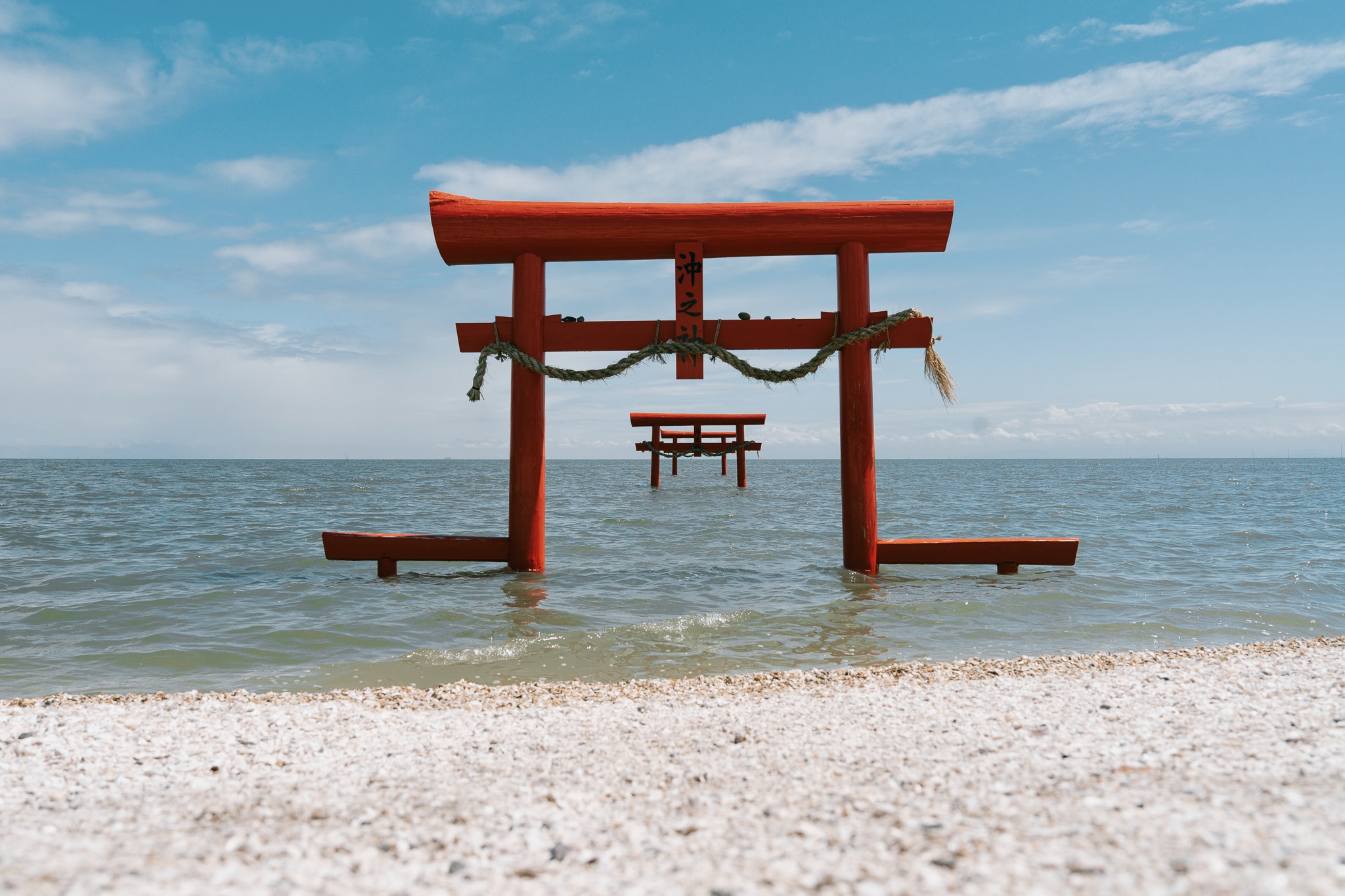
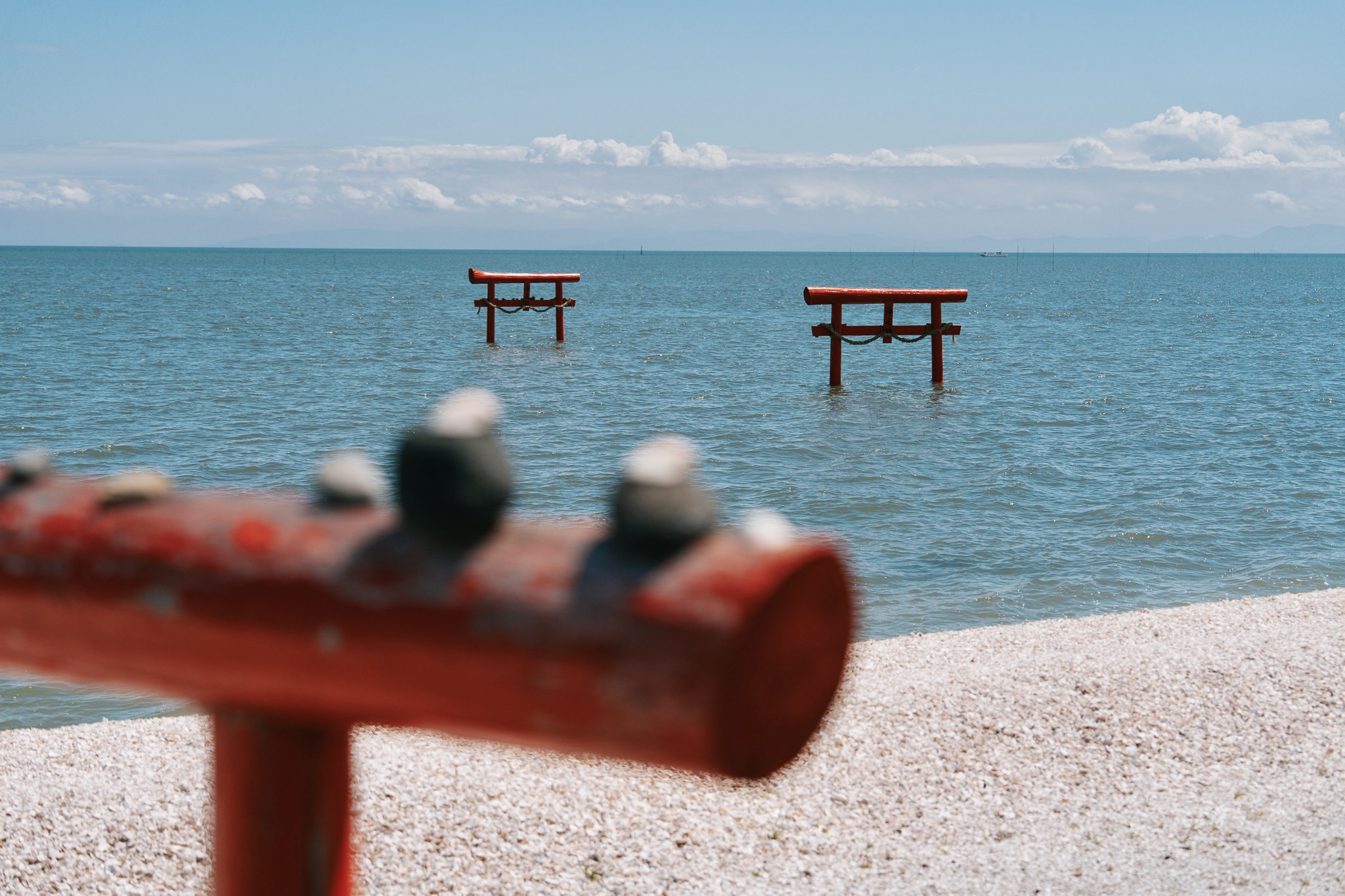
This phenomenon is best observed at the Ouo Shrine, home to the region’s iconic floating torii gates. During high tide, these three vermilion structures appear to hover weightlessly above the water, creating a surreal, ethereal gateway to the depths of the sea. As the tide recedes, the seabed is laid bare, allowing pilgrims and tourists alike to walk beneath the gates on the damp, dark earth. It is a humbling experience—a tangible reminder that, despite our modern advancements, humanity remains tethered to the rhythmic, ancient cycles of the universe.
Chronology of a "Village of Plenty"
The history of Tara is inextricably linked to the bounty of the Ariake Sea. According to local lore, when Emperor Keiko visited the region during his journey through Kyushu, he was so profoundly moved by the abundance of the land and the quality of the local seafood that he designated the area Tarai no Mura, or the "Village of Plenty."
A Timeline of Cultural Evolution:
- The Ancient Era: The region established its reputation as a provider of premium marine resources, utilizing the unique tidal mudflats to harvest shellfish and seaweed.
- The Edo Period: Tara flourished as a coastal hub, with local agriculture—particularly the cultivation of mandarin oranges—integrated into the economy alongside fishing.
- The 1990 Journey Exposition: The installation of the now-famous fruit-shaped bus stops in the neighboring Konagai area brought a wave of modern, whimsical tourism to the region, bridging the gap between historical tradition and contemporary pop culture.
- The 2020s Renaissance: With the introduction of the Two Stars 4047 sightseeing train, Tara has been re-positioned as a premier destination for "slow travel," emphasizing the journey as much as the destination.
Culinary Excellence: The Fruits of the Mud and Mountain
The cuisine of Tara is a masterclass in local terroir. Because the town is nestled between the mountains and the sea, the menu is a collision of disparate environments, resulting in flavors that are both intense and refined.
The Takezaki Legacy
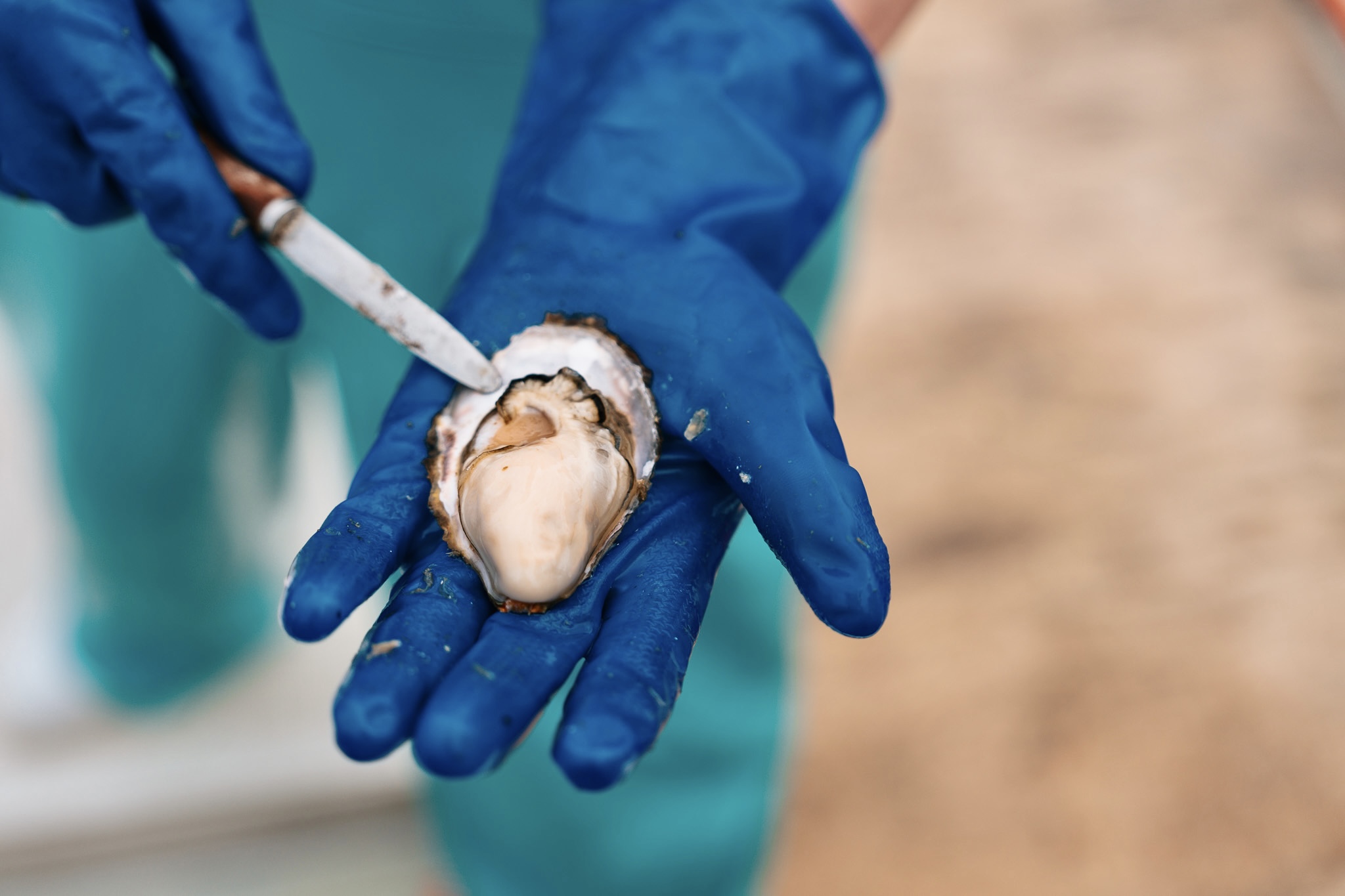
The Takezaki oyster is perhaps the town’s most famous export. Prized for their exceptional plumpness and a depth of umami that is rare in smaller varieties, these oysters are the primary draw for food enthusiasts. Local establishments, such as the seaside hut Kaidomaru, allow visitors to grill their own oysters over charcoal while looking out toward the floating torii gates.
Parallel to the oyster industry is the fame of the Takezaki crab. These blue swimming crabs thrive on the microorganisms found in the nutrient-dense mudflats, developing a sweet, succulent meat and rich roe that have become a bucket-list item for gourmands across Japan.
The "Three Suns" Mandarins
Moving away from the salt spray toward the emerald slopes of the mountains, one discovers the "liquid gold" of Tara: the mikan mandarin. The cultivation of these citrus fruits is a feat of agricultural precision. Grown on steep, terraced hillsides, the trees are exposed to what the locals call the "three suns": direct sunlight, the heat reflected off the surface of the Ariake Sea, and the lingering warmth radiated by the stone walls that support the terraces. This unique microclimate results in a fruit with a balanced, intense sweetness that embodies the warmth of the Kyushu sun.
Infrastructure and Access: The Art of the Journey
Traveling to Tara is an exercise in aesthetics. The JR Kyushu Two Stars 4047 train provides a scenic gateway to the town, featuring elegant wooden and golden interiors that mirror the luxury of the region’s landscape. As the train glides along the Nagasaki Main Line, the large panoramic windows serve as frames for the changing tides, turning the daily commute into a living art installation.
For those navigating by road, the coastal route between Tara and Konagai offers a whimsical detour: the famous fruit-shaped bus stops. These oversized, colorful structures—shaped like strawberries, melons, and mikan—have become viral landmarks, adding a touch of playful, surrealist charm to the rugged, winding coastal drive.
Back in the town center, visitors can find respite at Hagakure Kobo, a vintage cafe that acts as a repository of local memory. Filled with retro record players, aged manga, and vintage fashion, the shop provides a nostalgic space to enjoy a fresh strawberry parfait, highlighting the region’s commitment to preserving the small, beautiful details of the past.
Official Tourism Perspectives
The local tourism board emphasizes that Tara’s appeal lies in its "unhurried authenticity." According to recent statements from regional development officials, the goal for Tara in the coming years is to maintain the balance between tourism influx and environmental preservation.
"The tidal range is not just a tourist attraction; it is our heartbeat," a spokesperson for the local tourism office noted. "We encourage visitors not just to see the gates, but to stay, to eat, and to participate in the cycle of the sea. By staying for 24 hours, one moves from being a spectator to being a participant in the life of the village."
Implications: A Model for Sustainable Tourism
The sustained popularity of Tara offers a blueprint for regional revitalization in Japan. By leaning into its natural geographical peculiarities rather than attempting to modernize or "homogenize" its landscape, the town has successfully carved out a niche in the competitive domestic tourism market.
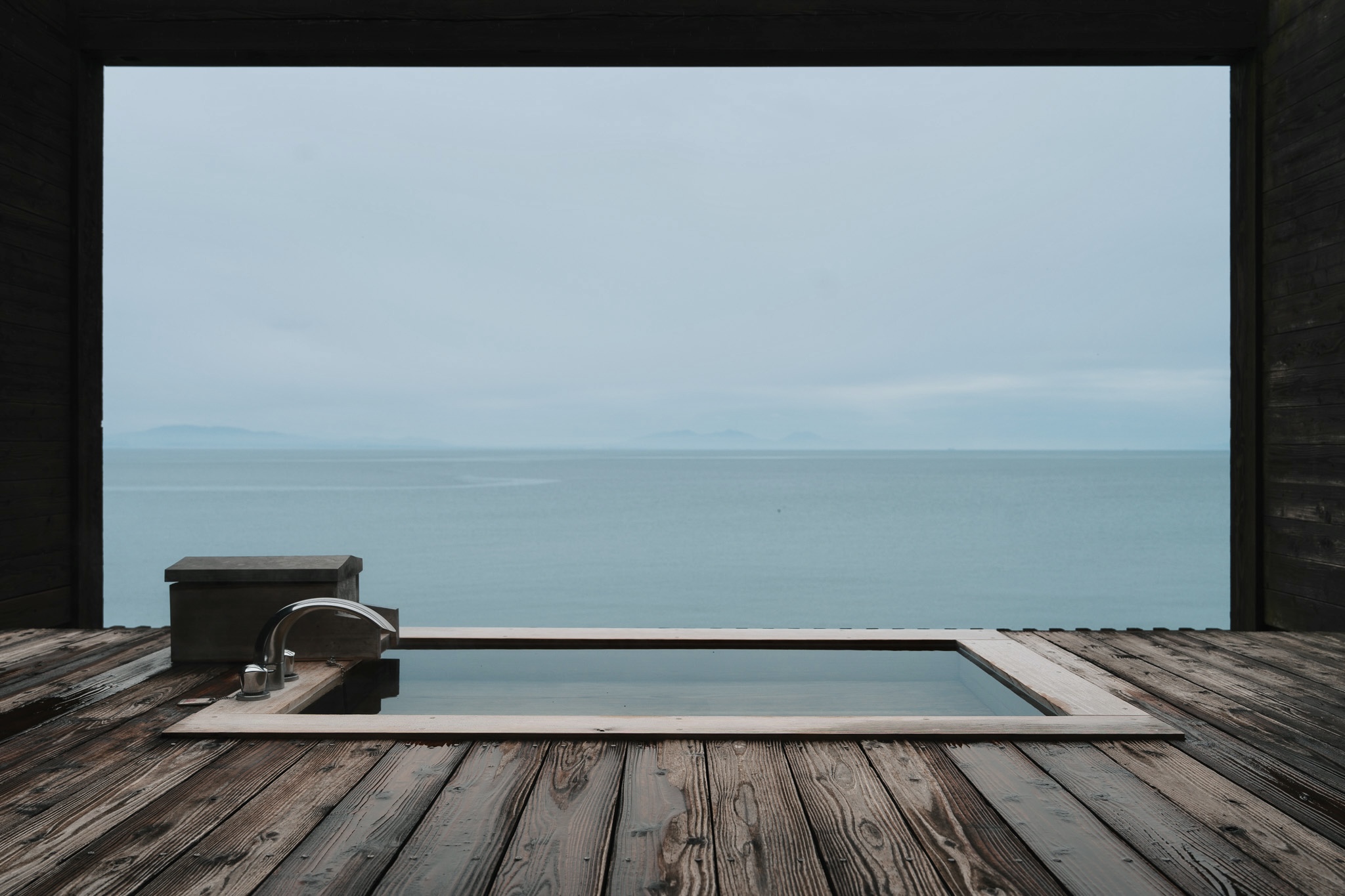
The integration of high-end ryokan stays—such as Kaijokan, where guests are encouraged to select their own handmade Arita-yaki ceramics for their morning coffee—shows that modern luxury can be combined with deeply personal, traditional touches. The implication for other rural Japanese towns is clear: the path to prosperity lies in the preservation of unique, local stories and the cultivation of experiences that cannot be replicated in a city center.
Conclusion: A Call to the Moon
As night falls over the "Village of Plenty," the silence of the Ariake Sea is broken only by the distant sounds of the tide. Whether you are savoring the rich, umami-heavy flavors of a fresh crab dinner or watching the moon cast its reflection over the dark mudflats, Tara demands your presence. It is a place that asks you to slow down, to breathe with the landscape, and to accept the pull of forces far greater than ourselves.
For those planning to experience the magic of the tidal range, the official tourism website provides comprehensive guides on the best times to visit and the seasonal delicacies currently in harvest. In an age of digital noise, a trip to Tara is a quiet, powerful return to the basics—an invitation to live, even for a few days, in total harmony with the moon.


 Neng Nana
 Asro
Asro