Nila Kartika Wati
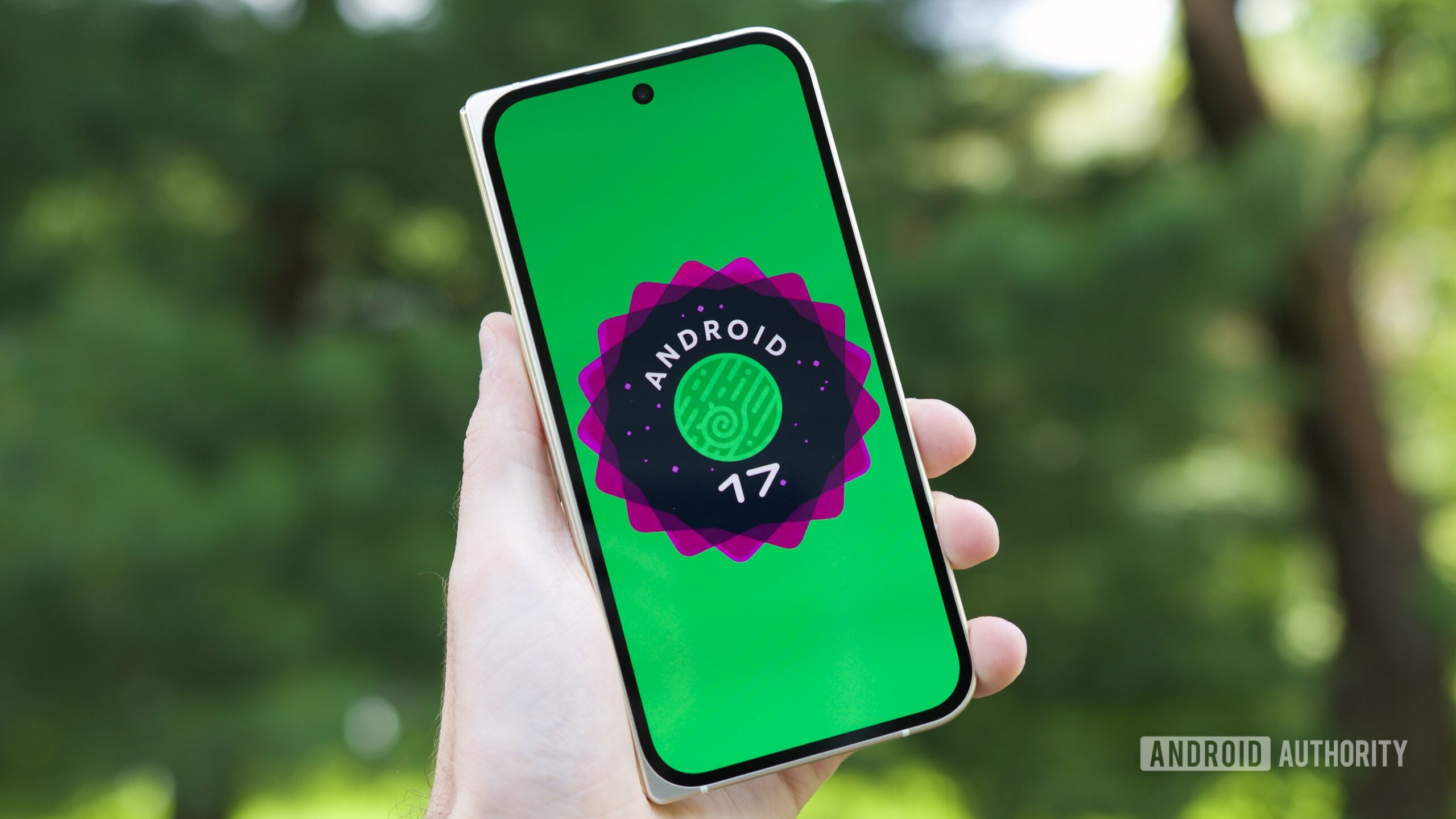
The landscape of mobile operating systems is in a state of constant flux. Just one week after Google officially pushed the stable version of Android 17 to Pixel devices worldwide, the company is already looking toward the horizon. While the mainstream user base is currently acclimatizing to the latest features of the Android 17 stable release, power users and developers are already deep into the testing cycle for the next major iteration: the Android 17 Quarterly Platform Release 1 (QPR1).
Google has officially released QPR1 Beta 5, marking a significant step forward in the refinement process for the upcoming September Feature Drop. This release serves as a critical bridge between the foundational stable build and the performance enhancements scheduled for the autumn.
The Core Facts: What You Need to Know
The latest update, bearing build number CP31.260608.007, arrives as a culmination of weeks of iterative testing. Perhaps the most notable aspect of this release is the return of support for legacy hardware that had been temporarily sidelined.
Specifically, the Pixel 6 and Pixel 6 Pro—which were conspicuously absent from the Beta 4 rollout—are now officially back in the fold. Google had previously committed to reinstating support for these devices, and this update delivers on that promise, ensuring that the older flagship models remain compatible with the latest beta testing infrastructure.
For those enrolled in the Android Beta Program, this update is currently rolling out over-the-air (OTA). As with any beta software, this build is primarily focused on "cleanup mode." After four previous iterations, the development team has transitioned from feature implementation to aggressive bug squashing and performance stabilization.
A Chronology of the Android 17 Development Cycle
To understand the significance of Beta 5, one must look at the rapid-fire development schedule Google has maintained throughout this year.
- The Stable Foundation: The stable release of Android 17 arrived in mid-June, setting the baseline for the current mobile ecosystem. It introduced a suite of security patches and UI refinements that standard users are now enjoying.
- The QPR1 Roadmap: Almost immediately following the stable launch, Google initiated the QPR1 track. This program is designed specifically to test the features that will define the September Feature Drop—a tradition where Google adds meaningful functionality to Pixel devices outside of the annual major OS version release.
- Beta 4 and the "Missing" Pixels: Two weeks ago, the release of QPR1 Beta 4 sparked concern among the developer community due to the exclusion of the Pixel 6 series. It raised questions about the long-term support timeline for Google’s first-party Tensor-powered devices.
- Beta 5 and Normalization: Today’s release of Beta 5 serves to normalize the testing environment. By bringing the Pixel 6 series back into the ecosystem, Google has signaled that its commitment to the three-year-plus support window remains robust.
Technical Refinements and User Experience Enhancements
While Beta 5 is primarily about stability, it does include a few targeted refinements that improve the daily user experience. Mishaal Rahman, a prominent analyst in the Android development space, has highlighted a particularly welcome addition: the "don’t ask me again" toggle for mobile data activation.
Simplifying Connectivity
Previously, users who frequently toggled mobile data on and off were subjected to repetitive confirmation prompts. This was a well-intentioned safety feature designed to prevent accidental data usage, but it became a point of friction for power users. The new toggle allows users to suppress these prompts, streamlining the process of managing cellular connectivity. This minor UI change reflects a broader design philosophy within Android 17: reducing the number of "taps to task" for common actions.
The "Cleanup" Phase
According to the official documentation accompanying this build, the focus remains on the following key areas:
- System Stability: Addressing memory leaks that were identified in earlier beta versions.
- UI/UX Polish: Rectifying alignment issues in the notification shade and quick settings tiles that had plagued the interface in previous builds.
- Battery Optimization: Fine-tuning background process management to ensure that the increased activity inherent in beta builds doesn’t result in premature battery drain.
Official Responses and Strategic Implications
Google’s approach to the Android 17 release cycle highlights a dual-track strategy. By separating the "Stable" branch from the "QPR" branch, Google effectively creates a sandbox environment where features can be battle-tested by enthusiasts before being deployed to the general public.
The "Opt-Out" Warning
A critical piece of guidance for those currently testing the software is the handling of the "Stable" transition. Google has issued a stern warning: Do not install QPR1 Beta 5 if your goal is to move to the stable build without wiping your device.
If a user currently on the beta track decides they no longer wish to test experimental software and wants to revert to the standard stable release, they must opt out of the Beta Program via the official Google website. However, if they install the latest QPR1 Beta 5, they may inadvertently "lock" themselves into the beta channel until the next official stable drop. Reverting after installing a QPR update usually requires a factory reset, which results in the total loss of local data. This is a vital distinction for users who use their primary device for beta testing.
Strategic Implications for the September Feature Drop
The September Feature Drop is shaping up to be one of the most substantial mid-cycle updates in recent memory. By using QPR1 to refine core system behaviors, Google is ensuring that when the update goes live to the general public, it is not merely a collection of new features, but a highly optimized version of the OS.
This strategy also serves the hardware team. As Google continues to iterate on the Tensor chipset, these QPR updates provide a vital feedback loop. The data collected from thousands of beta testers allows Google to optimize thermal management and power consumption specifically for the Pixel hardware, which is often a point of contention for users.
Conclusion: Looking Ahead
The transition from Android 17 stable to the QPR1 cycle represents the modern reality of mobile software. It is no longer a "one-and-done" yearly release; it is a living, breathing ecosystem that evolves every few months.
For the average consumer, the release of Beta 5 is a behind-the-scenes event that guarantees a smoother, more feature-rich experience come September. For the enthusiast and developer, it is a playground where they can influence the future of the platform. As Google continues to polish these builds, the focus remains clear: providing a consistent, reliable, and increasingly personalized experience on the Pixel platform.
Whether you choose to join the beta or stay on the stable path, the developments within Android 17 confirm that Google is placing an unprecedented emphasis on user feedback and iterative refinement. As we move closer to the September release, the stability improvements introduced in this beta will undoubtedly serve as the backbone for the next generation of Pixel utility.
How to get involved:
If you are currently running a compatible Pixel device and wish to participate in the final stages of the QPR1 testing cycle, you can enroll your device via the official Android Beta Program portal. Remember to back up all critical data before proceeding, as beta software—even in its late stages—is never guaranteed to be free of critical errors.


 Iffa Jayyana
 Suro Senen