Ali Ikhwan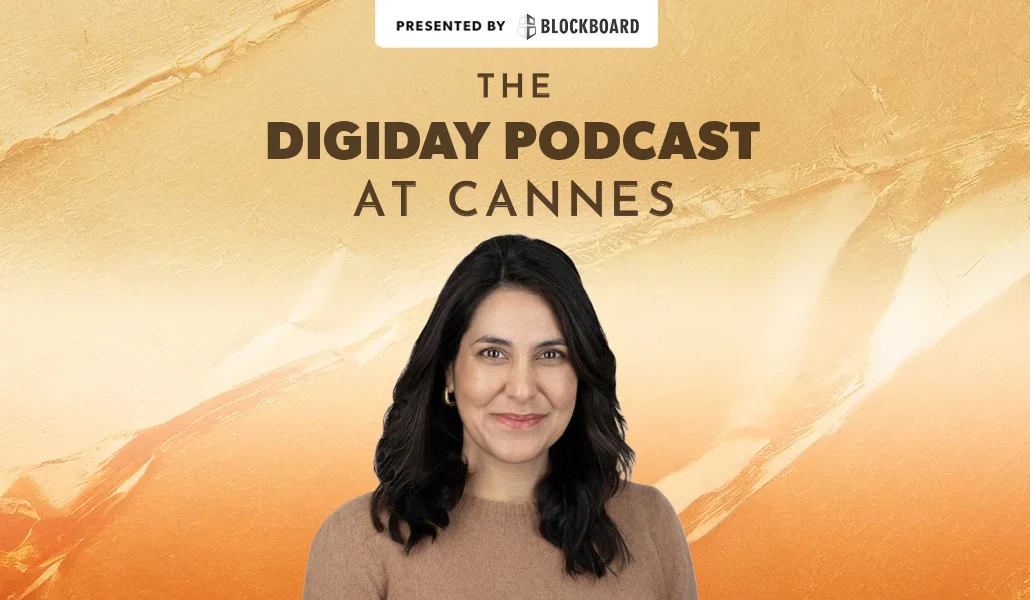
By Kimeko McCoy | June 26, 2026
The traditional advertising playbook is being rewritten in real-time, and at the center of this transformation is consumer goods giant Unilever. As the media landscape fragments and audiences migrate toward authentic, creator-led content, Unilever has signaled a definitive end to the era of viewing influencers as mere transactional entities.
Speaking on the Digiday Podcast from the 2026 Cannes Lions International Festival of Creativity, Selina Sykes, Unilever’s Global VP of Digital, Social, and AI Transformation for Beauty and Wellbeing, articulated a vision that elevates the creator from a temporary contractor to a core pillar of the company’s long-term business strategy. This shift represents a departure from the "media channel" mindset, favoring a model where creators are integrated into the product development lifecycle itself.
The Main Facts: A New Marketing Mode
Unilever’s strategy is built on a fundamental realization: the modern consumer trusts people more than they trust brands. Consequently, the company is moving away from traditional, one-way advertising toward a sophisticated, creator-centric ecosystem.
This is not a peripheral experiment. Following a landmark announcement in 2025, where Unilever declared its intent to allocate half of its total media budget to social channels—with a heavy emphasis on influencer partnerships—the brand has been operationalizing this commitment at scale. For Unilever, the "creator" is no longer just a megaphone for brand messaging; they are a strategic partner whose value is derived from community trust, historical relevance, and collaborative innovation.
Chronology: From Transactional Posts to Long-Term Equity
To understand where Unilever is heading, one must look at how the brand’s relationship with the creator economy has evolved over the last two years:
- 2025: The Line in the Sand: Unilever publicly committed to a major shift in its media mix, prioritizing social channels and influencer-led content over legacy media. This served as a "notice to the industry" that the company was prioritizing engagement over reach.
- 2025–2026: The "Vaseline Verified" Success: The brand leveraged community-led hacks regarding Vaseline, proving that authentic user-generated content could serve as a powerful catalyst for brand relevance.
- 2026: The "Vaseline Originals" Evolution: Building on the success of the previous year, Unilever launched "Vaseline Originals." This initiative identified the original creators who pioneered viral hacks as far back as 2008. By formalizing these relationships, Unilever is now co-creating products with these individuals.
- Mid-2026: The Compensation Revolution: The most significant shift occurs here, as Unilever moves beyond flat-fee sponsorships to performance-based revenue sharing, offering creators 15% of sales from products developed through their collaborations.
Supporting Data: Why the Model Matters
The shift toward revenue sharing is a calculated risk based on performance data. In the current marketing climate, metrics like "buzz" are treated as leading indicators, but they are no longer the destination.
Unilever’s measurement framework relies on a multi-layered approach:
- Leading Indicators: "Buzz" is tracked to measure organic conversation and consumer sentiment. While it doesn’t guarantee a purchase, it provides the "quick indicator" necessary to pivot or double down on a campaign.
- Search Behavior: The brand monitors both traditional search engine optimization (SEO) and the emerging field of "AI engine optimization." By understanding how consumers search for solutions via AI tools, Unilever can predict shifts in demand.
- The Bottom Line: Ultimately, return on investment (ROI) remains the primary KPI. The brand views influencer activity as a bridge to sales, recognizing that as consumers are persuaded by creators, that interest must be tracked through the entire funnel to the point of purchase.
Official Responses: Selina Sykes on the "Human-Machine" Synergy
A central theme of Sykes’ address at Cannes was the role of artificial intelligence in managing this massive network of creator partnerships. Rather than viewing AI as a replacement for human marketers, Sykes advocates for a "superpowering" dynamic.
"AI has really helped us take that wealth of data, create some meaning out of it, and then allow the human to do what humans do best," Sykes explained. "It’s not ‘human does this, machine does this.’ It’s about the human superpowering the technology."
According to Sykes, the sheer volume of data generated by millions of influencer interactions is too vast for human manual analysis. AI acts as a filter, distilling noise into actionable insights, which then allows human creative teams to make the high-level judgments necessary for brand integrity and innovation.
Implications: The Future of the Creator Economy
1. The Death of the "One-Off" Campaign
The "Vaseline Originals" strategy signals that brands are tired of the revolving door of influencers. By seeking out long-term, heritage-based creators, Unilever is effectively creating a form of corporate "creator equity." This ensures that the brand remains tied to the history of its products, rather than just the latest trend.
2. Performance-Based Compensation
By offering 15% of sales to creators, Unilever is aligning its incentives with the creators themselves. This creates a powerful feedback loop: creators are incentivized to not only promote the product but to ensure it is effective and desirable, as their own income is tied to the product’s market success. This represents a significant shift in power dynamics, effectively turning influencers into stakeholders or "intrapreneurs."
3. The Integration of AI and Creativity
Unilever’s stance suggests that the future of marketing roles will be defined by "judgment." As AI handles the heavy lifting of data distillation, the value of the human marketer shifts to strategy, brand voice, and creative oversight. The ability to interpret AI-derived data to build a narrative will become the most sought-after skill in the industry.
4. Search and Discovery
The emphasis on "AI engine optimization" indicates that brands are preparing for a future where search is no longer just a series of blue links, but a conversational experience provided by LLMs and AI agents. Unilever’s proactive approach to being present in these AI-driven conversations suggests that they are future-proofing their brand against the next generation of search technology.
Conclusion
Unilever’s strategy is a blueprint for how legacy brands can remain relevant in an era defined by decentralized media. By treating creators as partners rather than commodities, and by using AI to bridge the gap between massive data sets and human creativity, the company is positioning itself to thrive in a landscape where the lines between content, community, and commerce are permanently blurred.
The "marketing mode" described by Sykes is not merely a change in tactics—it is a fundamental restructuring of the corporate relationship with the consumer. As other brands watch the results of the "Vaseline Originals" campaign, the industry may find that the future of marketing does not lie in more ads, but in deeper, more equitable partnerships with the people who actually hold the attention of the world.

 Pevita Pearce
 Asro
Asro