Nana Wu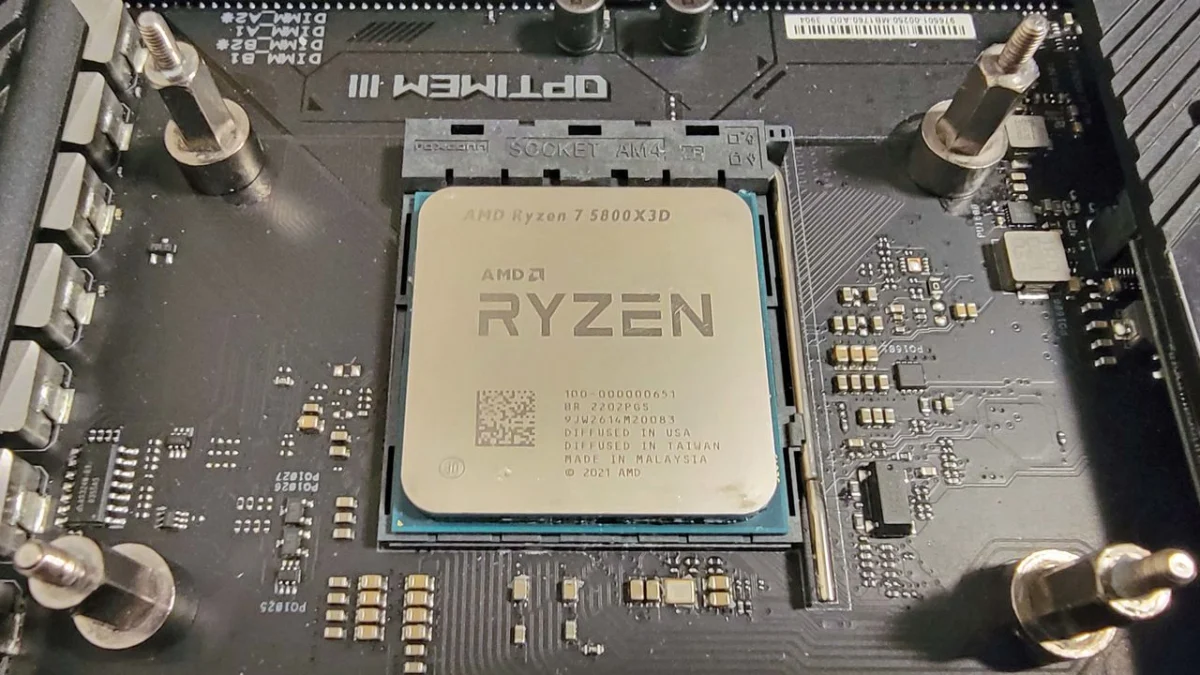
In a surprising move that has sent ripples through the PC enthusiast community, AMD has officially brought its iconic Ryzen 7 5800X3D processor back into production. The "10th-anniversary" edition of this legendary chip, which redefined gaming performance on the AM4 platform, is now hitting retail shelves. For those who have been scouring the market for a high-performance upgrade without the prohibitive costs of transitioning to a DDR5-based system, this represents a golden opportunity. However, the initial launch has been marred by inconsistent inventory levels and aggressive predatory pricing by scalpers, underscoring the enduring, almost cult-like demand for this specific silicon.
Main Facts: The King of AM4 Returns
The Ryzen 7 5800X3D holds a unique place in computing history. It was the first consumer CPU to feature AMD’s innovative 3D V-Cache technology, a breakthrough that utilized vertical stacking to add a massive pool of L3 cache directly onto the processor die. This architectural marvel allowed the chip to punch well above its weight class in gaming, often outperforming newer, more expensive processors in frame-rate-sensitive titles.
The re-released version is currently appearing at major retailers like B&H Photo at its standard MSRP of $350. While this price point might seem steep for an aging platform in the eyes of some, for the millions of users still operating on AM4 motherboards, it remains the most cost-effective path to top-tier gaming performance. By keeping the 5800X3D in the supply chain, AMD is effectively extending the lifespan of the AM4 ecosystem, providing a "final boss" upgrade for users who are not yet ready to invest in the platform-wide overhaul required by AM5 and DDR5 memory.
A Chronology of the 5800X3D Phenomenon
The saga of the 5800X3D is one of unprecedented longevity. When it first launched, it was hailed as a "gaming savior" that single-handedly kept the aging AM4 platform competitive against Intel’s 12th and 13th Gen offerings.
- Initial Launch: Upon its debut, the chip was lauded for its ability to eliminate frame-time stutters and boost minimum FPS, thanks to the 96MB of L3 cache.
- The "End of Life" Phase: As AMD shifted focus to the Ryzen 7000 series and the AM5 platform, the 5800X3D began to phase out, leading to a period of scarcity.
- The Scalper Surge: Following the announcement of this surprise re-release, the market saw an immediate influx of opportunists. Within 24 hours of the launch, third-party listings on marketplaces like eBay and Amazon were seen ballooning to $600 or more—nearly double the MSRP—as supply failed to meet the pent-up demand.
- The Current Stabilization: As of this week, major retailers are beginning to fulfill orders at MSRP. While the "In-Stock" labels are fleeting, the availability at B&H Photo serves as a signal that legitimate supply lines are finally normalizing.
Supporting Data: Why the 5800X3D Still Matters
Why would a consumer pay $350 for a processor on a platform that is effectively in its twilight years? The answer lies in the total cost of ownership (TCO) and the architectural efficiency of 3D V-Cache.
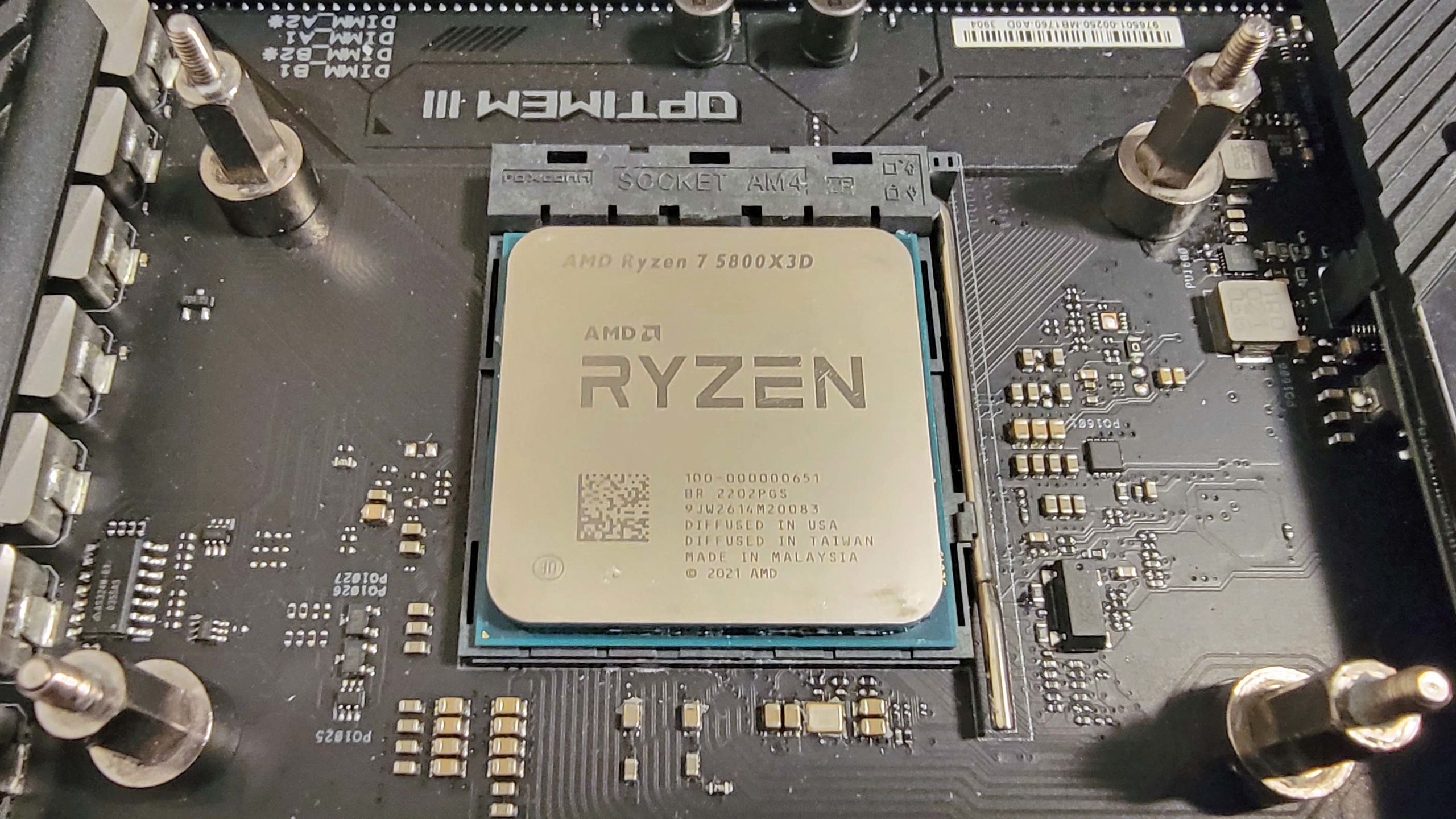
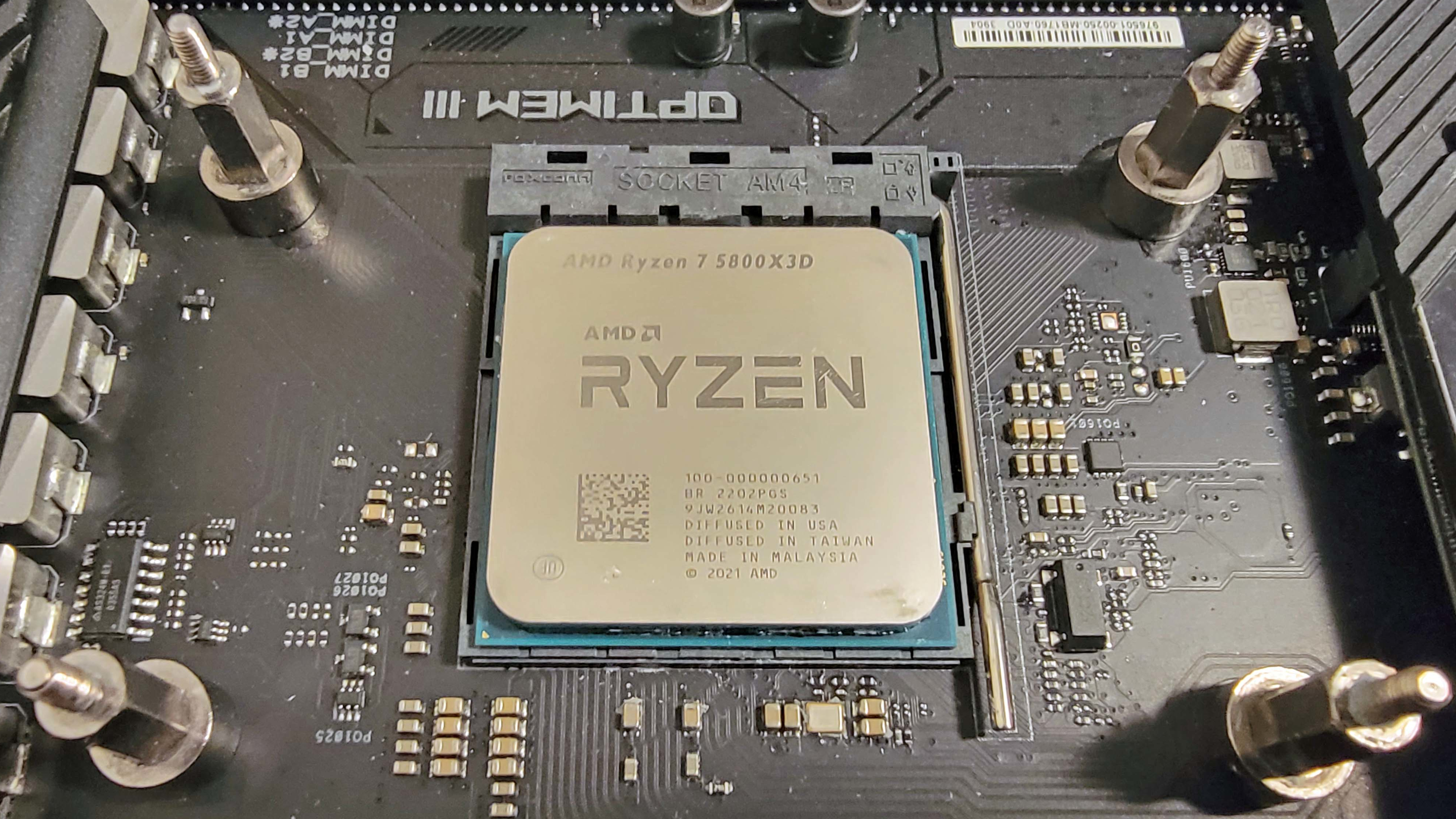
When a user upgrades to a modern platform (such as Ryzen 9000 or Intel Arrow Lake), they are not just buying a CPU. They are forced to purchase a new motherboard (LGA 1700 or AM5) and a new set of DDR5 RAM. This can easily result in a $600 to $900 investment. In contrast, the 5800X3D is a "drop-in" upgrade. A user simply updates their BIOS, swaps the chip, and gains a massive performance uplift while retaining their existing DDR4 memory and motherboard.
In recent internal testing conducted by Tom’s Hardware, the 5800X3D was put through a rigorous gauntlet using modern GPU hardware and the latest gaming titles. The results were consistent: despite being a few years old, the chip remains the "gold standard" for AM4. It handles CPU-bound scenarios with a grace that many mid-range modern chips struggle to replicate. While it is not the fastest chip on the planet, its performance-per-dollar ratio—when factoring in the lack of hidden costs—remains untouchable for the target demographic.
Technical Considerations: Changes Under the Hood
It is important to note that this is not a carbon copy of the original 2022 silicon. To bring this processor back into production, AMD had to make subtle adjustments to its manufacturing processes. While the performance profile remains functionally identical, the production of 3D V-Cache dies requires complex, high-precision semiconductor packaging.
AMD has navigated these complexities to ensure that the "new" 5800X3D retains the thermal and power efficiency characteristics that made it famous. Enthusiasts should expect the same TDP and cooling requirements as the original, meaning existing coolers will continue to be sufficient. The re-review process confirmed that despite any minor changes in the manufacturing node or assembly, the cache latency and IPC (Instructions Per Clock) remain consistent with the original release, ensuring that users get the performance they were promised.
The Scalper Problem: A Reflection of Market Health
The surge in scalping following the re-release is a double-edged sword. On one hand, it highlights that the demand for high-end AM4 CPUs is far from dead. On the other, it serves as a stark reminder of the fragile nature of tech supply chains.
Industry analysts point out that when a company decides to "re-release" a legacy product, the manufacturing volume is often limited by wafer availability. AMD is balancing production between the newer, high-margin Ryzen 9000-series chips and these legacy AM4 parts. This creates a supply bottleneck, which is exactly the environment where scalpers thrive. Consumers are advised to exercise patience and monitor reputable retailers directly, rather than falling victim to the inflated prices currently haunting secondary market platforms.
Implications for the Future of DIY Computing
The decision to keep the 5800X3D in production has significant implications for the DIY PC industry:
- Platform Longevity: AMD is signaling that it values the loyalty of its user base. By supporting the AM4 platform well beyond the standard lifecycle, they are fostering brand loyalty that is rare in the high-tech sector.
- The "DDR5 Gap": The high cost of high-speed DDR5 memory, while stabilizing, still acts as a barrier for entry for many budget-conscious gamers. The 5800X3D provides a bridge, allowing these users to enjoy modern, high-fidelity gaming without being forced into a memory upgrade cycle before they are ready.
- Refined Product Strategies: This move may set a precedent. If the re-release of the 5800X3D proves financially successful, we may see other "legendary" chips from Intel or AMD being brought back into production for niche, enthusiast-driven markets in the future.
Conclusion: Is it Worth the Upgrade?
For those currently running a Ryzen 5 3600 or a Ryzen 7 3700X, the 5800X3D is arguably the single most impactful upgrade you can perform. It effectively breathes new life into a system that might otherwise be destined for an early retirement.
As we look toward the future, the 5800X3D stands as a monument to what can be achieved when architectural innovation—like 3D V-Cache—is paired with a stable, mature platform. While it may not be the newest kid on the block, it is arguably the smartest investment for the pragmatic gamer. If you can find it at its $350 MSRP, it remains, without question, the best upgrade value in the PC gaming space today. Potential buyers should keep a close eye on retail alerts and avoid the temptation of the secondary market, as stock will likely continue to trickle in throughout the coming months.

 Raul Delapena Setiawan
 Ali Ikhwan