Layla Zulfa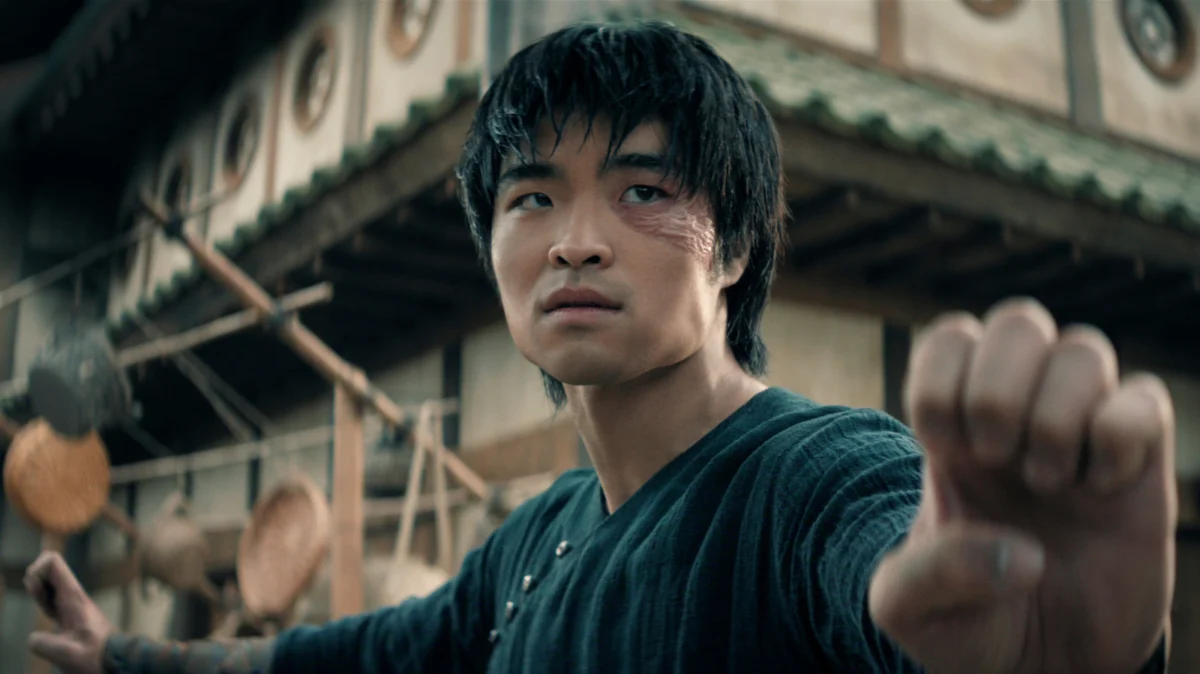
The second season of Netflix’s live-action adaptation of Avatar: The Last Airbender has arrived with a distinct shift in tone, pacing, and narrative architecture. While the inaugural season faced criticism for feeling like a truncated highlight reel of the beloved Nickelodeon animated series, Season 2—covering the events of "Book Two: Earth"—demonstrates a newfound confidence. It embraces the darker, more visceral stakes that defined the original series’ middle chapter, balancing levity with the kind of high-stakes, tragic drama that fans have long associated with the Fire Nation’s royal family.
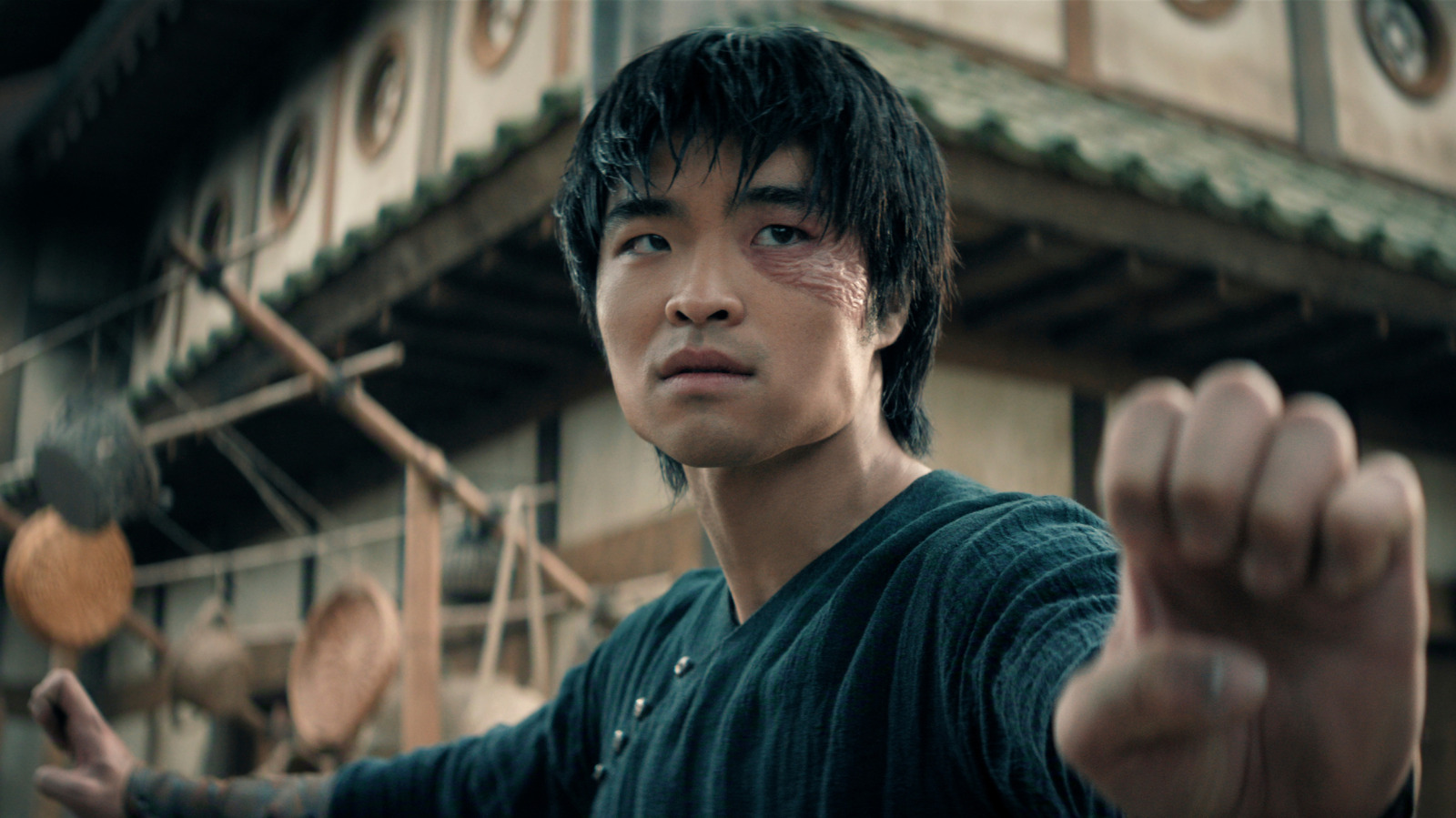
Central to this tonal shift is the live-action adaptation’s willingness to diverge from established source material, most notably regarding the history of Prince Zuko (Dallas Liu) and his mother, Ursa. By altering the circumstances surrounding Ursa’s disappearance, Netflix’s creative team has signaled a departure from the "sacred" canon of the original show, opting instead for a streamlined, albeit controversial, approach to character development.
The Evolution of the Fire Nation’s Most Tragic Tale
In the original 2006 animated series, the mystery of Zuko’s mother was a slow-burn enigma that spanned the entirety of the three-season run. The narrative weight of her absence acted as the primary anchor for Zuko’s internal struggle, representing his lost innocence and the corrupting influence of his father, Fire Lord Ozai (played in the live-action series by Daniel Dae Kim).
The animated show’s reveal, delivered in the harrowing episode "Zuko Alone," centered on a political conspiracy. Fire Lord Azulon, Ozai’s father, demanded that Ozai kill his own son, Zuko, as penance for suggesting he usurp his brother Iroh’s claim to the throne. Ursa, desperate to save her son, struck a secret, Faustian bargain with Ozai: she would provide him with a lethal poison to assassinate Azulon, thereby securing Ozai’s ascension, in exchange for Zuko’s life. Her subsequent banishment was the price of her son’s survival.
Netflix’s live-action Season 2, however, chooses a more immediate, visceral path. The series presents flashbacks depicting a direct confrontation. Ursa attempts to flee the palace with Zuko and Azula, only to be intercepted by Ozai and his palace guards. The resulting separation is less about a political trade and more about a desperate, failed escape attempt.
Chronology of the Narrative Shift
To understand the weight of this change, one must look at the timeline of events as presented in the two versions:
-
The Animated Canon (2006-2008):
- The Catalyst: Ozai insults Iroh’s position following the death of Iroh’s son, Lu Ten.
- The Ultimatum: Fire Lord Azulon orders Ozai to murder Zuko to teach him the pain of losing a firstborn son.
- The Bargain: Ursa intervenes, concocting a plan to kill Azulon.
- The Aftermath: Ursa is exiled; her fate remains a mystery, later explored in the graphic novel The Search.
-
The Netflix Adaptation (2025):
- The Catalyst: A more overt, volatile domestic environment where Ursa makes no secret of her disdain for Ozai, labeling him a "monster" within the palace walls.
- The Attempt: Ursa decides that the environment is no longer tenable for her children and attempts a physical escape from the Fire Nation palace.
- The Confrontation: The guards and Ozai apprehend her before she can leave the grounds.
- The Consequence: The abduction of Ursa is immediate, stripping away the complex political intrigue of the original in favor of a direct clash of wills between mother and husband.
Supporting Data: Why This Change Matters
The implications of this shift are profound for character development. In the original series, Zuko’s journey was defined by a yearning for an honorable return to a family that was fundamentally broken by systemic evil. By placing the blame for Azulon’s death on Ursa’s bargain, the animated show added a layer of moral ambiguity to her character; she had to commit a regicide to save her child.
The Netflix version removes this ambiguity, painting Ursa as a clear-cut victim of an abusive, totalitarian regime. While this makes the "monster" nature of Ozai more apparent to a modern audience, it also simplifies the moral landscape. Critics argue that this change diminishes the agency of Ursa, transforming her from a strategic protector into a damsel thwarted by an oppressive system. However, supporters of the change suggest that for a live-action medium, where episodes are limited and pacing is tight, this direct approach allows for a faster understanding of Zuko’s trauma.
Furthermore, the original creators of the series, Michael Dante DiMartino and Bryan Konietzko, were famously protective of the mystery of Ursa. DiMartino, in particular, famously vetoed certain reveals regarding her fate during the original production. With the original creators having departed the Netflix project during its development phase, the current showrunners are effectively operating without the "lore-guardrails" that kept the original story so tightly contained.
Official Responses and Creative Direction
While Netflix has not released a formal statement regarding the specific narrative deviation, the creative team has frequently cited the need to "translate" the story for a "contemporary audience." In interviews surrounding the launch of Season 2, producers have emphasized that the live-action series is not meant to be a shot-for-shot remake.
"We are looking for the emotional core of the story," one production source noted. "Sometimes, the complex political maneuverings of the 2000s animation need to be distilled into a more direct, character-driven conflict to maintain the pacing required by modern streaming audiences."
This approach aligns with the general strategy Netflix has taken with its live-action adaptations: focusing on emotional accessibility. By streamlining the backstory, the showrunners are clearly prioritizing the immediate relationship between Zuko and his father, setting the stage for a more explosive confrontation in the eventual third season.
Implications for Season 3 and Beyond
The departure from the "Azulon storyline" suggests that the Netflix show is charting its own course for the finale. In the original series, the reveal of Ursa’s fate—and the resolution of her storyline—was largely relegated to the supplemental graphic novels, specifically The Search. By integrating her fate directly into the show’s primary narrative, Netflix is effectively creating a self-contained universe that does not require viewers to read auxiliary materials.
This creates several distinct implications:
- A Clearer Villainy: By removing the "Ursa as a conspirator" element, Ozai is painted as a more singular, unrepentant villain. This removes the nuance of the original Fire Nation politics but creates a more accessible "good vs. evil" conflict that is easier for new viewers to parse.
- The "Search" Arc: If the Netflix series is already showing the circumstances of her removal, it is highly likely that Season 3 will provide a definitive answer regarding her whereabouts, rather than leaving it as an open question. This is a bold move that risks alienating purists but provides a sense of closure that the original show lacked.
- The Absence of Iroh’s Complexity: The original story highlighted the complicated dynamic between Iroh and his brother. By shifting the focus away from the succession crisis (Azulon’s death), the show risks downplaying Iroh’s history as a former Fire Nation general, which is vital to his character development.
Conclusion: A New Path Through the Fire
The choice to rewrite Zuko’s backstory is emblematic of the broader challenges faced by the Netflix Avatar production. To succeed, the show must walk a tightrope: satisfying a massive, deeply invested fanbase while simultaneously building a narrative that works for a global audience unfamiliar with the original lore.
While the "Ursa escape" change is undeniably a departure from the source material, it serves the goal of the Netflix series—to create a tighter, more focused drama. Whether this results in a more cohesive narrative or a diluted version of the original’s depth remains to be seen. However, as the series moves toward its conclusion, the boldness of these changes suggests that Netflix is not content to simply walk in the footsteps of the animated classic. They are intent on forging a new path, for better or for worse, within the world of the four nations. As Zuko’s internal struggle reaches a boiling point, the audience will be left to judge whether this new history provides the catharsis they were promised, or if some mysteries were better left buried in the ash.


 Jia Lissa
 Ali Ikhwan