Nana Wu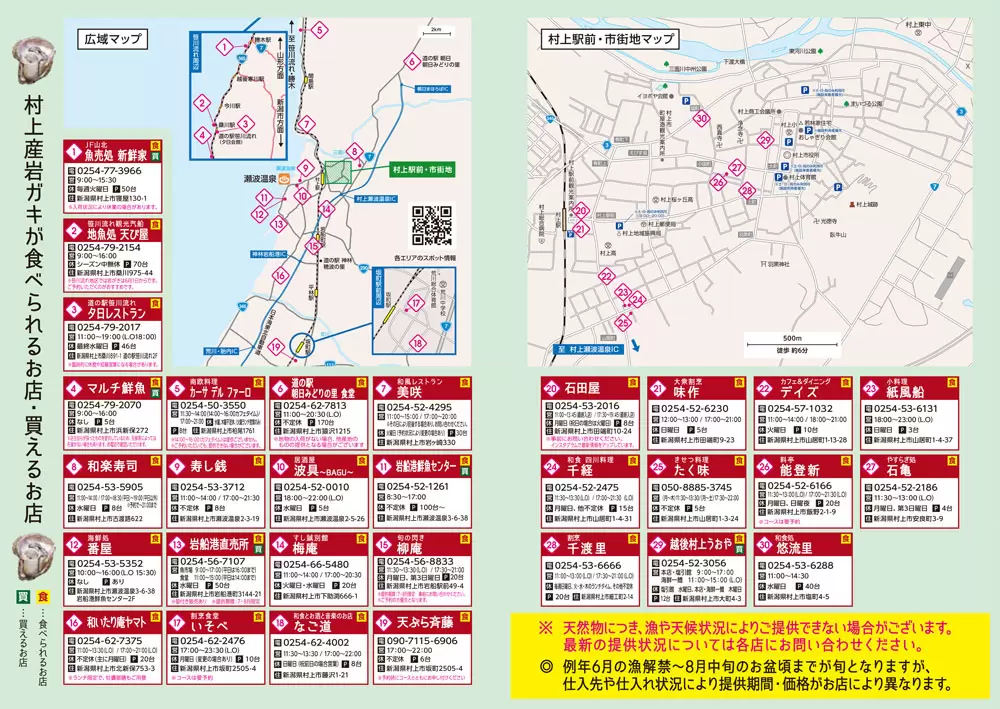
In the pristine, nutrient-rich coastal waters of Murakami City, Niigata Prefecture, the arrival of summer signals the beginning of a highly anticipated culinary tradition. As the winter Pacific oyster season fades, a more robust and decadent delicacy takes center stage: the natural rock oyster. Renowned for their immense size, firm, succulent texture, and a rich, creamy flavor profile that lacks the metallic aftertaste often associated with other shellfish, these "jewels of the sea" have become the definitive taste of a Niigata summer.
For visitors and locals alike, the window to experience these oysters in their prime is brief, lasting only from June through mid-August. This article explores the cultural significance, the environmental factors that make Murakami’s oysters unique, and the essential travel information for those looking to embark on a gastronomic pilgrimage to this coastal gem.
![[A summer delicacy!] Enjoy fresh, natural rock oysters from Murakami, Niigata Prefecture, right here in the region!](https://resources.matcha-jp.com/resize/720x2000/2024/06/06-182824.webp)
Main Facts: The Anatomy of a Summer Delicacy
Unlike the Pacific oysters commonly consumed in winter, which are often cultivated in controlled environments, the rock oysters of Murakami are wild-harvested. Their growth cycle is deeply influenced by the specific topography of the region.
The Environmental Synthesis
The exceptional quality of Murakami’s rock oysters is not accidental. The city’s geography features mountains that rise sharply from the coastline. During the spring, significant amounts of nutrient-dense snowmelt water flow down from these mountains, through the river systems, and into the sea. This influx of minerals creates an ideal, high-clarity marine environment that provides the perfect nourishment for wild oysters to thrive.
![[A summer delicacy!] Enjoy fresh, natural rock oysters from Murakami, Niigata Prefecture, right here in the region!](https://resources.matcha-jp.com/resize/720x2000/2024/06/06-182870.webp)
Culinary Profile
A raw, natural rock oyster from Murakami is a sensory experience. Visually, they are significantly larger than their winter counterparts. Upon tasting, the consumer is met with a dense, meaty texture that is satisfyingly firm. The flavor is profoundly "umami-rich" and creamy, devoid of the unpleasant brine or aftertaste that can mar lesser-quality shellfish.
While purists may prefer to consume them with nothing more than a squeeze of fresh lemon, the local culinary culture of Murakami has developed a sophisticated array of pairings. Diners will frequently find them served with ponzu sauce, vinegar-based soy sauce, or a combination of aromatic condiments such as shiso leaves, momiji oroshi (grated daikon radish mixed with chili pepper), and finely julienned ginger.
![[A summer delicacy!] Enjoy fresh, natural rock oysters from Murakami, Niigata Prefecture, right here in the region!](https://resources.matcha-jp.com/resize/720x2000/2024/06/13-183381.webp)
Chronology: A Season Defined by the Tides
The harvest of natural rock oysters is strictly regulated to ensure sustainability and quality. The season is bifurcated based on the geography of the local fishing zones:
- June 1st: The official opening of the free-diving fishing season in the Sanpoku area. This marks the beginning of the local festivities.
- July 1st: The opening of the harvest season in the Iwafune area.
- Mid-August: The season typically concludes. As the water temperatures rise and the oysters prepare for spawning, the harvesting season draws to a close, ensuring that the population remains robust for future years.
Because these oysters are harvested by free divers—professional fishermen who dive to the seabed to hand-select each oyster—the availability is highly dependent on daily weather and sea conditions. It is a true "catch of the day" experience.
![[A summer delicacy!] Enjoy fresh, natural rock oysters from Murakami, Niigata Prefecture, right here in the region!](https://resources.matcha-jp.com/resize/720x2000/2024/06/13-183382.webp)
Supporting Data: Why Murakami Stands Out
The distinction of Murakami’s rock oysters lies in the harmony of its ecosystem. The Murakami City Tourism Association monitors the region’s output and has documented the specific zones where the highest quality specimens are found.
According to data curated on the official tourism portal, sake3.com, the city actively promotes the "Murakami Wild Rock Oyster" initiative, providing comprehensive guides to restaurants that participate in the harvest. By consolidating information from local fishing ports—such as the Iwafune Fishing Port—the city provides a transparent look at where the catch is landed and how it is brought to the table.
![[A summer delicacy!] Enjoy fresh, natural rock oysters from Murakami, Niigata Prefecture, right here in the region!](https://resources.matcha-jp.com/resize/720x2000/2024/06/13-183389.webp)
Accessing the Source
The tourism infrastructure is designed to bridge the gap between the rough seas and the dining table. Travelers can utilize resources like the "Murakami Wild Rock Oysters" pamphlet, which details certified vendors and restaurants. Whether dining at a high-end restaurant or a local fish market, visitors are encouraged to verify availability, as the wild nature of the harvest means supply can fluctuate with the intensity of the coastal currents.
Official Recommendations: Where to Experience the Best
Based on the latest reports from the Murakami City Tourism Association, five establishments stand out for their commitment to quality and their ability to capture the essence of the season:
![[A summer delicacy!] Enjoy fresh, natural rock oysters from Murakami, Niigata Prefecture, right here in the region!](https://resources.matcha-jp.com/resize/720x2000/2026/06/26-266054.webp)
1. Sasagawa Nagare Sightseeing Area
Located adjacent to the boarding point for the famous Sasagawa Nagare sightseeing cruise, this area offers the unique opportunity to pair a scenic tour of the coastline with the consumption of fresh, reasonably priced rock oysters sourced directly from Yamakita.
2. Sasagawa Nagare Roadside Station (Yuuhi Kaikan)
Positioned uniquely next to JR Kuwagawa Station, this facility is a hub for regional transit and tourism. The second-floor "Yuuhi Restaurant" offers a panoramic view of the sea while serving seasonal rock oysters from the Sanpoku area, making it an ideal stop for travelers moving through the region by rail.
![[A summer delicacy!] Enjoy fresh, natural rock oysters from Murakami, Niigata Prefecture, right here in the region!](https://resources.matcha-jp.com/resize/720x2000/2024/06/13-183385.webp)
3. Multi-purpose Fresh Fish Shop
This establishment is noted for its hands-on approach. The owner is a practitioner of the traditional free-diving method, meaning the oysters served here are as fresh as possible. The shop features a wooden deck overlooking the Sea of Japan, providing an authentic atmosphere for enjoying the catch.
4. Echigo Murakami Uoya
A long-established name in the region, this shop specializes in high-end salmon products but maintains a reputation for excellence in its selection of seasonal seafood. They offer expertly prepared rock oysters, with service alternating between the Uoya Shiohikikan and the main shop depending on the day of the week.
![[A summer delicacy!] Enjoy fresh, natural rock oysters from Murakami, Niigata Prefecture, right here in the region!](https://resources.matcha-jp.com/resize/720x2000/2026/06/26-266060.webp)
5. Iwafune Port Direct Sales Outlet
For those looking for the most direct link to the harvest, this outlet is managed by the Iwafune Fishing Port. Beyond the oysters, it serves as a marketplace for locally grown vegetables and other fresh seafood, offering a comprehensive look at the region’s agricultural and marine bounty.
Implications: The Future of Culinary Tourism
The success of the rock oyster season in Murakami is a testament to the importance of environmental conservation. The "mountains-to-sea" connection—the flow of nutrients from the snow-capped peaks to the coastal waters—is the engine of this industry. As climate change impacts water temperatures and marine ecosystems globally, the continued prosperity of this industry serves as a crucial indicator of the region’s ecological health.
![[A summer delicacy!] Enjoy fresh, natural rock oysters from Murakami, Niigata Prefecture, right here in the region!](https://resources.matcha-jp.com/resize/720x2000/2026/06/26-266061.webp)
For the tourism sector, the annual oyster season provides a sustainable economic model that avoids mass-industrialization. By emphasizing "wild-harvested" and "locally caught" products, Murakami has successfully branded itself as a destination for culinary enthusiasts who value provenance and tradition over mass-market convenience.
Travel Logistics
For international and domestic visitors, reaching Murakami is facilitated by a robust transit network:
![[A summer delicacy!] Enjoy fresh, natural rock oysters from Murakami, Niigata Prefecture, right here in the region!](https://resources.matcha-jp.com/resize/720x2000/2024/06/13-183433.webp)
- Air Travel: Niigata Airport receives direct flights from major Japanese hubs like Hokkaido (New Chitose/Okadama), Nagoya (Komaki/Chubu), Osaka (Itami), and Fukuoka. From the airport, a 25-minute limousine bus connects travelers to JR Niigata Station.
- Rail Travel: The Joetsu Shinkansen connects Tokyo to Niigata Station in approximately two hours. From Niigata, the Uetsu Main Line offers a scenic route to Murakami Station, taking between 60 to 90 minutes.
- Local Transit: Once in Murakami, the city is highly walkable. The "Echigo Murakami Machiya-dori" is a historic street located 2km from the station, perfect for those wanting to explore the town’s cultural heritage. For further travel, taxis and rental bicycles are readily available.
As summer approaches, the invitation is clear: head to the coast, watch the waves, and enjoy the unparalleled, creamy delight of a Murakami rock oyster. It is not merely a meal; it is an immersion into the very geography and spirit of Niigata Prefecture.


 Neng Nana
 Asro
Asro