Iffa Jayyana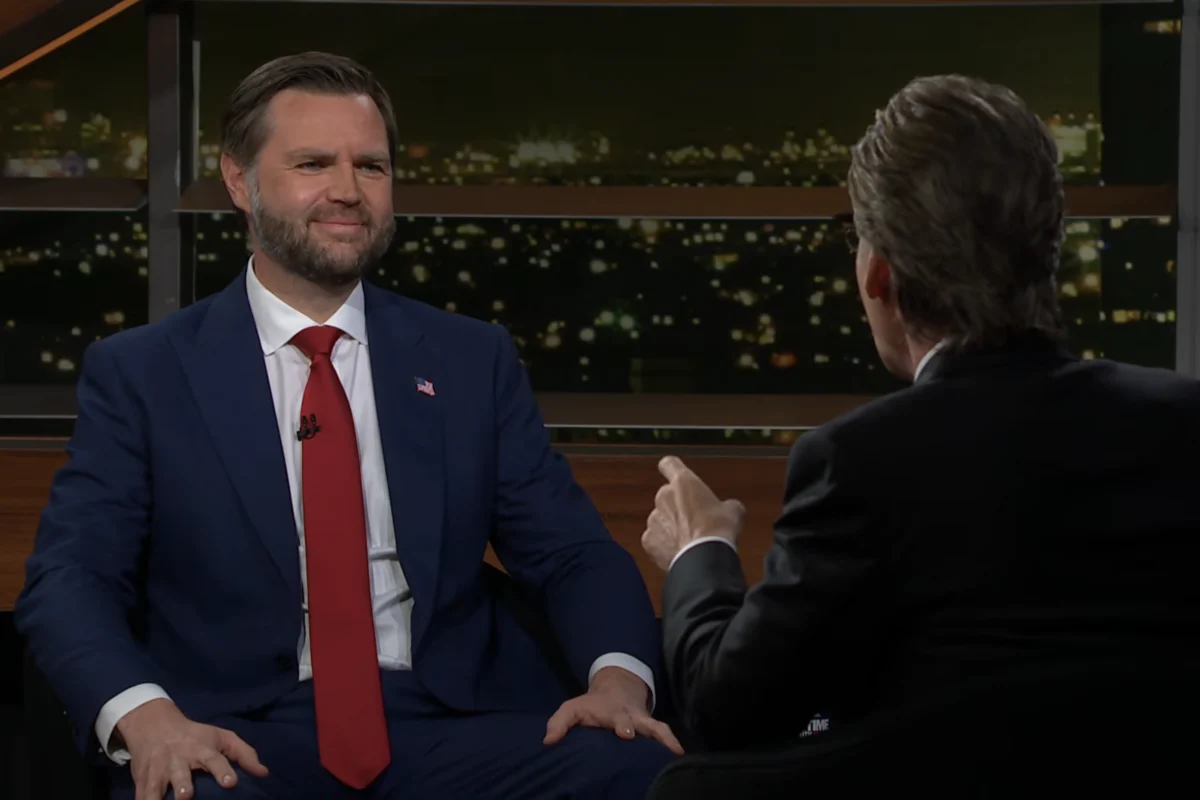
In a whirlwind week of public appearances, Vice President JD Vance has further solidified his role as the primary ideological architect of the current administration. From the hallowed, if controversial, grounds of the Richard Nixon Presidential Library to the freewheeling set of HBO’s Real Time with Bill Maher, Vance has aggressively sought to reframe historical narratives and justify the administration’s hardline policies. His recent comments, however, have sparked intense debate, raising questions about the administration’s relationship with democratic norms, its diplomatic efficacy, and its willingness to confront the realities of its own governing record.
Chronology: A Week in the Spotlight
The week’s events began on Thursday in Yorba Linda, California, at the Nixon Presidential Library. Addressing a crowd, Vance engaged in what many observers characterized as a deliberate rehabilitation of Richard Nixon’s reputation.
"I think that his historical legacy is enjoying a bit of a renaissance—but I think deservedly so," Vance remarked. He went on to offer a provocative assessment of the Watergate scandal, suggesting that the constitutional crisis that led to Nixon’s resignation would, in today’s hyper-accelerated media environment, be a mere footnote. "If Watergate happened tomorrow, it would be like a 12-hour news story," he stated. "The idea that it would have taken down a presidency is crazy."
The following evening, Vance shifted from historical revisionism to contemporary policy defense, becoming the first sitting vice president to appear on Real Time with Bill Maher. The interview spanned a wide array of topics, from the stalled nuclear negotiations with Iran to the moral implications of past ICE (Immigration and Customs Enforcement) enforcement actions. The encounter was marked by a tense, if cordial, back-and-forth, with Maher repeatedly attempting to pin the Vice President down on the administration’s stance regarding election integrity and the rhetoric surrounding the 2020 cycle.
Supporting Data and Policy Claims
The Iran Nuclear Question
A significant portion of the Real Time interview focused on the administration’s foreign policy, specifically the status of Iran’s nuclear capabilities. Vance defended the administration’s "maximum pressure" approach, claiming, "Their nuclear program is destroyed."
When pressed by Maher on the veracity of this claim—specifically citing the lack of on-the-ground international inspections—Vance insisted the program was "functionally destroyed," focusing his argument on the technical capacity to enrich uranium. However, the Vice President offered no verifiable intelligence or corroborating evidence to support the assertion that the regime’s nuclear ambitions have been effectively dismantled. Critics point out that without formal, transparent oversight or a renewed diplomatic framework, such claims remain unverifiable, potentially creating a dangerous perception of success that may not align with intelligence realities.
The ICE Enforcement Record
Maher challenged Vance on the administration’s past immigration enforcement tactics, urging him to acknowledge that the aggressive posture adopted by ICE during the early years of the Trump-Vance tenure was "too rough" and "unnecessary."
Vance’s response was characterized by classic political obfuscation. He argued that the nature of law enforcement operations at that scale inevitably leads to controversial optics, stating, "You can’t do a law enforcement operation like that without having some situations that are recorded like that." He stopped short of offering an apology or expressing regret for the administration’s methods, framing the actions as a regrettable but unavoidable necessity of border security.
The Election Integrity Impasse
The most contentious portion of the Real Time interview occurred when Maher, expressing frustration with the trajectory of the modern Democratic Party, floated the possibility of supporting a Republican candidate in the future. However, he laid out a clear "dealbreaker": the refusal of the Trump-Vance ticket to accept the results of elections they do not win.
"Under Trump, you guys have two outcomes that an election can be: either we win or they cheated," Maher asserted. "That shit has to stop."
Vance’s refusal to commit to a unconditional acceptance of future election results was a pivotal moment. Instead of offering a clear affirmation of democratic processes, he pivoted to his long-standing grievances regarding the technology sector. He argued that the primary threat to election integrity is not the rhetoric of politicians, but the alleged "censorship" by big tech companies—an argument he used to explain the dissatisfaction with the 2020 election results.
This assertion, however, is frequently challenged by independent analysts. Research, such as that provided by Media Matters, has often shown that right-leaning content frequently garners higher engagement on platforms like Facebook than liberal content, suggesting that the "censorship" narrative may not be supported by empirical engagement data.
Implications for the Administration
The implications of Vance’s recent public tour are multifaceted, touching upon the administration’s broader political strategy and its impact on the American electorate.
Historical Revisionism as Strategy
By positioning Nixon’s downfall as a triviality, Vance is not merely expressing an opinion; he is signaling a shift in how the administration views executive power and institutional accountability. By minimizing Watergate, the Vice President is essentially normalizing the idea that scandals, corruption, or executive overreach are distractions rather than fundamental threats to the Republic. This rhetorical strategy serves to insulate the current administration from similar scrutiny, effectively inoculating its supporters against the severity of potential institutional breaches.
The Media and the "Kid Gloves" Effect
The dynamic on Real Time—in which Maher, a frequent critic of the administration, seemed to struggle to maintain control of the conversation—raises questions about the effectiveness of current media strategies in holding power to account. Critics argue that Vance, an intellectual and former academic, uses a "Gish Gallop" style of debate—flooding the conversation with rapid-fire claims that are difficult to fact-check in real-time—to bypass traditional journalistic scrutiny.
The perception that Maher treated the Vice President with "kid gloves" suggests that even the most vocal critics are finding it increasingly difficult to navigate the administration’s combative media posture. This creates an environment where, despite the controversial nature of his claims, the Vice President is able to leave an interview without having been pinned down on core policy or democratic issues.
The Future of the GOP
Vance’s refusal to pivot away from the "stolen election" narrative, even when offered a potential opening by a moderate-leaning host, suggests that the Republican Party remains firmly tethered to its current populist platform. For the administration, the strategy is clear: double down on the base, maintain a constant state of grievance against media and technology institutions, and prioritize the narrative of "victory" over the technicalities of diplomatic or legal processes.
As the political season intensifies, the "Vance Doctrine"—a blend of historical revisionism, aggressive defense of executive prerogative, and a persistent focus on anti-establishment sentiment—is likely to become the standard playbook. Whether this approach expands the administration’s coalition or further alienates undecided voters remains the central question of the coming months. For now, Vance has proven himself to be a remarkably disciplined, albeit controversial, messenger, capable of steering the conversation toward the administration’s preferred topics while deftly sidestepping the uncomfortable realities of their governance.
The coming election cycle will ultimately determine whether this strategy of deflection and revisionism is a winning formula, or whether it will expose a fundamental disconnect between the administration’s messaging and the priorities of the broader American public. One thing is certain: JD Vance has no intention of tempering his rhetoric, and the political establishment, both media and partisan, is struggling to find an effective response.

 Asep Darmawan
 Layla Zulfa