Neng Nana
When Hogwarts Legacy arrived on PC and consoles in 2023, it was tasked with a monumental challenge: translating the cultural monolith of the Harry Potter universe into an immersive, open-world role-playing experience. While the franchise—built upon the foundation of J.K. Rowling’s novels—had already secured its place as a multi-billion-dollar juggernaut, the Wizarding World had long suffered from a perception of being "too small." By shifting the narrative focus away from the well-trodden halls of the 1990s and back to the Victorian Era, Hogwarts Legacy did more than just provide a sandbox for spell-casting; it fundamentally repaired a significant hole in the franchise’s worldbuilding.
The Foundation: A New Era of Exploration
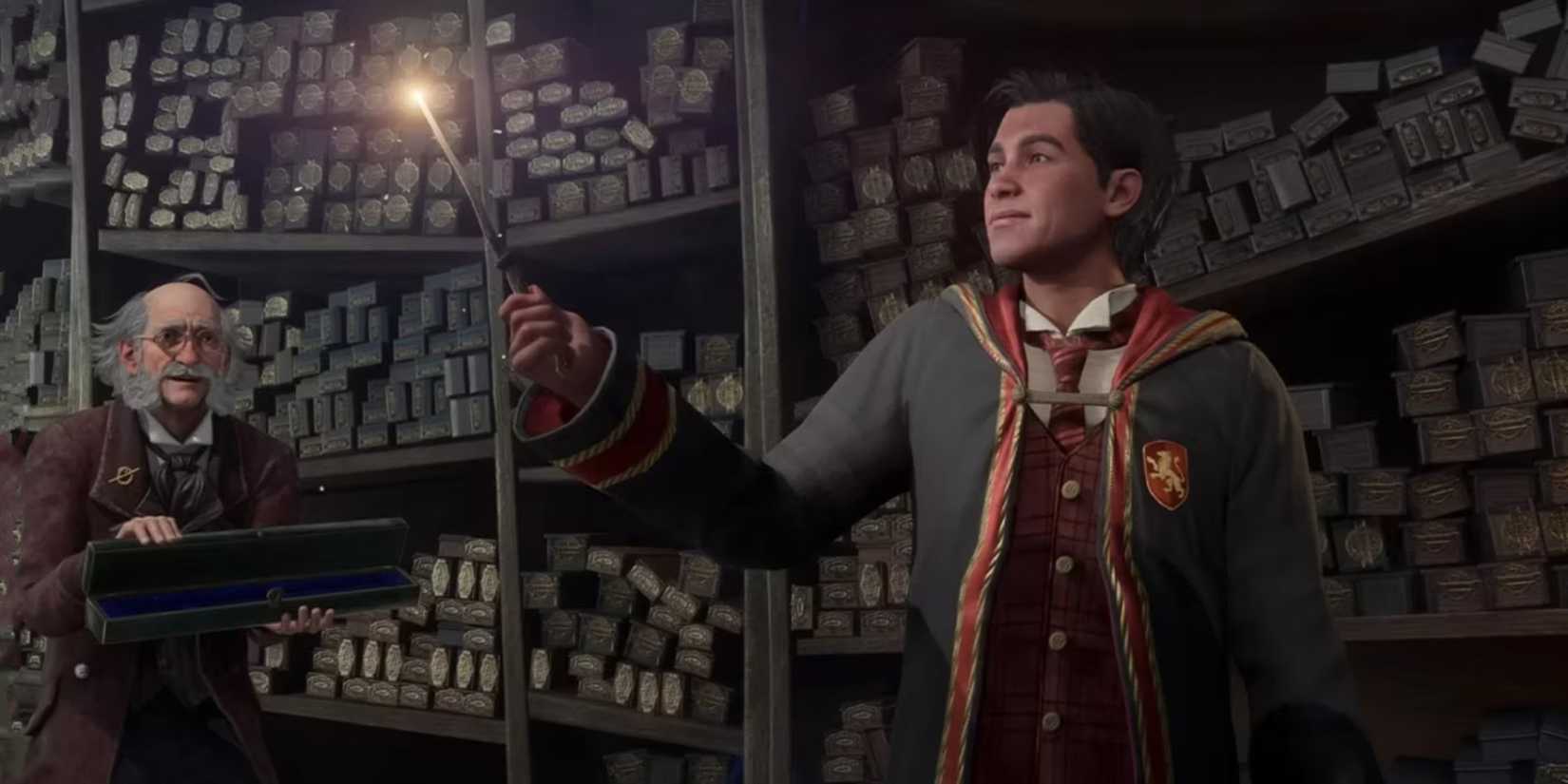
Hogwarts Legacy is not a direct adaptation of any existing written work. Instead, it serves as a bold, original entry point into the established magical ecosystem, set roughly a century before the birth of Harry Potter. Players step into the shoes of a custom student beginning their education at Hogwarts in their fifth year, possessing the rare and dangerous ability to manipulate Ancient Magic.
The narrative hook—the goblin Ranrok’s violent rebellion against wizardkind—is merely the catalyst for a much deeper dive into the mechanics of magic. The game offers a sprawling map that extends far beyond the castle walls, encompassing the Hogsmeade valley, sprawling forests, and secluded hamlets. By allowing players to attend classes, brew potions, nurture magical creatures in the Room of Requirement, and delve into long-forgotten tombs, the game transforms Hogwarts from a static backdrop into a living, breathing educational institution.

Chronology: The Victorian Shift
Set in the late 19th century, the game’s timeline occupies a "missing" space in the Wizarding World’s history. The original Harry Potter series, while rich in character development, often felt geographically and historically claustrophobic. By placing the game in the Victorian era, the developers at Avalanche Software were able to sidestep the baggage of the Potter timeline while simultaneously providing a prequel-adjacent experience that feels both familiar and refreshingly distinct.
This era provides a unique perspective on the power structures of the Wizarding World. We see a version of Hogwarts that operates with different social norms, pedagogical styles, and political pressures. This chronological choice serves as a narrative anchor, allowing players to witness the precursors to the modern wizarding families and the institutional foundations of the school, filling gaps that the books—focused on the singular journey of an orphaned boy—never had the space to address.
Supporting Data: Building a Global Perspective
For decades, critics of the Harry Potter franchise pointed to the "contained" nature of the world. Despite the lore suggesting a vast, interconnected global magical society, the books and films rarely stepped outside the borders of the United Kingdom and Ireland. Even when other schools like Durmstrang or Beauxbatons were mentioned, they remained abstract, never fully integrated into the narrative.

Hogwarts Legacy addresses this through its character roster and global lore. The inclusion of students like Natsai Onai, who hails from the Ugandan wizarding academy Uagadou, is a watershed moment for the franchise. Natty’s dialogue provides invaluable insight into magical traditions outside of the wand-centric European model, mentioning how students at Uagadou conjure magic through hand gestures and intent. This inclusion broadens the scope of the world, transforming the "Wizarding World" from a British specialty into a truly global phenomenon.
Furthermore, the game’s vast collection of field guide pages and ancient manuscripts acts as a historical database. By uncovering the lore behind landmarks, artifacts, and previous professors, players aren’t just completing a checklist; they are engaging with a comprehensive history of the school that predates the modern era, creating a sense of legacy that the films could only imply.
The Significance of Ancestry and Legacy
One of the most effective ways the game expands the lore is through the strategic use of family lineage. The developers populated 19th-century Hogwarts with the ancestors of iconic characters, creating a sense of continuity that feels organic rather than forced.
- The Blacks: Headmaster Phineas Nigellus Black, a character only briefly glimpsed as a portrait in Dumbledore’s office in The Order of the Phoenix, is given a full, cynical personality here. Players see the headmaster in his prime, illustrating the arrogance and coldness that would eventually trickle down through generations to Sirius Black.
- The Weasleys: Professor Matilda Weasley, the Deputy Headmistress, provides a grounded, red-headed anchor to the modern-day family, offering a warm contrast to the more rigid figures in the school.
- The Gaunts: Perhaps most significantly, the presence of Ominis Gaunt provides a chilling window into the lineage of Lord Voldemort. By framing a member of the Salazar Slytherin line as a well-intentioned, sympathetic figure struggling against his own dark family history, the game adds nuance to the nature of bloodlines and the choices that define a wizard’s morality.
Implications: A New Path for the Franchise
The implications of Hogwarts Legacy’s success are massive for the future of the Harry Potter IP. With an HBO series on the horizon and the Fantastic Beasts films failing to gain the critical momentum hoped for, Hogwarts Legacy has emerged as the definitive template for how to handle the franchise moving forward.
The game proves that audiences are eager for stories that don’t rely on the "Chosen One" trope or the specific conflicts of the 20th century. By shifting the focus to the world itself—the magic, the history, the creatures, and the academic environment—the game creates a sense of wonder that transcends the limitations of the original novels.
It also highlights the shift in modern storytelling for massive intellectual properties. Fans no longer want to just watch a story; they want to occupy the world. The "open-world" design allows for a level of detail that a linear film script could never achieve. When a player wanders through the Forbidden Forest or discovers a hidden passage in the dungeons, they are engaging in a form of worldbuilding that makes the universe feel larger and more permanent.

Conclusion: Fulfilling the Potential
The original Harry Potter series will always hold a place in literary history as a cultural phenomenon, but its worldbuilding was inherently limited by its scope. Hogwarts Legacy succeeds because it recognizes that the "Wizarding World" is larger than any one war, one school, or one family.
By grounding its narrative in deep, expansive lore, connecting the school to global magical traditions, and populating the halls with the ancestors of well-known characters, the game has retroactively enriched the entire franchise. It transformed a singular story into a vast, modular universe where the potential for exploration is infinite. As the franchise prepares to enter a new chapter with its television adaptation, it does so standing on the shoulders of Hogwarts Legacy—a title that proved, once and for all, that the magic of the Wizarding World is not just in the characters we know, but in the depths of the world they inhabit.
Ultimately, Hogwarts Legacy isn’t just a game; it is an act of expansion. It provides the context, the scale, and the nuance that the fans have been craving for years. It has successfully moved the franchise from a linear tale into a living history, setting the stage for a new generation of stories that will continue to captivate the imagination long after the final page of the original series is turned.

 Asep Darmawan
 Layla Zulfa