

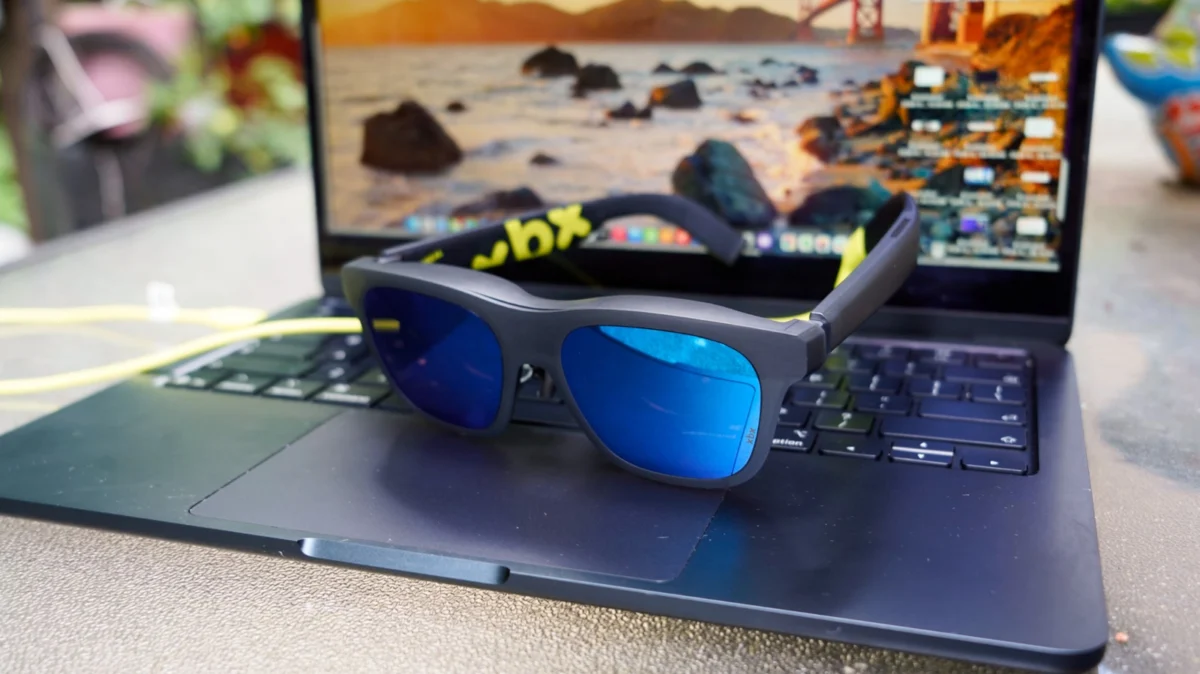
The landscape of Augmented Reality (AR) has long been bifurcated between prohibitively expensive, bulky headsets designed for enterprise use and lackluster, low-fidelity novelty items. However, the release of the Xreal XBX a01+ marks a significant turning point in consumer-grade wearable technology. Priced at $299, these glasses bridge the gap between premium performance and accessibility, offering a high-definition, 147-inch virtual display that fits comfortably in a standard eyewear form factor.
Main Facts: Redefining Budget-Friendly AR
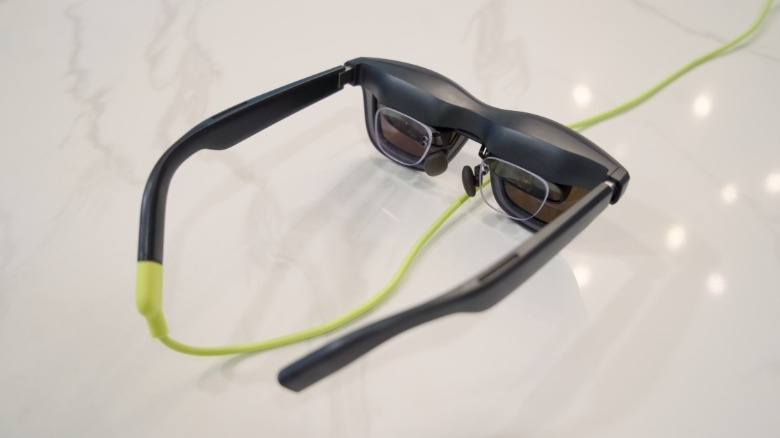
The Xreal XBX a01+ arrives as a compelling alternative to more expensive counterparts like the $599 Xreal One Pro. Despite the lower price point, the device does not compromise on visual quality. It features dual-layer Micro-OLED 1080p lenses capable of reaching a staggering 1,600 nits of peak brightness. This intensity ensures that the virtual image remains sharp and vibrant even in brightly lit environments, such as outdoor patios or sun-drenched offices.
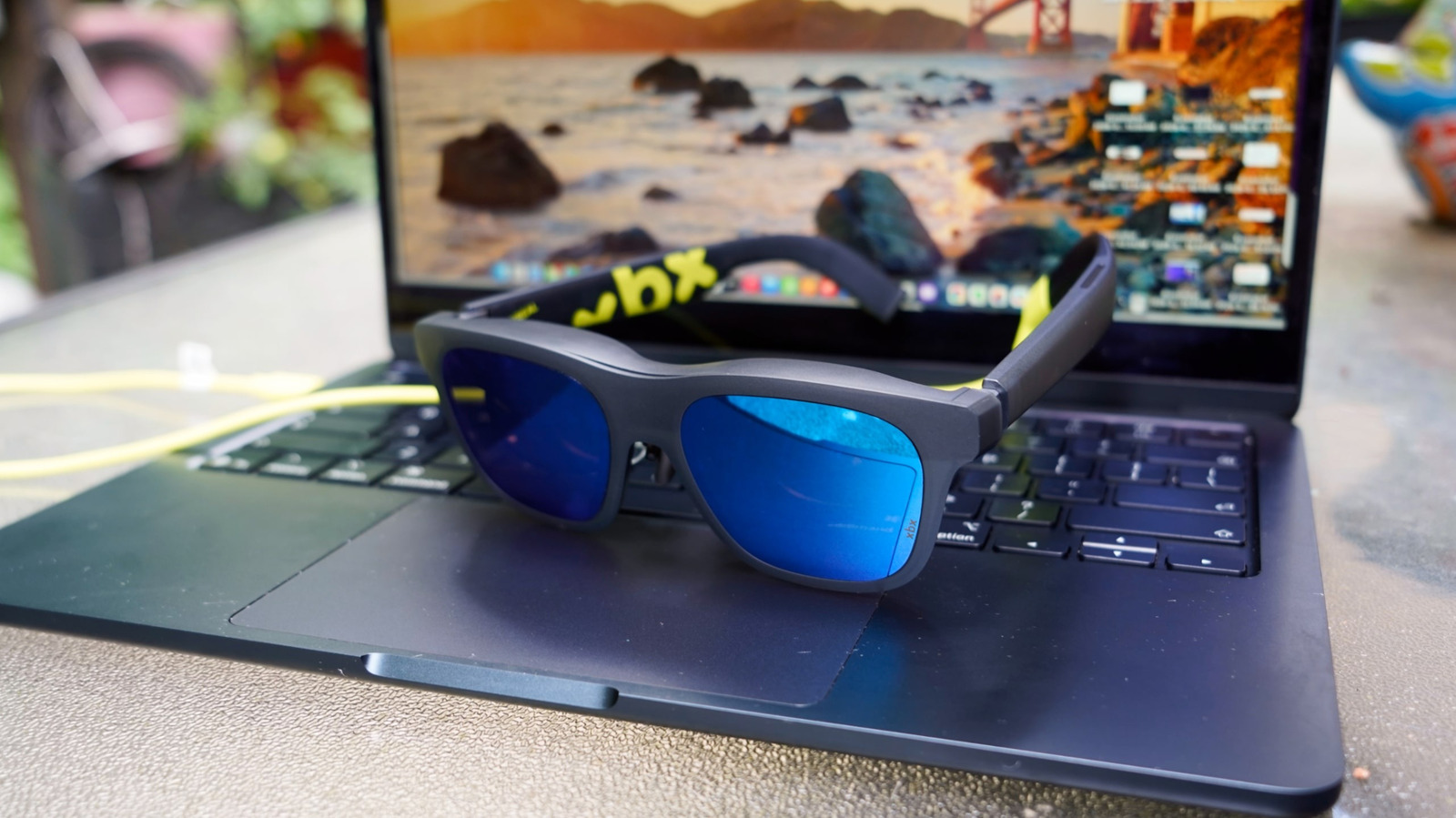
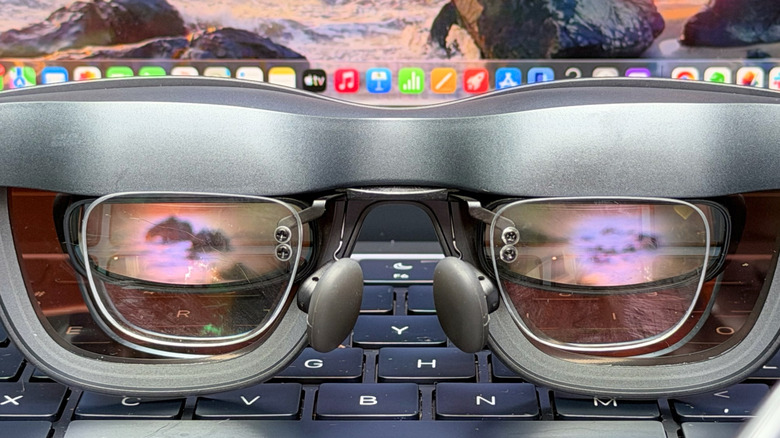
Weighing in at a mere 62 grams—roughly the weight of a standard C-cell battery—the device is designed for extended wear. Unlike the Apple Vision Pro or other bulky VR headsets that enclose the user in a heavy, heat-trapping mask, the XBX a01+ maintains an open-air design. It lacks integrated cameras, which simultaneously addresses common privacy concerns and keeps the hardware footprint minimal.
Chronology: The Evolution of Xreal’s Vision
Xreal has spent the last several years iterating on its core display technology. The company’s journey began with ambitious projects aimed at spatial computing, but their recent focus has shifted toward refining the "portable monitor" experience.
- Early Development: Xreal established its reputation with the Nreal/Xreal Air series, which proved that users wanted a "theater in their pocket."
- Market Pressure: With competitors like RayNeo introducing the Air 4 Pro at a similar $300 price point, the market for display glasses has become increasingly crowded. Xreal responded to this pressure by optimizing its manufacturing processes to deliver the a01+ without cutting corners on display fidelity.
- The Launch of a01+: The official rollout of the a01+ reflects a strategic pivot toward mass-market adoption. By stripping away non-essential "smart" features—like on-board cameras or heavy processors—Xreal created a device that functions essentially as an external display, reducing the technical overhead and, by extension, the final retail cost.
Supporting Data and Technical Specifications
The performance of the XBX a01+ is defined by its ability to create an immersive environment without the latency typically associated with wireless streaming.
Visual Fidelity and Refresh Rates
The device boasts a 50-degree field of view (FOV), which successfully simulates a 147-inch screen viewed from a comfortable distance. The 120Hz refresh rate is a standout feature, particularly for gamers. When connected to a high-end PC or a portable handheld like the Steam Deck, the glasses handle high-frame-rate content with remarkable fluidity.
Audio Integration
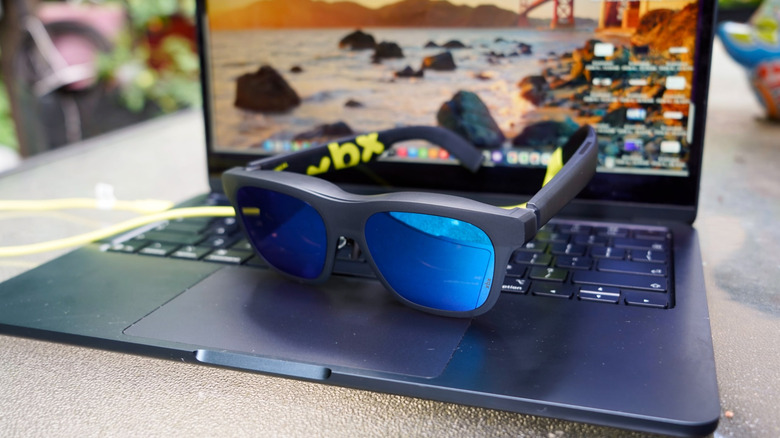
The frame-integrated, side-firing stereo speakers provide a surprising amount of clarity. While they lack the deep, resonant bass found in dedicated over-ear headphones, they offer multiple sound profiles—including standard, whisper, cinema, and 3D surround—that are more than adequate for media consumption while allowing the user to remain aware of their physical surroundings.
Compatibility Limitations
While the device is highly versatile, it is not universal. The lack of native support for the Nintendo Switch (without additional, cumbersome adapters like the Viture Pro Mobile Dock) remains a notable drawback. Furthermore, Xreal’s decision to cancel its proprietary "Neo" portable dock leaves a gap in the ecosystem, forcing users to rely on direct USB-C connections or third-party solutions for certain gaming consoles.
Official Responses and Industry Context
In response to inquiries regarding the naming convention of the device, Xreal representatives have clarified that there is no formal partnership or affiliation with Microsoft’s Xbox brand. The company noted that Microsoft is aware of the product’s existence and has expressed no opposition to the branding.
Industry analysts view this lack of integration as a missed opportunity for the gaming giant. By failing to align with a leading hardware manufacturer in the AR space, Microsoft has left a void in the portable gaming ecosystem that companies like Xreal are eager to fill. The consensus among reviewers and tech enthusiasts is that the a01+ acts as a "dumb" monitor—a benefit in terms of simplicity, but a limitation for those seeking a fully standalone spatial computing experience.
Implications: The Shift Toward Wearable Productivity
The existence of the XBX a01+ suggests a fundamental shift in how we might view productivity and entertainment in the coming decade.
The Death of the Small Screen
For travelers and remote workers, the ability to pack a 147-inch screen into a pocket-sized case is revolutionary. During testing, the device proved capable of handling document editing, web browsing, and photo manipulation when tethered to a MacBook Air. The ability to maintain a private, high-definition workspace in a crowded cafe or on an airplane offers a level of focus that a laptop screen simply cannot provide.

Health and Ergonomics
One of the most significant implications of this hardware is the potential for improved ergonomics. Users who struggle with "tech neck"—the strain caused by looking down at laptop screens or mobile devices—can position the virtual display at eye level. This allows for a more neutral spine posture, which could provide long-term health benefits for digital nomads and office professionals alike.
The Privacy Advantage
In an era where the public is increasingly wary of wearable cameras and data-harvesting sensors, the XBX a01+ offers a refreshing "offline" experience. Because the glasses do not track the user’s environment, they do not trigger the same social anxieties as devices like the Ray-Ban Meta glasses or the Apple Vision Pro. This makes them a more socially acceptable choice for use in public spaces.
Conclusion: Is the XBX a01+ Right for You?
The Xreal XBX a01+ is not an attempt to replace the computer or the smartphone; it is an attempt to enhance them. It is a highly specialized tool that excels at being a portable, personal cinema.
For the user who travels frequently, spends hours on the Steam Deck, or simply wants a private way to work in public without sacrificing screen real estate, the $299 price tag is easily justified. While it lacks the advanced AR/VR capabilities of more expensive headsets, its simplicity is its greatest strength. It is a "plug-and-play" solution that manages to make the futuristic promise of AR feel like a practical, everyday reality. As the market for these glasses continues to grow, we can expect to see further refinements in comfort and compatibility, but for now, the XBX a01+ stands as the benchmark for budget-friendly, high-performance display glasses.











