Evan Lee Salim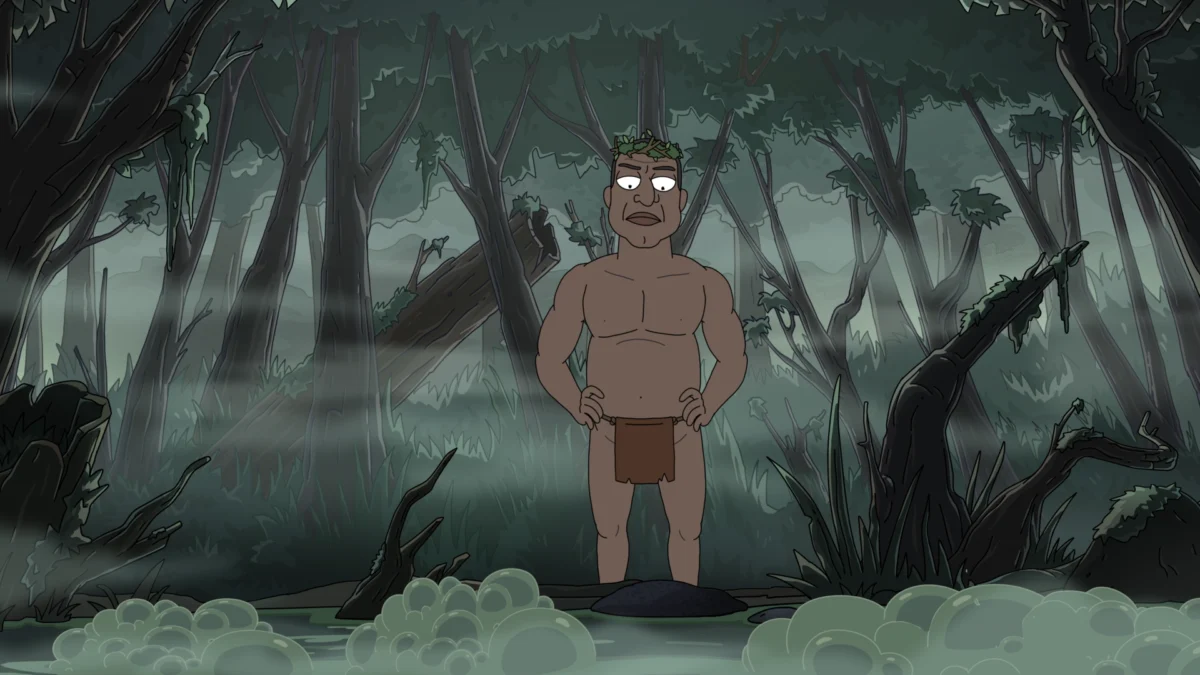
Annecy, France – June 27, 2026 – As the highly anticipated Rick and Morty spinoff, President Curtis, gears up for its Adult Swim premiere on July 26, its creators, Dan Harmon and James Siciliano, are finding themselves in an unexpectedly awkward position. A planned joke for the series, intended to highlight the titular character’s zealous patriotism, had to be scrapped due to uncanny parallels with real-world political actions attributed to former — and in this fictional 2026 context, current — President Donald Trump. This incident underscores the precarious balance between animated satire and an increasingly unpredictable political landscape, where fiction struggles to outpace reality.
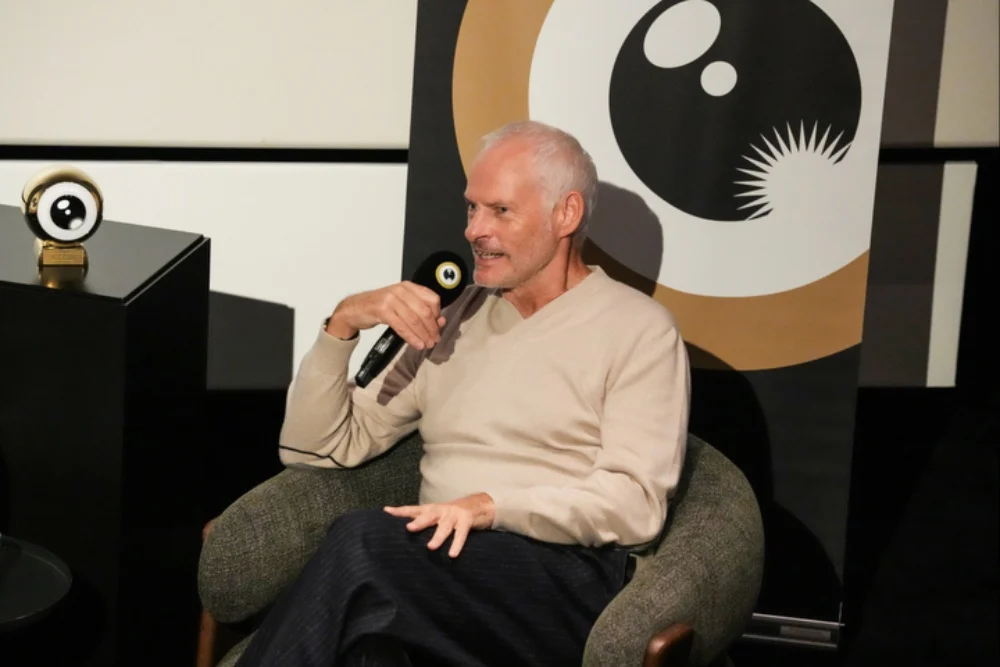
The revelation emerged during a Q&A session following a pilot screening at the prestigious Annecy International Animation Film Festival, where Harmon wryly commented on the timing of their presidential series. "How did we know the president was going to depress people four years ago? What warning signs did we have?" Harmon quipped, hinting at the challenges of creating political comedy when the political climate itself becomes a parody. The comment resonated with attendees, many of whom are grappling with a global political environment marked by polarization and a pervasive sense of fatigue.
Main Facts: A Spinoff’s Unforeseen Political Quandary
The President Curtis series, a direct outgrowth of the beloved Adult Swim phenomenon Rick and Morty, centers on President Andre Curtis, voiced by the inimitable Keith David. Known for his unwavering dedication to public service and a penchant for outlandish, high-tech solutions to national threats, Curtis is presented as an idealized, albeit exaggerated, leader. The spinoff promises to delve deeper into his adventures, showcasing a president who genuinely strives to protect America and its allies.
However, the creative team faced an early, self-imposed censorship challenge. A joke designed to illustrate President Curtis’s "Boy Scout" idealism – his ambition to expand the United States by adding more stars to the flag, symbolizing new states – became unviable. The reason? Its striking resemblance to past and ongoing real-world discussions and proposals by President Donald Trump, specifically his previously floated idea of purchasing Greenland and, by extension, the hypothetical expansion of U.S. territory to include Canada as the 51st state.
"I thought it would be cool if a staple of President Curtis’ character was that he was such a Boy Scout, such a believer in the real kind of like globalist vision of America, the leader of the free world kind of thing that he wanted to bring back adding stars to the flag," Harmon explained at Annecy. "Then you know who started popping off on it, and now we literally can’t do this." The sentiment highlights the difficulty of crafting satire in an era where political figures often push boundaries that previously existed only in the realm of absurdity.
Co-showrunner James Siciliano expressed hope that despite the current political climate, audiences would still embrace a fictional leader dedicated to genuine service. "It’s not his job to lie or serve himself or play politics," Siciliano stated. "He’s dedicated to the job, so it’s refreshing." This aspiration for a "refreshing" portrayal of leadership underscores a public yearning for integrity and purpose in governance, a sentiment that the President Curtis spinoff aims to tap into.
Chronology: From Cameo to Center Stage
The journey of President Andre Curtis from a memorable recurring character to the protagonist of his own series is a testament to his unexpected popularity within the Rick and Morty universe.
2021: The Genesis in "Rick & Morty’s Thanksploitation Spectacular"
President Andre Curtis first made a significant impact in the Rick and Morty Season 5 episode, "Rick & Morty’s Thanksploitation Spectacular." In this Thanksgiving-themed escapade, Curtis emerged as a formidable, if often exasperated, foil to Rick Sanchez. Their relationship was characterized by a complex mix of mutual reliance and deep-seated antagonism. In that episode, Curtis’s character was portrayed as a highly capable, albeit occasionally morally flexible, leader willing to go to extreme lengths—even briefly becoming the leader of a hive mind—to boost his approval ratings and ensure national security. This initial portrayal established him as a pragmatic and powerful figure, a dynamic antithesis to Rick’s nihilism.
Post-2021: The Spinoff’s Conception
It was in the aftermath of this episode, and amidst a continually volatile political landscape, that Harmon and Siciliano began to seriously consider a dedicated series for the character. The idea to develop President Curtis as a standalone project likely gained traction in late 2021 or early 2022. The creators recognized the potential for a show that could explore political themes through the lens of absurdist comedy, a hallmark of the Rick and Morty brand, but with a more focused narrative on leadership and national responsibility.
2022-2025: Development and Writing
Over the subsequent years, the development process unfolded. This period would have involved refining the character of President Curtis, expanding his world, and crafting storylines that balanced high-stakes action with satirical commentary. Harmon noted that he consciously "softened" the character for the spinoff, moving away from his more morally ambiguous Season 5 portrayal. The new iteration, as Harmon described, embodies a "golden retriever kind of personality" – eager to serve, protect, and rescue. This creative decision aimed to make Curtis a more aspirational figure, a deliberate contrast to the cynicism often associated with real-world politics. It was during this phase that the controversial "adding stars to the flag" joke was conceived, intended as a hyperbolic expression of Curtis’s boundless patriotism.
2019 & Beyond: The Trump Parallel
The issue with the joke stems from real-world events. In August 2019, reports surfaced that then-President Donald Trump had repeatedly expressed interest in buying Greenland from Denmark, causing an international diplomatic stir. While the "Canada as the 51st state" concept is less directly attributed to a concrete Trump proposal, it fits within a broader narrative of his administration’s unconventional diplomatic and territorial ambitions. The fact that Harmon noted Trump "started popping off on it" implies that the concept, or similar expansions, may have re-entered public discourse or continued to be a talking point for the former president in the years leading up to 2026. This ongoing political narrative ultimately rendered the satirical joke too close to reality, forcing its removal from the President Curtis script.
June 2026: Annecy Festival Premiere and Revelation
The Annecy Festival, a premier event in the animation world, served as the platform for the pilot’s screening and the creators’ candid discussion. This public acknowledgment of the scrapped joke and the underlying political sensitivities provided a potent pre-release narrative, highlighting the contemporary relevance and challenges facing the series.
Supporting Data: Satire, Politics, and the Adult Swim Universe
The President Curtis spinoff arrives from a franchise already steeped in biting social and political commentary. Rick and Morty has consistently pushed boundaries, using sci-fi premises to dissect everything from consumerism and existential dread to governmental bureaucracy and interdimensional politics. Its irreverent tone, complex narrative, and dedicated fanbase make it a fertile ground for exploring the absurdities of power.
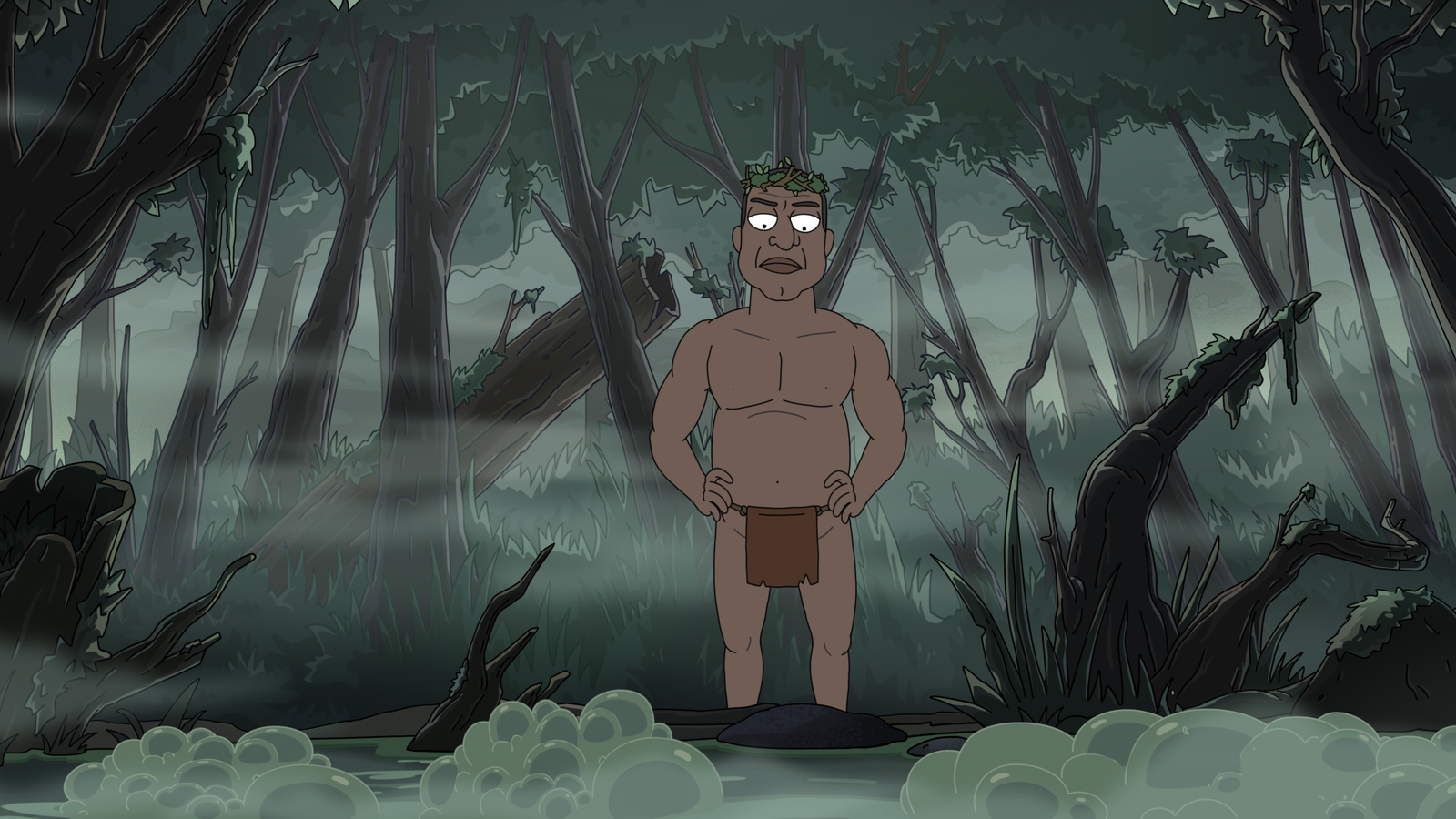
The Character of Andre Curtis:
Keith David’s portrayal of President Curtis has always been a highlight. David, a veteran voice actor known for his commanding presence, imbues Curtis with gravitas, charisma, and a touch of exasperated authority. His voice alone lends credibility to a character who, despite existing in a cartoon, must project presidential might. The decision to "soften" Curtis for his solo series reflects a nuanced understanding of how to sustain a protagonist. While his Rick and Morty appearances benefited from his occasional ruthlessness and willingness to manipulate, a lead character for an entire series needs a core of relatability and perhaps even aspirational qualities. Harmon’s comparison to Leslie Knope from Parks & Recreation (known for her unwavering public service) combined with Batman’s high-tech vigilantism perfectly encapsulates this refined version of Curtis – a heroic figure navigating modern complexities.
Political Satire in Animation: A Rich Tradition:
Animated television has a long and distinguished history of effective political satire. From the early days of The Flintstones subtly commenting on suburban life to the overt political jabs of The Simpsons, South Park, and Family Guy, animation offers a unique medium for critiquing society. Its ability to exaggerate, simplify, and abstract reality allows for commentary that can be both incisive and universally understood, often bypassing the direct backlash that live-action political comedy might face. Shows like BoJack Horseman and American Dad! have also explored the intricacies of power, celebrity, and the Washington D.C. ecosystem with remarkable depth. The President Curtis spinoff is poised to join this pantheon, offering a distinct perspective from the Rick and Morty creative stable.
The Real-World Political Backdrop (2026):
The year 2026, as depicted in the article, places the "real POTUS" (implied to be Donald Trump, likely in a hypothetical second term given the context) with "record low approval ratings." This reflects a broader societal sentiment of political exhaustion and disillusionment. Trump’s 2019 interest in buying Greenland was a real event, met with both disbelief and serious geopolitical analysis. The "Canada as the 51st state" concept, while less concretely pursued, represents a type of grand, unconventional, and often controversial ambition that became a hallmark of his presidency. For a satirical show, these real-world events create a double-edged sword: they offer rich material but also set a high bar for originality, as reality often proves stranger than fiction. The public’s fatigue with constant political drama makes the job of satirists even harder, as the line between commentary and simply rehashing news becomes blurred.
Official Responses: Navigating the Satirical Minefield
The statements from Dan Harmon and James Siciliano at the Annecy Festival provide crucial insights into the creative process and the challenges of producing timely political satire.
Dan Harmon’s Perspective on Unpredictability:
Harmon’s opening remarks, "We might have done a show about a pope if we had foresight… How did we know the president was going to depress people four years ago? What warning signs did we have?" are laden with a characteristic blend of self-awareness and sardonic humor. They speak to the inherent difficulty of predicting the future political climate when a show is conceived years in advance. The political landscape shifts rapidly, and what might be a clever, exaggerated joke during development can become an uncomfortable echo of reality by the time of release. His comment, "We didn’t start this show in a long-forgotten Camelot. We thought we were already operating in crazy times," suggests that the creators were already pushing boundaries, but even they underestimated the extent to which reality would eventually catch up to, or even surpass, their satirical intent. This underlines a significant challenge for creators aiming for evergreen humor in an increasingly accelerated news cycle.
The Scrapped Joke Explained:
Harmon’s detailed explanation of the "adding stars to the flag" joke and its subsequent removal is the core of the article. It’s a clear example of how direct, specific political actions by real figures can inadvertently neuter satirical content. The joke, designed to showcase Curtis’s over-the-top patriotism and belief in America’s global role, became unusable because it mirrored a real, albeit controversial, policy discussion. This isn’t about avoiding controversy; it’s about avoiding redundancy. Satire thrives on exaggeration and revealing uncomfortable truths, but if reality has already exaggerated itself to the point of absurdity, the satirist’s job becomes more difficult. The implication is that for a joke to land effectively, it must offer a fresh perspective or an even wilder scenario than what’s already playing out in the news.
James Siciliano’s Vision of an Idealized Leader:
Siciliano’s statement, "It’s not his job to lie or serve himself or play politics. He’s dedicated to the job, so it’s refreshing," articulates the underlying appeal of the President Curtis series. In an era marked by deep public cynicism towards political leadership, the concept of a fictional president genuinely committed to service and devoid of self-interest offers a form of escapism and wish fulfillment. This perspective suggests that the show isn’t just about lampooning politics but also about exploring the fantasy of what truly dedicated leadership could look like. This idealized portrayal might resonate deeply with audiences suffering from political fatigue, providing a comforting contrast to the perceived machinations of real-world governance.
Implications: The Future of Satire and the Rick and Morty Legacy
The incident with the scrapped joke for President Curtis carries several implications, both for the show itself and for the broader landscape of political satire.
Impact on President Curtis‘s Tone and Future Jokes:
The early creative hurdle might influence the show’s overall approach to political humor. While Rick and Morty is known for its no-holds-barred irreverence, President Curtis may have to tread a more careful line, or perhaps pivot towards more abstract forms of political commentary rather than directly mimicking real-world policy proposals. This doesn’t necessarily mean less biting satire, but perhaps a more metaphorical or generalized approach to political themes, ensuring the show remains ahead of the curve of reality’s absurdity. It could also encourage the writers to double down on the character-driven humor of Curtis, focusing on his "golden retriever" earnestness rather than specific policy parodies.
Broader Implications for Political Satire:
This episode raises a pertinent question for all creators of political satire: how do you satirize a reality that is already pushing the boundaries of belief? If political figures routinely engage in actions that sound like something out of a cartoon, the satirist’s toolkit of exaggeration becomes less effective. This could lead to a shift in satirical strategies, perhaps favoring more character-focused critiques, exploring the psychology behind political actions, or creating entirely fantastical political systems that bear no direct resemblance to current events, thereby safeguarding their comedic impact. The challenge lies in remaining relevant and insightful without merely echoing the news cycle.
The Expanding Rick and Morty Franchise:
President Curtis represents a significant expansion of the Rick and Morty universe, following other ventures like anime shorts and various comics. Its success will dictate the viability of further spinoffs, potentially establishing a broader Adult Swim animated multiverse. The show’s ability to navigate the complexities of political satire while maintaining the franchise’s distinct voice will be crucial for its long-term impact. This spinoff could either solidify the brand’s ability to adapt its core themes to new formats or highlight the limitations of stretching a highly specific comedic sensibility too thin.
Audience Reception in a Polarized World:
Siciliano’s hope that audiences will find the show "refreshing" points to a potential desire among viewers for an escape from the cynicism of real-world politics. In a deeply polarized environment, a show that offers an idealized, albeit comedic, vision of leadership might provide a welcome reprieve. However, the Rick and Morty fanbase is also known for appreciating dark humor and sharp commentary. The balance between offering a "refreshing" idealism and retaining the cutting edge of satire will be key to its reception. Will viewers embrace a "softer" President Curtis, or will they miss the more chaotic, morally ambiguous version seen in Rick and Morty?
The President Curtis spinoff is poised to be more than just another animated comedy. It’s a timely experiment in political satire, launching into a world that often feels too absurd to be real. The creators’ early decision to scrap a joke due to its real-world parallels is a stark reminder of the challenges faced by those who seek to find humor in power, especially when reality insists on writing its own outlandish scripts. As July 26 approaches, all eyes will be on Adult Swim to see if President Andre Curtis can lead audiences through the comedic chaos of his world, offering a refreshing perspective in an increasingly depressing political landscape.


 Lina Irawan
 Sagoh
Sagoh