Dwi Wanna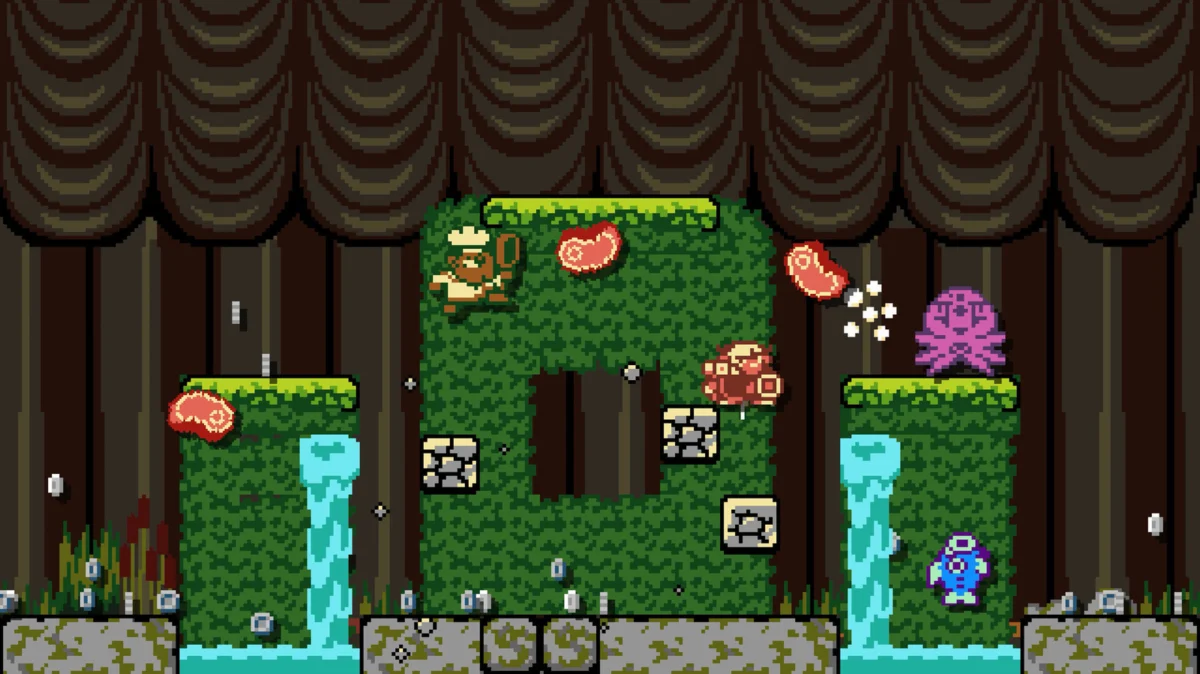
The independent gaming landscape is currently experiencing a period of intense volatility and creative fervor. As the industry grapples with shifting market trends and the closure of promising studios, players are finding solace in a wave of innovative, smaller-scale projects. This week, the spotlight shines on the highly anticipated Steam Summer Sale, the hardware evolution of the Steam Deck, and a diverse collection of indie titles that are pushing the boundaries of traditional genres.
The Steam Summer Sale: A Catalyst for the PC Ecosystem
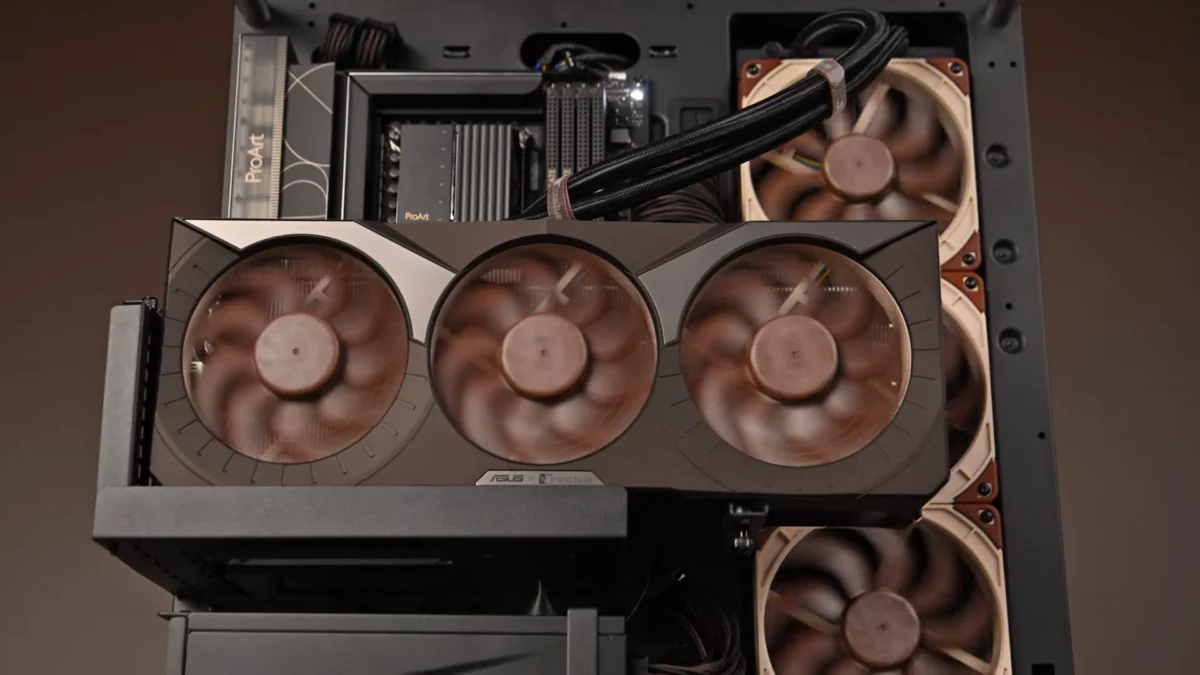
The Steam Summer Sale has officially commenced, running through July 9. For many PC enthusiasts, this event is more than a mere discount period; it is a seasonal ritual that reshapes digital libraries. However, this year’s sale arrives against a unique backdrop: Valve’s aggressive push into the high-end portable hardware space with the latest Steam Machine iterations.
While the new Steam Machines have drawn criticism for their premium price points—particularly given their status as specialized Linux-based systems—industry analysts suggest that the long-term cost-of-ownership benefits remain significant. By leveraging the lower baseline cost of PC games compared to their console counterparts, consumers can theoretically offset the initial hardware investment. With Valve shipping units while the sale is active, the company is clearly betting on the synergy between hardware adoption and software acquisition.
The Linux Shift and NVIDIA Compatibility
A critical point of discussion for the community is the reliance on SteamOS. While AMD GPU users have enjoyed relatively seamless integration, those tethered to NVIDIA hardware face a longer road. Reports indicate that robust driver support for NVIDIA on SteamOS may not fully materialize until 2027. This temporal gap highlights the bifurcated nature of the current Linux gaming experience. For now, the "do-it-yourself" approach remains a viable, albeit technically demanding, option for those looking to build their own Steam-compatible machines.
Market Realities: The Closure of Douze Dixièmes
The indie sector is not immune to the harsh economic realities of a crowded marketplace. This week, we received confirmation that Douze Dixièmes, the studio behind the visually arresting Metroidvania MIO: Memories in Orbit, has ceased operations.
Despite achieving critical acclaim and positive user sentiment upon launch, the title struggled to maintain visibility in an oversaturated market. The studio’s closure serves as a sobering reminder that artistic excellence and positive reviews are no longer guarantees of commercial sustainability. Furthermore, the delay of Ratatan—the highly anticipated spiritual successor to the cult classic Patapon—from its original July 16 release to October 15 reflects the current industry trend of prioritizing polish over early shipping to ensure a stronger initial impact.
Analysis: New Indie Releases
The following titles represent the diverse spectrum of current indie development, ranging from retro-inspired platformers to experimental hardware-specific projects.
Dark Scrolls: A Test of Resilience
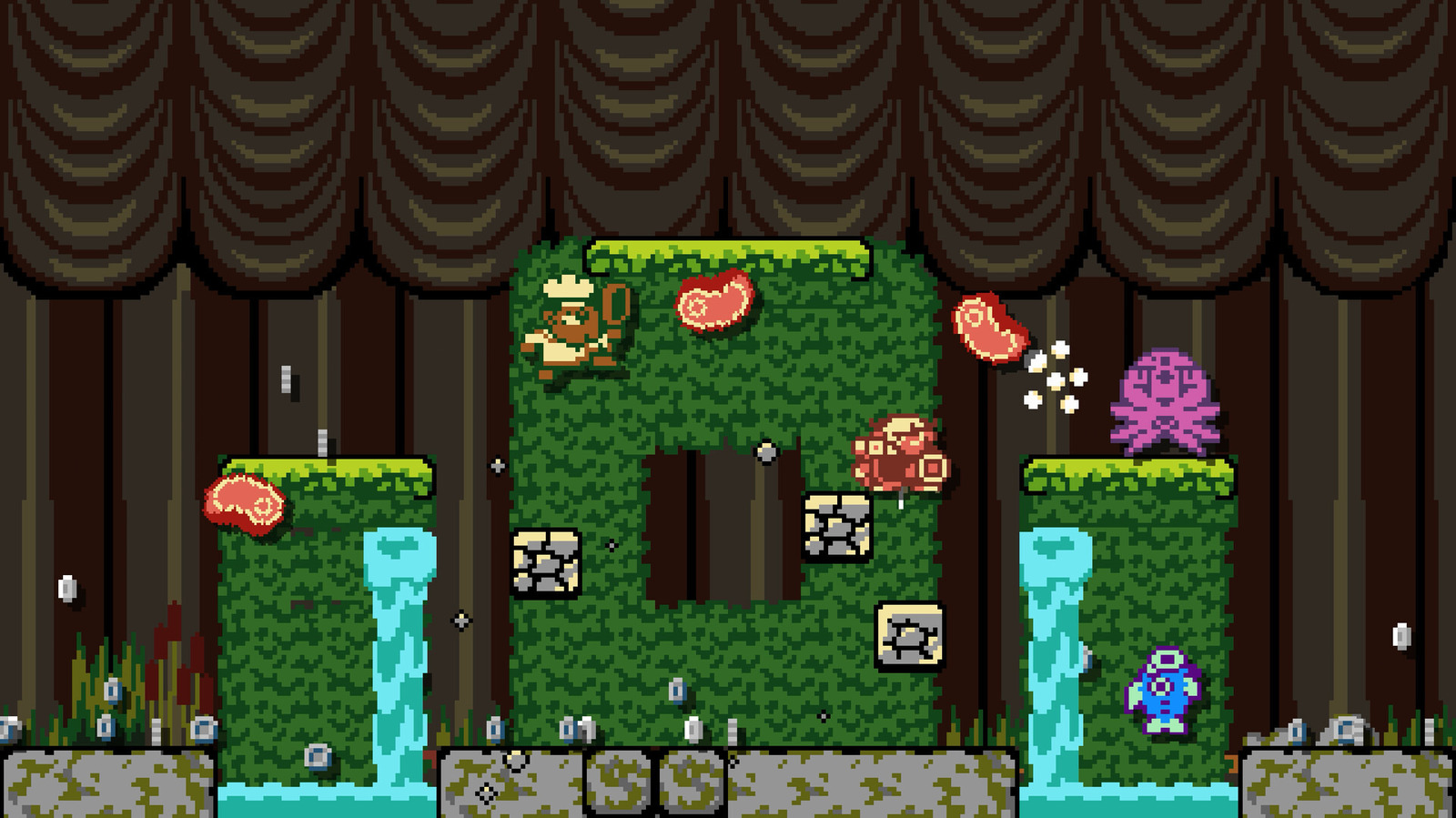
Developed by Doinksoft and published by Devolver Digital, Dark Scrolls attempts to marry the punishing, opaque design philosophy of FromSoftware with a side-scrolling platformer aesthetic.
- Gameplay Mechanics: The game relies on a lack of traditional tutorials, forcing players to uncover mechanics through experimentation.
- The Roguelite Friction: While the game’s "old-school" vibe is effectively captured through its Master System-inspired visuals and a charming "hotline" help system reminiscent of 90s gaming, the core roguelite loop faces criticism. The upgrade economy is notably brutal, with costs scaling exponentially in a way that feels at odds with the game’s linear level progression.
Mini AirHockey: Exploring the Steam Deck’s Potential
Geert Verhoeff’s Mini AirHockey is less of a traditional game and more of a technical demonstration. Designed specifically for the Steam Deck’s unique input array, the game utilizes the device’s touchpads to facilitate a two-player experience on a single screen. While the gameplay is rudimentary, it serves a specific purpose in the current market: showing off the unique form factor of handheld PCs to a broader audience.
Dart Racer: The Need for Speed
With the wait for major arcade-style racing titles continuing, Dart Racer from solo developer LubSoft offers a N64-era aesthetic that taps into pure, arcade nostalgia. Currently in Early Access, the game features customizable "darts" and a compelling, if potentially nauseating, VR first-person cockpit mode. The developer has committed to a nine-month roadmap to flesh out the campaign, tracks, and customization options.
Deer & Boy: A Narrative Focus
Moving away from mechanical complexity, Deer & Boy (published by Dear Villagers) focuses on the emotional resonance of a non-verbal narrative. Echoing the minimalist storytelling found in Inside, the game tracks the relationship between a young runaway and a fawn. By eschewing dialogue and complex text, the game aims for universal accessibility, relying heavily on its musical score to carry the emotional weight.
Upcoming Titles to Watch
The horizon remains bright for those looking for unique mechanical concepts.
Tears of Metal: Hack-and-Slash with Scale
Paper Cult, the team behind the frenetic Bloodroots, is set to release Tears of Metal on July 22. This roguelite hack-and-slash title emphasizes massive battles and strategic squad management. The inclusion of settlement-building mechanics between runs promises to provide the necessary depth to sustain long-term engagement. Notably, the team has signaled a commitment to iterative development, utilizing early access to refine balance and performance based on player feedback.
Erosion: A Time-Bending Roguelike
Plot Twist’s upcoming Western-themed roguelike, Erosion, presents perhaps the most interesting narrative hook of the year. By linking player deaths to the passage of time—causing the game world to age and evolve—the developers are introducing a temporal layer to the traditional roguelike formula. The ongoing playtest, while limited to an early build, provides a glimpse into a world where every failure has a lasting impact on the environment.
Dinoblade: The Prehistoric Power Fantasy
Scheduled for a July 23 release, Dinoblade leans into the "bonkers" side of indie gaming. The premise is simple: a sword-wielding Spinosaurus navigating a prehistoric world filled with weaponized dinosaurs. While the concept sounds like a parody, the action RPG mechanics—focused on parrying, dodging, and complex combo strings—suggest a title with genuine mechanical depth.
Implications for the Industry
The current state of indie gaming suggests three major trends:
- Hardware-Centric Design: As seen with Mini AirHockey, developers are beginning to tailor software specifically for the nuances of handheld hardware like the Steam Deck.
- Narrative Minimalism: The success of games like Deer & Boy suggests that there is a growing demand for "language-agnostic" storytelling that relies on environmental and musical cues.
- The "Early Access" Safety Net: Whether through Tears of Metal or Erosion, the industry continues to rely on community-led development to refine gameplay loops before a full commercial release.
As the Steam Summer Sale continues to drive traffic to these titles, the success of these indies will largely depend on their ability to stand out in an increasingly noisy marketplace. While the closure of studios like Douze Dixièmes highlights the risks, the sheer volume of high-quality, inventive, and experimental titles confirms that the creative heart of the gaming industry remains firmly within the indie sector.


 Ali Ikhwan
 Lina Hope