Evan Lee Salim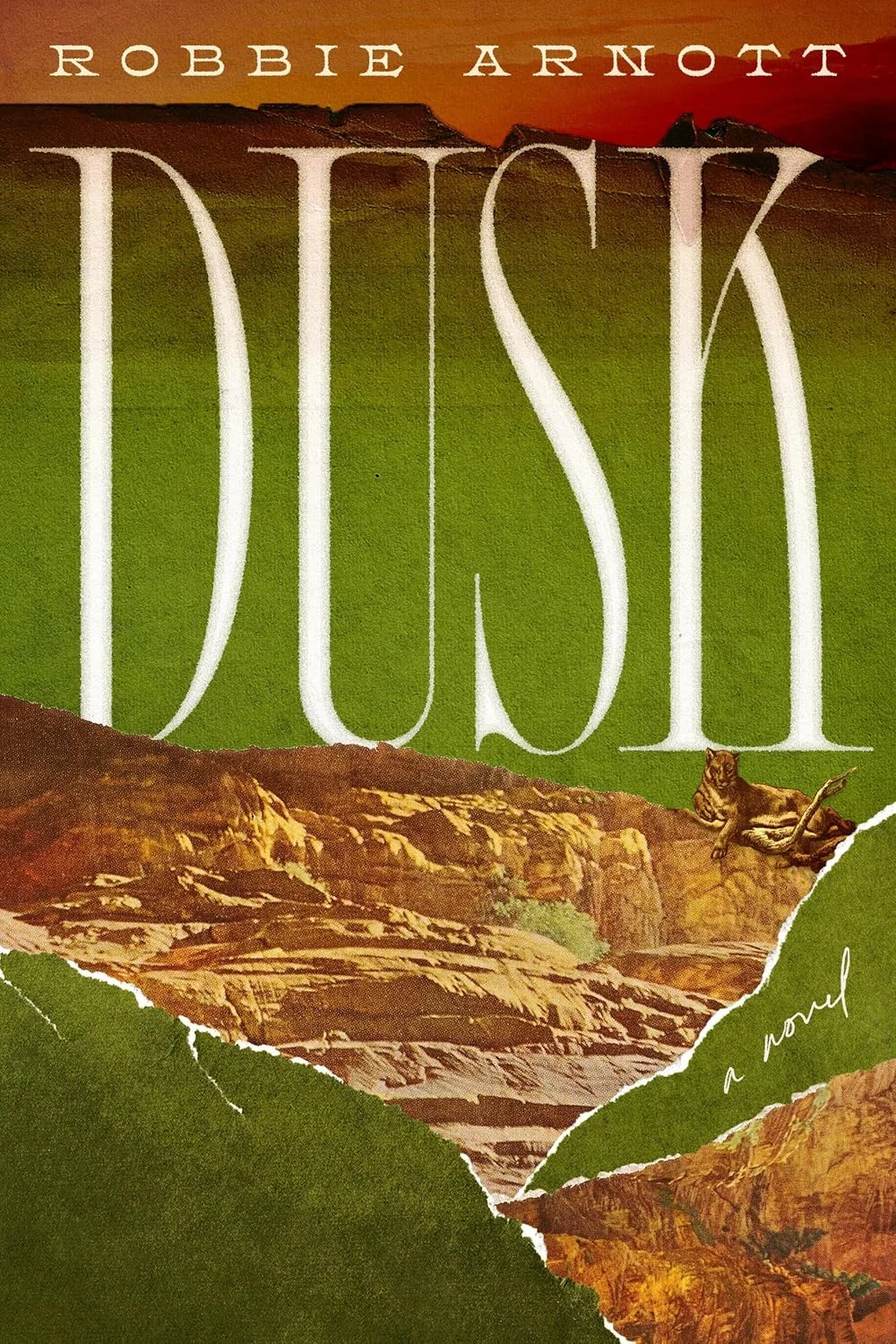
Climate fiction—often colloquially termed "cli-fi"—has rapidly ascended from a niche subgenre of science fiction to a dominant force in contemporary literary discourse. As the environmental crisis transitions from a distant scientific projection to an lived, daily reality for millions, the literature reflecting these anxieties has naturally proliferated. However, as the 2026 Climate Fiction Prize shortlist demonstrates, the genre is currently grappling with a fundamental identity crisis: Is "climate fiction" a category defined by the inclusion of environmental themes, or must it serve as a rigorous examination of the climate crisis itself?
Main Facts: The 2026 Shortlist Overview
The 2026 shortlist featured six distinct novels, each approaching the intersection of humanity and the environment through disparate literary traditions. The selected titles included Robbie Arnott’s Dusk, Susanna Kwan’s Awake in a Floating City, Keshava Guha’s The Tiger’s Share, Helen Phillips’ Hum (the eventual winner), Maria Reva’s Endling, and Madeleine Thien’s The Book of Records.
The breadth of these selections underscores the genre’s versatility. The list spanned historical fiction, dystopian drama, and contemporary literary realism. Yet, beneath this variety lies a tension: while these works successfully employ environmental degradation as a narrative catalyst, they often treat the climate as a scenic background—a "literary convenience"—rather than the primary driver of human destiny.

Chronology of the 2026 Prize Cycle
The 2026 cycle was marked by intense debate regarding the criteria for "climate fiction."
- Initial Selection: The shortlist was announced to critical acclaim for its literary merit, with early reviews praising the stylistic diversity of the selected authors.
- The "Atmosphere" Critique: As the summer progressed, literary critics began to question whether the shortlist was prioritizing aesthetic quality over thematic urgency.
- The Winner Announcement: In June 2026, Helen Phillips’ Hum was declared the winner. While lauded for its emotional resonance and depiction of technological alienation, the decision sparked a firestorm of debate regarding whether the novel truly grapples with climate change or merely uses a decaying world as a backdrop for a story about parenting and artificial intelligence.
- Post-Award Reflection: The final quarter of the cycle has seen a shift toward demanding a more rigorous definition of the genre, with critics calling for future committees to favor works that prioritize the systemic mechanisms of the climate crisis.
Supporting Data: Narrative Analysis of the Shortlisted Works
The shortlist reveals a stark divide between novels that use climate change as a core mechanic and those that utilize it as a stylistic veneer.
The Problem of "Background" Climate
In Robbie Arnott’s Dusk, the environmental injustice is filtered through the history of colonization. While the descriptions of the natural world—and the invasive presence of pumas in the Australian Alps—are breathtaking, the climate is treated as a metaphor for ancestral sin rather than a biological reality. Similarly, Keshava Guha’s The Tiger’s Share uses Delhi’s deteriorating air quality to frame a generational conflict. While the pollution is a byproduct of a changing climate, the narrative focus remains firmly on the psychological drama of inheritance and male entitlement.

Helen Phillips’ Hum presents perhaps the most contentious inclusion. It is a masterclass in the horror of surveillance and modern parenting, yet the climate change element feels detachable. If the story were relocated to a city with a stable climate, the core conflict regarding the protagonist, May, and her children’s obsession with AI "bunnies" would remain identical.
The Exception: Awake in a Floating City
Susanna Kwan’s Awake in a Floating City is widely cited by critics as the most authentic piece of climate fiction on the list. Set in a perpetually flooded San Francisco, the novel explores how individuals—specifically a home healthcare assistant and her elderly patient—adapt their entire lives to rising sea levels. Here, the environment is not a backdrop; it is the antagonist, the architect of the characters’ isolation, and the primary reason for their necessary, creative evolution.
Innovation and Structural Playfulness
Maria Reva’s Endling occupies a unique space, using the absurdity of romance tourism to contrast with the high-stakes, tragic reality of species extinction. The story of Yeva, a biologist trying to save an endangered species of snail while navigating the realities of war in Ukraine, is perhaps the most original structural experiment on the list. Despite its occasional drift into meta-narrative, the grief depicted in Endling captures the specific, crushing weight of loss that defines our current era of ecological collapse.

Official Responses and Literary Implications
The jury’s selection of Hum as the winner has drawn praise for its emotional tension but criticism for its thematic detachment from the climate crisis. Proponents argue that climate fiction should be allowed to explore the human cost of living in an unstable world, even if the "climate" is not the sole focus of the plot.
However, the opposing view—articulated by several prominent reviewers—is that by labeling works as "Climate Fiction" that treat the crisis as an afterthought, the industry risks "soft-soaping" the oncoming disaster. Critics argue that when literature fails to engage with the causes and systemic realities of environmental change, it misses the opportunity to help readers navigate the very real, very urgent future that lies ahead.
Implications for the Future of the Genre
The 2026 prize cycle has left the publishing industry and the literary community with three critical questions:

- The Definition Crisis: If a book can function identically without the climate change element, does it belong on a Climate Fiction shortlist? The consensus seems to be shifting toward "No." Future lists may face pressure to prioritize works that engage with the feedback loops, systemic injustice, and necessary adaptations of a warming world.
- The Burden of Atonement: Several of the shortlisted works, particularly The Tiger’s Share and Hum, deal with the "sins of the parents" and the inequitable distribution of responsibility. These narratives suggest that literature is increasingly interested in how we atone for the environmental damage our predecessors have inflicted. This is a fertile, if painful, ground for future storytelling.
- The Call for Urgency: There is a growing sentiment that the era of "aesthetic" climate fiction is drawing to a close. As the impacts of climate change accelerate, the demand for literature that provides a roadmap for resilience—or at least a clear-eyed look at the mechanisms of our collective decline—will only increase.
As the 2026 prize recedes into the history of the genre, the message from the literary community is clear: Climate fiction must evolve. It can no longer be enough to simply set a story in a flooded city or a smog-choked Delhi; the narrative must actively grapple with the structural and existential weight of the crisis itself.
The task for authors and future prize committees is to bridge the gap between "dystopian atmosphere" and "climate urgency." If the genre is to remain relevant in the coming decades, it must stop treating the end of the world as a picturesque setting and start treating it as the defining, active, and inescapable challenge of our time. Whether through the lens of solarpunk optimism or the gritty realism of Awake in a Floating City, the literature of the future must be as uncompromising as the climate itself.


 Azzam Bilal Chamdy
 Raul Delapena Setiawan