Nana Muazin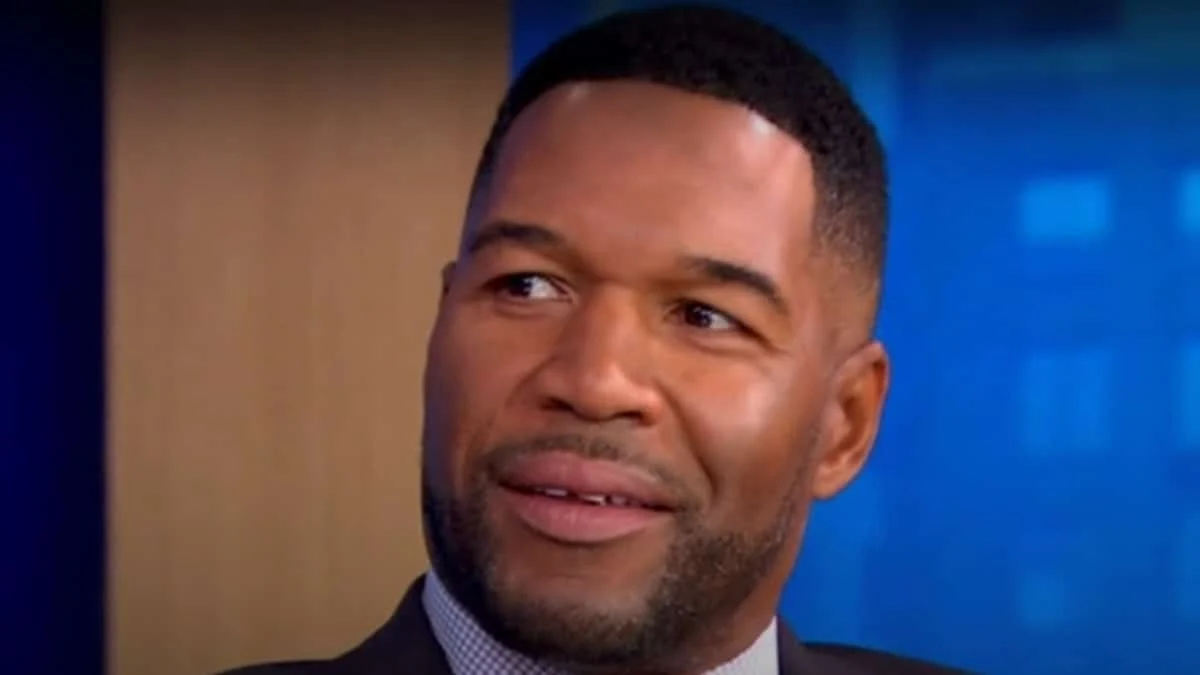
The 2025 NFL Draft will be remembered not only for its tactical selections and franchise-altering trades but for a polarizing narrative involving one of college football’s most scrutinized figures: Shedeur Sanders. The Colorado Buffaloes quarterback, once projected as a potential top-five pick, experienced a precipitous slide into the fifth round, eventually being selected by the Cleveland Browns.
The fall ignited a firestorm of media debate, reaching a crescendo on ABC’s Good Morning America (GMA). Former New York Giants legend and Pro Football Hall of Famer Michael Strahan used his platform to vehemently defend Sanders, blasting the use of "unnamed sources" within the NFL who disparaged the young athlete’s character and talent during the draft process. Strahan’s remarks have sparked a broader conversation regarding the ethics of anonymous scouting reports and the "Sanders effect" on professional football culture.
Chronology: From Heisman Hopeful to Fifth-Round Selection
The trajectory of Shedeur Sanders’ draft stock over the past year has been a volatile case study in sports media. Following a high-profile transfer from Jackson State to the University of Colorado under his father, Head Coach Deion "Coach Prime" Sanders, Shedeur became a household name. Early in the season, draft analysts and scouts touted his poise, accuracy, and "NFL-ready" arm, with many projecting him as the second overall pick behind only the most elite prospects.
However, as the draft approached, the narrative began to shift. On the final day of the draft, the sports world watched in surprise as round after round passed without Sanders’ name being called. The tension was exacerbated by a cruel digital-age prank; a viral video surfaced showing a group of children prank-calling Sanders, pretending to be the General Manager of the New Orleans Saints. The caller informed Sanders he was being drafted, only to mockingly tell him he would "have to wait a little bit longer" before hanging up.
Ultimately, the Cleveland Browns ended the slide in the fifth round. While the selection provided Sanders with a professional home, the journey from a projected top-two pick to the 140s represented a significant loss in guaranteed salary and draft prestige.
Supporting Data: The "Unnamed Source" and the Character Assessment
The catalyst for Michael Strahan’s impassioned defense was a report presented on GMA by co-host Lara Spencer. The report cited an "unnamed" NFL assistant coach who provided a scathing assessment of Sanders’ pre-draft interviews and overall ability.
According to the source, Sanders conducted "the worst formal interview" the coach had ever witnessed. The anonymous official further characterized Sanders as "entitled" and concluded with a blunt dismissal of his on-field potential, stating, "the biggest thing is, he’s not that great."
This critique taps into a recurring theme that has followed the Sanders family since Deion Sanders took over the Colorado program: the tension between traditional "old school" football culture and the high-gloss, brand-heavy approach of "Coach Prime." Critics often point to the family’s heavy social media presence and luxury lifestyle as evidence of a lack of focus, while supporters argue these are merely modern tools for empowerment in the NIL (Name, Image, and Likeness) era.
Official Responses: Strahan Sounds Off on Journalistic Integrity
Michael Strahan, a man who navigated the pressures of the New York media market for 15 seasons, did not mince words when responding to the report. His critique was two-fold: a defense of the player’s talent and a condemnation of the anonymity granted to NFL officials who disparage prospects.
"I hate when you have unnamed sources," Strahan declared during the live broadcast. "If you’re going to say something that bad to disparage a kid, put your name on it."
Strahan’s frustration stems from a long-standing grievance in professional sports journalism, where anonymous scouts or coaches can influence a player’s draft stock—and thus their earning potential—without facing any accountability for their claims. By calling out the cowardice of the "unnamed source," Strahan highlighted a systemic issue where subjective character assessments can outweigh objective performance data.
The Tom Brady Comparison
To bolster his argument, Strahan revealed that he had spent time during the draft weekend with seven-time Super Bowl champion Tom Brady. The comparison was poignant; Brady was famously selected 199th overall in the sixth round of the 2000 NFL Draft.

"As Tom said, ‘Doesn’t matter where you’re picked,’" Strahan shared. He noted that while the slide hurt Sanders "economically," it did not diminish his "opportunity-wise." Strahan, himself a second-round pick who went on to become one of the greatest defensive ends in history, emphasized that the draft position is merely a starting line, not a career ceiling.
The Conflict of Interest and Support
It is worth noting that Strahan’s defense is rooted in both personal and professional ties. Strahan’s production company, SMAC Entertainment, was instrumental in producing the Coach Prime docuseries for Amazon Prime Video. This project gave Strahan an intimate look at the Sanders family and the Colorado program. His defense of Shedeur is seen by some as a loyal gesture toward a business partner, but by others as an informed perspective from someone who has actually spent time behind the scenes with the athlete.
Public and Social Media Reaction
The segment resonated deeply with the GMA audience and the broader sports community. On Instagram, fans praised Strahan for his "professional yet firm" stance.
- "So glad Michael used his platform to say what we all know!" one viewer commented.
- "I’m glad he mentioned Brady because they know what’s happening," wrote another, highlighting the "chip-on-the-shoulder" mentality that often fuels late-round picks.
The consensus among many fans was that the "entitled" label is a dog-whistle often used against confident, high-profile Black athletes. Strahan’s insistence on accountability for these labels was viewed as a necessary check on the power of the NFL scouting machine.
Implications: The Road Ahead in Cleveland
The fallout from this draft cycle leaves Shedeur Sanders in a unique position. By falling to the fifth round, he joins a Cleveland Browns organization that has struggled with quarterback consistency for years.
1. The Economic Impact
The difference between being a top-five pick and a fifth-round pick is staggering. A top-five selection typically signs a contract worth upwards of $35 million, nearly all of it guaranteed. A fifth-round pick, by contrast, might sign for approximately $4 million over four years, with significantly less guaranteed money. Sanders has already amassed significant wealth through NIL deals, but the loss of NFL "slot money" is a tangible consequence of the "unnamed source" narrative.
2. The "Chip on the Shoulder" Narrative
History is replete with quarterbacks who used a draft-day slide as fuel. Beyond Tom Brady, players like Dak Prescott (fourth round) and Kirk Cousins (fourth round) have proven that mid-to-late-round selections can become franchise cornerstones. Strahan’s remarks suggest that Sanders has the mental fortitude to handle the "disparaging" remarks and use them as motivation.
3. The Scrutiny of the Browns
Cleveland is a difficult environment for a young quarterback, particularly one with the media profile of a Sanders. However, Strahan argued that this is a team where Sanders can "make a difference." If Sanders can beat the "entitled" narrative by outworking his peers, he has the potential to become a savior for a starved fan base.
4. The Future of Anonymous Scouting
Strahan’s "rant" adds to a growing movement of players and commentators calling for more transparency in the draft process. As athletes become more powerful through social media and independent branding, the ability of anonymous scouts to control the narrative is being challenged. Strahan’s demand—"put your name on it"—may become a rallying cry for future prospects facing similar character assassinations.
Conclusion
Michael Strahan’s defense of Shedeur Sanders serves as a bridge between the old guard of the NFL and the new generation of athlete-celebrities. By challenging the validity of anonymous critiques and pointing to the legendary trajectory of late-round picks like Tom Brady, Strahan shifted the focus from Sanders’ "fall" to his "future."
While the "unnamed" coach may have had the final word on draft night, the real verdict will be rendered on the field in Cleveland. As Strahan noted, the opportunity remains unchanged, and for a player raised under the bright lights of "Coach Prime," the fifth round may simply be the beginning of a much larger story of redemption.

 Neng Nana
 Asro
Asro