Lina Hope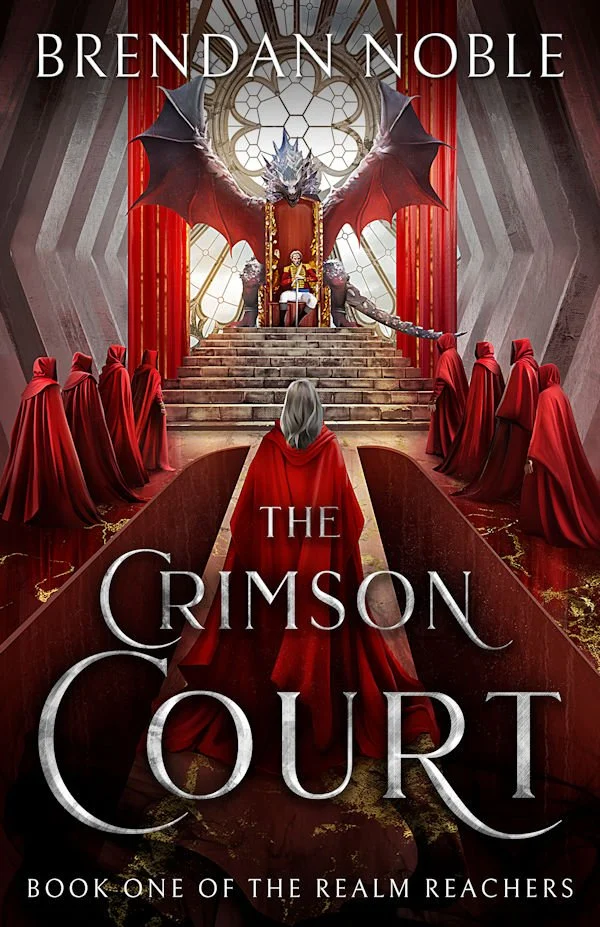
As the eleventh annual Self-Published Fantasy Blog-Off (SPFBO) enters its final stages, the judges at Fantasy Faction have reached a pivotal juncture. We are rapidly approaching the conclusion of the “cut posts”—a series of evaluative reports detailing the books that will not be advancing to the semi-finalist round. With only one remaining cut post left to feature two final titles, the team is preparing to pivot their full attention to the four books that have earned their place in the semi-finals.
The SPFBO is a grueling, marathon-style competition that highlights the immense creativity within the indie publishing sphere. Because the judges operate on a philosophy that reading is deeply subjective, these cuts are not intended as a condemnation of quality. Rather, they reflect the specific alchemy—or lack thereof—between a narrative and this particular panel of judges. We extend our deepest gratitude to every author who braved the submission process; putting one’s creative soul on display for public critique requires a level of professional courage that we sincerely admire.
The Process: Evaluating a Mountain of Prose
To understand the selection process, it is important to clarify the methodology. The SPFBO judging team does not read entries in a rigid order, nor do they rank books from "worst to best." Instead, they work through the massive intake of submissions in small, manageable batches.
The goal is to identify stories that resonate, possess strong craft, and offer a unique perspective in the crowded landscape of fantasy literature. Once the field is narrowed, the four semi-finalists will receive dedicated, long-form reviews to celebrate their achievements. For readers curious about the broader field, the official SPFBO website remains the primary resource for tracking the full list of 300 entries, while our introductions page provides context for the current cycle.
Deep Dive: Critical Reception of Recent Cuts
In this latest round, three titles have been sidelined. While each brought something distinct to the table, they faced varying degrees of friction with the judging panel.

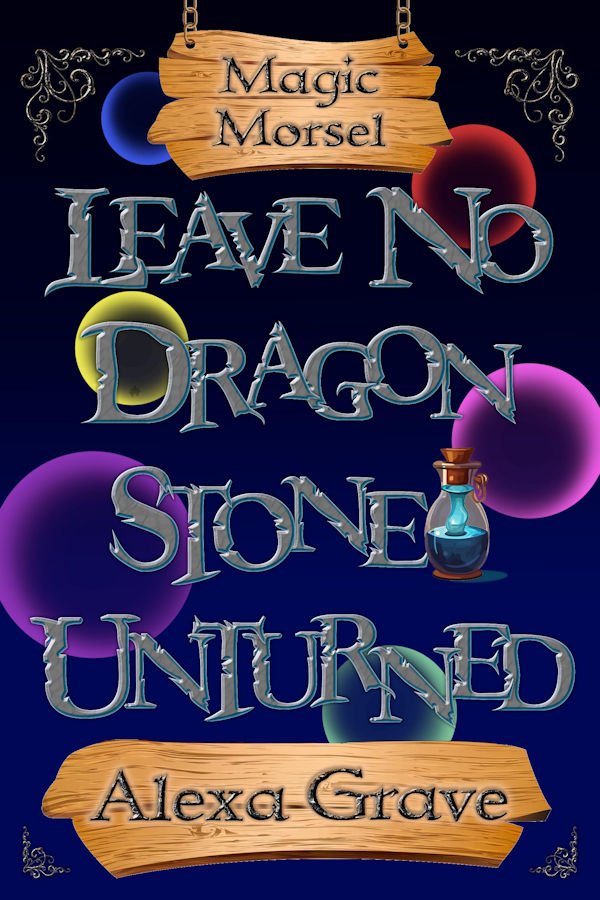
1. Leave No Dragon Stone Unturned by Alexa Grave
This urban fantasy outing follows Lila, a tech-mage and proprietor of the “Magic Morsel,” who serves as a neutral broker for supernatural entities in the Triopolis area. The premise—a blend of modern technology and high fantasy—initially charmed the panel. Judges praised the inventive world-building and the breezy, accessible pacing.
However, the consensus splintered over the book’s tonal balance. As judge Kerry noted, while the protagonist was self-assured and the concept of a tech-wielding chef was refreshing, the narrative became heavily saturated with the protagonist’s internal monologue regarding her romantic interests. The focus on her libido and the frequent inclusion of "spice" distracted significantly from the main plot for several judges. While the book succeeds as a lighthearted "comfort read" for fans of romance-forward fantasy, it struggled to maintain critical momentum due to these repetitive character preoccupations.
2. The Crimson Court by Brendan Noble
The Crimson Court represents perhaps the most frustrating entry for the team, as it contained the most promise. Featuring a Russian and Siberian-inspired setting, an inventive magic system utilizing fifteen distinct realms, and a refreshing, inclusive approach to character identities, it started with high praise.
The primary hurdle was the sheer scope of the narrative. Spanning over 700 pages, the book suffered from a "loss of steam" as the pacing slowed significantly in the second half. Judges found that while the world-building was top-tier, the characters felt somewhat thin, with motivations that were stated rather than naturally woven into the prose. While Stacey, a judge who experienced the title via audiobook, found the multiple POVs cohesive, the majority of the panel felt the narrative required a more aggressive editorial hand to tighten its focus and maximize its emotional impact.
3. Remnant by K. R. Solberg and C. R. Jacobson
This title struggled to gain traction with the panel from the outset. While the initial chapter—centered on the shocking death of an immortal—provided a compelling hook, the momentum dissolved shortly thereafter. The panel noted that the introduction of an overwhelming number of characters, coupled with a lack of narrative weight given to those characters, made it difficult for the reader to remain invested.
The writing style was frequently described as "flat" and "wordy," which hindered the story’s overall drive. The dialogue often leaned into a theatricality that felt unearned, and the world-building failed to provide a clear sense of place. Consequently, the team found it difficult to engage with the material, and none of the judges finished the volume, identifying it as a case where the complexity of the cast ultimately undermined the clarity of the plot.
Implications for the Genre
The varying reception of these three titles highlights the ongoing evolution of self-published fantasy.
- The Rise of Romantasy: Leave No Dragon Stone Unturned demonstrates that there is a massive appetite for romance-centric fantasy. However, authors in this space must be aware that if the romantic tension eclipses the plot, it may alienate readers looking for a more balanced "urban fantasy" experience.
- The Burden of Length: The critique of The Crimson Court serves as a cautionary tale for epic fantasy authors. Ambitious, expansive worlds are a hallmark of the genre, but they must be supported by character development that evolves alongside the geography. When the plot stretches past 700 pages, the internal lives of the characters become the anchor; if that anchor is thin, the reader will eventually drift.
- Narrative Economy: Remnant underscores the importance of narrative economy. In an era where readers are bombarded with content, the ability to manage a cast list—and ensure that each introduction serves the plot—is a critical skill that determines whether a reader stays for the long haul.
Official Responses and Next Steps
The SPFBO panel this year is comprised of a diverse group of readers: Adawia Asad, Eva Geraghty, Evelyn Grimald “E.G.” Stone, Julia Kitvaria Sarene, Karen Lucia, Kerry Smith, Kit Caelsto, Maureen Neuman, Robert Max Freeman, Sara Rosevear, Sherry Cammer, Stacey Markle, Tianna Twyman, and Yaniv Rosenfeld Cohen.
These judges bring a wide array of personal preferences to the table, ranging from a desire for tight, fast-paced political intrigue to a preference for atmospheric, character-driven slow burns. By aggregating these views, the competition aims to find books that are objectively strong, even if they don’t align with every single judge’s individual taste.
For the authors who did not advance: your work has been read, debated, and considered by a panel of dedicated fans and critics. This is an achievement in itself. The literary landscape is vast, and the feedback provided in these cut posts is intended as a constructive tool for future growth.
As we look toward the final cut and the eventual announcement of the semi-finalists, we invite our readers to continue following the journey. The SPFBO is more than a competition; it is a celebration of the tireless work of independent authors and the community that supports them.
For any inquiries or follow-up questions regarding the judging process, the editorial team, led by Jennie Ivins, is available via social media on Bluesky and Threads. Stay tuned for the final cut post, which will pave the way for the ultimate reveal of our top contenders. Happy reading!

 Muslim
 Reynand Wu