Iffa Jayyana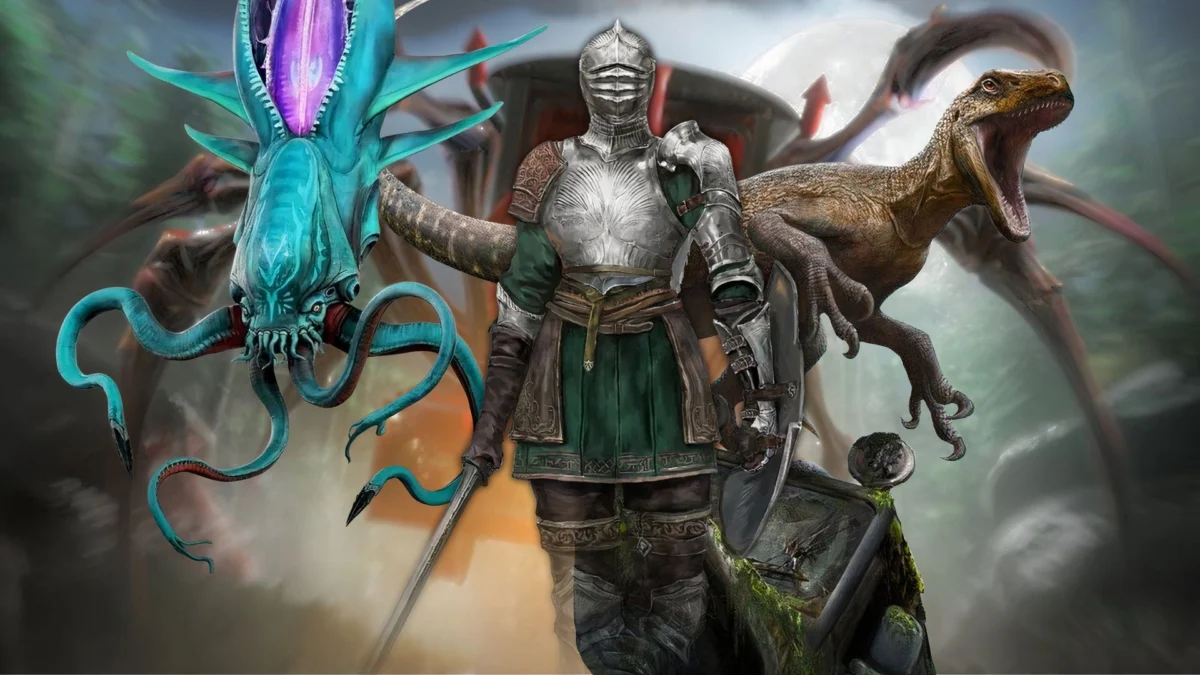
Exploration is the lifeblood of modern gaming. From the pixelated frontiers of early platformers to the sprawling, photorealistic vistas of contemporary open-world epics, the urge to see what lies beyond the next horizon is a fundamental human drive that developers have successfully gamified. It is an addictively fun pursuit, offering the promise of hidden treasures, narrative breakthroughs, and a sense of unparalleled freedom.
However, this exhilaration is often a double-edged sword. In many of the industry’s most revered titles, the thrill of discovery is inextricably linked to the specter of sudden, catastrophic failure. Whether it is a hostile creature capable of ending a ten-hour run in a single strike or an environmental hazard that renders a path impassable until specific equipment is secured, exploration can pivot from a meditative journey to a stress-inducing trial in an instant. For many players, this tension is precisely the point.
The Psychology of Perilous Play
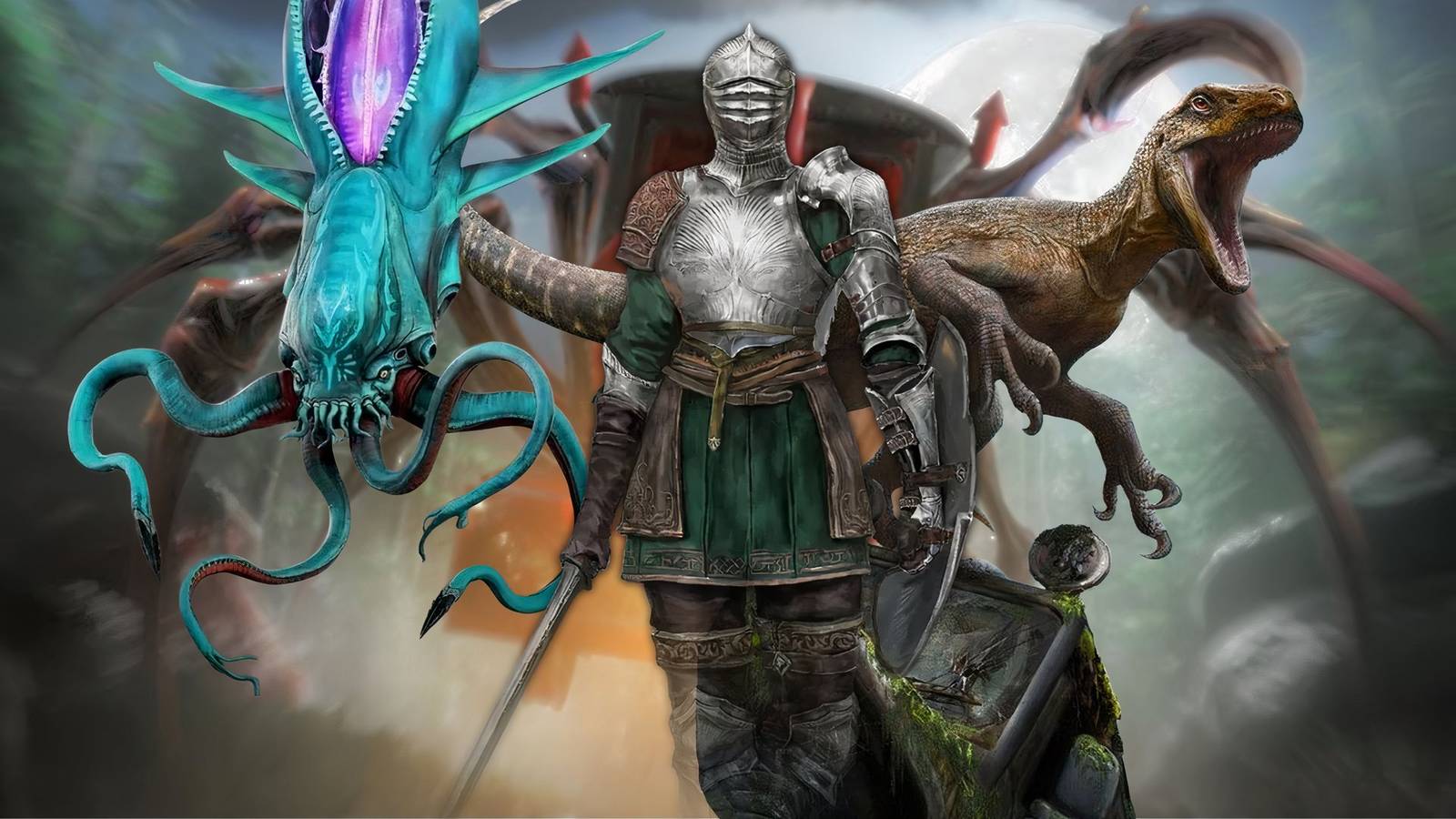
Why do players seek out games that actively punish them for wandering off the beaten path? The answer lies in the "risk-reward" feedback loop. When a game world is truly dangerous, every successful excursion feels earned. The stakes—losing accumulated loot, backtracking through treacherous terrain, or facing the temporary loss of hard-won progress—infuse the world with a sense of "realness" that static, safe environments lack.
As game design has evolved, the methods by which developers make exploration dangerous have become increasingly sophisticated. It is no longer just about higher damage numbers on enemies; it is about systemic threats, environmental storytelling, and the psychological weight of being "lost" in a hostile wilderness.

10 Games Where Exploration is a Life-or-Death Gamble
10. Minecraft: The Illusion of Safety
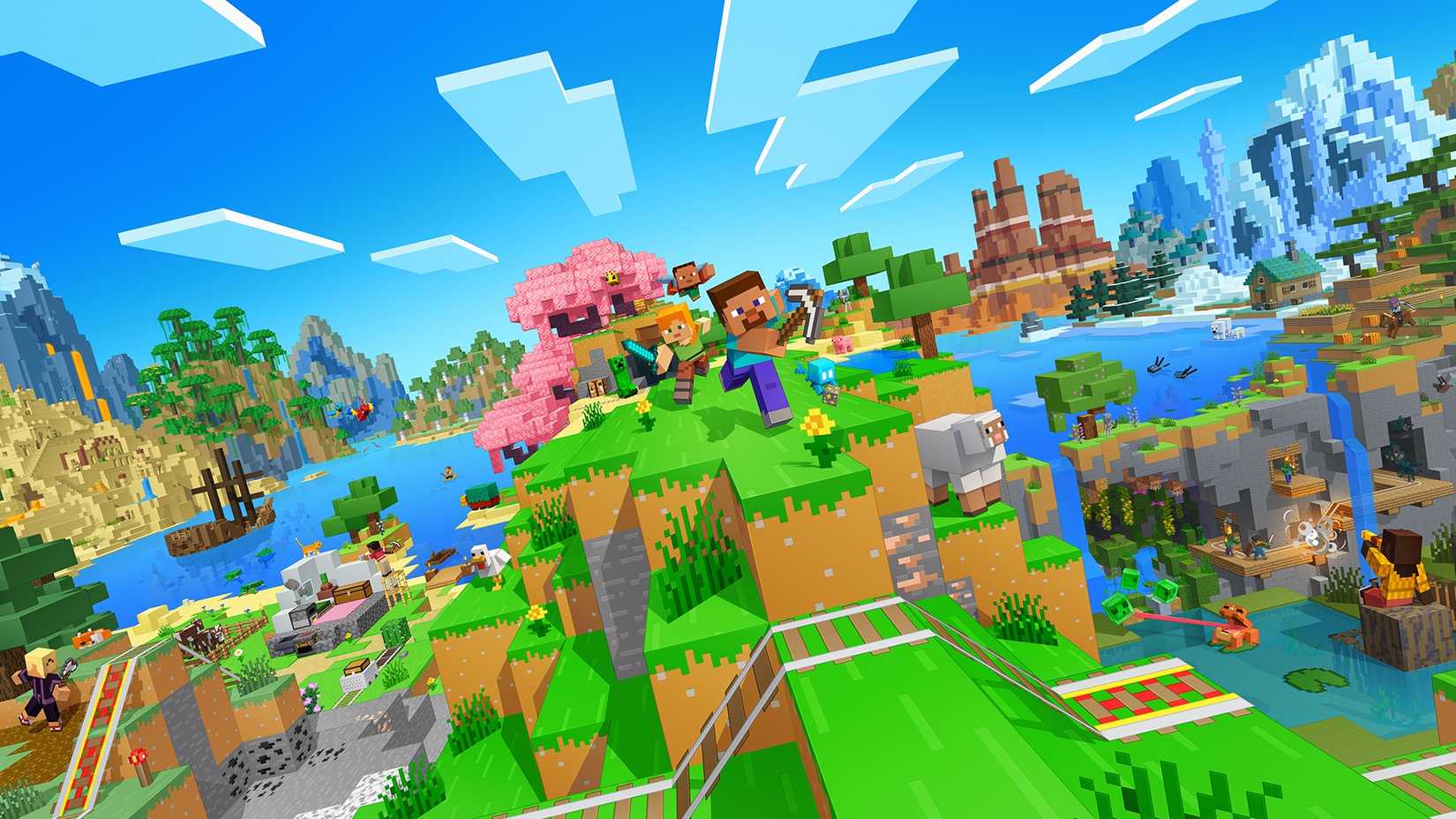
While often perceived as a tranquil sandbox, Minecraft’s Survival Mode is a masterclass in sudden, high-stakes danger. Whether you are deep in the bowels of the earth mining for diamonds or traversing the night-chilled surface, death is always a Creeper’s hiss away. The frustration of losing a full inventory of rare materials after a tumble into lava or a surprise ambush is a rite of passage. Over the years, updates have only increased the complexity of these threats, from the suffocating pressure of deep-sea monuments to the relentless pursuit of wardens in the Deep Dark, making every expedition a calculated risk.
9. Choo-Choo Charles: Siderodromophobia Unleashed
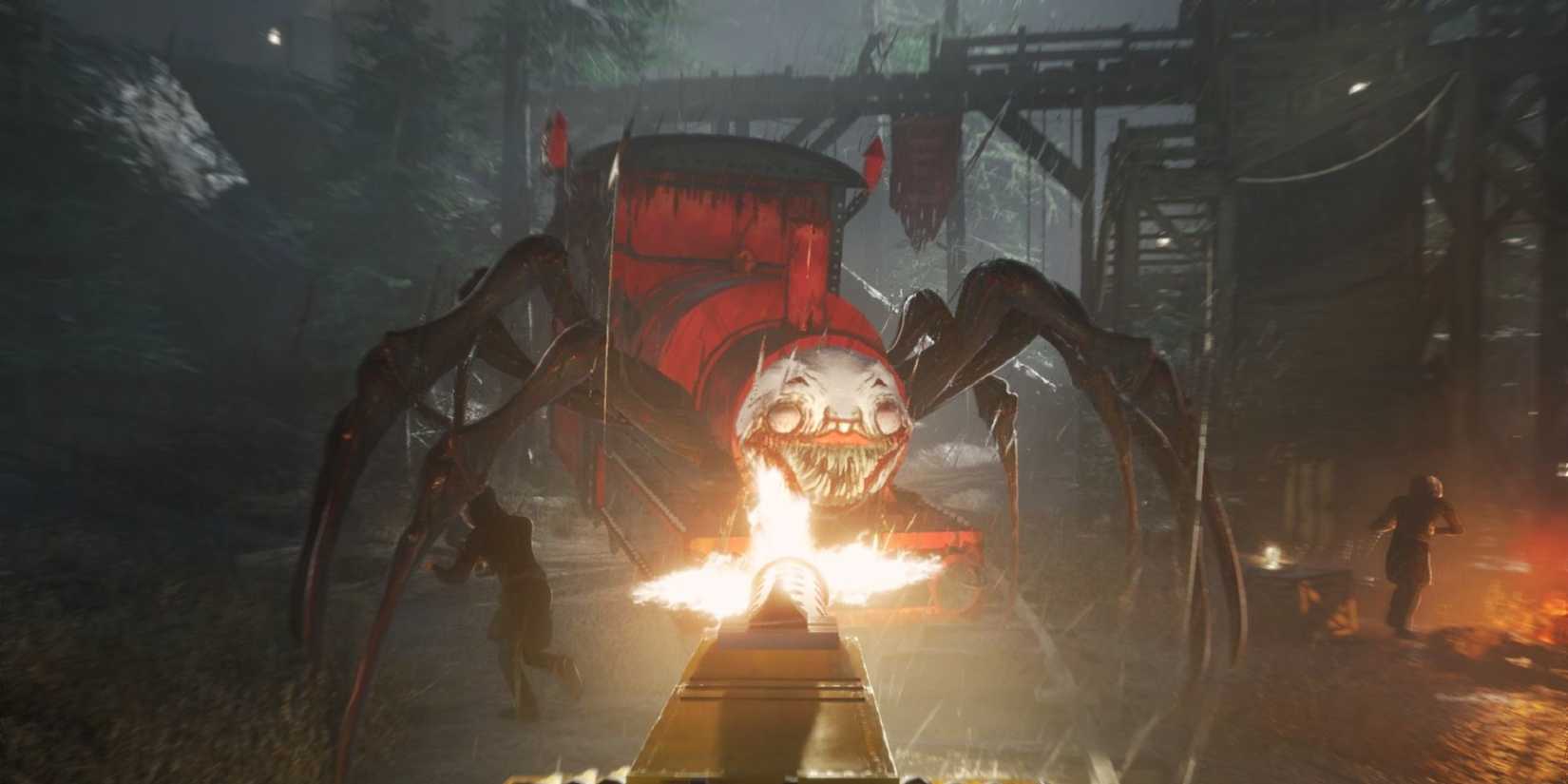
Choo-Choo Charles takes a bizarre concept—a spider-legged, sentient locomotive—and transforms it into a relentless pursuer. Set on the island of Aranearum, the game forces players to balance on-foot exploration with the need to maintain their only sanctuary: a machine-gun-mounted train. The tension is constant; the knowledge that Charles could emerge from the foliage at any moment turns a routine quest for scrap metal into a frantic race for survival.
8. The Elder Scrolls V: Skyrim: A World of Giants and Dragons
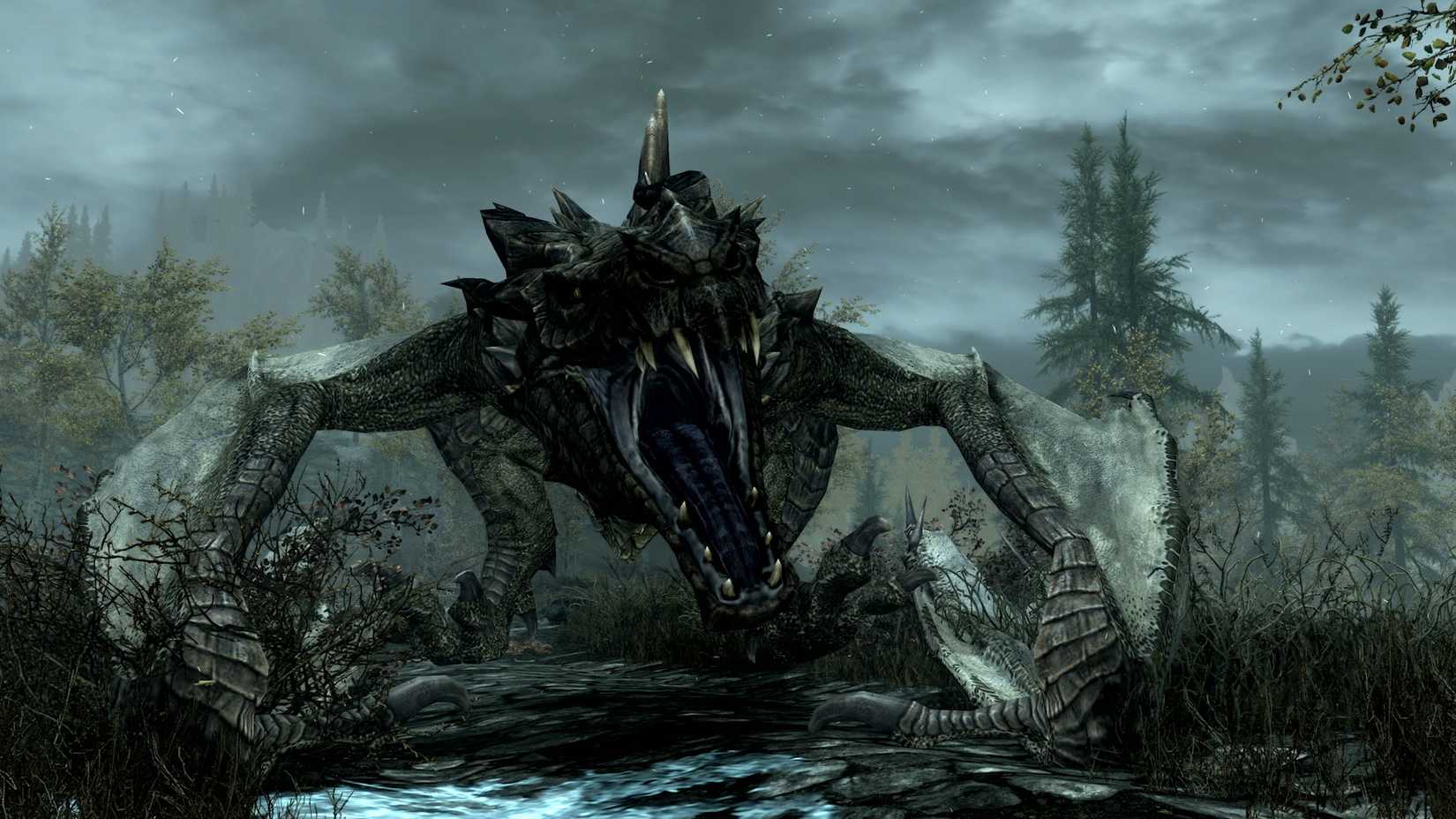
In Skyrim, the world is designed to humble the player early on. While the Dragonborn eventually becomes a god-like entity, the early game is defined by the terror of random dragon encounters and the sheer brute force of giants. Wandering too close to a camp or stumbling into a high-level dungeon often results in a swift, one-hit death. The beauty of Skyrim is that it never holds your hand; if you walk into a cave that is too difficult for your current level, the game will happily let you perish, teaching you the harsh reality of the province’s hierarchy.
7. Metro Exodus: The Irradiated Wasteland
Transitioning from the claustrophobic, linear tunnels of previous entries to the semi-open-world structure of Metro Exodus significantly heightened the stakes. Artyom’s journey across the post-apocalyptic Russian landscape is fraught with radiation, famine, and mutated nightmares. The environmental hazards are just as deadly as the cultists and slavers, requiring players to constantly manage filters and ammunition while navigating massive, open areas where danger is hidden in every shadow.
6. Fallout: New Vegas: The Mojave’s Lethal Wildlife
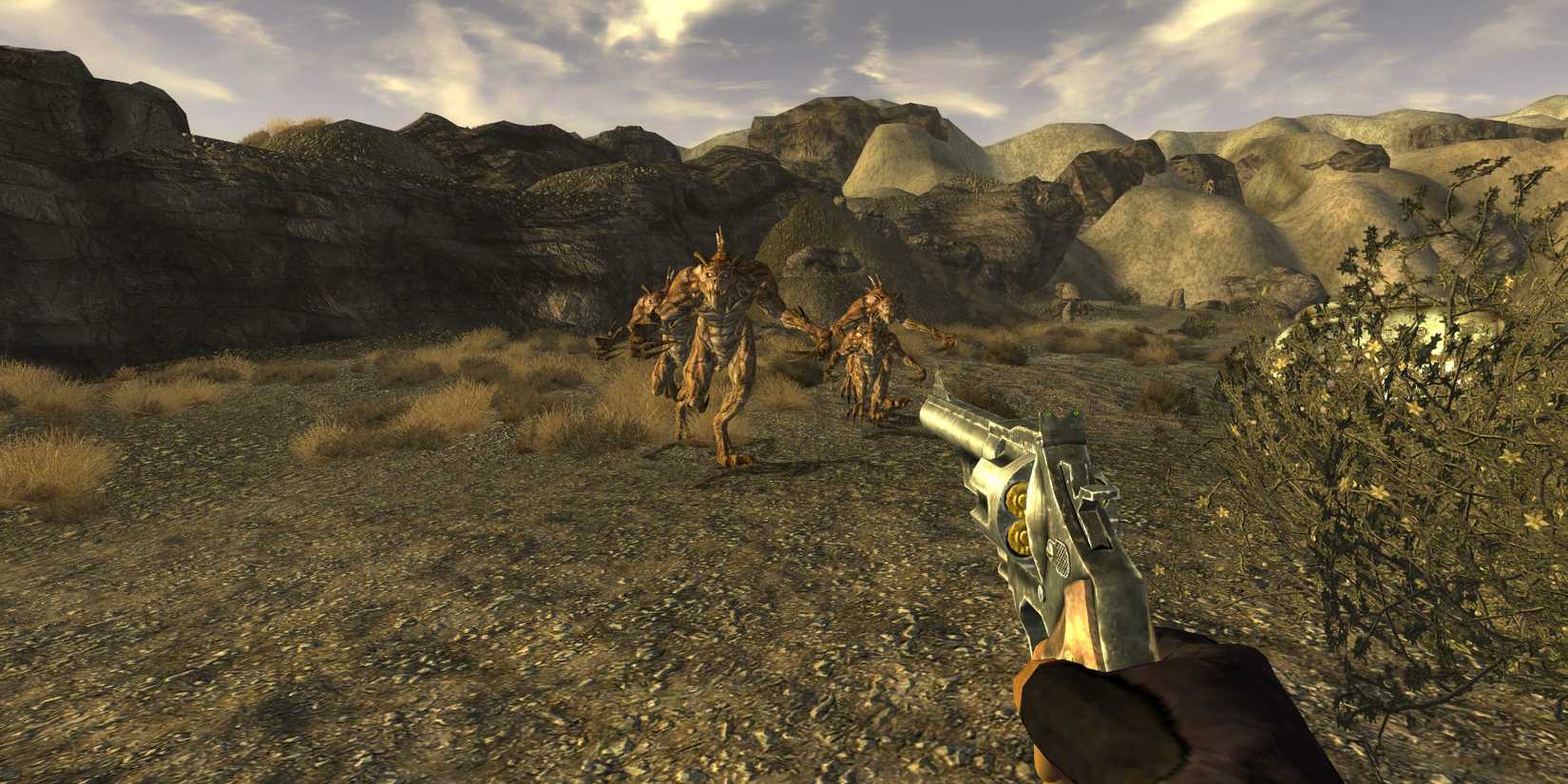
Fallout: New Vegas remains the gold standard for "unforgiving open worlds." The game doesn’t block your path with invisible walls; it blocks them with Deathclaws. If you try to take the shortcut to the New Vegas Strip, you are met with the most lethal predators in the wasteland. Beyond the giant lizards, the inclusion of Cazadors—fast, poisonous, and incredibly aggressive—ensures that players must treat the open desert with extreme caution. It is a game that respects your intelligence by letting you walk into your own death.
5. Sons of the Forest: Evolutionary Horror
The sequel to the indie sensation The Forest, Sons of the Forest expands on the concept of being hunted. The island is populated by an ecosystem of mutants—ranging from the grotesque, multi-limbed Sluggys to the terrifyingly fast Demons. The AI is designed to observe, stalk, and eventually overwhelm the player’s camp. By adding environmental threats like sharks and aggressive wildlife to the existing cannibal tribes, the game creates an atmosphere where you never truly feel secure.
4. The Long Dark: The Environment as Antagonist
The Long Dark is a rare example of a survival game where the player is not fighting monsters, but the planet itself. In the sub-zero temperatures of the Canadian wilderness, your primary enemy is hypothermia. Every journey to scavenge supplies is a race against time, where a single wrong turn or a missed weather forecast can result in a frozen, lonely death. It is an exquisite, punishing experience that strips away the power fantasy and leaves you with nothing but your own wits.
3. Subnautica 2: The Terror of the Deep
Building on the foundation of the original, Subnautica 2 introduces a new set of aquatic terrors on the moon Proteus. The most significant shift in the design philosophy is the removal of combat as a viable solution. When you encounter a massive Leviathan, you cannot fight it; you must flee. This forced vulnerability makes every dive into the dark, crushing depths a heart-pounding exercise in avoidance and stealth, turning the beautiful ocean into a silent, alien graveyard.

2. The Isle: Life at the Bottom of the Food Chain
The Isle offers perhaps the most authentic "survival" experience, as players take on the role of dinosaurs in a persistent multiplayer ecosystem. The stakes are absolute: if you die, you lose your progress. As a hatchling, you are essentially a snack for any passing carnivore. The game demands patience, stealth, and, most importantly, social cooperation. It is a harsh, unforgiving simulation that captures the brutal reality of the Mesozoic era.
1. Elden Ring: The Soulsborne Open World
Elden Ring redefined how open-world games approach difficulty. Unlike other titles that scale enemies to your level, the Lands Between are static and indifferent to your progress. You can wander into a high-level zone within the first hour and be obliterated by a Tree Sentinel or a runebear. This unpredictability creates a world that feels vast, dangerous, and genuinely mysterious. Every new area discovered is a victory, and every boss defeated is a testament to the player’s growth rather than their gear.

Implications for Future Game Design
The enduring popularity of these titles suggests that players are not looking for easy, guided experiences. They are looking for engagement. When a developer makes the world truly dangerous, they are expressing respect for the player’s ability to learn, adapt, and overcome.
The "frustration" mentioned in the article is, in reality, a form of high-level engagement. It forces the player to slow down, scout their surroundings, and plan their moves. As we look toward the future of the medium, with titles like those arriving in 2026, we can expect this trend of "high-stakes exploration" to continue. The next generation of open-world games will likely focus less on markers and checklists and more on systemic danger—worlds that function on their own, whether you are there to witness them or not.
In conclusion, while the threat of losing one’s gear or life can be maddening, it is the essential friction that makes the spark of discovery possible. Without the danger, the world is just a backdrop; with it, the world becomes a character—one that is as hostile as it is beautiful. For those willing to brave the path, the reward is not just the loot, but the satisfaction of knowing you survived the journey.


 Basiran
 Ali Ikhwan