Azzam Bilal Chamdy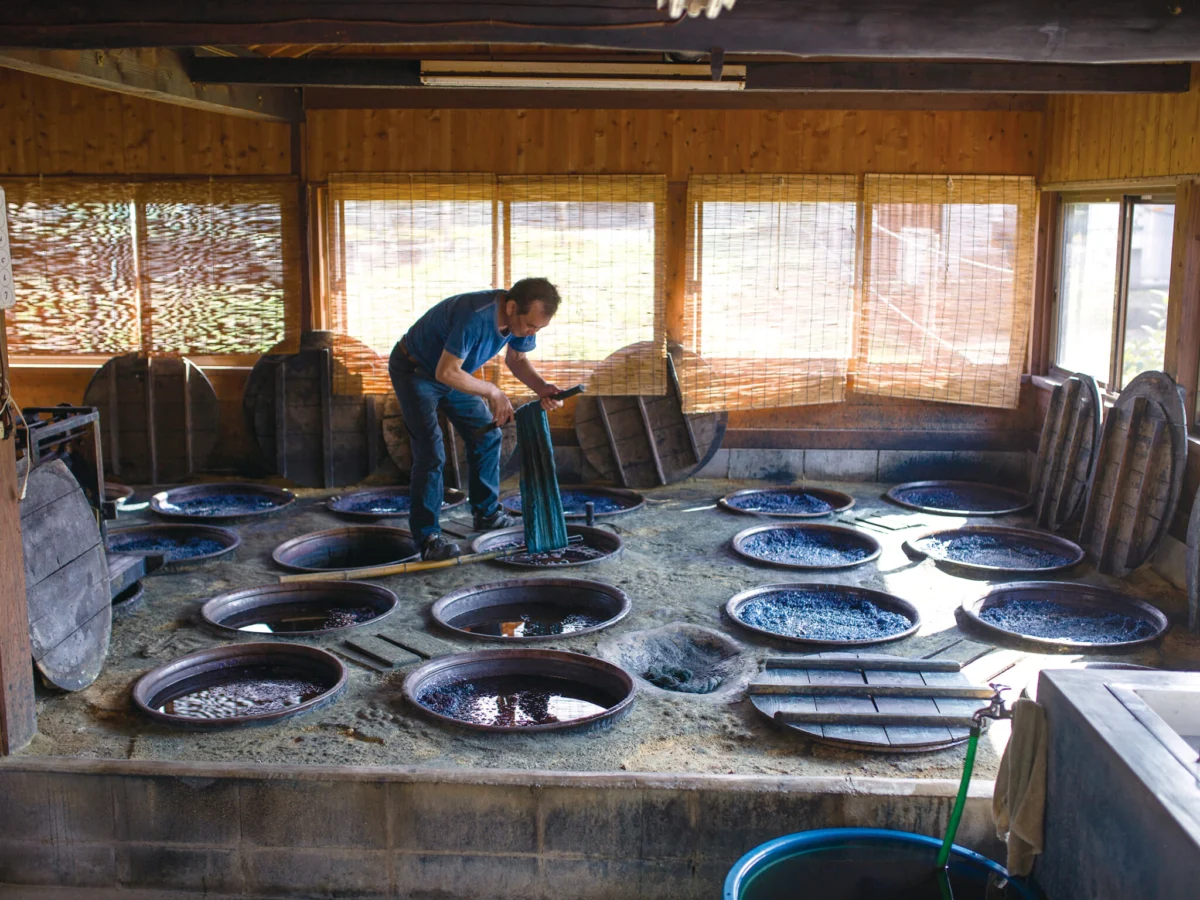
In the prefecture of Fukuoka, craft is not merely a hobby or a relic of the past; it is the very pulse of the landscape. From the quiet countryside workshops where indigo-dyed textiles sway in the breeze to the rhythmic tapping of wood-carving chisels, Fukuoka remains a sanctuary for artisans whose techniques have been refined over centuries. Here, the boundary between art and utility dissolves, replaced by a philosophy that treasures the human touch, the imperfection of natural materials, and the profound stories embedded in every object.
Traveling through Fukuoka is an exercise in slowing down. It is an invitation to witness the "living traditions" that have shaped the cultural identity of Kyushu’s northern gateway. Whether it is the expressive, hand-painted faces of Hakata dolls or the ethereal, glowing structures of Yame lanterns, these crafts act as a bridge between the prefecture’s storied past and its vibrant, modern present.
The Chronology of Creation: A History of Fukuoka’s Artisanship
The craft traditions of Fukuoka are deeply rooted in the historical shifts that defined Japan’s evolution. To understand these works, one must look at the timeline of their development.
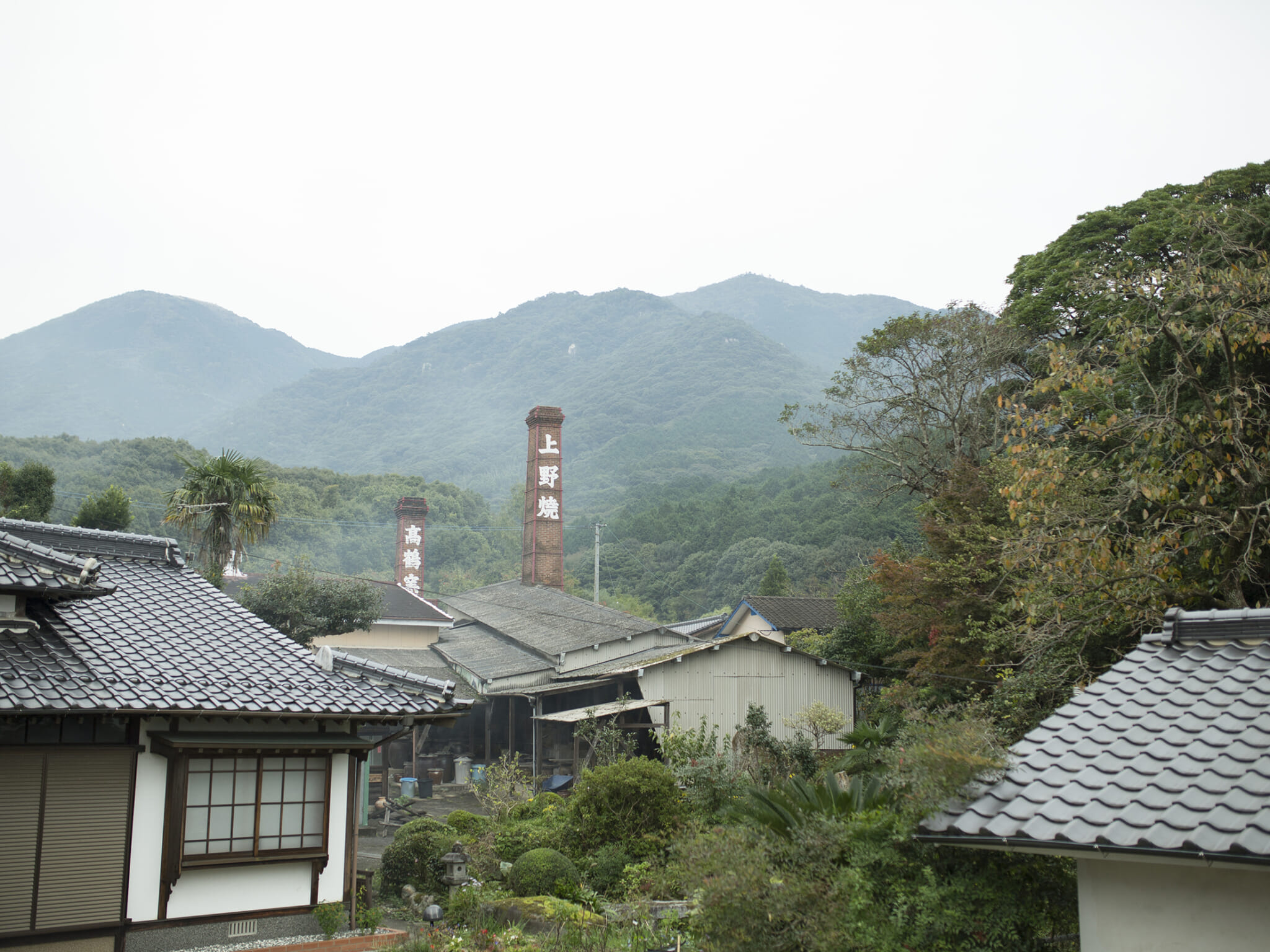
- The 13th Century (The Birth of Hakata-ori): Originating roughly 800 years ago, Hakata-ori emerged as a necessity of the feudal era. Its legendary durability—achieved through a dense weaving technique—made it the preferred fabric for the obi (sash) of samurai, who relied on its structural integrity to secure their swords.
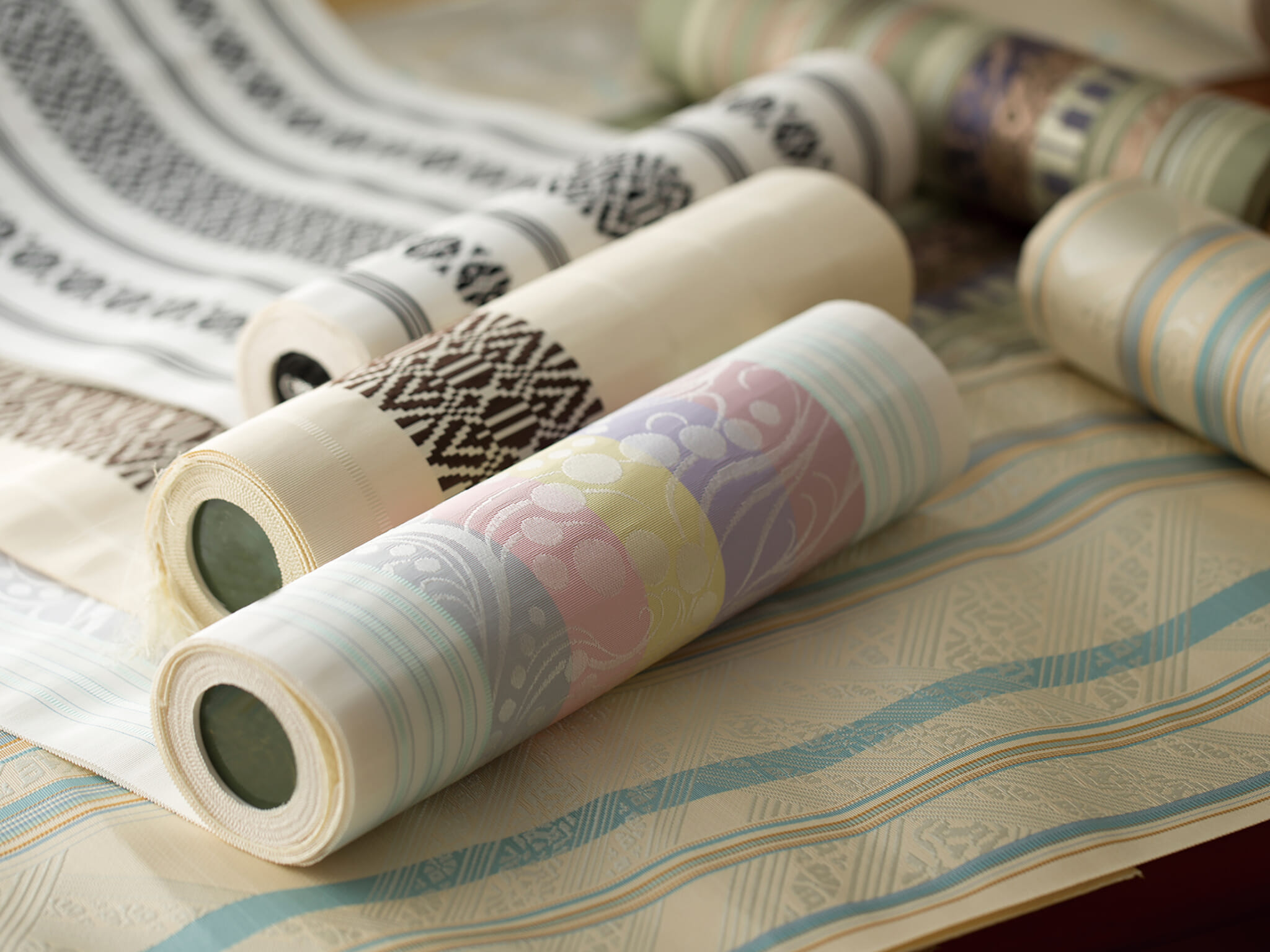
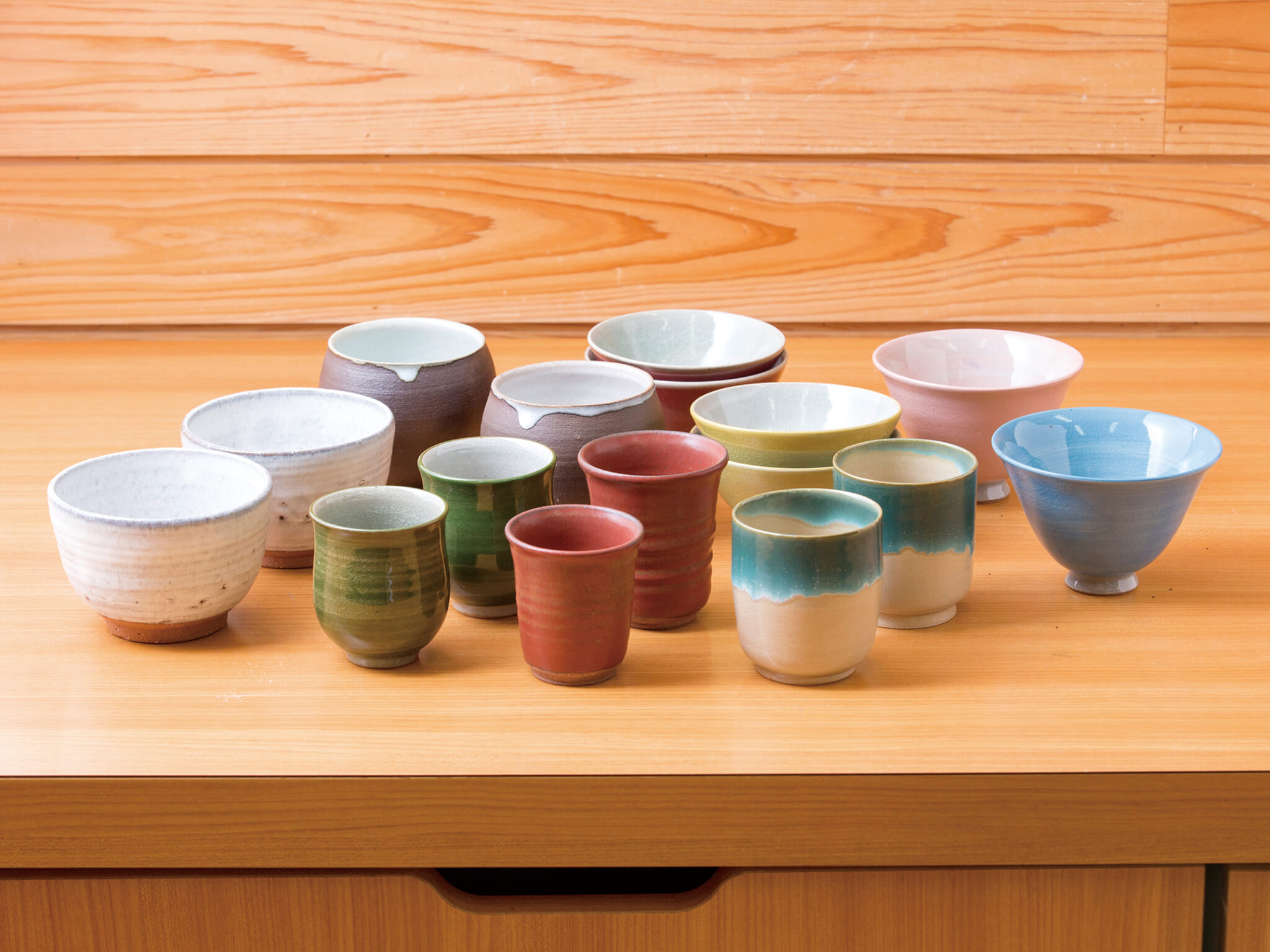
- The 17th Century (The Rise of Agano-yaki): As the tea ceremony ascended to the height of cultural sophistication, Agano-yaki pottery gained prominence. Developed in the shadows of Mount Fukuchi, it became synonymous with the refined aesthetics of tea masters, prized for its subtle glaze and balanced weight.
- The 19th Century (The Dawn of Kurume Kasuri): In the early 1800s, a 12-year-old girl named Inoue Den revolutionized textile production. Her innovation—a technique of binding and dyeing threads before weaving to create intricate, blurred geometric patterns—laid the foundation for the indigo-dyed masterpieces that define Kurume today.
- The 20th Century (The Folk Art Movement): The 1930s saw a resurgence in appreciation for everyday utility. Soetsu Yanagi, the architect of the Mingei (folk art) movement, championed Koishiwara-yaki, elevating humble farmhouse wares into recognized works of art.
Supporting Data: The Anatomy of Mastery
The endurance of these crafts is backed by statistics that underscore the rarity and intensity of the labor involved.
The Labor of the Hakata Ningyo:
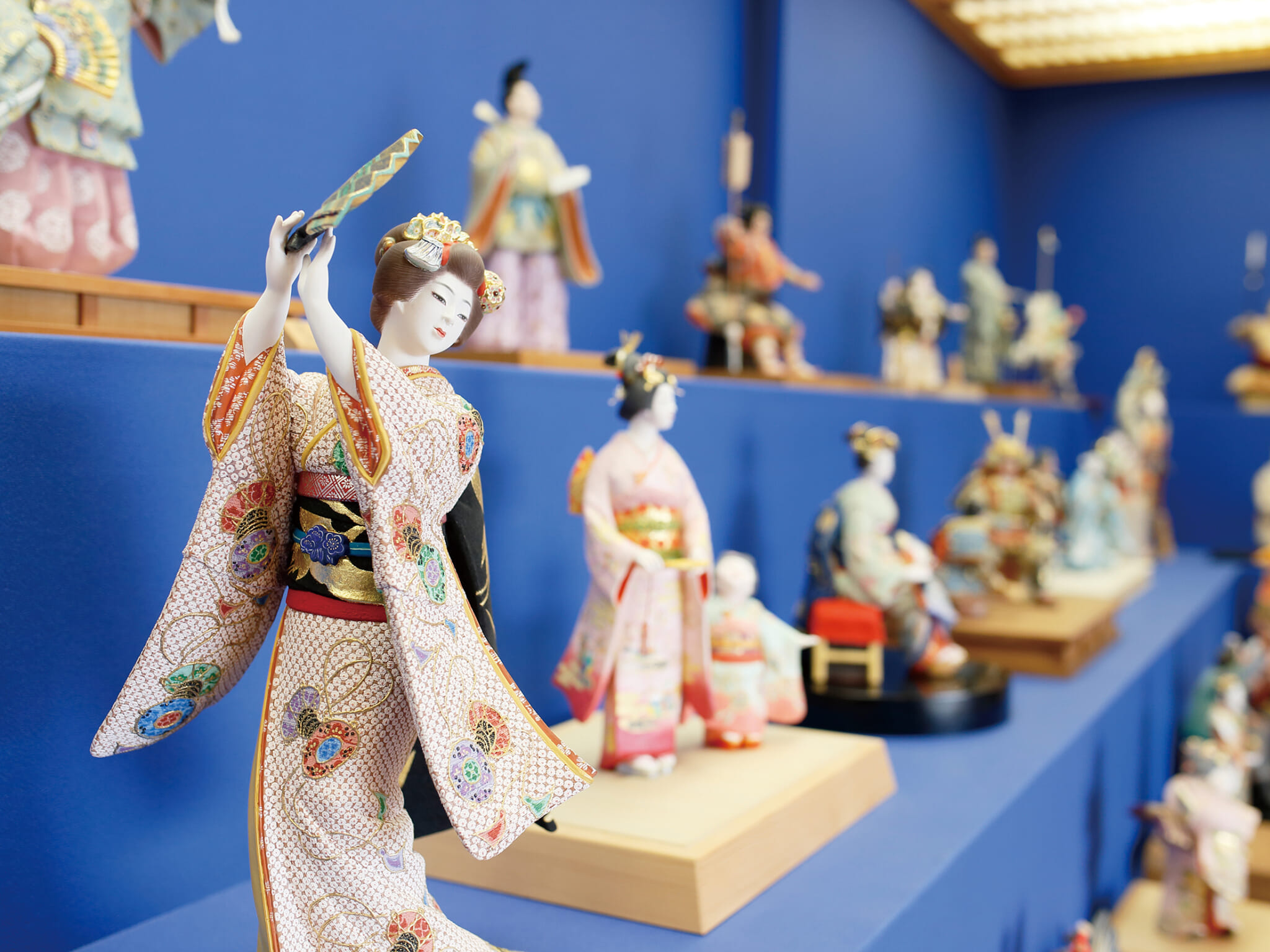
The production of a single Hakata doll is an arduous journey. It involves multiple stages—sketching, clay molding, firing, and precision hand-painting—often spanning two to three months. The barrier to entry is equally steep; to achieve the rank of a master, an artisan must undergo over a decade of rigorous apprenticeship. Currently, the number of dedicated master craftsmen practicing this tradition has dwindled to fewer than 100, highlighting the urgent need for institutional support and preservation.
The Collective Strength of Koishiwara-yaki:
Unlike many isolated crafts, Koishiwara remains a vibrant, communal village industry. With over 50 kilns still active, the village operates on a scale that sustains a micro-economy. The prevalence of the tobikanna technique—where a metal tool is pressed against rotating clay to create a rhythmic, concentric pattern—serves as a hallmark of the region’s productivity and aesthetic consistency.
Craft as Identity: Deep Dives into Fukuoka’s Icons
Hakata-ori: Woven Strength for Modern Life
While historically associated with the rigid dress codes of the samurai class, Hakata-ori has transitioned gracefully into the 21st century. Today, the weave is found in high-end accessories—wallets, neckties, and contemporary handbags. Its defining feature remains the tension of the silk, which provides a structural elegance that synthetic fabrics struggle to mimic.
Agano-yaki: The Intersection of Ritual and Earth
Agano-yaki ceramics are more than containers; they are vessels for meditation. Using the pristine water sources and high-quality clay of the Mount Fukuchi region, artisans create teapots and sake vessels that feel like extensions of the human hand. The appeal lies in the "luminous glaze," a finish that catches the light in ways that celebrate the understated beauty of Japanese wabi-sabi.
Yame Chochin: The Art of Memory
Yame is arguably Japan’s most significant lantern-production hub. The process is a marvel of spatial awareness: artisans paint birds, flowers, and landscapes onto the silk or paper surface in a single, rapid session, entirely from memory. This requires a level of muscle memory and artistic confidence that is becoming increasingly rare in an era of digital printing.
Kurume Kasuri: The Indigo Legacy
The "blurred" beauty of Kurume Kasuri is a testament to the precision of the human eye. Because the threads are hand-dyed using natural indigo, no two bolts of fabric are ever perfectly identical. The Kurume Kasuri Open Factory project has been instrumental in keeping this tradition alive, opening the doors of private workshops to the public, allowing outsiders to witness the meticulous tying and untying of threads that precede the weaving process.
Official Perspectives: Bridging Tradition and Modern Commerce
The preservation of these crafts is not left to chance. The Fukuoka Prefectural Government has actively sought to harmonize traditional output with modern market demands. By partnering with entities like the historic Nadaman restaurant group, the government has created the Kojimachi Nadaman Fukuoka Bettei in Tokyo.
This establishment is not merely a restaurant; it is a "living showroom." When a guest sits down to dine, they are interacting with the craft directly—eating from Agano-yaki bowls, sitting in spaces designed with Fukuoka-inspired textiles, and observing traditional works curated on display shelves. According to government spokespeople, this initiative is designed to "de-mystify" traditional arts, moving them from the sterile environment of a museum into the functional environment of fine dining. It allows potential consumers to experience the weight, texture, and aesthetic value of the items before they purchase them, thereby sustaining the livelihoods of the rural artisans who make them.
Implications: The Future of Handcraft in a Digital Age
The challenge for Fukuoka’s artisans is two-fold: the aging of the master workforce and the competition from mass-produced goods. However, the current trend toward "conscious consumption" provides a glimmer of optimism.
As urban consumers become increasingly disillusioned with the "throwaway culture" of fast fashion and mass-produced homeware, the durability and provenance of Fukuoka’s crafts gain new value. The implication is clear: the survival of these traditions depends on a shift in perception. If these objects are viewed as functional assets—items that last a lifetime and improve with age—the economic argument for their production becomes robust.
For the traveler, the opportunity to visit these workshops is a chance to participate in a cycle of sustainability. By visiting the Kurume Kasuri Open Factory or the pottery kilns of Koishiwara, tourists are doing more than sightseeing; they are providing the economic demand necessary to keep these studios open.
-2048x1536.jpg)
Practical Information for Visitors
For those looking to engage with these living traditions, Fukuoka offers several entry points:
- The Kurume Kasuri Experience: Visitors can participate in hands-on workshops that explain the indigo-dyeing process. Click here for more information on the Open Factory initiative.
- Kojimachi Nadaman Fukuoka Bettei (Tokyo Location):
- Address: 1F Sumitomo Fudosan Fukuoka Hanzomon Bldg., 1-12-1 Kojimachi, Chiyoda-ku, Tokyo.
- Access: A three-minute walk from Exit 3a or 4 of Hanzomon Station (Tokyo Metro Hanzomon Line).
- Reservations: Recommended for those wishing to experience the intersection of kaiseki dining and traditional exhibition.
In conclusion, Fukuoka’s crafts are the physical manifestation of its history. They are a testament to the belief that the objects we surround ourselves with should possess soul, purpose, and the indelible mark of the human hand. As the world moves faster, the quiet, deliberate pace of the Fukuoka artisan serves as a necessary anchor, reminding us that true luxury is found in the time, patience, and love poured into the things we create.


 Neng Nana
 Asro
Asro