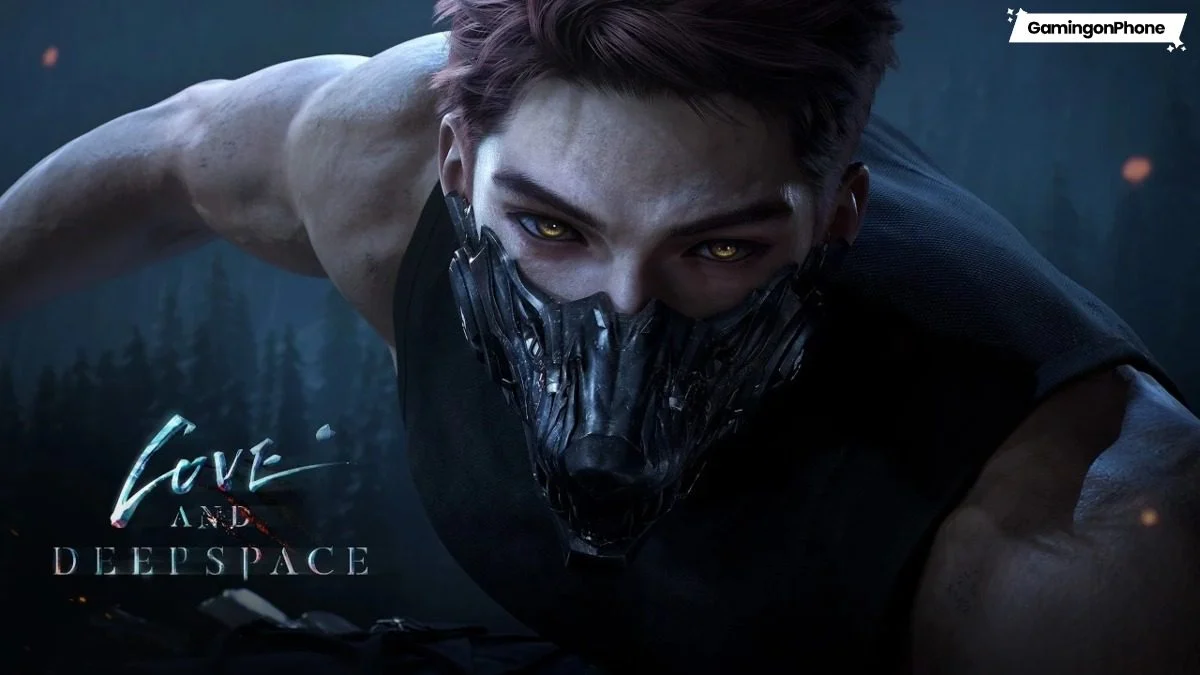
Shanghai, China – A storm of unprecedented fury has engulfed Papergames, the renowned developer behind the popular otome simulation game, Love and Deepspace. What began as widespread online criticism has dramatically escalated into a visceral, real-world protest, with enraged Chinese players dispatching funeral flowers, cow dung, and ritualistic items directly to the company’s headquarters. This extreme demonstration underscores a profound breakdown of trust between the studio and its dedicated fanbase, triggered by the controversial introduction of a sixth male love interest, Ao Yin, also known as Valko. The fallout has been immediate and severe, with official Chinese social media accounts for Love and Deepspace hemorrhaging over one million followers across various platforms, signaling a crisis of monumental proportions for the mobile gaming giant.
A Timeline of Discontent: From Digital Grievances to Physical Confrontation
The Love and Deepspace saga, a prominent title in the lucrative otome genre, has captivated millions with its romantic narratives and compelling characters. Players invest not just time and money, but also deep emotional attachment into their chosen male love interests. This inherent player-character bond forms the bedrock of the game’s appeal and, crucially, the intensity of the current backlash.
The genesis of the current crisis can be traced back to the highly anticipated announcement of a new character. For months, the existing five male love interests—Caleb, Sylus, Zayne, Xavier, and Rafayel—had seen slow and sporadic story updates, leaving many players feeling neglected. Reports indicated that some fans had waited upwards of 500 days for substantial new content pertaining to their beloved characters, fostering a growing sense of frustration and disillusionment within the community. Players, deeply invested in the ongoing narratives and character development of the existing cast, perceived this content drought as a lack of commitment from the developers.
Against this backdrop of unmet expectations, Papergames unveiled Ao Yin (Valko) as the game’s sixth romantic option. While a segment of the player base expressed minor criticisms regarding his perceived "Western" aesthetic, the overwhelming sentiment pointed to a far deeper grievance. The core issue, as articulated by legions of disgruntled fans, was not the character himself, but the timing and perceived prioritization of his introduction. Players argued vehemently that the studio had seemingly diverted resources and creative energy towards a brand-new character while the storylines of established, deeply beloved male leads languished, untouched for extended periods. This perceived betrayal ignited the initial online inferno.
The digital landscape quickly became a battleground of outrage. Player forums, social media platforms, and fan communities buzzed with condemnation. Hashtags criticizing Papergames and the new character trended, reflecting the collective anger. The tangible impact of this digital revolt was swift and stark: the official Love and Deepspace accounts on major Chinese social media platforms experienced an unprecedented exodus, shedding an astonishing one million followers. This mass un-following served as a stark digital referendum on Papergames’ recent decisions, a powerful signal of player dissatisfaction that could not be ignored.
However, the online fury was merely a prelude to a far more provocative and symbolic demonstration. As part of Ao Yin’s promotional campaign, Papergames erected a towering Valko-themed display outside its headquarters. This public installation, intended to generate excitement, instead became the focal point of the physical protests. Reports from the scene painted a vivid picture of extreme player frustration: protestors reportedly deposited cow dung into the company’s delivery lockers, while surrounding the elaborate Valko display with an array of deeply offensive and symbolically charged items. These included white and yellow chrysanthemums—flowers traditionally associated with funerals and mourning in Chinese culture—alongside curse banners, glutinous rice, and pomelo leaves. The latter two, typically utilized in cleansing rituals, were deployed here to convey a powerful message of purification from perceived ill fortune or corruption, essentially casting the new character and the company’s actions in a negative, almost defiling light. Furthermore, at least one protester was observed displaying a banner containing direct insults aimed at the new character, prompting Papergames to visibly enhance security measures around its office perimeter, transforming the corporate façade into a fortified zone.
The Deep Roots of Dissatisfaction: A Breach of Trust
The extreme nature of these protests cannot be fully grasped without understanding the profound emotional and financial investment players make in otome games, particularly in the live-service model prevalent in titles like Love and Deepspace. Unlike traditional single-player experiences, live-service games foster an ongoing relationship between the player and the developer. Players commit to a long-term journey, often spending significant sums on in-game purchases, character cosmetics, and gacha pulls to acquire new content for their chosen love interests. This creates a psychological contract: players expect regular, high-quality content updates for their beloved characters in exchange for their continued loyalty and financial support.
The "500 days" claim for neglected love interests is not just a statistic; it represents nearly a year and a half of stagnant storylines, unanswered plot threads, and a perceived abandonment of characters that players have grown to adore and spend money on. This prolonged content drought created a fertile ground for resentment, making the introduction of a new character, particularly one who seemed to demand significant development resources, feel like a slap in the face. It signaled a clear shift in priorities away from the existing, loyal player base.
The choice of protest items further amplifies the depth of player anger and cultural significance. In Chinese tradition, white and yellow chrysanthemums are unequivocally funeral flowers, symbolizing grief, mourning, and remembrance of the deceased. Their placement around a promotional display is an act of profound disrespect, effectively declaring the "death" of player trust or even the perceived death of the game’s original spirit. Similarly, glutinous rice and pomelo leaves, while used in cleansing rituals, were weaponized in this context to suggest that something impure or unwelcome had been introduced, necessitating symbolic purification. Cow dung, a universally recognized symbol of filth and insult, was the ultimate expression of contempt. These actions transcend mere anger; they represent a culturally resonant declaration of extreme displeasure and a rejection of Papergames’ direction.
The involvement of a major publication like Beijing Daily lends significant weight to the controversy, elevating it beyond a niche gaming dispute. The newspaper’s analysis, framing the issue as a "growing breakdown of trust" and arguing that Ao Yin merely became "the spark that exposed years of frustration over slow story updates, resource allocation, and communication with the longtime fans," validates the players’ grievances and highlights systemic issues within Papergames’ community management and content strategy. This external, mainstream media attention indicates the gravity of the situation and its potential to impact Papergames’ reputation beyond the gaming community.
Adding another layer to this saga is the historical context of Papergames’ (and its international publishing arm, Infold) relationship with its player base. The global fan commenting on Reddit, referencing past controversies with Love Nikki and the "infamous patch" incident involving Infinity Nikki, points to a pattern of perceived missteps and communication failures from the developer. These prior incidents, though distinct, contribute to a narrative of distrust and demonstrate that the current Love and Deepspace crisis is not an isolated event but rather another chapter in a history of challenging player-developer interactions for the company. This institutional memory among players amplifies the current frustration, as it suggests a failure to learn from past mistakes.

A Studio’s Stance Amidst the Storm: Papergames’ Response and Its Repercussions
In the wake of the escalating protests, Papergames released an official statement addressing the controversy. The core message was unambiguous: Ao Yin would remain as the sixth male lead in Love and Deepspace. This decision, while firm, immediately signaled to many players that their primary demand—the removal or indefinite postponement of the new character in favor of existing content—would not be met.
The statement also included a promise of future story updates for two of the neglected love interests, Caleb and Sylus. While any promise of new content might seem like a positive step, the specificity of only two characters out of the five who had experienced content droughts was immediately scrutinized. Players questioned why the other three existing male leads were not mentioned, fueling suspicions that the studio’s commitment remained selective and incomplete. This selective promise did little to assuage the broader concerns about equitable resource allocation across all existing characters.
Accompanying the statement was a gesture of compensation: 20 free pulls in the game’s gacha system. In the context of a gacha game, 20 pulls represent a relatively modest offering, especially when considering the significant financial and emotional investment many players had already made. For a community feeling deeply betrayed, this compensation was widely perceived as insufficient and, more critically, as lacking a genuine acknowledgment of their pain and frustration.
The overarching sentiment among players was that Papergames’ statement fell woefully short of a proper apology. Many felt it failed to address the root causes of their anger – the perceived prioritization of a new character over the long-neglected existing cast, the breakdown in communication, and the years of slow updates. The absence of a clear, empathetic apology for the perceived neglect and the ensuing distress only exacerbated the feeling of being unheard and disrespected. The statement, rather than rebuilding bridges, solidified the perception that Papergames was detached from its community’s core concerns. It highlighted a significant public relations misstep, as a crisis of this magnitude typically demands a more contrite and comprehensive response to begin the arduous process of mending a fractured relationship.
The Broader Echoes of a Player Uprising: Implications for the Industry
The Love and Deepspace controversy is more than just a localized incident; it carries significant implications for Papergames, the future of the game, and indeed, the broader mobile gaming industry, particularly within the live-service and gacha genres.
For Papergames, the immediate fallout is a severe blow to its brand reputation. The images of cow dung and funeral flowers at its office will undoubtedly become an indelible stain on its corporate image, signaling to both current and potential players a developer that has, at least in this instance, profoundly alienated its most dedicated fanbase. Rebuilding trust will be an arduous, long-term endeavor, requiring consistent, transparent communication, and demonstrable commitment to player feedback—a stark contrast to the perceived actions that led to this crisis. The loss of a million followers is not just a numerical hit; it represents a significant portion of the game’s community, many of whom are likely high-spending "whales" who form the financial backbone of free-to-play gacha titles. Their departure or reduction in spending could severely impact the game’s profitability and long-term viability.
The future of Love and Deepspace itself hangs in the balance. While the game has a strong foundation, such intense negative sentiment can deter new players and erode the enthusiasm of those who remain. Sustaining a live-service game requires a vibrant, engaged community, and the current crisis threatens to destabilize that crucial element. Papergames will need to carefully re-evaluate its content roadmap, communication strategies, and resource allocation to demonstrate a genuine commitment to all its characters and, by extension, all its players. This might involve an accelerated content schedule for existing love interests, more frequent and transparent developer updates, and a concerted effort to genuinely engage with community feedback, rather than simply issuing statements.
Beyond Papergames, this incident serves as a stark cautionary tale for other game developers operating in the live-service space. It underscores the immense power of highly engaged player communities and the severe consequences of neglecting their emotional and financial investments. In an era where player voice is amplified by social media, ignoring feedback, mismanaging content pipelines, or appearing to betray player trust can quickly spiral into catastrophic public relations disasters. The Love and Deepspace incident highlights the delicate balance developers must strike between introducing new content to attract fresh players and consistently delivering for the loyal base that sustains the game.
The controversy also brings into focus the ethical considerations of gacha monetization and live-service game design. When players are encouraged to form deep emotional bonds with characters and invest heavily in their progression, the responsibility of the developer to honor that investment with consistent, high-quality content becomes paramount. This event may prompt wider discussions within the industry about best practices for community management, content delivery, and maintaining player satisfaction in a highly competitive and emotionally charged market.
Ultimately, the path forward for Papergames will be challenging. The studio must now navigate the difficult task of rebuilding a fractured community, regaining lost trust, and demonstrating a renewed commitment to its entire player base. How it responds in the coming months will not only determine the fate of Love and Deepspace but also serve as a crucial lesson for the entire gaming industry on the profound consequences of neglecting the heart of its games: its players.