

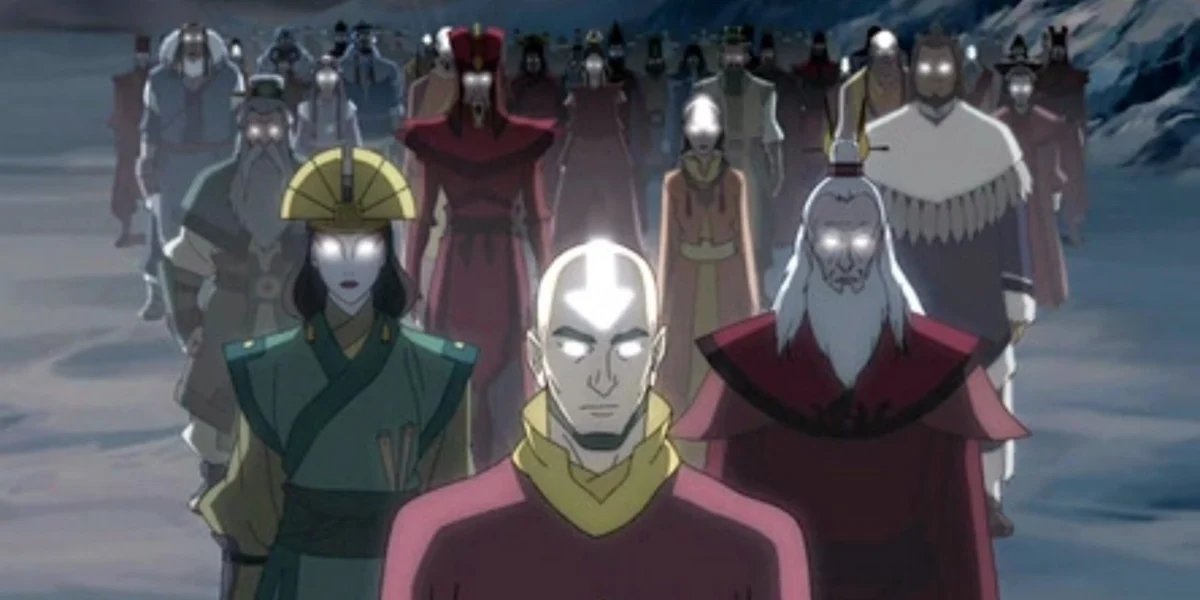
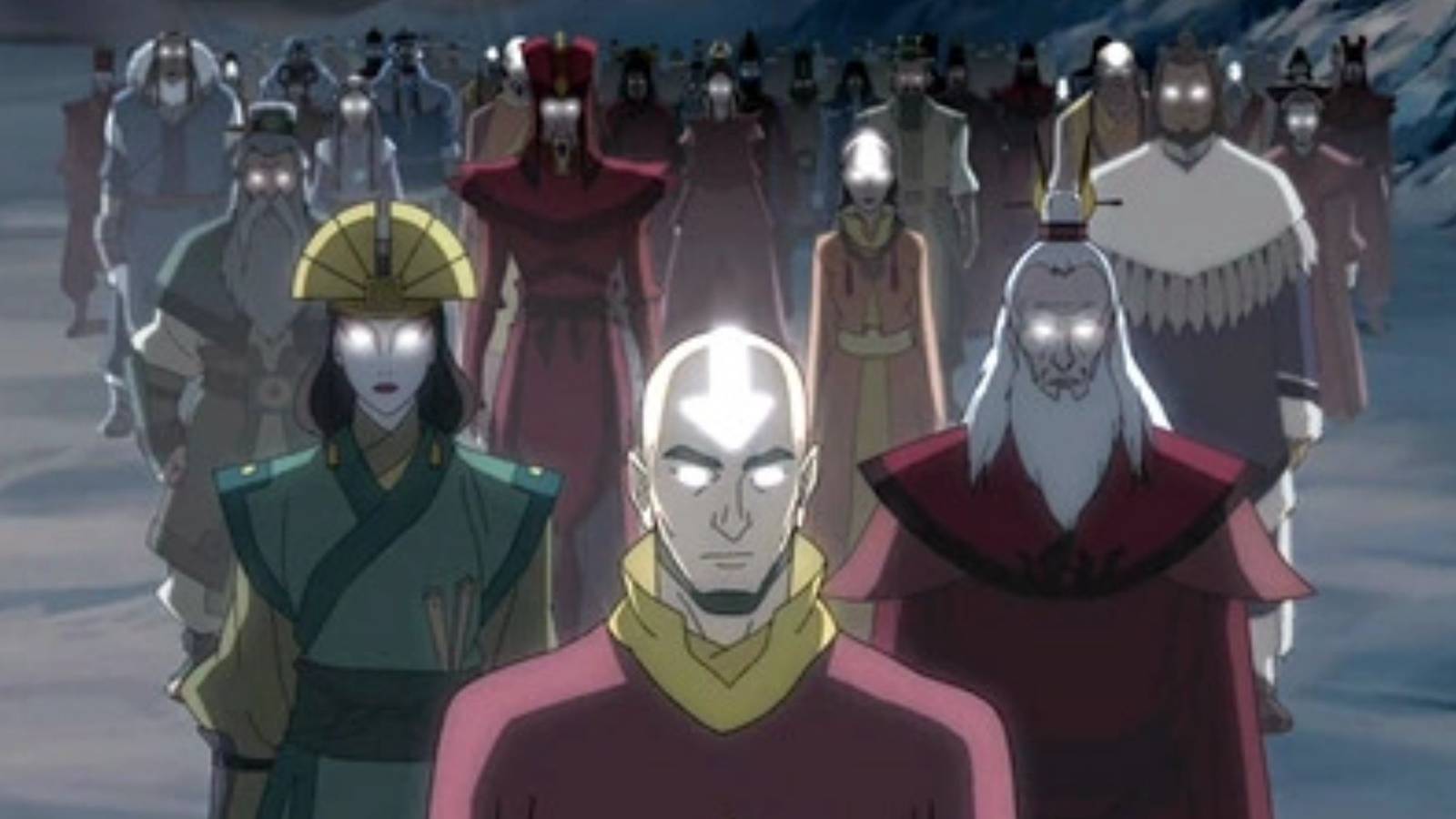
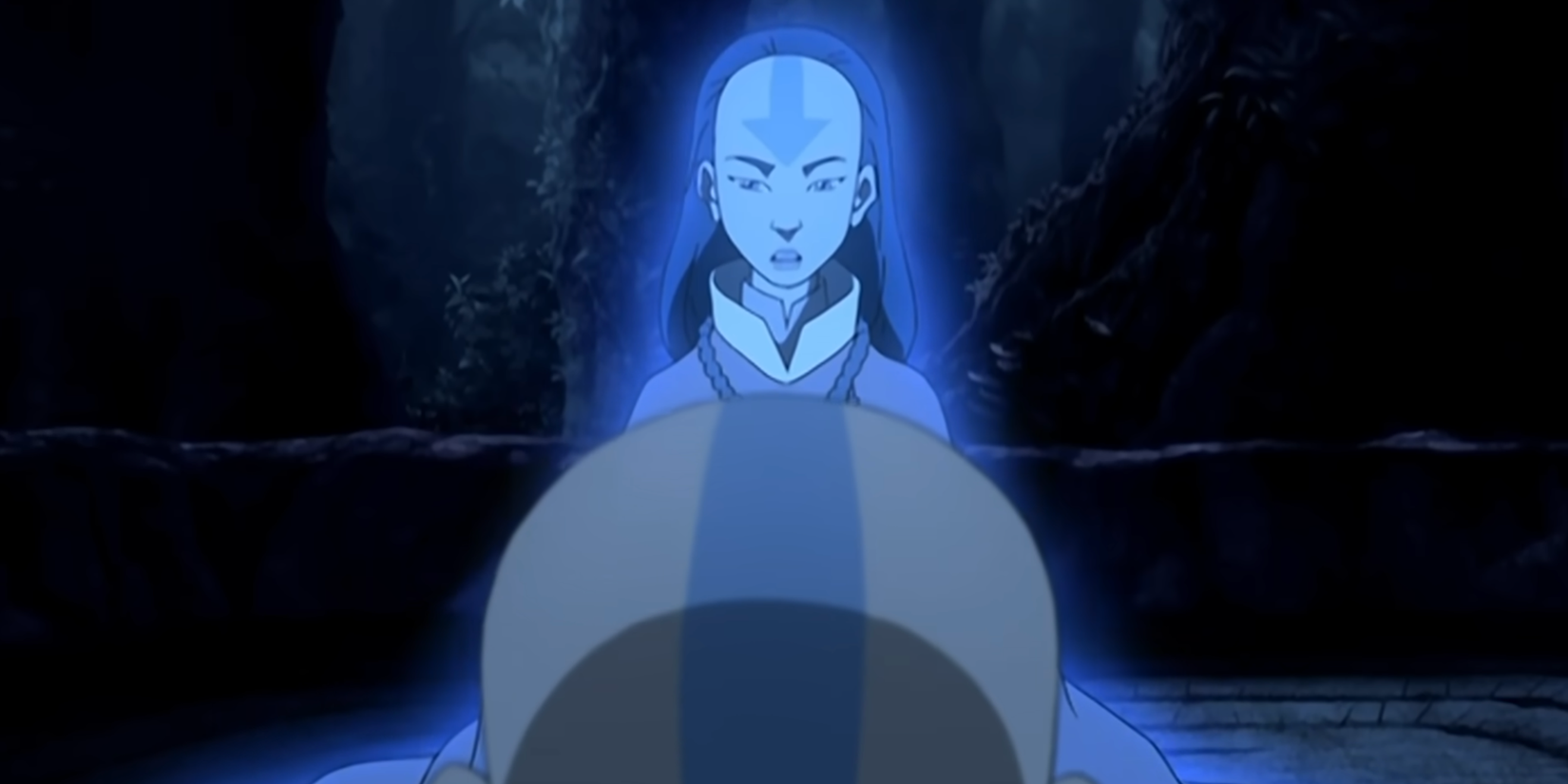
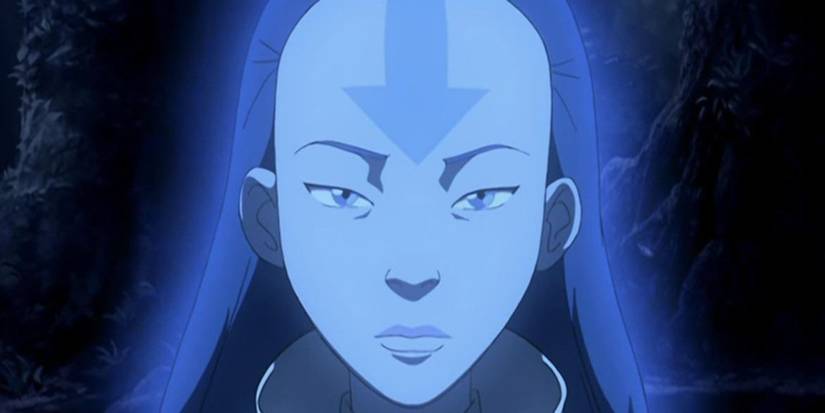
In the storied history of the Avatar franchise, few moments resonate with the chilling clarity of Avatar Yangchen’s counsel to Aang. When the young Air Nomad desperately sought a path to defeat Fire Lord Ozai without compromising his pacifist principles, he turned to his past lives for guidance. He found, instead, the cold, pragmatic burden of leadership. Yangchen, voiced by Tress MacNeille, delivered a mandate that shattered Aang’s hopes: "Selfless duty calls you to sacrifice your own spiritual needs and do whatever it takes to protect the world."
For years, this exchange stood as a defining character beat, a haunting reminder that being the Avatar is as much a curse as it is a calling. However, it also left a lingering narrative void. Who was this woman, and what trials forged a spirit so disciplined that she could prioritize the survival of the world over her own soul? F.C. Yee’s duology—The Dawn of Yangchen and The Legacy of Yangchen—finally answers that question. More than just a prequel, these novels represent the most significant expansion of the Avatar mythos since the conclusion of the original animated series, transforming the franchise into a sophisticated, high-stakes political thriller.
The Evolution of the Avatar Mythos: Beyond the Tyrant
The brilliance of Avatar: The Last Airbender lay in its world-building, which invited viewers to imagine a vast, interconnected history. While the original series focused on a singular, existential threat—the imperialist ambition of the Fire Nation—Yee’s novels pivot toward a more complex, nuanced reality.
In The Dawn of Yangchen, the narrative landscape shifts. Rather than facing a monolithic villain, the young Avatar must navigate a web of competing interests. The story introduces a world defined by powerful merchant families, shadowy espionage networks, and fragile political treaties. Here, peace is not a static state achieved by defeating a dark lord; it is a volatile equilibrium that must be constantly negotiated, manipulated, and defended.
By grounding the story in political realism, Yee elevates the stakes. The tension does not solely derive from physical duels—though these are present and expertly rendered—but from the "battle of minds." The novels illustrate that in a world where intelligence and economic influence can be as lethal as a master-level firebender, the Avatar’s role must evolve. This shift is not just a stylistic choice; it is a fundamental expansion of what an Avatar story can achieve. It treats the Four Nations as a living, breathing geopolitical organism, making the world feel exponentially larger than it ever appeared on screen.
Chronology and Development: A Life Forged in Shadows
The journey of Yangchen presented in these novels covers her early, formative years as she struggles to establish her authority. She is not the serene, all-knowing sage Aang encounters in the Spirit World; she is a young woman burdened by the weight of expectations and the fragmented, often contradictory memories of her past lives.
The chronology of her development is central to the emotional core of the novels. As the novels detail:
- The Early Burden: Yangchen begins her tenure as the Avatar with a deep-seated belief in the sanctity of life, instilled by her Air Nomad upbringing.
- The Erosion of Innocence: As she confronts the corruption and the internal power struggles of the Four Nations, she is forced to engage in activities that her training strictly forbade: espionage, deception, and calculated political maneuvering.
- The Burden of Memory: Perhaps the most compelling innovation in Yee’s writing is the portrayal of Yangchen’s connection to her past lives. It is not merely a tool for wisdom; it is a psychological siege. The memories of her predecessors bleed into her consciousness, creating a state of "inherited trauma" that threatens to dissolve her own identity.
This internal conflict is what ultimately leads her to the conclusions she eventually imparts to Aang. The reader watches as her idealism is chipped away, not by malice, but by the relentless necessity of keeping the world from collapsing into total war.

Supporting Data: The Anatomy of a Political Thriller
Yee’s writing mirrors the structure of prestige television. Each conflict serves as a catalyst for deeper systemic revelations. The novels succeed by balancing the fantastical elements of elemental bending with the gritty reality of governance.
The "political thriller" aspect is supported by several key narrative pillars:
- Impossible Negotiations: Unlike traditional fantasy where the hero wins by overpowering the antagonist, Yangchen often finds herself in situations where every outcome results in a loss. She must choose the "least worst" option, a hallmark of mature political drama.
- Economic Warfare: The inclusion of powerful merchant syndicates introduces the concept that the Four Nations are linked by commerce, and that a disruption in trade can cause as much suffering as a natural disaster or a military invasion.
- The Ethics of Espionage: Yangchen’s reliance on covert operations forces her to distance herself from the public image of the Avatar, highlighting the lonely, thankless nature of the role.
These elements combine to create a story where the "bends" are secondary to the strategy. When bending is used, it feels more impactful because it is the final resort, not the first.
Official Perspectives and Fan Reception
Since the inception of Avatar Studios, there has been immense speculation regarding which eras of the franchise would be adapted for the screen. The critical acclaim surrounding F.C. Yee’s work has placed the Yangchen era at the forefront of this conversation.
Fans and literary critics alike have praised the novels for their refusal to cater to simple nostalgia. By exploring a period that has remained largely untouched by the animation, the books provide a fresh canvas. The consensus among the community is that the maturity of the narrative aligns perfectly with the growth of the original audience, many of whom are now adults looking for deeper, more challenging themes within the Avatar universe.
Furthermore, the integration of these stories into the broader canon has recontextualized the original series. When viewers now watch Aang speak to Yangchen, they bring with them the knowledge of the specific, grueling sacrifices she made. This creates a retroactive depth that enriches the entire viewing experience of the franchise.
Implications for the Future of the Franchise
The existence of the Yangchen novels poses a critical question for the future of the Avatar brand: Is the audience ready for more mature, darker, and more complex storytelling?
The success of these books suggests a resounding "yes." If the franchise intends to continue expanding, it must lean into the potential for genre-bending. The Yangchen novels prove that the Avatar universe can sustain:
- Geopolitical Dramas: Moving away from the "chosen one" trope to explore the systemic challenges of maintaining peace.
- Psychological Character Studies: Examining the long-term mental and emotional toll of being the bridge between the physical and spirit worlds.
- Kinetic Cinematic Action: Utilizing the visual language of bending to elevate the stakes of political intrigue.
The potential for an animated adaptation is immense. Visually, the settings described in the books—from the bustling, rain-slicked streets of trade cities to the ethereal isolation of the Air Temples—are tailor-made for high-end animation. The structural integrity of the novels, which build mysteries and tensions over hundreds of pages, would translate seamlessly into a multi-season television format.
Conclusion: A Masterclass in Expansion
F.C. Yee’s The Dawn of Yangchen and The Legacy of Yangchen are essential reading for any fan of the franchise. They are not merely supplemental material; they are a masterclass in how to expand an established universe without diluting its core themes.
By turning the lens toward a character who was previously defined by a single, harsh line of dialogue, Yee has given us one of the most tragic and compelling figures in the history of the Four Nations. Yangchen is a testament to the idea that true heroism is often invisible, unthanked, and deeply painful. As Avatar Studios looks to the future, it would be wise to recognize these novels as the gold standard for how to treat the Avatar legacy: with respect for the past, but with a bold, unflinching eye toward the future.
Until such time as these stories find their way to the screen, they remain one of the franchise’s greatest secrets—a sophisticated, heart-wrenching, and entirely necessary exploration of what it truly means to hold the world together.










