

While Mujirushi Ryouhin—universally recognized as MUJI—is primarily celebrated for its minimalist aesthetic, organizational solutions, and high-quality stationery, a quiet revolution has been brewing in its food aisles. Beyond the familiar shelves of linen apparel and acrylic storage cases lies a culinary treasure trove: a diverse array of instant curries, artisanal freeze-dried soups, and globally inspired meal kits.
For the frequent shopper, the allure of the MUJI food section is the constant state of evolution. It is a rare retail experience where a routine visit frequently yields a new discovery. Recently, that discovery arrived in the form of a new product line that promises to bridge the gap between "instant meal" and "authentic dining": the "Made-in-Italy" Risotto series.
The Core Concept: Authentic Italian Cuisine in a Pantry-Friendly Package
The concept behind MUJI’s latest culinary offering is simplicity rooted in authenticity. Unlike traditional "instant" meals that rely on dehydrated, precooked rice or artificial flavor powders, the "Made-in-Italy" series functions as a curated meal kit. Every ingredient required to produce a restaurant-quality risotto is included within the compact, minimalist packaging.
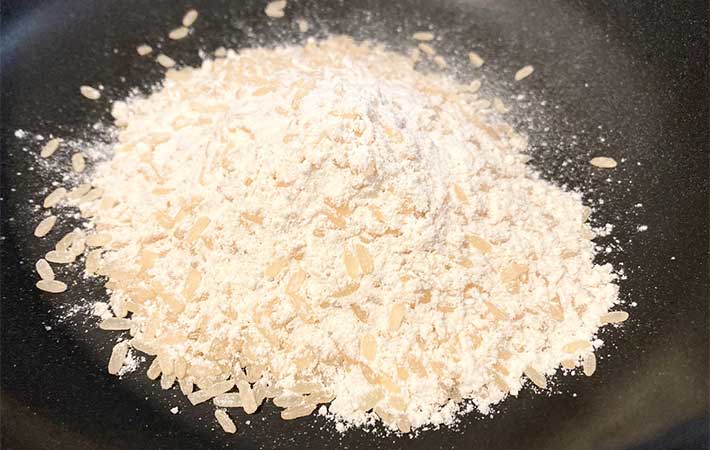
The beauty of the system lies in its transparency. When the grape Japan editorial staff recently opened the packages, they were met with a pleasant surprise: genuine, uncooked Italian rice. By providing the raw, high-quality grain alongside seasoned accompaniments, MUJI allows the home cook to control the texture and consistency of the dish, effectively moving the product from the realm of "convenience food" to "gourmet starter kit."
Chronology of a Meal: From Pantry to Plate
The preparation process is a testament to the brand’s commitment to a "slow-living" philosophy, even within the context of a quick meal. While many instant products demand a mere three minutes in a microwave, the MUJI risotto requires a more deliberate approach, emphasizing the importance of the cooking process itself.
The Preparation Steps
- Preparation: Pour the contents of the package into a small saucepan. The presence of the raw, high-quality Italian rice immediately sets the tone for the quality of the final product.
- Hydration: Add the specified amount of water. The balance of water is crucial to the final texture of the rice, as it must hydrate the grains while allowing the starches to release, creating that signature creamy mouthfeel.
- The Boil: Bring the mixture to a high boil to initiate the cooking process.
- The Simmer: Once boiling, reduce the heat to medium. This is the critical stage where patience is a virtue. Frequent stirring is essential—not only to ensure an even cook but to prevent the delicate grains from adhering to the bottom of the pot.
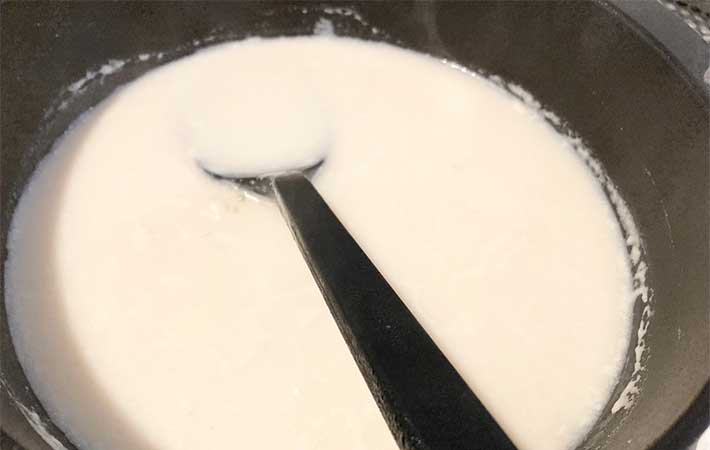
- Evaporation: Crucially, the pot should remain uncovered. This allows the liquid to evaporate, concentrating the flavors and thickening the sauce naturally as the rice releases its starch.
The entire process takes approximately 30 minutes. While this is longer than a typical microwave meal, the result is a dish that feels intentionally prepared rather than merely "heated up."
Taste Test Analysis: Evaluating the "Cheese Cream" and "Porcini"
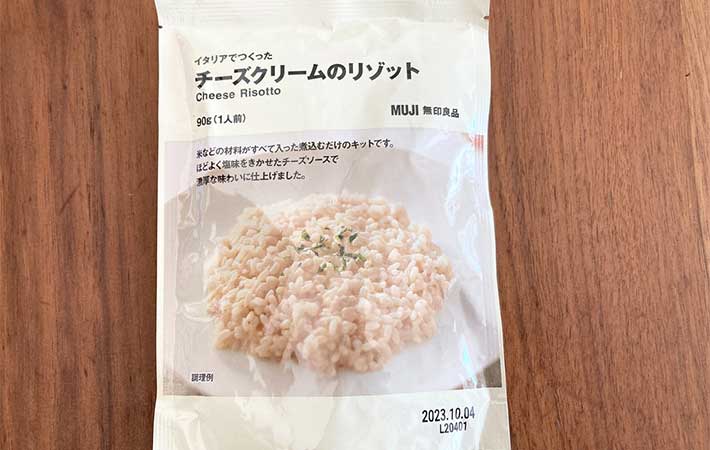
To assess the viability of the series, the editorial team sampled the two standout flavors currently available: Cheese Cream and Porcini.
The Cheese Cream Experience
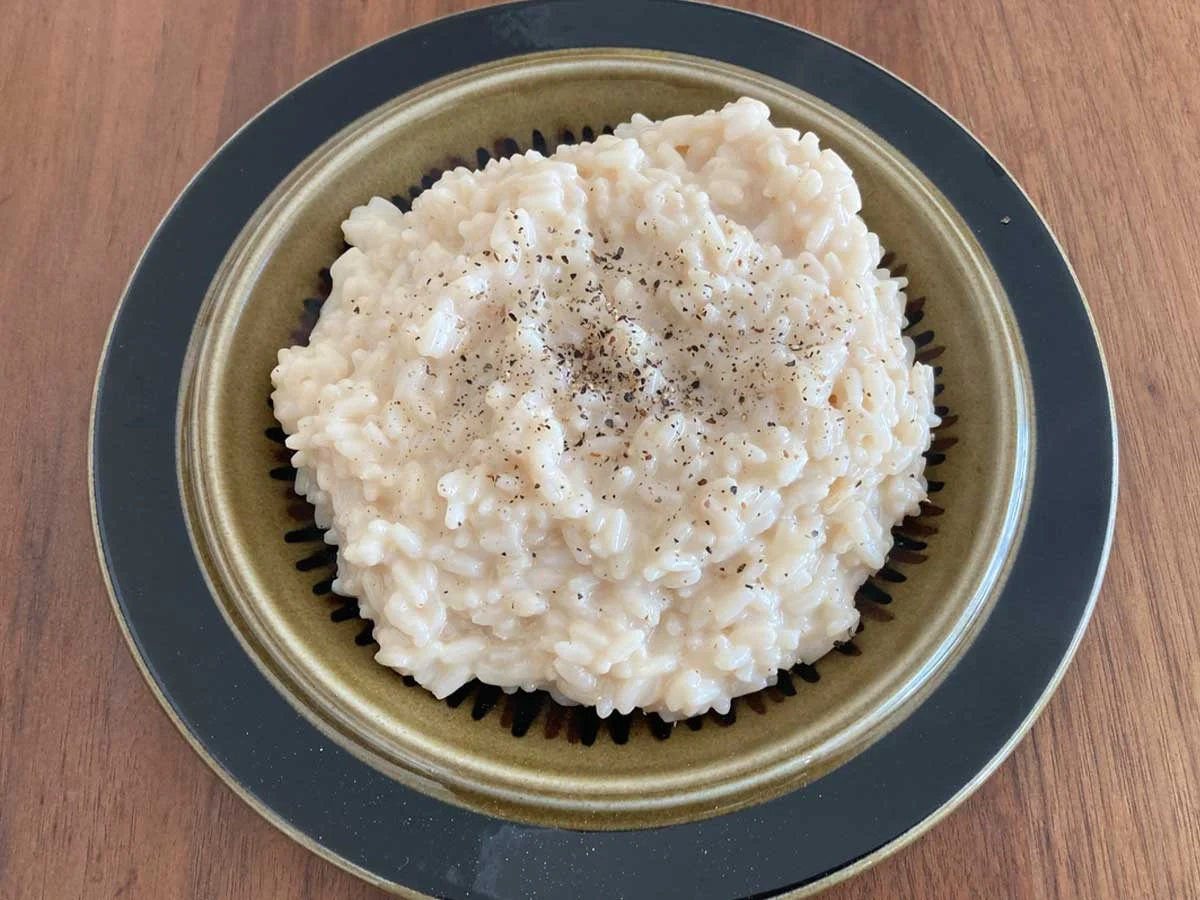
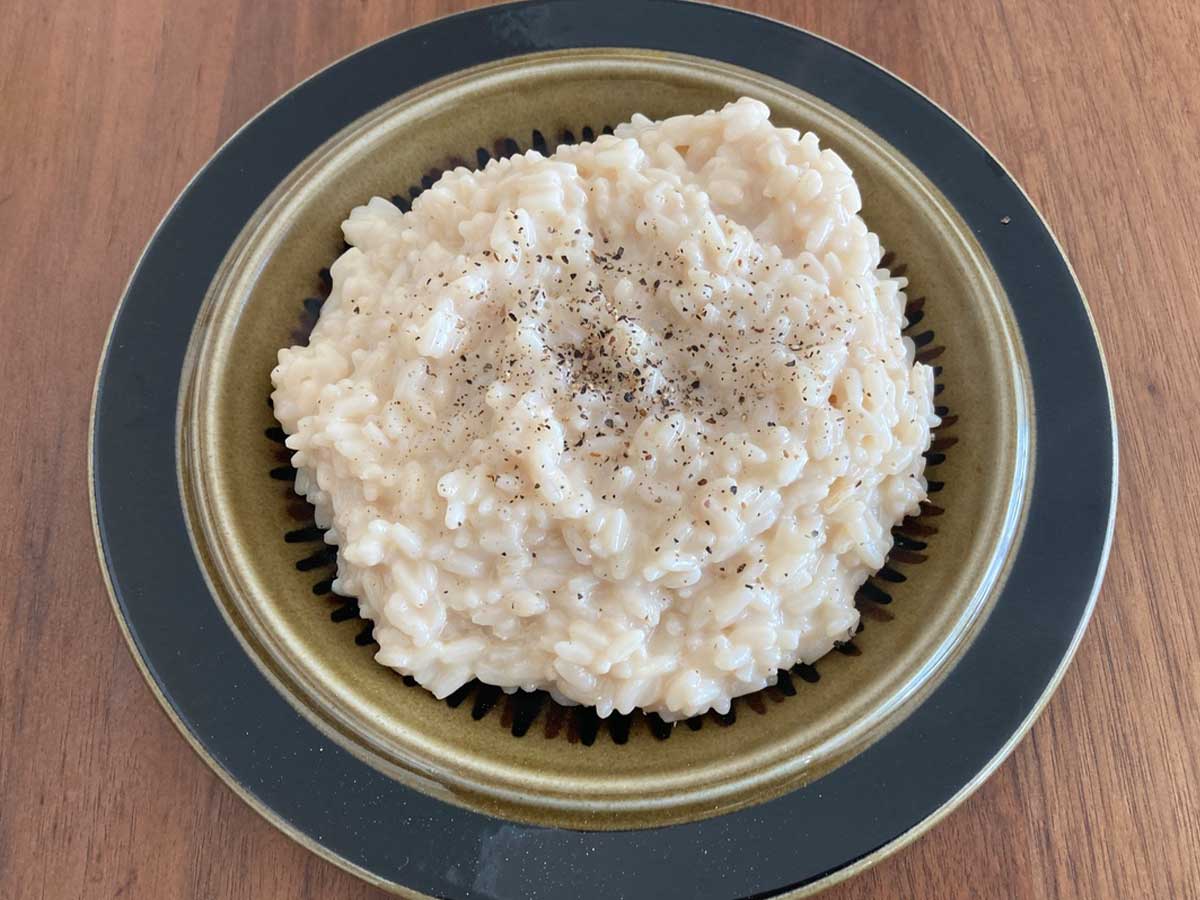
The Cheese Cream variety is designed for the palate that demands intensity. Upon completion, the risotto presents a luxurious, velvety texture. The cheese profile is assertive and rich, mirroring the profile one might find in an upscale bistro.
- Pro-Tip: While the dish is substantial on its own, a simple addition of freshly cracked black pepper elevates the experience significantly. The pepper provides a sharp, aromatic contrast to the dense, creamy cheese, highlighting the nuances of the seasoning base.
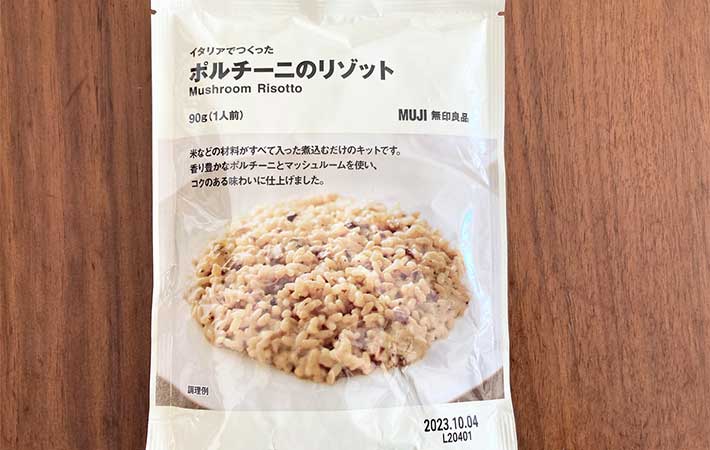
The Porcini Experience
The Porcini risotto takes a more understated, sophisticated approach. It avoids the heaviness of the cheese variant, opting instead for a deep, earthy mushroom profile. The flavor is clean and refreshing, relying on the quality of the dried mushrooms to provide a robust backbone. It is a refined option that showcases the potential of MUJI’s ingredient sourcing.
Economic Implications and Market Positioning
Perhaps the most startling aspect of the "Made-in-Italy" series is its price point. At 290 yen (tax included) per package, the product sits at a unique intersection of affordability and luxury. In the current economic climate, where dining out is becoming increasingly expensive, MUJI is offering a "third way": a high-quality, authentic meal experience that requires only a saucepan and a small time investment.
Why this matters for the consumer
The value proposition here is not just about the calorie-to-yen ratio; it is about the "experience of cooking." By requiring the user to monitor the pot, stir the rice, and observe the transformation of ingredients, MUJI is tapping into a growing consumer trend of "mindful cooking." The brand is effectively positioning its food line as an antidote to the hyper-processed, "heat-and-eat" culture that dominates the convenience store sector.
Official Stance and Brand Philosophy
While MUJI has not issued a formal press release regarding the nutritional chemistry of the risotto, their product development history suggests a philosophy focused on "Kanketsu" (simplicity) and "Zairyo-no-ikasu" (utilizing the inherent quality of the ingredients). By sourcing authentic Italian rice, they bypass the need for flavor enhancers that often mask the true taste of grain.
Their consistent success in the food sector is largely attributed to this lack of pretension. They do not market these as "chef-made" meals; they market them as "the best possible ingredients, ready for your kitchen." This honesty resonates with their core demographic—urban professionals who value quality but lack the time for intensive culinary prep work.
Future Implications for the Retail Landscape
The success of the "Made-in-Italy" Risotto series has broader implications for the Japanese retail market. It suggests that consumers are willing to trade the "instant" aspect of convenience for a "high-quality" outcome. As brands like MUJI continue to expand their food portfolios, the lines between a home goods store and a specialty grocer become increasingly blurred.
For the consumer, this is a net positive. It forces retailers to innovate, moving away from mass-produced, low-quality snacks and toward products that offer a genuine culinary experience. If the "Made-in-Italy" line is any indication, the future of home dining lies in these small, well-considered packets—a reminder that great meals don’t always require a pantry full of ingredients, just the right ones.
Conclusion
MUJI’s move into the risotto market is more than just a product launch; it is a validation of the modern consumer’s desire for simplicity, quality, and authenticity. Whether you are a fan of the bold, decadent Cheese Cream or the earthy, subtle notes of the Porcini, the series provides a satisfying, restaurant-quality meal at a price point that defies industry standards.
If you find yourself in a MUJI store, do not be surprised if these packages vanish from the shelves quickly. They represent a rare instance where the promise on the label is fully realized in the pot. It is, quite simply, one of the most effective ways to upgrade a home dinner without the hassle of a complex recipe or a high bill.
The "Made-in-Italy" Risotto series is currently available at participating MUJI locations across Japan. Given their popularity, it is recommended to check local stock levels before making a special trip.











